What Happened to Phil Spector? The Life, Crimes, and Death of a Music Icon
Phil Spector, the revolutionary music producer behind the "Wall of Sound," died on January 16, 2021, while serving a sentence of 19 years to life for the 2003 murder of actress Lana Clarkson. He passed away at age 81 from COVID-19-rela...
Phil Spector, the revolutionary music producer behind the "Wall of Sound," died on January 16, 2021, while serving a sentence of 19 years to life for the 2003 murder of actress Lana Clarkson. He passed away at age 81 from COVID-19-related complications at a hospital near Stockton, California.
Contents
Phil Spector’s story is a harrowing duality of artistic genius and personal volatility. For decades, he was celebrated as the "Tycoon of Teen," the man who transformed pop music into a symphonic experience. However, the final chapters of his life were defined not by the charts, but by a high-profile murder trial, a descent into seclusion, and ultimately, his death as an inmate in the California state prison system. As of 2026, his legacy remains one of the most contentious in the history of American entertainment, serving as a primary case study in the "separate the art from the artist" debate.
The Rise and Innovation of the Wall of Sound
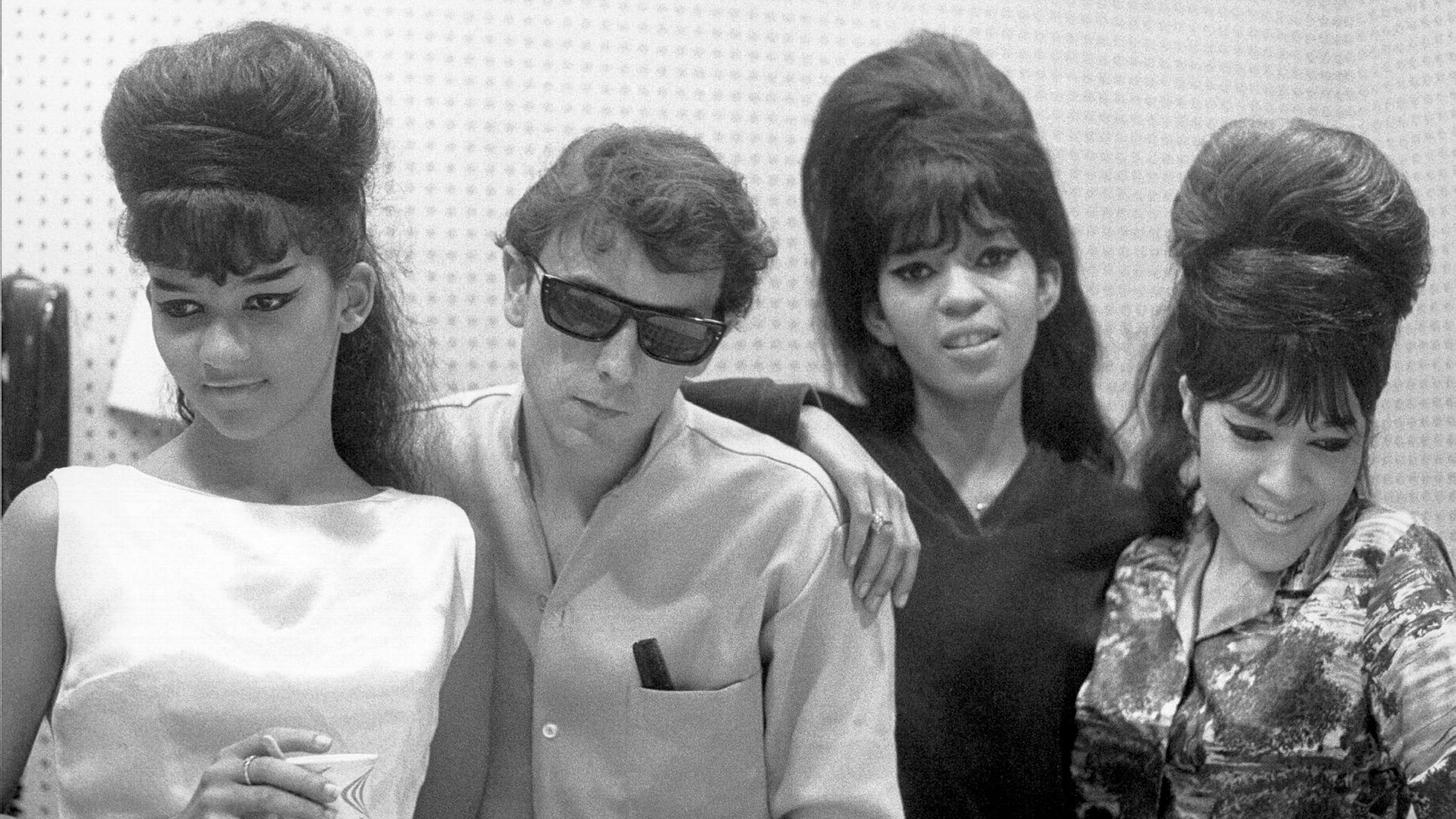
Before understanding the tragedy of his final years, one must understand the magnitude of Phil Spector’s influence. In the early 1960s, Spector developed a production formula known as the Wall of Sound. This technique involved recording large ensembles of musicians—often including multiple guitars, pianos, and drums—playing the same parts in unison and then layering the sound with echo chambers. The result was a dense, orchestral "roar" that sounded magnificent on AM radio.
Spector’s work with groups like The Ronettes, The Crystals, and The Righteous Brothers produced hits such as "Be My Baby" and "You've Lost That Lovin' Feelin'." His influence was so profound that it directly inspired the Beach Boys’ Brian Wilson to create Pet Sounds and influenced the dense arrangements of Bruce Springsteen’s Born to Run. By his early 20s, Spector was a millionaire and a household name, possessing an ego that matched his success. However, even during his peak years, reports of his eccentricities and dark temper began to circulate within the industry.
The Death of Lana Clarkson
The event that forever changed Phil Spector’s life occurred in the early morning hours of February 3, 2003. Spector had spent the evening out in Los Angeles, eventually ending up at the House of Blues on the Sunset Strip. There, he met Lana Clarkson, a 40-year-old actress and hostess who had appeared in several cult films, including Barbarian Queen.
Clarkson initially declined Spector's invitation to his home, but she eventually agreed to accompany him to his residence, a sprawling mansion known as the "Pyrenees Castle" in Alhambra, California. Approximately two hours after their arrival, Spector’s chauffeur, Adriano de Souza, heard a gunshot inside the house. Moments later, Spector emerged through the back door holding a revolver. According to de Souza’s testimony, Spector said, "I think I killed somebody."
The police found Lana Clarkson slumped in a chair in the foyer, dead from a single gunshot wound to the mouth. Spector would later claim that Clarkson’s death was an "accidental suicide," suggesting she had "kissed the gun" before it went off. However, the physical evidence and Spector's long history of threatening women with firearms painted a much darker picture for the prosecution.
The Trials: A Spectacle of Justice
The legal proceedings against Phil Spector were among the most sensational in California history, often compared to the O.J. Simpson trial due to the celebrity status of the defendant and the complexity of the forensic evidence.
The First Trial (2007)
The first trial began in April 2007. The prosecution focused on a "pattern of behavior," bringing five women to the stand who testified that Spector had threatened them with guns in the past when they tried to leave his presence. These testimonies were crucial in establishing that Spector’s actions on the night of Clarkson’s death were not an isolated incident but part of a long-standing pathology. Despite the testimony and forensic analysis of blood spatter on Spector’s jacket, the jury remained deadlocked 10-2 in favor of conviction. A mistrial was declared.
The Second Trial (2009)
The second trial commenced in 2008 with a new judge and a more focused prosecution strategy. This time, the jury was less swayed by the defense's arguments regarding Clarkson's alleged depression or the possibility of self-infliction. On April 13, 2009, the jury found Phil Spector guilty of second-degree murder. He was sentenced to 19 years to life in prison—15 years for the murder and an additional 4 years for the personal use of a firearm.
Life Behind Bars and Health Decline
Spector began his sentence at North Kern State Prison but was later moved to the California State Prison, Corcoran. Due to his age and deteriorating health, he was eventually transferred to the California Health Care Facility (CHCF) in Stockton. This facility is designed to house inmates with chronic medical conditions, providing a level of care that standard prisons cannot accommodate.
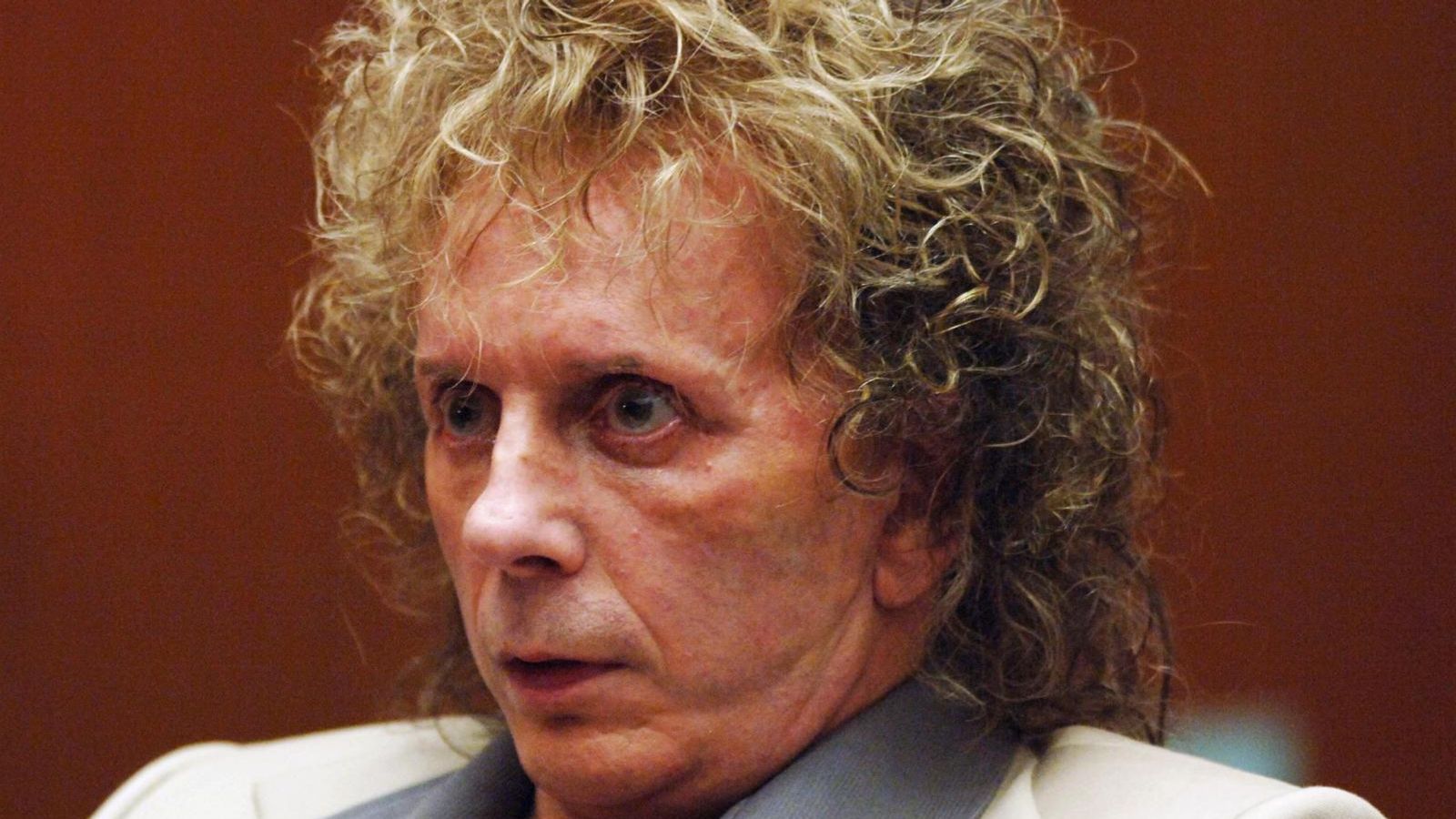
In prison, the flamboyant public persona of Phil Spector vanished. The elaborate wigs he wore during his trials were replaced by a balding, frail appearance. Reports from this period indicated that Spector had lost his ability to speak due to laryngeal polyps or other respiratory issues, communicating largely through written notes. He spent over a decade in custody, with his numerous appeals for a new trial or early release consistently denied by the courts.
The Final Days: COVID-19 and Death
In late 2020, as the COVID-19 pandemic swept through the American prison system, Spector was diagnosed with the virus. Given his advanced age and pre-existing health conditions, the infection proved fatal. He was transferred from the California Health Care Facility to an outside hospital as his condition worsened.
The California Department of Corrections and Rehabilitation (CDCR) officially confirmed that Spector died of natural causes at 6:35 p.m. on January 16, 2021. While "natural causes" was the official designation on the initial report, his daughter later confirmed that the complications arose from his battle with COVID-19. He was 81 years old at the time of his death.
| Event | Date | Location | Result/Outcome |
|---|---|---|---|
| Birth | December 26, 1939 | Bronx, New York | Future music mogul born |
| Murder of Lana Clarkson | February 3, 2003 | Alhambra, CA | Clarkson killed at Pyrenees Castle |
| First Trial Starts | April 2007 | Los Angeles, CA | Mistrial (Hung Jury) |
| Conviction | April 13, 2009 | Los Angeles, CA | Found guilty of 2nd Degree Murder |
| Sentencing | May 29, 2009 | Los Angeles, CA | 19 years to life in state prison |
| Death | January 16, 2021 | Stockton, CA | Died of COVID-19 complications |
The Legacy of a Fractured Genius
Phil Spector’s death did not end the conversation surrounding his life; if anything, it intensified the debate over how history should remember him. In the years following his passing, and leading into 2026, the music industry has struggled with his categorization. On one hand, his induction into the Rock and Roll Hall of Fame in 1989 recognized a body of work that is undeniably foundational to modern pop. On the other, his violent actions and the loss of Lana Clarkson's life cast a permanent shadow over those achievements.
Documentaries and retrospectives produced in the mid-2020s have shifted focus toward the victims of Spector's abuse, rather than just his "tortured genius." Lana Clarkson’s family has worked tirelessly to ensure she is remembered as a vibrant individual with a promising life, rather than just a footnote in a famous man’s downfall.
Frequently Asked Questions
Did Phil Spector ever admit to the murder?
No. Phil Spector maintained his innocence until his death. Throughout his trials and his subsequent years in prison, his defense team argued that Lana Clarkson had taken her own life. Despite his chauffeur's testimony about Spector saying "I think I killed somebody," Spector claimed he was misunderstood or that the statement was taken out of context.
What was Phil Spector’s net worth when he died?
At the time of his death in 2021, Phil Spector’s net worth was estimated to be around $35 million to $50 million. Much of his wealth was tied up in music royalties from his extensive catalog and his real estate holdings, including the "Pyrenees Castle" mansion. His estate became the subject of legal discussions regarding the distribution of these royalties to his heirs.
Where is Phil Spector buried?
Phil Spector was cremated, and his remains were handled by his estate. Unlike some celebrities with public gravesites, there is no public memorial or tombstone for Spector. His family chose to keep the final disposition of his ashes private to avoid vandalism or unwanted public attention.
Who inherited Phil Spector's royalties?
The distribution of Spector's estate was complex due to his multiple marriages and children. His third wife, Rachelle Short, whom he married shortly before his second trial, was a primary beneficiary for a time, though they eventually divorced while he was in prison. As of 2026, his music rights continue to generate revenue, which is managed by his designated heirs and estate executors according to his final will.
How did the "Wall of Sound" actually work?
The Wall of Sound was achieved by crowding a large number of musicians into a small recording studio (usually Gold Star Studios in L.A.). Spector would record them playing together live, then "bleed" the sound into an echo chamber to create a reverberating, massive audio landscape. This was revolutionary because, prior to this, most pop recordings were relatively thin and prioritized the lead vocal over the instrumentation.
Practical Recommendation for Further Research
To gain a deeper understanding of the legal and forensic complexities of the Phil Spector case, interested readers should consult the official court transcripts from the 2009 trial. For those interested in his musical impact, the 1991 box set Back to Mono (1958–1969) remains the definitive collection of the "Wall of Sound" era. Furthermore, the documentary Spector, released in late 2022, provides an updated look at the intersection of his mental health struggles and his criminal actions, featuring interviews with key figures from his life.
Image Gallery