How to Choose the Best Dental Plan: A Complete Guide to Coverage, Networks, and Costs
Selecting the right dental plan requires balancing premium costs against potential out-of-pocket expenses for preventative, basic, and major oral healthcare. The best plan for your needs depends on your preferred dentist's network part...
Selecting the right dental plan requires balancing premium costs against potential out-of-pocket expenses for preventative, basic, and major oral healthcare. The best plan for your needs depends on your preferred dentist's network participation, expected dental treatments, annual plan maximums, and waiting period terms.
Contents
Plan Options: DPPO, DHMO, and Savings Plans
Dental coverage options fall into distinct structural categories. Each format handles network access, specialist referrals, cost-sharing, and administrative rules differently.
- Select Dental Coverage Model
- DPPO Plan
- High Network Flexibility
- Annual Maxes
- Coinsurances
- DHMO Plan
- Low Premium
- Primary Care Gatekeeper
- Flat Copays
- Savings Plan
- Discount Rate
- No Claims/Maxes
- Immediate Use
- Non-Insurance
- DPPO Plan
Dental Preferred Provider Organizations (DPPO)
DPPO plans are the most common individual and group dental policies. They offer a broad network of participating dentists who have agreed to accept contracted discounted rates.
- Network Flexibility: You can visit out-of-network dentists, but your out-of-pocket costs will be higher because non-network providers are not bound by contractual fee caps.
- Cost Structure: DPPOs typically operate on coinsurance percentages (e.g., 80/20 split) after an annual deductible is met.
- Limits: Most DPPO plans feature an annual maximum limit—often ranging from $1,000 to $2,500—on what the insurer will pay in a single policy year.
Dental Health Maintenance Organizations (DHMO)
DHMO plans function similarly to medical HMOs, prioritizing predictable costs over provider flexibility.
- Primary Care Model: Enrollees must select a primary care dentist (PCD) from an in-network facility who manages all care and issues referrals for specialists.
- Cost Structure: DHMOs generally charge no annual deductibles and no annual maximum payout limits. Patients pay set copayments (e.g., $15 for a filling) listed in a schedule of benefits.
- Limitations: Out-of-network care is typically not covered except in emergency situations.
Dental Indemnity (Fee-for-Service) Plans
Indemnity plans provide maximum provider freedom.
- Provider Choice: You can visit any licensed dentist without network constraints.
- Reimbursement: The insurer pays a predetermined percentage of the "Usual, Customary, and Reasonable" (UCR) fee for a given procedure in your geographic region.
- Financial Exposure: If your dentist charges more than the UCR benchmark, you must pay the difference—a practice known as balance billing.
Dental Savings Plans (Discount Plans)
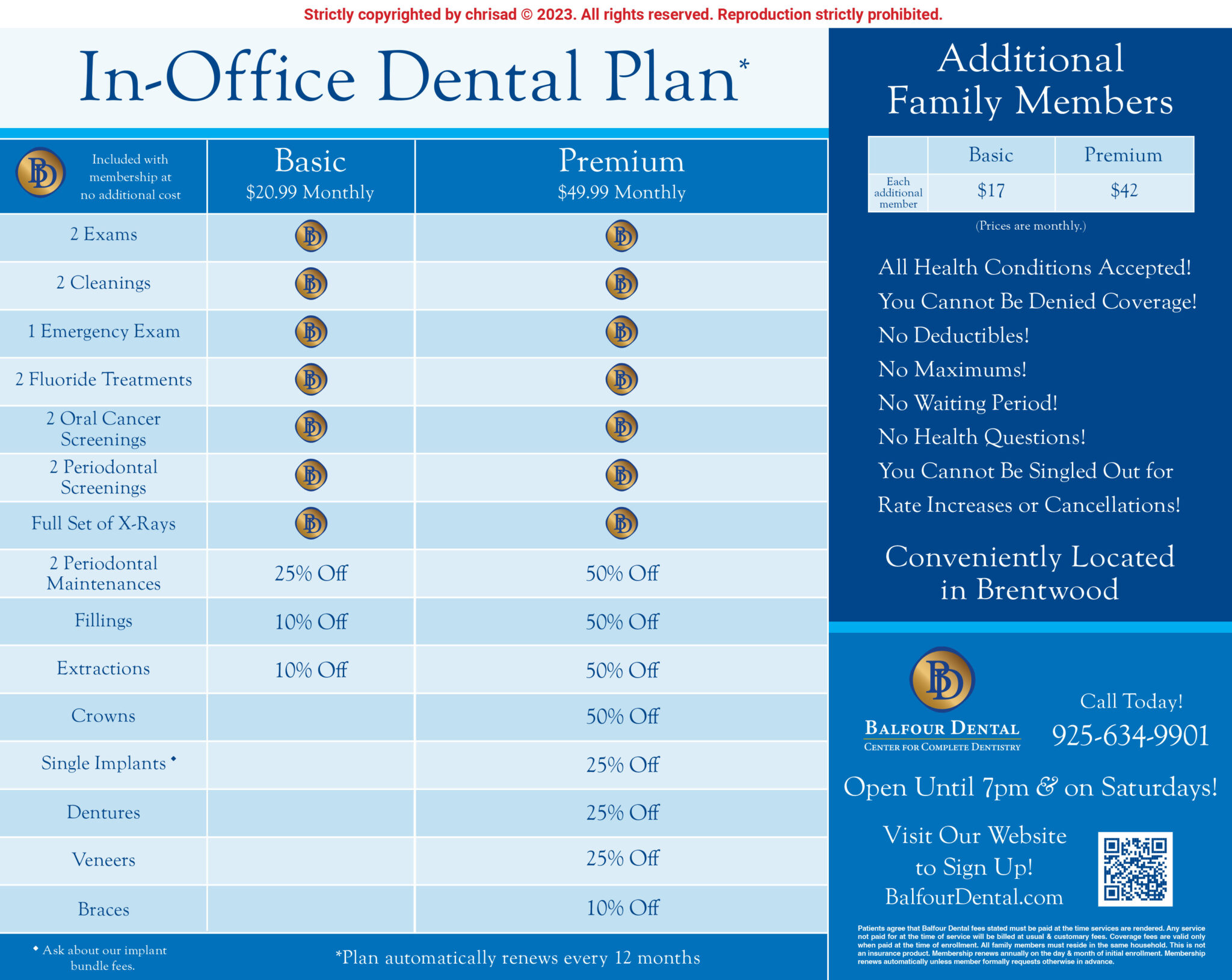
Dental savings plans are not insurance policies. Instead, they are membership programs where individuals pay an annual membership fee to access pre-negotiated discount rates with participating dentists.
- No Claims or Waiting Periods: Members pay the discounted fee directly to the provider at the time of service. There are no claim forms, deductibles, or annual maximums.
- Best Use Case: Discount plans serve as an immediate alternative for people needing extensive major dental work right away who cannot wait out standard insurance waiting periods.
How Dental Coverage Works: The 100-80-50 Structure
Traditional dental insurance policies (especially DPPOs) structure coverage around a standardized cost-sharing model known as the 100-80-50 rule. Under this model, procedures are divided into three tier categories:
| Tier Category | Common Procedures Covered | Plan Pays / You |
|---|---|---|
| Class I: Preventive Care | Routine exams, cleanings, bitewing X-rays, sealants | 100% Plan / 0% You |
| Class II: Basic Care | Simple extractions, fillings, non-surgical periodontics | 80% Plan / 20% You |
| Class III: Major Care | Crowns, bridges, dentures, complex oral surgery, implants | 50% Plan / 50% You |
Class I: Preventive and Diagnostic Care
Preventive services emphasize early detection and oral hygiene maintenance. Most insurance policies cover preventive services at 100%, meaning enrollees pay nothing out-of-pocket when seeing an in-network provider, and these services often do not count against the annual deductible.
- Annual or biannual oral examinations
- Standard prophylaxis (cleanings)
- Diagnostic X-rays (bitewings and panoramic images)
- Topical fluoride treatments for minors
Class II: Basic Restorative Services
Basic care addresses minor tooth damage and early-stage disease. Insurers typically cover these services at 80%, leaving the patient responsible for the remaining 20% after the annual deductible has been met.
- Amalgam or composite tooth fillings
- Simple dental extractions
- Emergency treatment for pain relief
- Basic periodontal maintenance (scaling and root planing)
Class III: Major Restorative Services
Major services involve structural restoration and complex surgical procedures. Coverage drops to 50%, requiring the policyholder to pay the remaining 50% of the contracted rate out-of-pocket.
- Indirect restorations (crowns, inlays, and onlays)
- Fixed bridges and removable partial or full dentures
- Surgical extractions and wisdom tooth removal
- Endodontic therapy (root canals)—though some plans place root canals in Class II
- Dental implants (when explicitly covered by rider or core policy terms)
Class IV: Orthodontic Services (Specialty Tier)
Orthodontic treatment for braces or clear alignment systems is rarely included in basic individual dental plans. When present, orthodontia usually carries a separate lifetime maximum—often between $1,000 and $2,500 total—rather than an annual refreshing limit. Age restrictions frequently apply, restricting coverage to dependents under 19, though adult orthodontia riders exist on select premium policies.
Key Factors to Evaluate Before Enrolling
Choosing the right dental plan requires evaluating several core factors. Review these key details before selecting a policy.
- Core Factors to Evaluate Before Choice
- Network Verification
- Annual Maximums & Rollovers
- Waiting Periods
- Total Out-of-Pocket Costs
1. Network Participation and Fee Schedules
If you have an established dentist, verify their participation in the insurer's network before purchasing a plan. Contact your dentist's billing office directly rather than relying solely on online insurer directories, which can sometimes be out of date. Ask the administrative staff: "Which specific network tier options do you accept?"
If you choose an out-of-network dentist under a DPPO, understand the financial implications:
- Contracted Rates: In-network dentists accept the insurer's Maximum Allowable Charge (MAC) as payment in full.
- Balance Billing: Out-of-network dentists can charge their full cash price. If the insurer only reimburses up to the UCR amount, you are responsible for paying the remaining balance.
2. Annual Maximums and Rollover Provisions
The annual maximum is the maximum amount the insurance company will pay for covered dental procedures in a single benefit year. Once expenses reach this threshold, you are responsible for paying 100% of all subsequent dental costs until the next plan period begins.
- Standard Limits: Individual annual maximums often fall between $1,000 and $2,000 per person.
- Rollover Features: Certain carriers offer annual maximum rollover benefit features. If you receive routine preventive care and stay below a specified claim limit during the year, a portion of your unused annual maximum rolls over into an account for future use, increasing your effective maximum over time.
3. Waiting Periods and Creditable Coverage
Individual dental policies often include waiting periods designed to prevent individuals from enrolling only when they require immediate, costly dental repairs.
- Preventive Care: 0 days (immediate coverage).
- Basic Restorative Services: 3 to 6 months waiting period.
- Major Services: 6 to 12 months waiting period.
Bypassing Waiting Periods: You can often waive waiting periods for basic and major care by showing proof of prior continuous dental insurance coverage (usually 12 consecutive months without a coverage gap of more than 63 days) from a prior employer or individual plan. Detailed eligibility guidelines are tracked by organizational bodies such as the National Association of Insurance Commissioners (NAIC).
4. Exclusions, Limitations, and Pre-Existing Conditions
Read the policy’s "Limitations and Exclusions" document to identify missing coverage areas:
- Missing Tooth Clause: Excludes coverage for replacing a tooth that was extracted or missing prior to the effective date of the policy (e.g., denying coverage for a bridge or implant for that space).
- Replacement Limits: Restricts how often an insurer will pay to replace existing crowns or dentures (commonly once every 5 to 7 years).
- Cosmetic Exclusions: Cosmetic treatments, such as professional teeth whitening or cosmetic veneers, are almost universally excluded from standard dental coverage.
Plan Comparison: Matching Structure to Need
The chart below summarizes key feature differences across major plan types:
| Plan Type | Monthly Premium Range | Primary Care Referral Required? | Annual Maximum Limit? | Waiting Periods on Major Care? | Out-of-Network Coverage? |
|---|---|---|---|---|---|
| DPPO | Moderate to High ($35–$65) | No | Yes ($1,000–$2,500/yr) | Yes (6–12 Months typical) | Yes (subject to balance billing) |
| DHMO | Low ($15–$30) | Yes (PCD required) | No (Unlimited) | Generally No | No (Except emergency) |
| Indemnity | High ($50–$90+) | No | Yes ($1,000–$1,500/yr) | Yes | Yes (Any licensed dentist) |
| Dental Savings Plan | Annual Fee ($80–$150/yr) | No | No Limits | None | Network Providers Only |
Step-by-Step Selection Process
Follow this step-by-step checklist to select the right dental coverage for your needs.
Step 1: Audit Your Anticipated Dental Needs
Classify your expected care for the upcoming 12 months:
- Maintenance Only: Cleanings, routine exams, and minor preventive care. A basic DHMO or low-premium DPPO will usually cover these needs affordably.
- Moderate Restorative Needs: Replacing old fillings or handling minor gum issues. Choose a mid-tier DPPO with a low deductible and brief waiting periods.
- Extensive Oral Surgery/Rehabilitation: Requiring crowns, root canals, or dental implants. Select a high-annual-maximum DPPO, verify waiting period waivers, or look into a dental discount plan to lower immediate out-of-pocket costs.
Step 2: Calculate the Total Annual Cost Exposure
To evaluate competing plans accurately, calculate the Total Potential Cost using this formula:
$$\text{Total Cost} = (\text{Monthly Premium} \times 12) + \text{Deductible} + \text{Estimated Coinsurance/Copays}$$
Compare this figure against the annual maximum limit. For example, if a high-tier policy costs $600 per year in premiums and has a $50 deductible and a $1,000 annual maximum, the maximum financial benefit the insurer will provide in a year is:
$$$1,000 - $600 - $50 = $350 \text{ net value}$$
If your expected care expenses are low, paying high monthly premiums for extensive coverage may cost more than paying for services out-of-pocket.
Step 3: Verify Plan Integration Options
If you are purchasing coverage through ACA exchanges or your employer, consider how your dental insurance integrates with your health care accounts:
- Health Savings Accounts (HSAs) and Flexible Spending Accounts (FSAs): You can use pretax HSA or FSA funds to pay for qualified out-of-pocket dental expenses—including deductibles, copayments, and coinsurance—as outlined by Internal Revenue Service (IRS) Publication 502.
- Out-of-Pocket Dental Costs
- HSA Eligibility
- Pre-tax Dollars
- Funds Roll Over
- Triple Tax Advantage
- FSA Eligibility
- Use-it-or-Lose-it Annual Rules
- Front-Loaded Funds
- HSA Eligibility
Common Pitfalls to Avoid
- Focusing Solely on the Monthly Premium: Low-premium plans often offset costs with higher deductibles, restrictive provider networks, or lower coverage caps on basic procedures.
- Assuming Dental Coverage Is Included in Standard Medical Insurance: Adult dental care is generally excluded from individual and employer-based ACA medical insurance plans, requiring a standalone dental policy. You can review standalone options through Healthcare.gov.
- Ignoring Dental Implant Restrictions: Many plans list implants as covered services under major care but restrict coverage with strict pre-authorization requirements or non-covered surgical component clauses. Always confirm whether structural implants, abutments, and crowns are covered before enrolling.
- Failing to Submit Pre-Treatment Estimates: For non-emergency major procedures costing over $300, request that your dentist submit a pre-treatment estimate (also known as a pre-determination of benefits) to your insurer. The carrier will return a detailed breakdown outlining covered costs, coinsurance splits, and out-of-pocket responsibilities before treatment begins.
Frequently Asked Questions
What is the difference between a dental insurance plan and a dental savings plan?
Dental insurance uses premiums, deductibles, coinsurance, and annual coverage caps to share treatment costs, while requiring claims submission. A dental savings plan is a membership discount program: members pay an annual fee to access pre-negotiated discount rates directly from participating dentists, with no claim forms, deductibles, or annual maximums.
Are dental implants usually covered by standard dental insurance plans?
Coverage for dental implants varies by policy. While basic plans often exclude implants or treat them as a non-covered cosmetic procedure, premium individual and group DPPO policies may cover implants under Class III Major Restorative Services at 50% coinsurance. Always review the policy's exclusions and limitations section to verify whether implants are covered.
Can I buy a dental plan and use it immediately for a crown or root canal?
Most individual dental policies apply a waiting period of 6 to 12 months for major procedures like crowns and root canals. However, you can often waive this waiting period by showing proof of prior continuous dental coverage from a previous plan. Alternatively, DHMO plans and dental savings plans typically offer immediate coverage without waiting periods.
What happens if I hit my annual maximum limit mid-year?
Once your insurer's payments reach your plan's annual maximum limit (e.g., $1,500), the insurer will stop paying for covered procedures for the remainder of that benefit year. You are responsible for paying 100% of all subsequent dental costs out-of-pocket until the plan resets the following policy year.
How do I know if my current dentist is in a plan's network?
To verify network status, contact your dentist's billing office directly and share the specific plan name and insurer network tier you are evaluating. Cross-check this information by searching the insurer's official online provider directory, as accepted network tiers can vary within the same insurance carrier.
Practical Recommendation
When selecting a dental plan, request fee schedules from your preferred dental office and compare them against plan parameters. If you have healthy teeth and only need preventive care, a low-cost DHMO or basic DPPO offers adequate coverage at a low premium. If you anticipate needing major restorative work, select a high-maximum DPPO with no waiting period, or choose a Dental Savings Plan to secure discounted rates immediately.
Image Gallery