Can You Pet a Deer? Safety Risks, Legal Rules, and Health Hazards
No, you should not pet a wild deer. While deer may appear gentle and calm, approaching or touching them poses serious personal safety risks, transmits dangerous tick-borne and bacterial diseases, and causes long-term harm to the animal...
No, you should not pet a wild deer. While deer may appear gentle and calm, approaching or touching them poses serious personal safety risks, transmits dangerous tick-borne and bacterial diseases, and causes long-term harm to the animal through habituation. In many jurisdictions, approaching, touching, or feeding wild deer is also illegal under wildlife protection laws.
Contents
Why Petting a Wild Deer Is Dangerous
Despite their graceful appearance and docile reputation, deer are large, unpredictable wild animals driven by acute survival instincts. A startled or defensive deer can transition from placid to violent in a fraction of a second. Understanding the physical capabilities of cervids explains why attempting to pet one presents an immediate safety risk.
Powerful Hooves and Defensive Strikes
When a human steps into a deer’s personal space, the animal rarely reacts like a domestic pet. If flight is not immediately accessible, deer rely on powerful physical defenses:
- Front Hoof Strikes: Deer do not only kick backward; their primary offensive measure against threats in front of them is rearing up on their hind legs and slashing downward with sharp, cloven front hooves. These front hoof edges can cause severe lacerations, puncture wounds, broken bones, and deep tissue damage.
- Hind Leg Kicking: A deer’s hind legs are built for explosive sprinting and jumping over eight-foot barriers. A rear kick delivers massive blunt force trauma capable of knocking an adult off their feet.
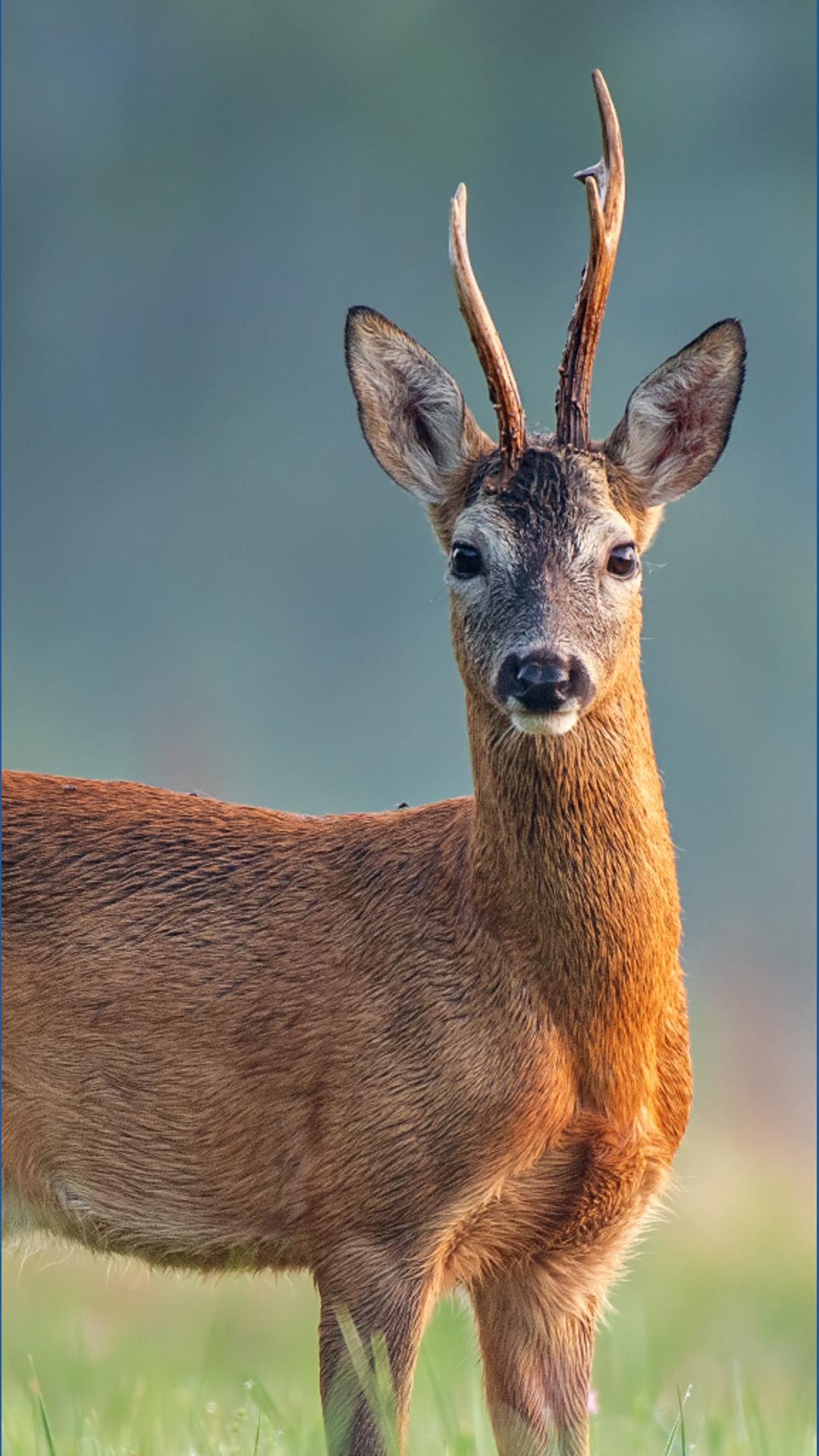
- Antler Goring: Bucks carrying hardened antlers during the late summer, autumn, and winter possess formidable weapons. During the autumn mating season (the rut), high testosterone levels make bucks aggressive and prone to charging anything perceived as a territorial rival or threat.
Deer Threat Behavior Progression
- Alert Posture: Head raised high, ears pointed up, eyes wide open.
- Stomping & Snorting: Front hoof stomps ground, ears lay flat back, tail flicking/flagging.
- Blunt Attack: Rears on hind legs to strike or gore.
Recognizing Pre-Attack Stress Signals
Before striking, wild deer display subtle stress signals that humans often misinterpret as curiosity or tameness. A deer that stands frozen while a human approaches is rarely relaxed; it is frequently experiencing acute fear and calculating an escape or attack angle. Key warning signs include:
- Pinned Ears: Ears flattened backward against the skull signal high distress and defensive aggression.
- Stomping Front Hooves: Rhythmic or sudden stomping of a front foot onto the ground is a clear warning for the intruder to back away.
- Raised Hair (Piloerection): Hair standing upright along the spine makes the deer appear larger and indicates high tension.
- Snorting or Blowing: A loud, forced exhalation through the nostrils alerts nearby deer to danger and signals high arousal.
Health Hazards and Zoonotic Disease Transmission
Direct physical contact with a deer creates a direct vector for vector-borne parasites, bacterial infections, and viral pathogens. Even if an individual deer appears healthy, its coat, hide, and bodily fluids carry significant biological hazards.
Deer Transmission Vectors
- Ectoparasites (Ticks, Fleas): Lyme, Anaplasma
- Bacterial/Fungal: Leptospirosis, Bovine TB
- Prion & Viral: CWD Risk, Rabies
1. Ticks and Vector-Borne Pathogens
Deer are the primary adult hosts for the blacklegged tick (Ixodes scapularis), commonly known as the deer tick. Reaching out to stroke a deer’s neck or back brings human hands into direct contact with dense concentrations of feeding ticks. According to the Centers for Disease Control and Prevention, blacklegged ticks are the primary vectors for several severe illnesses:
- Lyme Disease: Caused by the bacterium Borrelia burgdorferi, leading to chronic joint pain, neurological complications, and severe fatigue.
- Anaplasmosis and Babesiosis: Microscopic blood pathogens that cause high fevers, anemia, and organ strain.
- Powassan Virus: A rare but severe viral infection causing encephalitis or meningitis.
2. Bacterial and Parasitic Infections
Physical contact with wild deer hide or saliva can expose individuals to zoonotic bacteria:
- Bovine Tuberculosis (Mycobacterium bovis): A contagious bacterial infection affecting the respiratory system. It can be transmitted between deer, livestock, and humans through respiratory droplets or close physical proximity.
- Leptospirosis: Transmitted through contact with soil or water contaminated by deer urine, leading to kidney damage, liver failure, or meningitis.
- Cryptosporidiosis and Giardiasis: Intestinal parasites harbored in deer feces that cause severe gastrointestinal distress if unwashed hands transfer spores to the mouth.
3. Chronic Wasting Disease (CWD) Precautions
Chronic Wasting Disease is a contagious, fatal neurological disorder affecting cervids (deer, elk, and moose), caused by misfolded proteins known as prions. CWD damages the brain tissue, leading to emaciation, abnormal behavior, and loss of bodily functions. While the USGS National Wildlife Health Center notes that no confirmed cases of CWD transmission to humans have occurred, health organizations strictly advise against handling, consuming, or coming into contact with potentially infected cervids or their bodily fluids.
Wildlife Laws and Legal Regulations
Attempting to approach, pet, feed, or capture a deer is regulated or explicitly banned across most jurisdictions. Wildlife management policies exist to protect public safety, prevent disease spread, and preserve wild animal populations.
Legal and Regulatory Matrix
| Jurisdiction | Applicable Restrictions |
|---|---|
| National Parks (US) | 36 CFR § 2.2: Prohibits feeding, touching, teasing, or disturbing wildlife. |
| State Wildlife Agencies (DNR / Fish & Wildlife) | Anti-feeding bans, illegal possession laws, and wildlife harassment ordinances. |
| Municipal Ordinances | Local fines for attracting wildlife or feeding urban deer populations. |
Federal Regulations in National Parks
In the United States, federal law strictly forbids disturbing or approaching wildlife on public lands. Under Title 36 of the Code of Federal Regulations (36 CFR § 2.2), touching, feeding, teasing, frightening, or intentionally disturbing wildlife is illegal. The National Park Service enforces strict distance rules, requiring visitors to maintain a safe distance from large mammals like deer and elk. Violations can result in citations, heavy fines, or removal from federal parks.
State DNR Laws and Anti-Feeding Mandates
Most state Departments of Natural Resources (DNR) or Fish and Wildlife agencies prohibit domesticating or illegally harboring wild deer. Key legal restrictions include:
- Anti-Feeding Laws: Many states enforce strict bans on feeding deer to limit the artificial concentration of herds, which accelerates the spread of CWD and Lyme disease. Petting often occurs in tandem with feeding, making both acts illegal under state wildlife codes.
- Illegal Possession and Captivity: Removing a fawn or adult deer from the wild to keep or pet as a domestic companion is a misdemeanor or felony offense in most states, carrying severe fines and confiscation of the animal.
How Human Contact Harms Deer
Extending a hand to pet a deer may feel like an act of affection, but human physical contact actually destabilizes the animal's natural instincts and lowers its chances of survival in the wild.
The Habituational Cascade Effect
- Human Contact/Feeding
- Loss of Natural Fear
- Urban Encroachment
- Roadside Hazards
- Increased Aggression
- Nuisance Euthanasia
The Hazards of Habituation
Habituation occurs when a wild animal repeatedly experiences non-threatening exposure to humans and loses its innate fear. While a habituated deer might permit hand-touching, this loss of wild boundary leads to severe consequences:
- Increased Vehicle Collisions: Habituated deer associate roadsides and populated neighborhoods with food or human presence, dramatically increasing collision risks with motor vehicles.
- Elevated Vulnerability to Poaching and Predators: Animals that do not flee from human scent become easy targets for illegal hunting or fail to react quickly enough to natural predators.
- Property Destruction and Nuisance Culling: Habituated deer regularly destroy residential landscapes and agricultural crops. When deer lose their fear of humans and become pushy or aggressive for food, wildlife officers are frequently forced to euthanize them to protect public safety.
The Myth of Fawn Abandonment
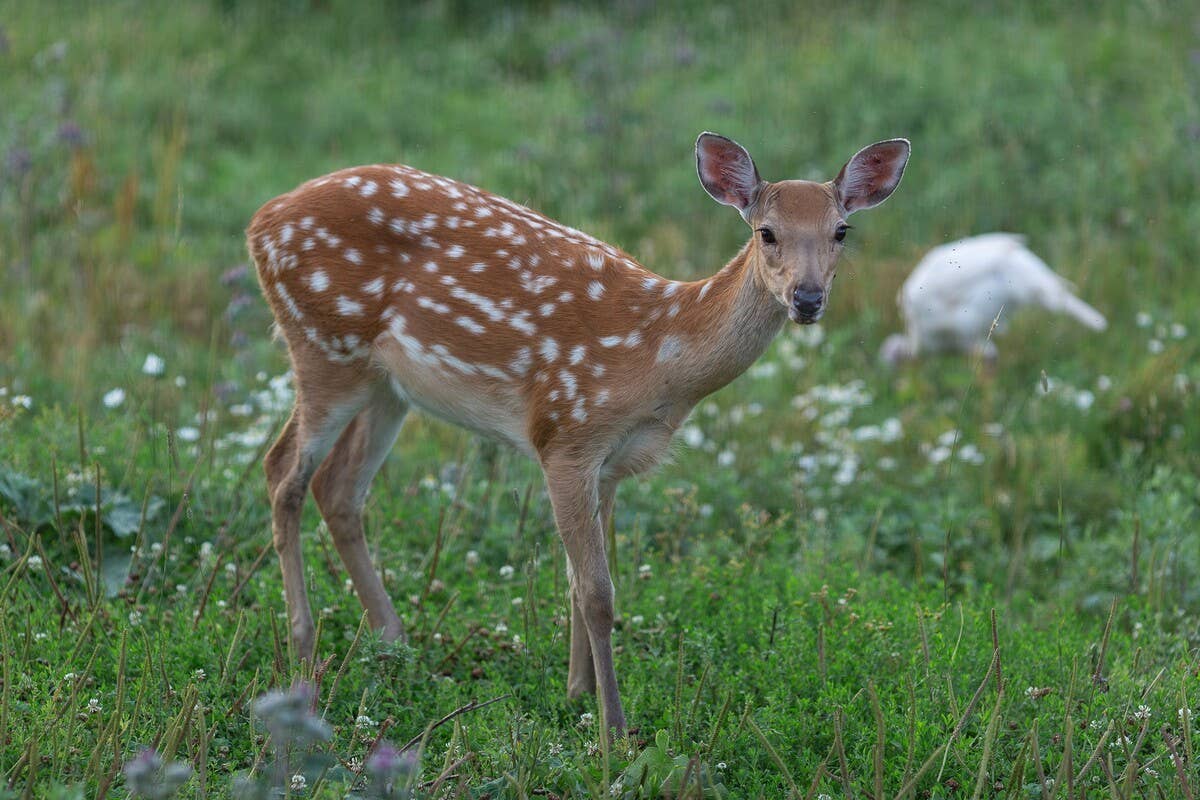
During late spring and early summer, mothers (does) leave their newborn fawns hidden in tall grass or brush for hours while they forage nearby. Fawns are born with nearly scentless coats and spots for camouflage.
Well-meaning individuals often assume a solitary fawn is abandoned and attempt to approach, stroke, or rescue it. Touching a fawn leaves human scent on its fur, which can attract predators like coyotes, dogs, or bears. If you encounter a fawn lying quietly by itself, leave it entirely untouched; the doe is almost certainly nearby waiting for you to leave.
Direct Comparison: Wild vs. Habituated vs. Sanctuary Deer
Understanding the differences between wild deer, habituated urban deer, and deer residing in accredited sanctuaries clarifies why physical contact is inappropriate in wild settings.
| Parameter | Wild Deer | Urban-Habituated Deer | Accredited Sanctuary Deer |
|---|---|---|---|
| Primary Instinct | Immediate flight or aggressive defense | Reduced fear; opportunistic seeking of food | Accustomed to human care staff |
| Safety Risk Level | High (Sudden strikes, goring, kicks) | Very High (Unpredictable, loss of fear boundaries) | Low to Moderate (Managed environments, trained staff) |
| Disease/Tick Load | High (Unchecked wild parasites and pathogens) | High (Dense urban populations increase disease transfer) | Controlled (Veterinary care, parasite treatments) |
| Legal Status of Touching | Illegal in federal parks; restricted by state DNRs | Illegal under anti-feeding/harassment rules | Permitted under strict facility protocols |
| Impact of Contact | Severe habituation, stress, abandonment risk | Increases likelihood of vehicle strikes & euthanasia | None (Managed, non-releasable captive animals) |
Safe and Ethical Alternatives for Wildlife Enthusiasts
If you admire deer and want to appreciate them safely without causing harm or breaking wildlife protection laws, consider these practical alternatives:
Ethical Wildlife Interaction Steps
- Practice the "Rule of Thumb" distance measure.
- Use telephoto lenses or binoculars for close views.
- Visit USDA-licensed wildlife rehabilitation centers.
- Support accredited educational nature sanctuaries.
1. Master Long-Distance Wildlife Viewing
Follow the Rule of Thumb used by park rangers: stretch your arm out fully, raise your thumb, and close one eye. If you cannot completely cover the entire deer with your thumb, you are too close. Use tools like high-magnification binoculars, spotting scopes, or telephoto camera lenses to observe natural deer behaviors up close without encroaching on their personal space.
2. Visit Licensed Sanctuaries or Educational Centers
For those seeking to see cervids in controlled environments, look for accredited wildlife rehabilitation centers or USDA-licensed educational facilities. The U.S. Department of Agriculture Animal and Plant Health Inspection Service regulates licensed Class C exhibitor facilities, ensuring captive animals receive veterinary care, proper parasite control, and safe human-interaction boundaries.
Frequently Asked Questions
What should I do if a deer approaches me on its own?
If a deer approaches you, do not reach out to pet it or offer food. Slowly stand your ground, avoid sudden movements, and back away calmly to maintain a safe distance. Speak in a firm, calm voice. If the deer continues to advance assertively, raise your arms to appear larger and make loud noises to discourage its approach.
Can petting a fawn cause its mother to reject it?
While a mother doe will rarely abandon her fawn solely due to human scent, touching a fawn is still harmful. Physical contact places your scent on the fawn, making it far easier for wild predators to locate the young animal. Always leave wild fawns completely undisturbed.
Are domesticated or hand-raised deer safe to pet?
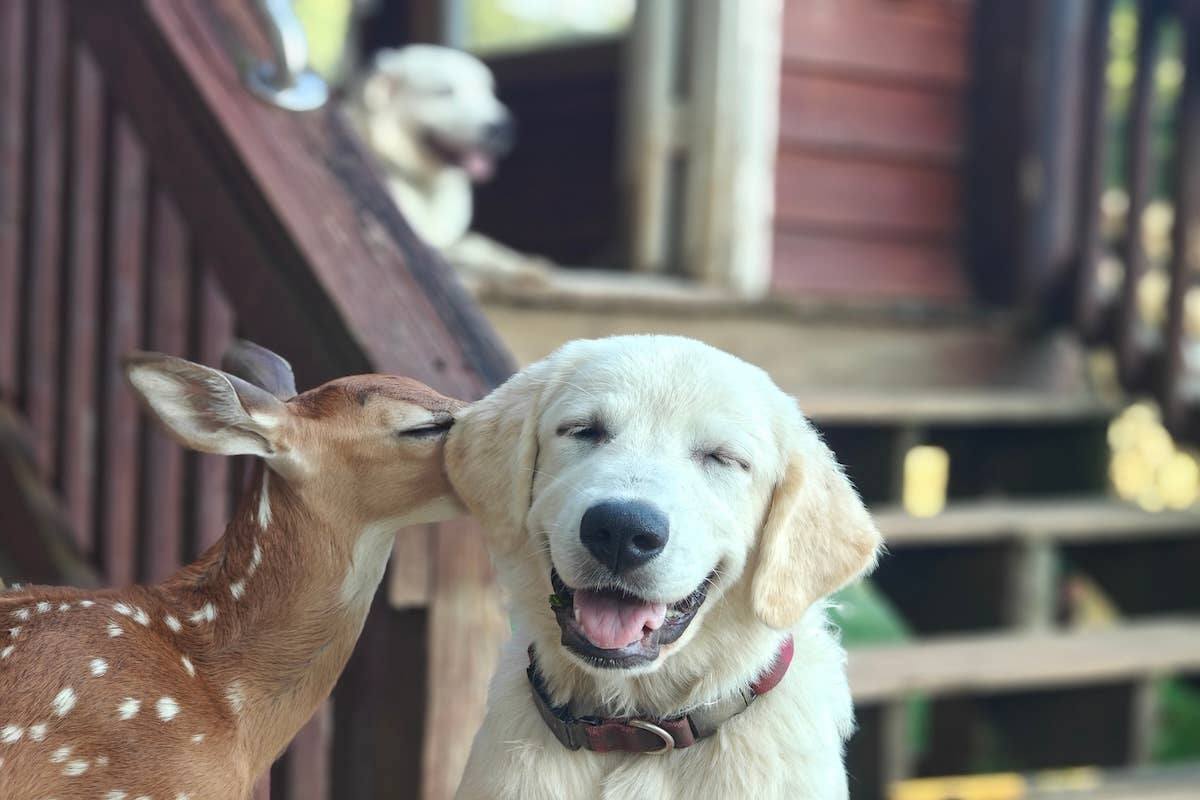
Even hand-raised deer carry significant safety risks. Male deer raised by humans often lose all fear of people. When their testosterone surges during the fall rut, they frequently view human caretakers as rival bucks, leading to dangerous goring or trampling incidents.
What should I do if I get bitten or kicked by a deer?
Seek immediate emergency medical attention. Deer strikes cause severe blunt trauma or deep puncture wounds requiring professional evaluation. If bitten or scratched, clean the wound immediately with soap and water and report the incident to local health authorities and state wildlife officials to evaluate potential rabies or bacterial infection risks.
Why do some deer in parks allow humans to touch them?
Deer in high-traffic parks have become dangerously habituated through repeated illegal feeding by visitors. These animals have lost their protective survival instincts. Allowing contact reinforces this harmful behavior, increasing the probability that the deer will eventually injure someone and be euthanized by park authorities.
Practical Guidance for Wildlife Encounters
To ensure both human safety and the protection of native wildlife, adhere to these operational guidelines during every outdoor encounter:
- Maintain Distance: Always maintain a minimum buffer of 25 to 50 yards from deer in the wild. If the animal changes its posture, stops grazing, or stares directly at you, you have crossed its comfort zone and must back away.
- Never Offer Food: Hand-feeding wild deer conditions them to approach humans, degrades their digestive health, and accelerates disease transmission across local herds.
- Report Injured Wildlife: If you encounter a sick, injured, or orphaned deer, do not attempt to capture, comfort, or pet the animal yourself. Contact a licensed local wildlife rehabilitator or your state's Fish and Wildlife agency for professional assistance.
Image Gallery