What LMAO Stands For: Meaning, Origin, and Usage Guidelines
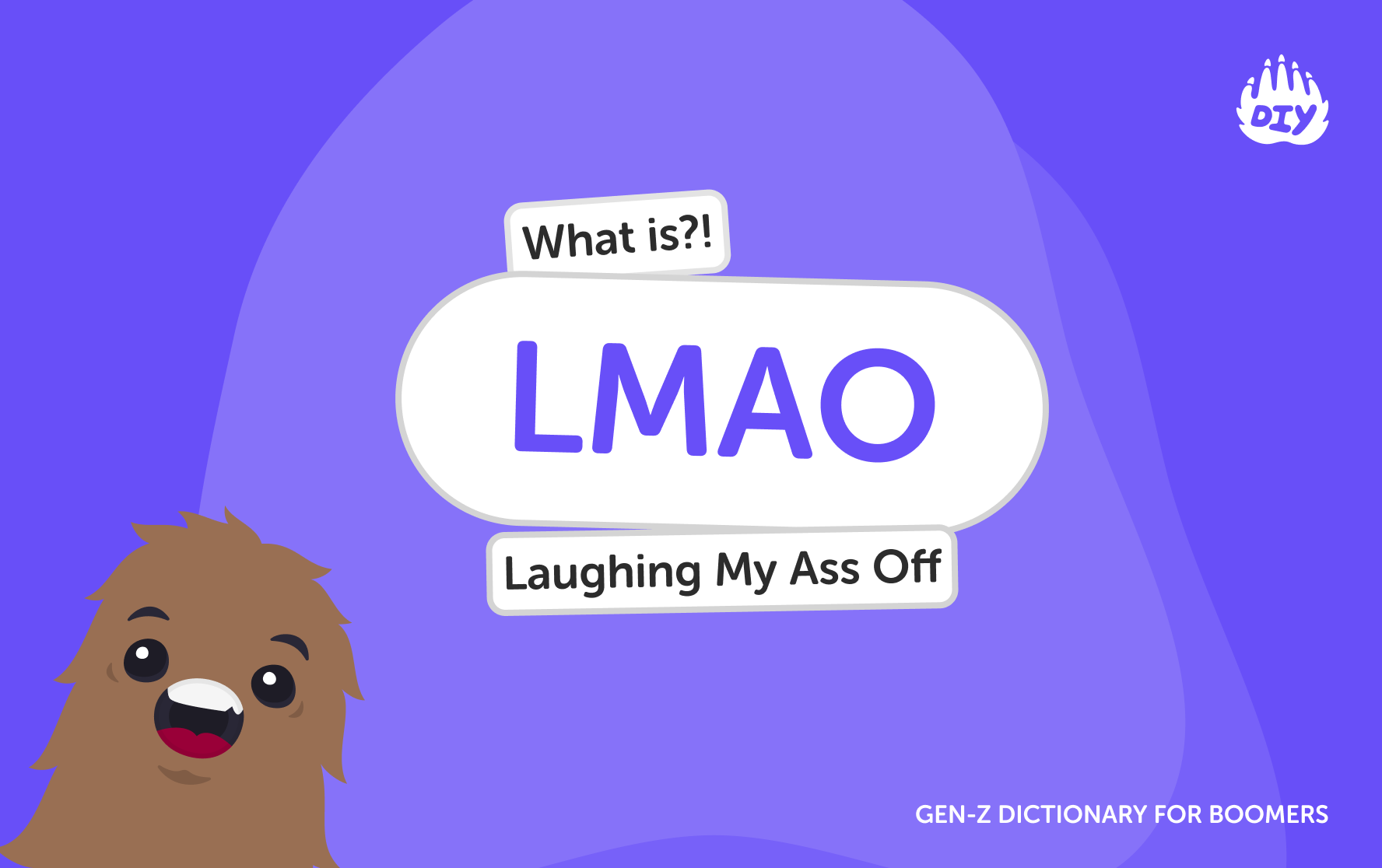
LMAO stands for "Laughing My Ass Off." It is one of the most common internet acronyms used in text messaging, social media platforms, instant messaging apps, and online gaming environments. Users type it to express strong amusement, re...
LMAO stands for "Laughing My Ass Off." It is one of the most common internet acronyms used in text messaging, social media platforms, instant messaging apps, and online gaming environments. Users type it to express strong amusement, reaction to funny content, or lighthearted humor in casual digital conversations.
Contents
Detailed Meaning and Definition of LMAO
The acronym LMAO represents a form of figurative hyperbole. While taken literally the phrase suggests an impossible physical reaction to laughter, in digital text communication it signals that something is exceedingly funny or entertained the reader significantly more than a standard chuckling response.
In modern internet linguistics, LMAO sits higher on the spectrum of amusement than traditional shorthand like LOL ("Laughing Out Loud"), but generally lower than LMFAO ("Laughing My Fucking Ass Off"). The term functions as an emotional marker, replacing facial expressions, vocal tone, and physical gestures that are absent in text-based medium.
Lowercase vs. Uppercase Variations
The visual formatting of LMAO subtle changes its tone and intended intensity in casual messaging:
- lmao (all lowercase): Indicates mild amusement, casual agreement, or a conversational buffer. It is often added to the end of a sentence to soften a statement, convey self-deprecation, or diffuse potential awkwardness.
- LMAO (all uppercase): Signals genuine, intense laughter or shock at something humorous. Uppercase lettering across internet shorthand mimics shouting or heightened emphasis.
- lmaooo / LMAOOOO (vowel elongation): Extending the final letter "O" emphasizes prolonged or extreme laughter. The more letters added to the tail end of the acronym, the stronger the perceived reaction.
Historical Origins and Evolution of Online Slang
The acronym emerged during the early days of networked computing in the late 1980s and early 1990s. As text-only communication formats—such as USENET newsgroups, Internet Relay Chat (IRC), and Bulletin Board Systems (BBS)—gained popularity, users sought efficient ways to convey emotional reactions without typing full sentences.
The Timeline of Digital Laughter
- Early 1990s (Inception): LMAO began appearing in computer science chat rooms and early online gaming forums alongside established terms like LOL and ROFL ("Rolling On the Floor Laughing").
- Late 1990s to Mid-2000s (Mass Adoption): With the rise of consumer internet service providers and instant messaging platforms like AOL Instant Messenger (AIM), Yahoo! Messenger, and MSN Messenger, LMAO entered mainstream vocabulary among teenagers and young adults.
- 2010s (Mobile and Social Media Integration): The proliferation of smartphones, SMS texting, and global social platforms (such as Twitter, Facebook, and Reddit) standardized internet acronyms as primary elements of written informal English.
- 2020s–2026 (Modern Usage Shifts): In contemporary digital speech, LMAO often functions beyond literal amusement. It frequently acts as a punctuation mark, a conversational bridge, or an expression of irony and mild absurdity in short-form video comment sections and group chats.
Common Variations and Derivative Acronyms
Over time, internet users developed several spin-offs and variations of LMAO to reflect different intensity levels, tone adjustments, or vulgarity preferences.
LOL ---> LMAO ---> LMFAO ---> ROFLMAO (Mild) (Medium) (Strong) (Extreme)
The table below breaks down how LMAO compares to other widely used digital laughter acronyms:
| Acronym | Stands For | Intensity Level | Typical Context | Professional Suitability |
|---|---|---|---|---|
| LOL | Laughing Out Loud | Low to Moderate | Casual texts, social posts, friendly workplace chats | Acceptable in informal internal work channels |
| LMAO | Laughing My Ass Off | Moderate to High | Personal texts, social media, online gaming | Not recommended for professional settings |
| LMFAO | Laughing My Fucking Ass Off | High to Extreme | Casual chats between close friends, memes | Unsuitable for work environments |
| LMBO | Laughing My Butt Off | Moderate | Family-friendly chats, younger audiences | Generally avoided at work, but polite |
| ROFL | Rolling On the Floor Laughing | High | Older internet culture, general casual text | Not recommended for formal writing |
| ROFLMAO | Rolling On Floor Laughing My Ass Off | Extreme | Classic online forums, dramatic humor | Unsuitable for work environments |
Polite and Censored Alternatives
For environments where profane anatomical references are discouraged, users often substitute LMAO with family-friendly alternatives:
- LMBO: "Laughing My Butt Off" replaces the word "ass" while maintaining the structural intent of the phrase.
- LHAO: "Laughing My Head Off" relies on a traditional English idiom to express similar amusement without profanity.
How to Use LMAO Correctly in Digital Communication
Using LMAO appropriately depends heavily on context, audience, and medium. While universally understood across online demographics, misplacing the term can lead to misunderstandings or unprofessional perception.
Sentence Structure and Placement
LMAO can serve as a standalone response, a sentence opener, or a trailing modifier:
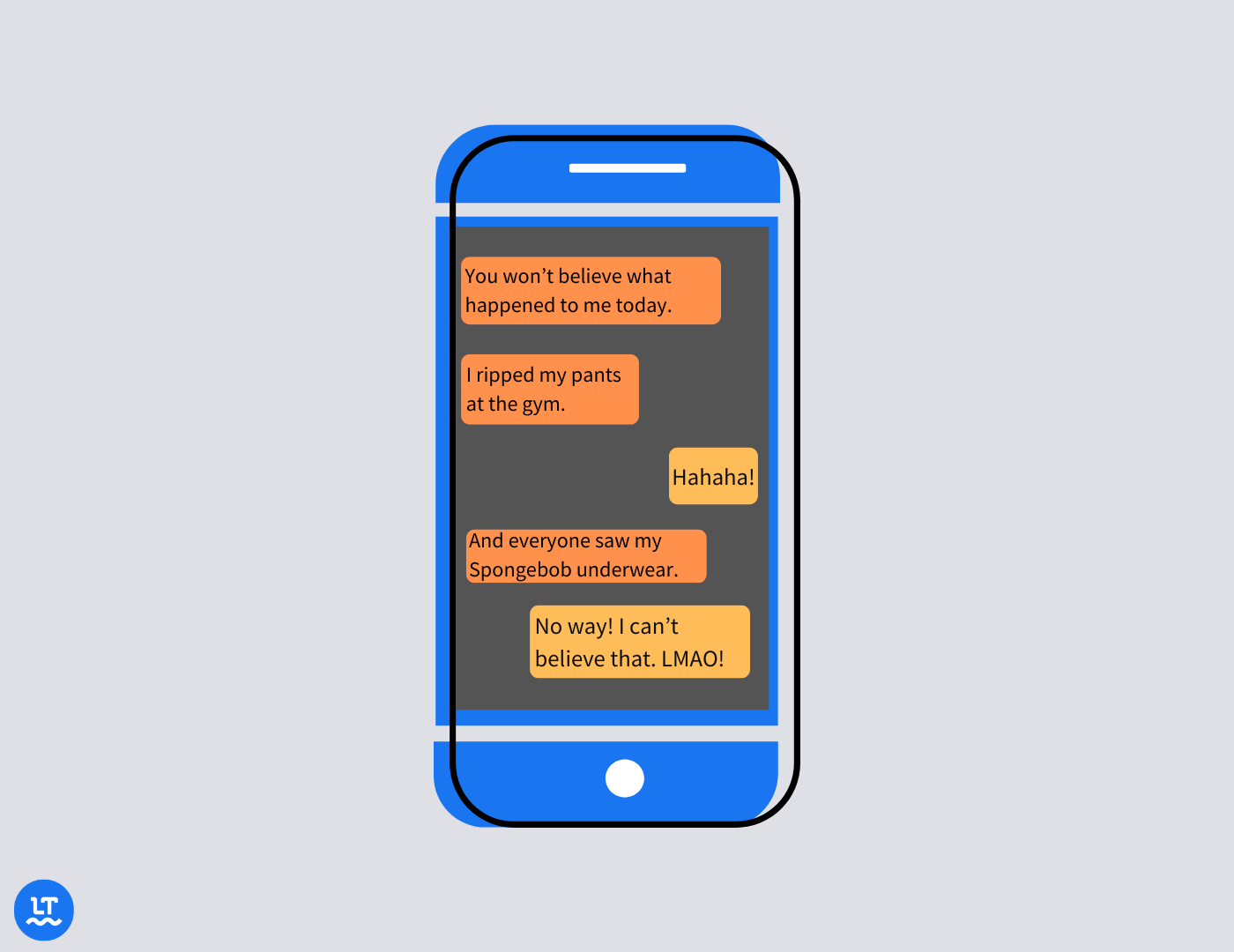
- Standalone reaction:User A: "I just dropped my toast, and it landed butter-side up on my dog's back."User B: "Lmao"
- Sentence opener (setting tone):"Lmao I completely forgot today was Sunday."
- Trailing modifier (softening a statement):"I tried making sourdough bread again and made a brick lmao."
Pragmatic Functions Beyond Laughter
In modern text syntax, lowercase lmao often carries conversational meanings that have little to do with actual physical laughter:
- Diffusing Tension: Inserting lmao into a critical or direct message reduces perceived hostility (e.g., "That deadline was tight lmao").
- Coping or Disbelief: Users frequently apply lmao to react to absurd, frustrating, or inconvenient real-world events (e.g., "Traffic hasn't moved in two hours lmao").
- Irony and Sarcasm: In dry humor, lmao can acknowledge a situation that is embarrassing or bad rather than genuinely humorous.
Professional Etiquette and Contextual Boundaries
While internet acronyms are ubiquitous in personal communication, applying them in professional settings requires caution.
Workplace Communication Guidelines
The word "ass" contained within the expanded acronym makes LMAO informal and mildly profane. As a result:
- Formal Client Communications and Emails: Avoid using LMAO entirely. Expressing humor in formal emails should be done using written words (e.g., "That is very funny" or "Thank you for the lighthearted update").
- Internal Chat Platforms (Slack, Microsoft Teams): Depending on your organization's internal culture, LMAO may be acceptable in designated off-topic or casual channels (such as
#watercooleror#memes). However, using standard emojis (such as the laughing emoji 😂) is generally preferred over acronyms containing minor profanity. - Academic and Technical Writing: Academic publications, whitepapers, and technical documentation prohibit internet shorthand unless analyzing linguistics or internet culture directly.
Frequently Asked Questions
Is LMAO considered bad language or a curse word?
LMAO contains the word "ass," which is considered mild slang or light profanity in English. While it is rarely seen as offensive in casual conversations among adults, it may be restricted in schools, child-friendly platforms, or formal workplace communications.
What is the main difference between LOL and LMAO?
LOL ("Laughing Out Loud") indicates general or mild amusement, whereas LMAO ("Laughing My Ass Off") signifies a stronger level of laughter. In practical conversation, LMAO suggests that the recipient found the content significantly funnier than a simple LOL reaction.
How do people pronounce LMAO in spoken conversation?
When spoken aloud, LMAO is typically pronounced either by spelling out the individual letters ("el-em-ay-oh") or phonetically as a single word ("el-mah-oh"). However, acronyms like LMAO are primarily designed for written digital text and are less common in formal verbal speech.
What does LMAO mean in gaming text chat?
In multiplayer video games, players type LMAO to react to funny in-game moments, accidental blunders, unscripted physics glitches, or lighthearted banter between teammates and opponents.
Is LMAO acceptable in professional Slack or Teams channels?
In most professional settings, LMAO is discouraged because it contains mild profanity. Standard workplace chat platforms favor emojis or cleaner shorthand like LOL when acknowledging humor in casual work channels.
Practical Recommendations
When deciding whether to use LMAO in your digital communications, consider the following quick guidelines:
- Assess the Audience: Keep LMAO for friends, peers, online gaming buddies, and informal social media interactions. Avoid using it with managers, clients, or professional acquaintances.
- Match the Tone: Use lowercase
lmaofor casual, relaxed commentary or self-deprecating humor. Use uppercaseLMAOor extended versions (lmaooo) when reacting to content that genuinely made you laugh. - Opt for Emojis at Work: If you want to show amusement in professional messaging tools like Slack or Teams without using profanity, replace LMAO with standard laughing emojis or brief written responses.
Image Gallery