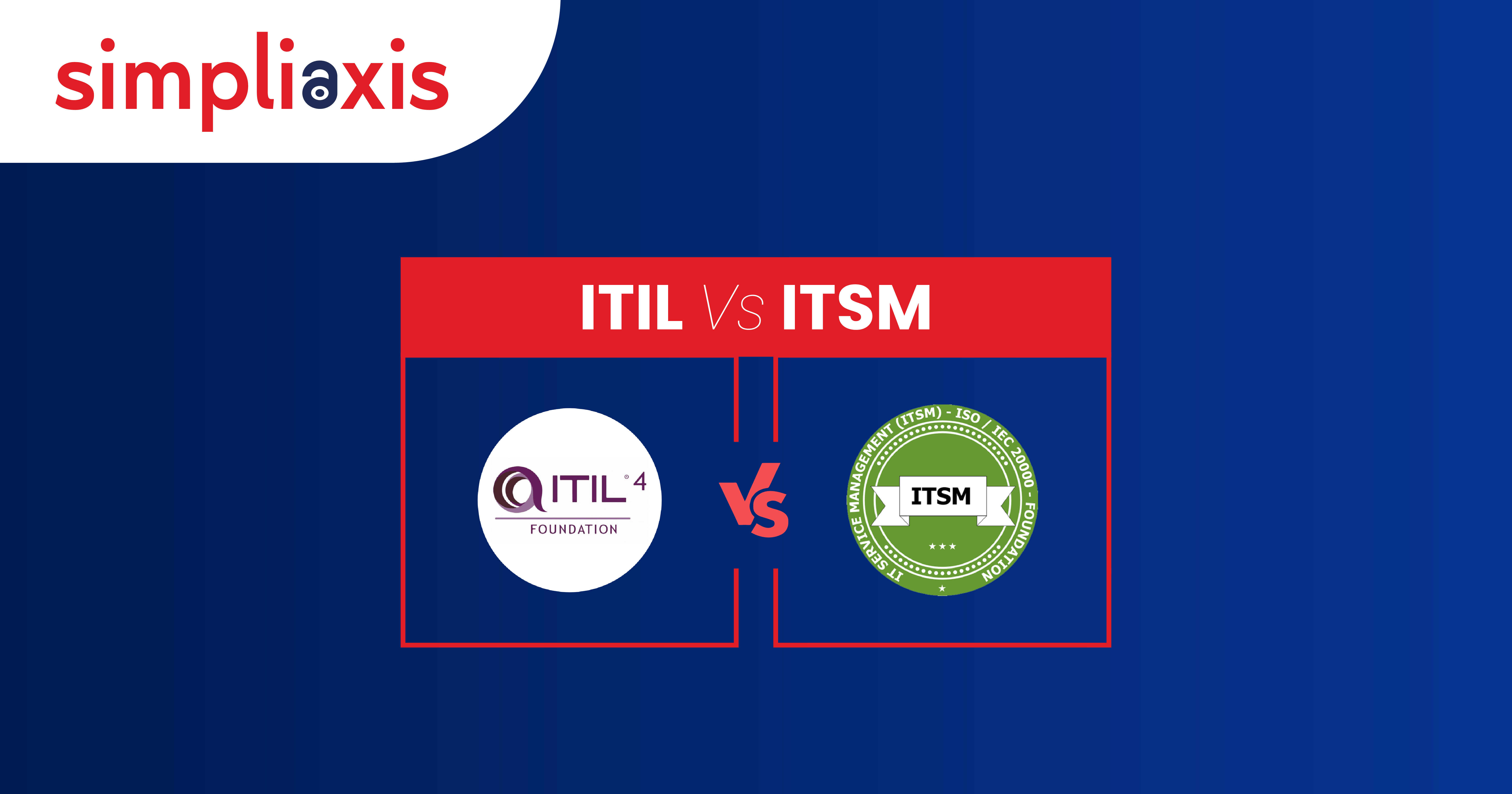
ITIL and ITSM: Defining Their Roles in Service Management
IT Service Management (ITSM) is the overall discipline of planning, delivering, managing, and improving how information technology is used within an enterprise. The Information Technology Infrastructure Library (ITIL) is a standardized...
IT Service Management (ITSM) is the overall discipline of planning, delivering, managing, and improving how information technology is used within an enterprise. The Information Technology Infrastructure Library (ITIL) is a standardized, globally recognized framework of best practices that guides how organizations implement and execute ITSM.
Contents
Understanding ITSM vs. ITIL: The Fundamental Distinction
In enterprise technology management, the terms ITSM (IT Service Management) and ITIL (Information Technology Infrastructure Library) are frequently used together, leading to common confusion about where one ends and the other begins. Understanding their distinct scopes is essential for enterprise architects, service delivery managers, and CIOs aiming to modernize operations.
- IT SERVICE MANAGEMENT (ITSM): The overarching discipline, philosophy, and organizational capability for delivering IT services aligned with business needs.
- ITIL FRAMEWORK (ITIL 4): A standardized library of best practices, principles, and practices that provides actionable guidance for ITSM.
What Is ITSM?
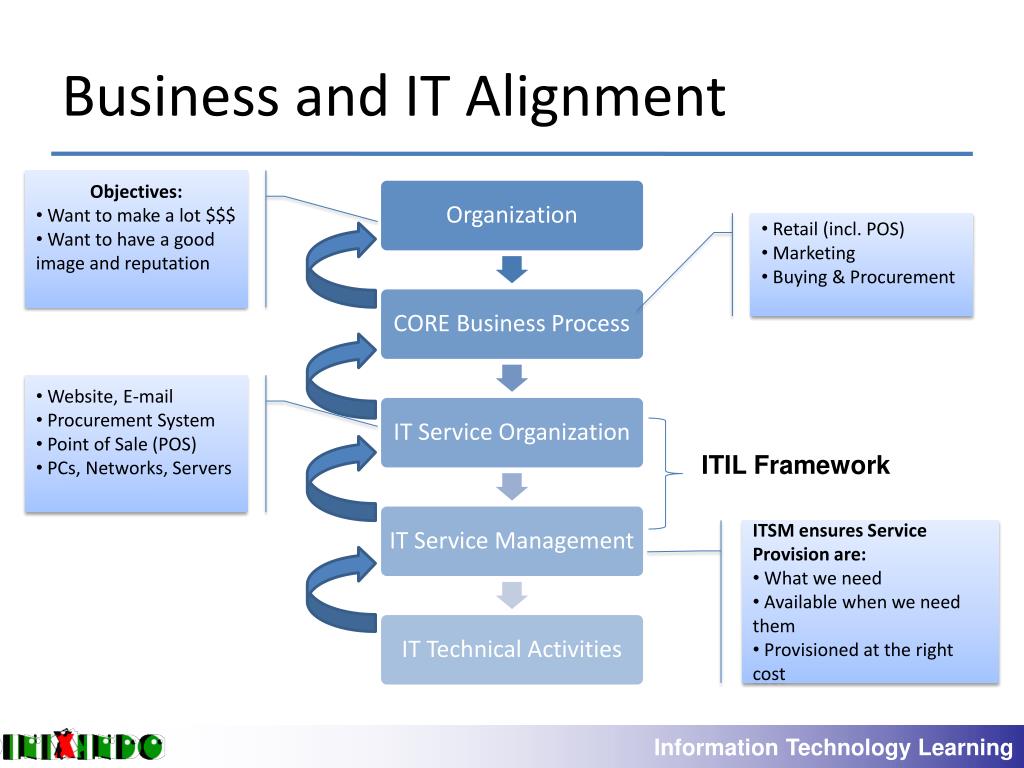
IT Service Management is the macro-level discipline, organizational philosophy, and operational dynamic that governs how an enterprise designs, builds, delivers, supports, and manages IT services for its internal employees or external clients. Rather than viewing IT as a collection of isolated technical assets—such as servers, databases, or cloud instances—ITSM frames technology as a set of end-to-end business services.
ITSM encompasses everything required to manage these services throughout their operational life, including:
- Organizational culture, staff skills, and team structures.
- Workflow processes and operational procedures.
- Supporting technology stacks (such as service desk platforms and monitoring systems).
- Vendor agreements and third-party partner integration.
What Is ITIL?
ITIL is a specific, structured framework created to guide organizations in conducting ITSM effectively. Owned and administered globally by PeopleCert, ITIL offers structured publications, training certifications, and standardized terminology.
If ITSM is the destination—delivering reliable, business-aligned IT capabilities—ITIL provides the proven blueprint, roadmap, and practical recommendations to reach that goal. An organization practices ITSM simply by operating an IT department that services business units; however, it adopts ITIL to structure those service operations around validated industry standards.
The Core Elements of Information Technology Service Management
ITSM shifts the IT department's role from a reactive technical support unit to a strategic business enabler. To achieve this shift, modern ITSM rests on four core pillars, often referred to in service design as the "Four Ps": People, Processes, Products (Technology), and Partners.
- 4 Pillars of ITSM
- People
- Processes
- Products (Tech)
- Partners (Vendors)
| Core ITSM Functional Areas | Description |
|---|---|
| Service Desk | Single point of contact for users |
| Incident Management | Unplanned outage restore & recovery |
| Problem Management | Root-cause analysis & prevention |
| Change Enablement | Risk-managed deployment of changes |
| Service Request Mgmt | Standardized access to IT resources |
Primary Objectives of ITSM
- Business Alignment: Ensuring every deployed technology service directly supports a tangible enterprise objective or customer revenue stream.
- Operational Efficiency: Reducing repetitive manual labor, streamling approval gates, and eliminating redundant technical workflows.
- Service Availability and Quality: Minimizing unplanned downtime, establishing clear Service Level Agreements (SLAs), and optimizing application performance.
- Cost Governance: Providing transparent financial visibility into the total cost of ownership (TCO) for enterprise IT applications and infrastructure.
- Risk Mitigation: Managing security exposures, operational vulnerabilities, and compliance requirements associated with technology changes.
Core ITSM Workflows and Functions
Regardless of whether an enterprise adopts ITIL, COBIT, or a customized internal operational model, functional ITSM generally requires several baseline capability areas:
- Service Desk: The single point of contact (SPOC) between the service provider and internal or external users for technical requests and operational disruptions.
- Incident Management: The operational focus on restoring normal service operation as quickly as possible following an unplanned disruption, minimizing adverse business impact.
- Problem Management: The analytical discipline of identifying the underlying root causes of recurring incidents and introducing permanent workarounds or fixes.
- Change Enablement (or Change Management): The risk assessment and governance structure designed to ensure that modifications to IT infrastructure and applications are deployed smoothly without disrupting ongoing operations.
- Service Request Management: The handling of standardized, user-initiated requests for access, devices, software licenses, or information resets.
The Evolution and Structure of the ITIL Framework
ITIL originated in the late 1980s under the Central Computer and Telecommunications Agency (CCTA)—later the Office of Government Commerce (OGC)—in the United Kingdom. Its purpose was to standardize IT service delivery across government bodies. Over decades, ITIL evolved from a set of regional public-sector manuals into the premier global standard for commercial IT service management.
| Version | Core Focus & Structural Model |
|---|---|
| ITIL v1 (1989) | Government standard; dozens of technical books |
| ITIL v2 (2000) | Modular structure focusing on Service Support/Delivery |
| ITIL v3 (2007) | Service Lifecycle model (5 distinct phases) |
| ITIL 4 (2019+) | Service Value System (SVS), 7 Guiding Principles, 34 Practices, Agile/DevOps integration |
ITIL v3: The Service Lifecycle Approach
Published in 2007 and updated in 2011, ITIL v3 organized service management around a rigid 5-stage Service Lifecycle:
- Service Strategy: Defining business objectives, customer requirements, and portfolio management.
- Service Design: Designing architecture, processes, policies, and documentation to meet strategic goals.
- Service Transition: Building, testing, and deploying services into operational environments.
- Service Operation: Day-to-day management, incident resolution, and operational support.
- Continual Service Improvement (CSI): Identifying and executing incremental performance enhancements.
While ITIL v3 established systematic operational rigor, modern digital enterprises often found its phase-gated structure overly linear and slow to adapt to rapid software development cycles.
ITIL 4: The Modern Service Value System (SVS)
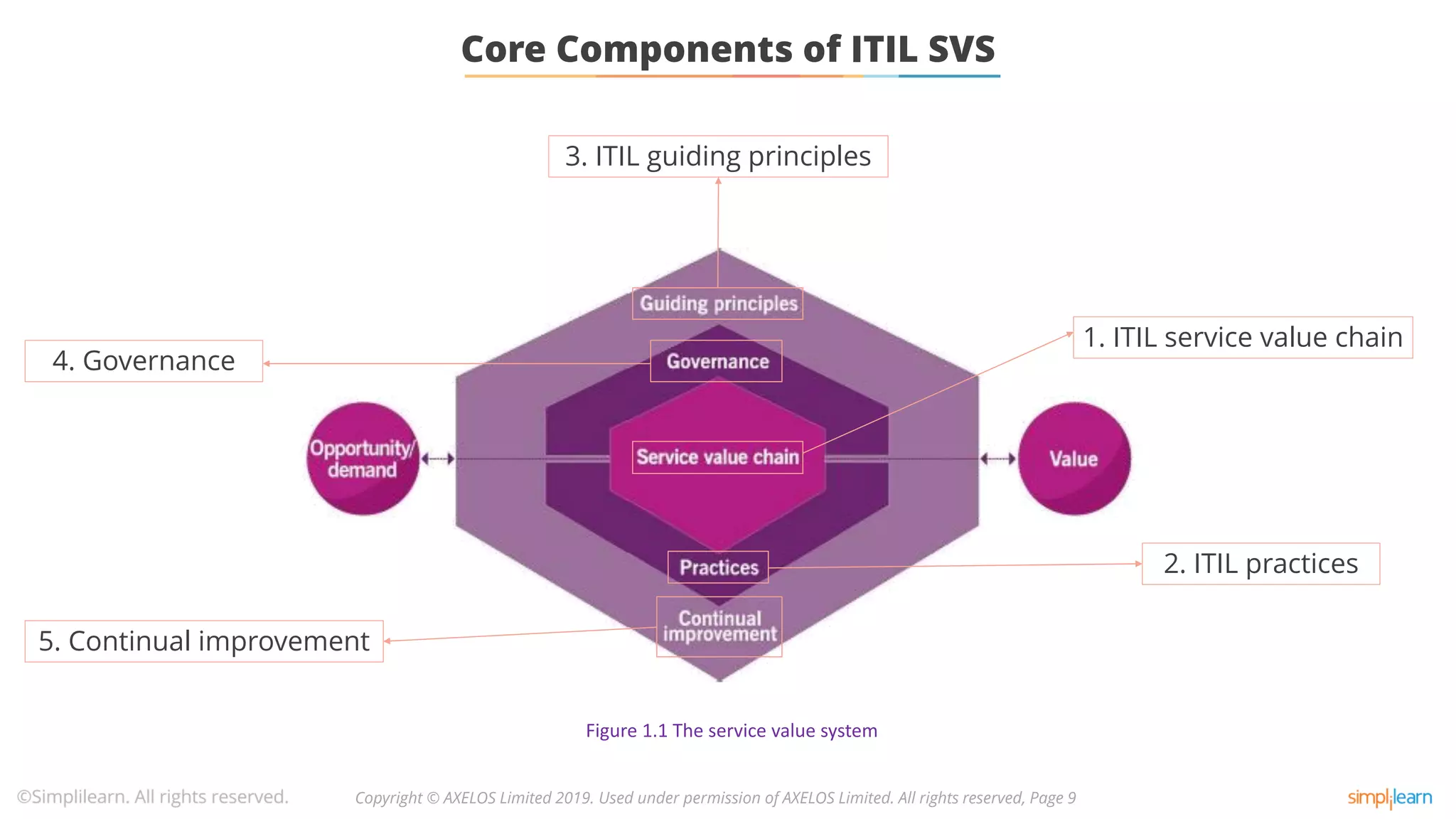
Released initially in 2019 and fully established as the industry standard, ITIL 4 reframed IT service management for digital transformation, cloud infrastructure, and modern software engineering practices. ITIL 4 moves away from rigid lifecycles, replacing them with the Service Value System (SVS) and the Service Value Chain (SVC).
The ITIL 4 SVS describes how all components and activities of an organization work together as a system to enable value creation. Key elements of ITIL 4 include:
The 7 ITIL Guiding Principles
- Focus on Value: Every activity must link directly or indirectly to business or customer value.
- Start Where You Are: Assess current capabilities; do not scrap working systems to start over unnecessarily.
- Progress Iteratively with Feedback: Break initiatives into manageable units and continuously evaluate outcomes.
- Collaborate and Promote Visibility: Break down departmental silos and share information transparently across teams.
- Think and Work Holistically: Recognize that service outcomes depend on complex, integrated organizational networks.
- Keep It Simple and Practical: Eliminate unnecessary steps, process bottlenecks, and overly complex documentation.
- Optimize and Automate: Use human resources only where they add real strategic value, automating routine operational tasks.
The Shift from "Processes" to "Practices"
ITIL 4 expanded the scope of execution by transitioning from ITIL v3's 26 processes to 34 Management Practices. A practice is defined as a set of organizational resources designed for performing work or accomplishing an objective. These 34 practices are divided into three streams:
- General Management Practices (e.g., Continual Improvement, Risk Management, Architecture Management).
- Service Management Practices (e.g., Incident Management, Change Enablement, Service Desk, Release Management).
- Technical Management Practices (e.g., Deployment Management, Infrastructure and Platform Management, Software Development).
Detailed Comparison: ITSM vs. ITIL Characteristics
To understand how ITSM and ITIL function together, it helps to analyze their structural, conceptual, and operational differences side-by-side.
| Operational Aspect | IT Service Management (ITSM) | ITIL Framework (ITIL 4) |
|---|---|---|
| Primary Definition | The complete organizational discipline and daily operational practice of managing technology as a service. | A specific, proprietary framework offering global guidelines, practices, and vocabulary for implementing ITSM. |
| Scope & Boundaries | Broad and open-ended; incorporates culture, organizational design, business strategy, enterprise tools, and vendor relations. | Defined within public structural frameworks (Service Value System, Guiding Principles, 34 Practices). |
| Governance & Ownership | Internal enterprise leadership (CIO, CTO, VPs of Infrastructure, Operations Leads). | Owned and intellectual property-protected globally by PeopleCert. |
| Adaptability & Flexibility | Highly customized to fit specific corporate needs, industries, regulatory environments, and sizes. | Flexible guidance designed to be adapted ("adopt and adapt"), but governed by specific certification standards. |
| Execution Focus | What an organization does daily to operate, secure, and deliver IT services to its stakeholders. | How an organization can structure its operational capabilities using tested, standardized industry guidance. |
| Certification / Audit | Certified through enterprise frameworks like ISO/IEC 20000 (organization-level certification). | Certified at the individual practitioner level (e.g., ITIL Foundation, Managing Professional, Strategic Leader, Master). |
| Relationship to Other Tools | Can integrate any management framework, including COBIT, Agile, Lean, and DevOps. | Built to coexist with Agile, DevOps, and Lean, providing governance without impeding iteration speed. |
How ITIL Complements Other ITSM Frameworks and Standards
While ITIL is the most widely adopted ITSM framework globally, it does not exist in isolation. Modern enterprise IT environments frequently integrate ITIL with complementary frameworks to address specific governance, development, or quality management goals.
- ENTERPRISE IT FRAMEWORK ECOSYSTEM
- ISO/IEC 20000: Enterprise Certification & Quality Audits
- COBIT: Enterprise IT Governance & Risk Compliance
- DevOps / Agile: Fast, Iterative Software Delivery
- ITIL 4: Service Value Co-Creation & ITSM Execution
ISO/IEC 20000
ISO/IEC 20000 is the international standard for IT service management. While ITIL provides descriptive best practices (recommendations on what an organization should do), ISO/IEC 20000 provides prescriptive requirements (what an organization must do to achieve formal audit certification). Organizations frequently use ITIL practices to build the workflows required to earn ISO/IEC 20000 compliance.
COBIT (Control Objectives for Information and Related Technologies)
Maintained by ISACA, COBIT focuses on enterprise IT governance, risk management, and regulatory compliance. Where ITIL emphasizes service delivery and operational value streams, COBIT provides strategic guidance on alignment, risk tolerance, and auditing oversight. Modern enterprises often use COBIT for top-down executive governance and ITIL for bottom-up operational delivery.
Agile and DevOps
Historically, rigid implementations of legacy ITIL (such as ITIL v3 phase gates) were perceived as conflicting with Agile development and DevOps automation. ITIL 4 resolves this tension by aligning its practices directly with modern continuous integration and deployment (CI/CD) pipelines. For example, in ITIL 4, Change Enablement emphasizes automating low-risk standard changes within automated CI/CD tooling, reserving manual review only for high-risk modifications.
Implementing ITIL within an ITSM Strategy: Practical Roadmap
Adopting ITIL within an enterprise ITSM program requires a structured approach. Attempting to deploy all 34 ITIL practices simultaneously can overwhelm operational teams and create unnecessary bureaucratic friction.
- Step 1: Baseline Assessment & Maturity Mapping
- Step 2: Executive Alignment & Value Definition
- Step 3: Select & Tailor Target ITIL Practices
- Step 4: Platform Selection & Workflow Automation
- Step 5: Measure, Iterate, & Continual Improvement
Step 1: Baseline Assessment and Capability Mapping
Begin by auditing current operational workflows using the ITIL principle Start Where You Are. Identify existing support capabilities, document shadow processes, and establish baseline performance metrics, such as Mean Time to Resolution (MTTR), First Contact Resolution (FCR) rate, and Change Failure Rate (CFR).
Step 2: Executive Alignment and Value Definition
Define the business goals driving ITSM modernization. Are you seeking to reduce operational downtime, accelerate time-to-market for enterprise software, lower cloud resource consumption, or improve employee satisfaction ratings? Ensure executive sponsors and operational teams share a common definition of "value."
Step 3: Select and Tailor Priority ITIL Practices
Select a focused set of high-impact ITIL practices based on identified operational gaps. Most enterprises begin with foundational capabilities:
- Service Desk to establish clean communication channels.
- Incident Management to systematically triage and resolve outages.
- Service Request Management to catalog and automate routine provisioning.
- Change Enablement to reduce deployment-related outages.
Adapt every practice to your culture—do not adopt processes simply because they exist in a framework manual.
Step 4: Tooling Selection and Automation
Translate tailored workflows into modern enterprise ITSM platforms (e.g., ServiceNow, Jira Service Management, BMC Helix, or Freshservice). Configure system routing rules, auto-assignment triggers, self-service portals, and service level targets. Automate recurring tasks such as password resets and routine software provisioning to save operational bandwidth.
Step 5: Establish Metrics and Continual Improvement
Set up operational dashboards to track Key Performance Indicators (KPIs) and business outcomes. Establish a formal Continual Improvement Register (CIR)—an ITIL tool used to record, prioritize, and track performance improvement opportunities across the business.
Common Pitfalls to Avoid in ITIL and ITSM Deployments
Even well-funded digital transformation projects can falter if ITIL is misapplied within an ITSM environment. Organizations should watch for three major implementation traps:
- Treating ITIL as a Dogmatic Rulebook: ITIL is explicitly designed as a framework to be "adopted and adapted," not rigid compliance law. Over-engineering simple workflows with excessive approvals and mandatory form fields creates administrative friction, encouraging teams to bypass ITSM systems entirely.
- Confusing Tool Deployment with Capability Building: Purchasing and installing a leading ITSM software platform does not mean an enterprise has successfully implemented ITIL. Software platforms are operational enablers; they require well-designed practices, trained personnel, and effective governance to deliver business value.
- Working in Symmetrical Silos: Setting up isolated operational teams—such as a Problem Management team that rarely communicates with Software Engineering or Service Desk personnel—reintroduces organizational silos. ITIL 4 emphasizes cross-functional value streams that require continuous communication across departments.
Frequently Asked Questions
Can an enterprise implement ITSM without using ITIL?
Yes. ITSM is a general management discipline, while ITIL is one specific framework used to implement it. An enterprise can build an effective ITSM operational strategy using internal customized practices or alternative standards like ISO/IEC 20000, COBIT, or customized Lean IT models. However, using ITIL provides a field-tested blueprint and universal vocabulary that simplifies vendor integration, tool setup, and hiring.
Is ITIL v3 still valid, or must organizations migrate to ITIL 4?
While the fundamental principles of ITIL v3 remain historically useful, PeopleCert has formally retired legacy ITIL v3 exams and documentation in favor of ITIL 4. Organizations using legacy ITIL v3 models should update their capabilities to ITIL 4 to better support modern cloud infrastructure, serverless architectures, DevOps workflows, and modern enterprise software practices.
What is the difference between an ITSM platform and the ITIL framework?
An ITSM platform (such as ServiceNow, Jira Service Management, or BMC Helix) is the software technology stack used to automate support tickets, store asset data, track changes, and manage service requests. ITIL is the human framework of guidelines, principles, and strategic workflows that dictates how those tools should be configured and used by people across the enterprise.
How does ITIL 4 handle DevOps and continuous delivery pipelines?
ITIL 4 integrates directly with DevOps environments by viewing deployment activities through value streams. Rather than requiring manual change advisory boards (CABs) for every software build, ITIL 4 encourages automated testing, continuous integration, pre-approved standard changes, and automated deployment management, reserving manual review only for high-risk modifications.
Who owns ITIL, and how do individual certifications work?
ITIL is owned and administered globally by PeopleCert. Individuals earn ITIL credentials by completing training courses and passing standardized exams administered through accredited training organizations (ATOs). Certifications progress along clear pathways from ITIL Foundation up to ITIL Managing Professional, ITIL Strategic Leader, and ITIL Master designations.
Next Steps for Service Delivery Leaders
To successfully align ITIL practices with your organization's ITSM goals, consider these initial action items:
- Perform a Gap Analysis: Benchmark your team's current incident, problem, and change capabilities against the ITIL 4 Service Value Chain model to highlight operational friction points.
- Train Key Staff: Upskill core operational managers, product owners, and service desk leads with ITIL 4 Foundation certifications to establish a common language and understanding across teams.
- Audit Your Tooling Stack: Review your enterprise ITSM software configuration to eliminate unnecessary manual approval gates, unread form fields, and redundant steps.
- Build a Continual Improvement Register: Launch a central repository to log operational pain points, score them by business impact, and systematically resolve them using iterative improvements.
Image Gallery