A Body for Everybody: The Complete Guide to Inclusive Movement, Body Neutrality, and Adaptive Fitness
"A body for everybody" is an inclusive movement and health paradigm asserting that all physical forms—regardless of size, age, mobility level, chronic condition, or neurodivergence—deserve safe, dignified, and accessible participation...
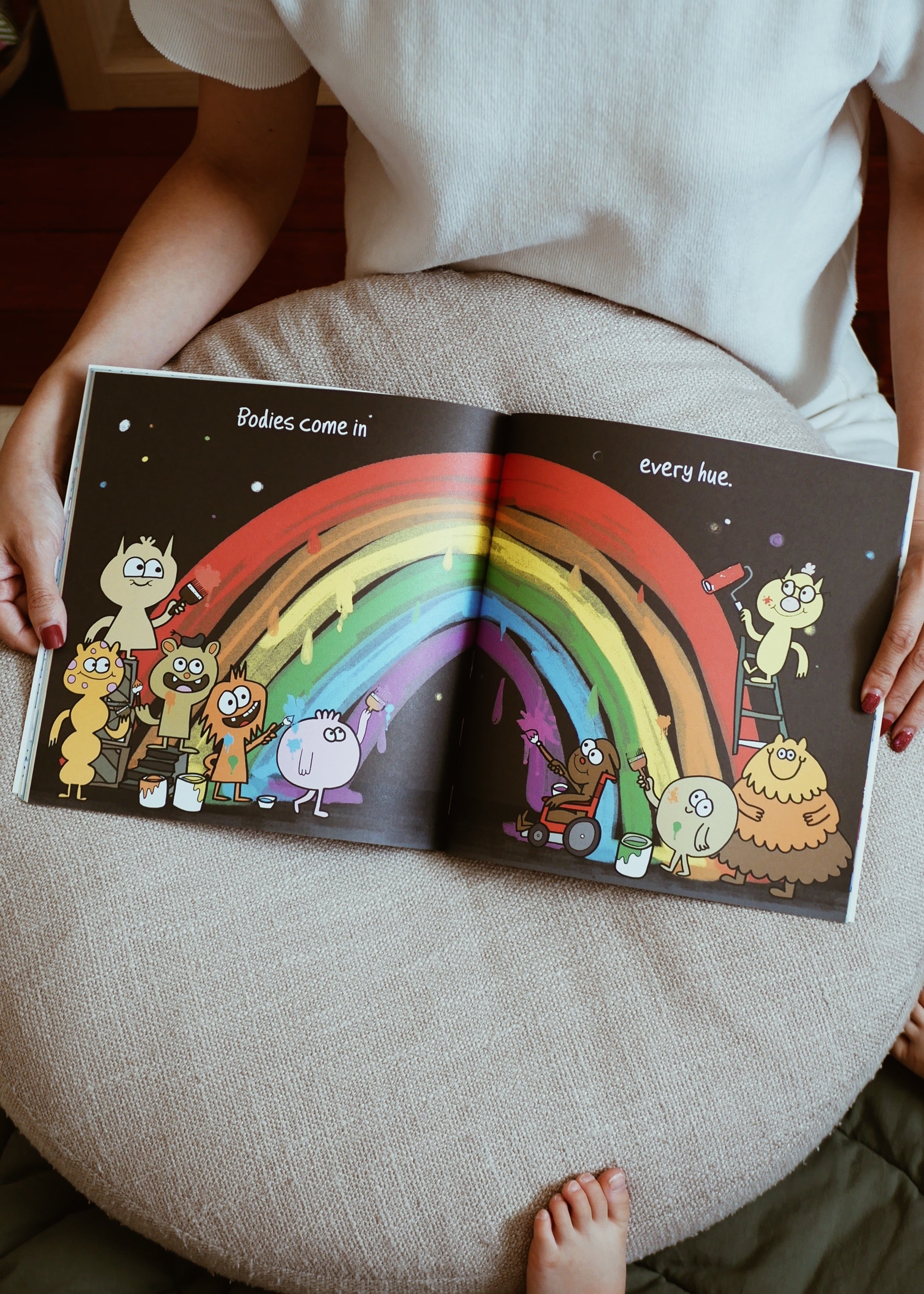
"A body for everybody" is an inclusive movement and health paradigm asserting that all physical forms—regardless of size, age, mobility level, chronic condition, or neurodivergence—deserve safe, dignified, and accessible participation in physical activity. It replaces restrictive aesthetic standards with functional adaptability, personalized ergonomics, body neutrality, and training protocols customized to individual physiological needs.
Contents
The Inclusive Movement Paradigm
- Bio-Individuality: Customizing movement to match unique joint leverage
- Body Neutrality: Prioritizing physical capability over aesthetic appearance
- Adaptive Ergonomics: Modifying equipment & load to protect joint health
- Universal Access: Removing physical, sensory, and cultural barriers
Deconstructing the "Body for Everybody" Paradigm
For decades, commercial fitness and wellness cultures operated under a narrow framework: physical exercise was presented primarily as a tool for aesthetic alteration, weight loss, or achieving a homogenized physical ideal. This model frequently excluded individuals with chronic illnesses, larger body sizes, physical disabilities, mobility limitations, or sensory processing differences.
The modern paradigm of "a body for everybody" fundamentally shifts this dynamic. It intersects movement science, physical therapy, occupational health, and human-centered design to ensure physical activity is accessible and beneficial to every human being.
- Traditional Fitness Culture
- Focus: Aesthetics
- Standardized Drills
- "No Pain, No Gain"
- One-Size-Fits-All
- Inclusive Movement Paradigm
- Focus: Function & Well-being
- Adaptive Modifications
- Autoregulated Pacing
- Bio-Individual Design
Key Conceptual Pillars
- Bio-Individuality: No two human skeletons share identical bone lengths, joint socket depths, or tendon insertions. Exercise prescription must accommodate individual anatomical variations rather than forcing bodies into rigid, standardized movement paths.
- Body Neutrality: Unlike body positivity—which encourages loving one's physical appearance—body neutrality focuses on respect for what the body does rather than how it looks. Physical movement is pursued for pain relief, cardiovascular health, mental clarity, functional strength, and joy.
- Adaptive Accessibility: Modifying tools, environments, and instruction methods so individuals with permanent physical impairments or temporary injuries can exercise effectively without risk of trauma or strain.
- Psychological Safety: Creating environments free from weight stigma, ageism, and hyper-competitive posturing, allowing participants to move without fear of judgment.
Anatomical and Biomechanical Foundations
Standardized exercise guidelines often fail because human anatomy varies significantly across populations. Applying a universal form requirement to exercises like the back squat, overhead press, or push-up can lead to joint impingement or lumbar strain if structural variations are ignored.
Femoral Neck Angle Variations
- Steep Angle (Coxa Valga): Narrow Stance Squat
- Normal Angle: Standard Stance
- Shallow Angle (Coxa Vara): Wide Stance Squat
Bone Structure and Lever Lengths
- Femoral Neck Angle and Acetabular Depth: The depth and orientation of the hip socket determine how deep an individual can squat without spinal flexion (butt wink). Individuals with deep, forward-facing sockets require a wider stance and outward toe flare, whereas those with shallow sockets can squat narrow with deep hip flexion.
- Torso-to-Limb Ratios: Someone with long legs and a short torso experiences significantly greater lever torque on the lumbar spine during a conventional deadlift compared to someone with a long torso and short legs. Adapting the movement to a trap bar deadlift or elevated block pull levels the biomechanical field.
- Glenohumeral Mobility: Overhead pressing movements require full scapular rotation and thoracic extension. For individuals with structural shoulder impingement or reduced thoracic mobility, landmine presses or incline dumbbell presses offer safer, pain-free alternatives.
Framework Comparison: Movement Philosophies
The following table contrasts traditional exercise paradigms with inclusive, body-neutral, and adaptive movement models across core operational criteria.
| Operational Parameter | Traditional Commercial Fitness | Body-Neutral Movement | Adaptive Physical Culture | Clinical Physical Therapy |
|---|---|---|---|---|
| Primary Goal | Body composition change, aesthetic optimization, maximum load | Functional independence, health maintenance, stress reduction | Equal participation, mobility restoration, sport accessibility | Rehabilitation of acute injury, pain reduction, tissue healing |
| Metric of Success | Weight lost, muscle gained, personal records set | Consistency, energy levels, pain-free movement, mood elevation | Improved quality of life, autonomous movement, skill gain | Restored range of motion, return to baseline function |
| Exercise Customization | Minimal; standard movement templates enforced | Moderate; self-selected range of motion and load | High; specialized equipment and posture modifications used | Extreme; clinically prescribed exercises targeted to micro-structures |
| Equipment Design | Rigid machine dimensions, standard barbell weights | Adjustable resistance, bands, bodyweight, multi-grip implements | Wheelchair-accessible rigs, harnesses, gripping aids, seated options | Balance beams, therapy bands, foam wedges, goniometers |
| Target Demographic | Able-bodied, young-to-middle-aged general population | All body types, ages, fitness backgrounds, and neurotypes | Individuals with physical disabilities, sensory differences, or impairments | Patients recovering from trauma, surgery, or acute medical conditions |
Step-by-Step Implementation: Building an Inclusive Practice
Designing an inclusive movement routine—whether for personal use, a fitness facility, or a corporate wellness initiative—requires a structured, empathetic methodology.
- STEP 1: Baseline Functional Screen & Need Assessment
- STEP 2: Environmental Adaptation & Equipment Setup
- STEP 3: Variable Movement Prescription & Autoregulation
- STEP 4: Progress Tracking via Non-Scale Metrics
Step 1: Baseline Assessment of Functional Mobility and Comfort
Before starting any exercise regimen, evaluate active range of motion, joint comfort, and sensory preferences. Avoid using standard fitness assessments that assign numerical scores based on able-bodied benchmarks.
- Screening Range of Motion: Assess key movement patterns—hinging, pushing, pulling, carrying, and rotating—using bodyweight or light resistance bands. Identify any ranges that provoke sharp pain, pinching, or joint instability.
- Rating of Perceived Exertion (RPE): Utilize RPE scales (ranging from 1 to 10 based on breathlessness and muscular fatigue) rather than rigid heart-rate zones or weight percentages. This allows for daily adjustment based on sleep quality, pain levels, or illness flare-ups.
Step 2: Equipment and Environmental Adaptation
Modify the physical environment to accommodate varied body shapes, heights, and physical capabilities.
- Seated and Supported Options: Replace standing exercises with seated or wall-supported variations when balance or fatigue is a factor (e.g., seated overhead dumbbell press or wall slides).
- Grip Aids and Resistance Bands: Use thick-grip attachments, wrist straps, or continuous loop resistance bands for individuals with arthritis, joint hypermobility, or reduced grip strength.
- Sensory Adjustments: Offer quiet training areas, reduce harsh overhead lighting, and minimize background audio for neurodivergent participants prone to sensory overload.
Step 3: Customizing Load, Range, and Velocity
Incorporate principles of progressive overload while protecting joint structures.
- Standard Deadlift
- Does hip depth cause spinal flexion?
- NO: Perform Standard Deadlift
- YES: Elevate Bar onto Blocks
- Does grip strength limit performance?
- NO: Continue Block Pulls
- YES: Use Lifting Straps or Trap Bar
- Does grip strength limit performance?
- Does hip depth cause spinal flexion?
- Autoregulation: Allow participants to increase or decrease training volume based on how their body feels on a given day. On low-energy or high-pain days, reduce total sets while maintaining movement quality.
- Partial Range Options: Recognize that full range of motion is not universally beneficial. A floor press stopping short of extreme shoulder extension can provide excellent chest and triceps engagement without stressing the anterior shoulder capsule.
Step 4: Measuring Progress Through Functional Metrics
Track outcomes using indicators independent of body weight, body fat percentage, or external appearance. Focus on:
- Stamina: Increased endurance during daily activities like climbing stairs or carrying groceries.
- Pain Reduction: Decreased frequency or severity of joint stiffness and muscular aches.
- Sleep Quality and Mood: Improved sleep latency and lower perceived daily stress.
- Balance and Coordination: Enhanced stability when navigating uneven terrain.
Workplace and Institutional Accessibility
Applying "a body for everybody" principles to office design, educational institutions, and public health facilities reduces occupational injuries and promotes long-term musculoskeletal wellness.
Universal Workspace Design
- Dual-Monitor Arm: Adjustable for sitting or standing eye levels
- Electric Desk: Range: 22" to 48" height capacity
- Ergonomic Mesh Chair: Dynamic lumbar support & 4D armrests
- Footrest Module: Angle-adjustable base for pelvic alignment
Ergonomic Standards in Corporate Settings
Occupational health guidelines emphasize dynamic movement and adjustable physical setups to minimize repetitive strain injuries (RSIs) and sedentary fatigue.
- Adjustable Desk Height: Workstations should accommodate both seated and standing positions, with electric sit-stand desks offering a height range of 22 to 48 inches to support diverse statures.
- Dynamic Seating: Office seating must provide dynamic lumbar support, adjustable armrests (width, height, and pivot), and seat-depth sliding mechanisms to avoid pressure behind the knees.
- Inclusive Facility Layouts: Pathways between workspaces, gym equipment, and restrooms must remain clear of obstructions, adhering to accessible design standards (minimum 36-inch clearance for wheelchair navigation).
Common Challenges and Troubleshooting
Transitioning to an inclusive movement model can present practical and psychological hurdles. The following table provides actionable strategies for common operational challenges.
| Challenge | Immediate Actionable Solution |
|---|---|
| Gym Anxiety & Fear of Judgment | • Utilize off-peak facility hours.• Partner with a body-neutral trainer.• Focus on simple home-based band workouts. |
| Chronic Fatigue / Spoon Theory Limits | • Implement "Pacing" via the 50% Rule.• Break exercise into 3-minute mini-sessions.• Prioritize gentle mobility over high intensity |
| Joint Hypermobility Spectrum Disorders | • Avoid end-range stretching.• Focus on isometric strength exercises.• Use external braces or taping for feedback. |
Navigating Movement Anxiety
Many individuals avoid physical exercise due to past negative experiences in traditional gym environments, fear of injury, or weight-based stigma.
- Solution: Begin with private or home-based routines using basic equipment such as resistance bands, light dumbbells, or stability balls. Establishing baseline physical competence in a familiar space builds confidence before entering communal fitness facilities.
Managing Fluctuating Capacity (Chronic Illness and Pain)
Individuals living with autoimmune diseases, fibromyalgia, or long COVID often experience unpredictable energy fluctuations and symptom flare-ups.
- Solution: Apply energy pacing models. Divide physical activity into short 3- to 5-minute movement sessions distributed throughout the day rather than one continuous 45-minute workout. If post-exertional malaise (PEM) occurs, reduce exercise intensity to gentle, non-strenuous mobility work until recovery stabilizes.
Frequently Asked Questions
What is the primary difference between body positivity and body neutrality in fitness?
Body positivity encourages individuals to love their body's appearance regardless of societal standards. Body neutrality removes aesthetic appearance from the conversation entirely, focusing instead on physical function, health, comfort, and sensory well-being without requiring positive feelings about how one looks.
Can adaptive movement exercises effectively build muscular strength and cardiovascular health?
Yes. Muscular strength and cardiovascular adaptations depend on mechanical tension and heart-rate exertion relative to an individual's baseline, not on the specific complexity or appearance of an exercise. Seated resistance training, arm ergometry, and targeted band exercises create robust physiological adaptations equivalent to traditional standing exercises when effort levels are matched.
How can fitness professionals make their classes accessible to all body types?
Fitness professionals can increase accessibility by offering multi-level options for every exercise pattern without labeling simpler modifications as "regressions" or "beginner versions." They should also avoid shame-based language regarding weight loss or caloric burn, use body-neutral cues that emphasize physical sensations over appearance, and ensure equipment accommodates diverse body sizes and mobility levels.
How does hypermobility impact exercise selection in inclusive movement programs?
Hypermobile individuals have connective tissue that allows joints to extend beyond normal ranges, increasing the risk of joint subluxation and chronic pain. Inclusive movement programs for hypermobility prioritize isometric stabilization, controlled mid-range resistance training, and proprioceptive awareness while avoiding passive, end-range stretching.
What equipment is most useful for a home-based inclusive movement setup?
An effective, accessible home setup includes continuous-loop resistance bands, light-to-medium dumbbells or kettlebells, an adjustable sturdy chair with armrests, yoga blocks for height extension, dynamic cushions for back support, and non-slip mats. These tools allow for hundreds of exercise adaptations without requiring large capital investments or dedicated workout spaces.
Practical Recommendations
To build a sustainable, body-neutral movement habit or transform an existing wellness environment, apply the following phased roadmap:
Month 1: Foundation
- Audit physical space & comfort
- Establish pain-free movement baseline
Month 2: Adaptation
- Test equipment modifications
- Implement RPE-based tracking
Month 3: Integration
- Establish consistent autoregulated routine
- Reassess functional energy & mobility
Perform a Personal Movement Audit: Identify which physical activities bring energy and pain relief, and eliminate exercises that cause acute joint distress, regardless of their popularity in mainstream workout programs.
Prioritize Ergonomic Modifications: Invest in supportive implements such as thick-grip handles, elevated blocks, or sit-stand desks to protect joint health during work and exercise.
Adopt Autoregulated Pacing: Utilize RPE scales to adjust physical intensity dynamically each day, prioritizing long-term consistency over short-term exertion.
Shift Performance Metrics: Stop using body weight or physical appearance as metrics of success. Instead, measure functional independence, energy levels, sleep quality, and daily comfort.
Image Gallery