Why the UHG Fortune 500 Ranking Matters for Data Centers
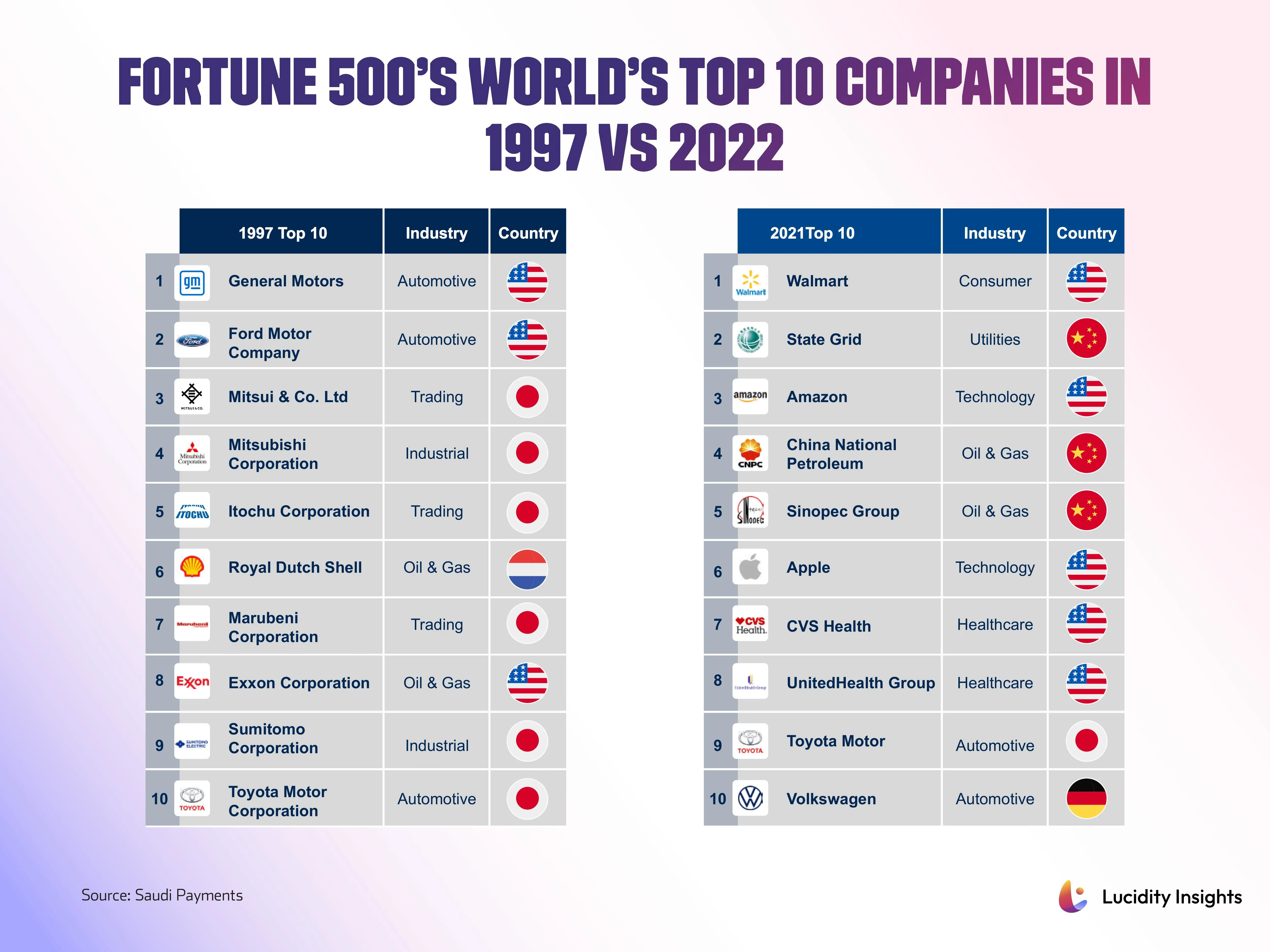
UnitedHealth Group’s (UHG) prominent placement near the top of the Fortune 500 highlights its massive operational scale, directly driving critical demand across the data center industry. As UHG expands its digital health, pharmacy, and...
UnitedHealth Group’s (UHG) prominent placement near the top of the Fortune 500 highlights its massive operational scale, directly driving critical demand across the data center industry. As UHG expands its digital health, pharmacy, and analytics platforms, its requirement for enterprise-grade compute, ultra-resilient hybrid colocation, high-density power, and strict HIPAA compliance shapes standard practices for data center operators nationwide.
Contents
The Scale of UnitedHealth Group and Its Enterprise Data Footprint
UnitedHealth Group consistently ranks among the top five enterprises on the Fortune 500 list. Generating hundreds of billions of dollars in annual revenue, UHG is not merely an insurance carrier; it is a global health technology and services infrastructure power. The organization operates primarily through two major business engines:
- UnitedHealthcare: Providing health benefits and coverage to tens of millions of individuals across commercial, Medicare, and Medicaid segments.
- Optum: Delivering care management, pharmacy benefit services (Optum Rx), clinical operations, and health data analytics (Optum Insight).
This organizational scale creates an unprecedented digital workload. UHG systems process billions of medical claims annually, ingest real-time patient telemetry from connected medical devices, manage prescription transactions across nationwide pharmacy networks, and run complex algorithmic models for population health.
When a corporate entity reaches the top tier of the Fortune 500, its IT infrastructure requirements cease to be standard enterprise IT; they become critical national infrastructure. Consequently, UHG's facility choices, technology stacks, and vendor requirements serve as leading indicators for the broader data center real estate and colocation market.
Infrastructure Demands: Translating Revenue Scale into Data Center Capacity
The financial expansion represented by a high Fortune 500 ranking directly correlates with raw compute, memory, and storage growth. For data center operators, catering to an enterprise of UHG’s size demands technical capabilities far beyond typical commercial leasing.
- UHG Enterprise Data Generation
- UnitedHealthcare (Claims / Admin)
- Optum Tech & AI (Analytics / PHI)
- Data Center Requirements
- High-Density Racks (30-80kW)
- Tier III / IV Redundancy
- Continuous Liquid Cooling
- HIPAA / HITECH Zero Trust
High-Density Compute and AI Workloads
Modern healthcare management relies heavily on predictive machine learning and generative artificial intelligence. UHG uses complex models to detect billing anomalies, predict disease progression, automate prior authorizations, and optimize clinical trials.
These workloads require high-density server configurations—often exceeding 30 to 80 kilowatts (kW) per rack—utilizing advanced graphics processing units (GPUs) and specialized accelerators. Traditional enterprise data centers built for 5 to 10 kW per rack cannot host these deployments without extensive retrofitting. Data center developers must design facilities featuring direct-to-chip liquid cooling or rear-door heat exchangers to satisfy UHG’s compute-dense deployments.
Hybrid Cloud and Distributed Colocation Topology
Despite widespread public cloud adoption across enterprise IT, top-tier healthcare conglomerates rarely rely on a single deployment model. Instead, UHG employs a sophisticated hybrid cloud architecture:
- On-Premises Enterprise Data Centers: Maintained for core proprietary application logic, historical claims databases, and legacy mainframes.
- Third-Party Commercial Colocation: Utilized to expand regional latency footprints, establish carrier-neutral interconnection points, and offload capital expenditures.
- Hyperscale Cloud Providers: Deployed for elastic compute needs, public-facing digital tools, and scalable development environments.
For commercial colocation operators, securing long-term lease agreements with a Fortune 5 enterprise like UHG provides stable cash flow and validates the facility’s structural, power, and connectivity infrastructure for other prospective clients.
Regulatory Compliance and Cyber Resilience in Healthcare Infrastructure
Data center operators serving UHG operate under stringent regulatory and security oversight. Because healthcare data includes Protected Health Information (PHI), physical and digital facility management must comply with rigorous legal frameworks.
Strict Compliance Frameworks
Facilities hosting UHG or Optum hardware must meet or exceed several key operational standards:
- HIPAA Security Rule: Mandatory physical and administrative safeguards under HHS HIPAA guidelines to protect electronic PHI (ePHI).
- HITECH Act: Enhanced penalties and notification rules governing data security breaches and access oversight.
- SOC 2 Type II Audits: Rigorous third-party verification evaluating internal controls across security, availability, processing integrity, confidentiality, and privacy over extended operational windows.
- ISO/IEC 27001: Global standard certification for Information Security Management Systems (ISMS).
Redundancy, Uptime, and Cyber Defense
The financial consequences of system downtime in healthcare extend beyond monetary loss; service interruptions can impair patient care delivery and pharmacy fulfillment nationwide. Consequently, data centers hosting Fortune 5 healthcare workloads demand high reliability, often seeking certification from organizations like the Uptime Institute.
Facilities must provide dual-fed utility power from independent substations, N+1 or 2N generator backup systems, uninterrupted power supply (UPS) topologies, and multi-path fiber connectivity. Following industry-wide cyber events, healthcare leaders prioritize immutable, air-gapped backup storage facilities and multi-region geographic redundancy to ensure rapid recovery from system outages or ransomware threats.
Comparative Analysis: Healthcare Fortune 5 vs. Standard Commercial Workloads
The infrastructure footprint required by an enterprise like UnitedHealth Group differs substantially from generic commercial colocation workloads across several key performance vectors:
| Infrastructure Metric | Standard Enterprise Workload | Fortune 5 Healthcare Enterprise (e.g., UHG) | Data Center Design Impact |
|---|---|---|---|
| Rack Power Density | 5 kW – 12 kW per rack | 30 kW – 80+ kW per rack (AI/Analytics) | Requires liquid cooling loops and reinforced floor load capacity. |
| Target Availability SLA | 99.9% to 99.99% uptime | 99.999% ("Five Nines") Uptime | Mandates 2N electrical redundancy and active-active failover architecture. |
| Regulatory Oversight | Standard PCI-DSS, SOC 1/2 | HIPAA, HITECH, SOC 2 Type II, ISO 27001, NIST | Requires audit-ready physical access barriers and biometric security. |
| Data Resiliency & Backups | Periodic offsite backups | Continuous replication, immutable backups | Drives demand for high-bandwidth regional optical fiber rings. |
| Lease Term & Credit Risk | 3 – 5 Year Lease Terms; Variable Credit | 10 – 15+ Year Master Leases; Investment Grade | Enables operators to secure low-cost project financing for expansion. |
Market and Economic Impacts on Data Center Real Estate
UHG's Fortune 500 status and resulting data requirements create ripple effects throughout commercial real estate and data center investment markets.
- Top-Tier Fortune 500 Ranking (UHG)
- Massive Capital Expenditures & IT Budget
- Multi-Megawatt Colocation Leases
- Lower Project Capital Costs for Operators
- Accelerated Cluster Growth
Regional Cluster Growth
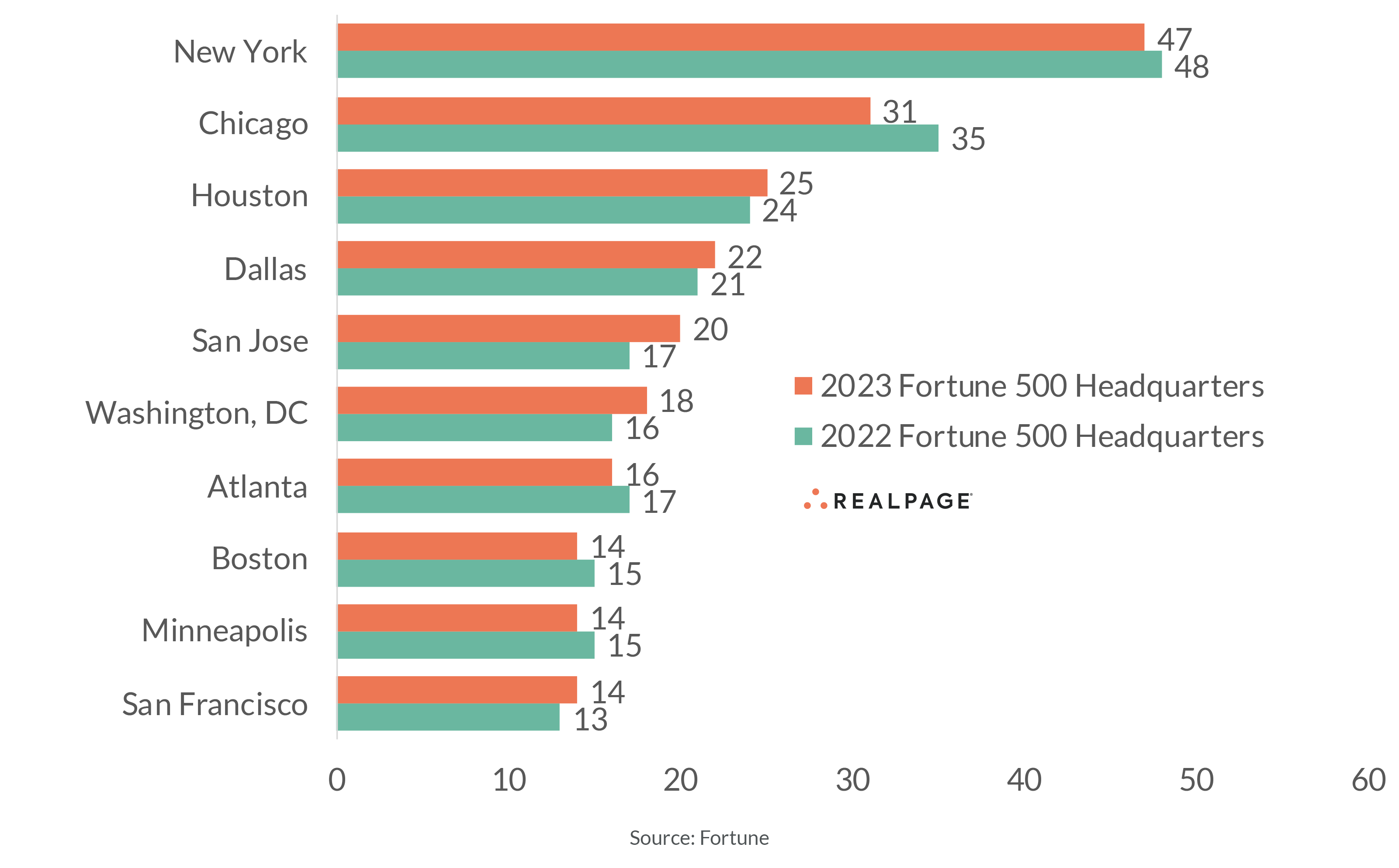
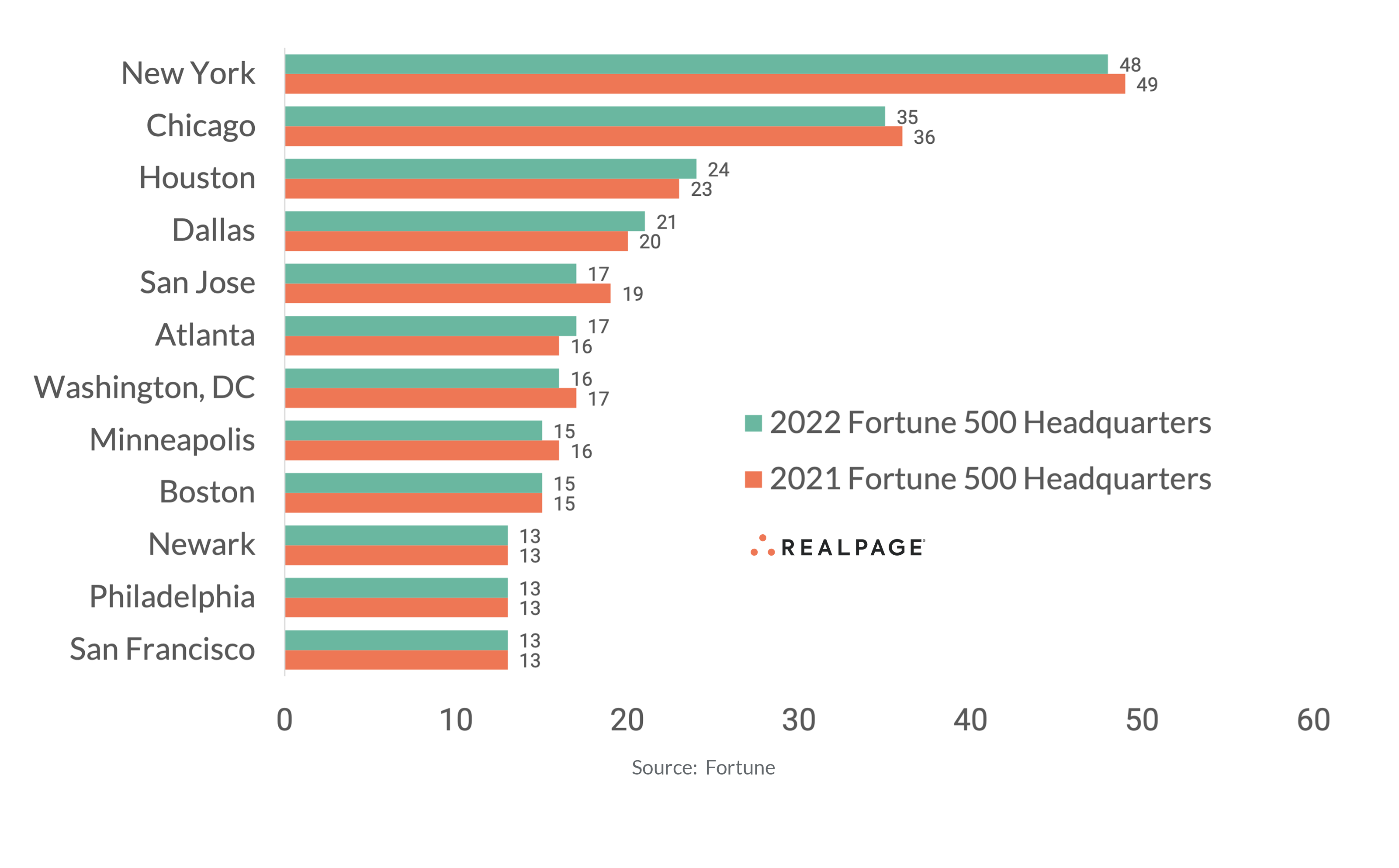
Major healthcare IT deployments cluster near regional connectivity hubs and operational headquarters. Data center markets in the Minneapolis-St. Paul metro area (near UHG headquarters in Minnetonka, Minnesota), Northern Virginia (Ashburn), Dallas-Fort Worth, and Atlanta experience continuous absorption of wholesale colocation capacity driven by healthcare enterprise demand.
Anchoring Data Center Financing
Data center developers rely on "anchor tenants" to finance large-scale campus developments. Securing a long-term contract with an investment-grade, Fortune 5 enterprise like UHG reduces risk profiles for lenders. Facilities backed by UHG leases frequently obtain lower capital costs for debt financing, accelerating campus construction and power capacity procurement.
Sustainability and Power Sourcing
With megawatt-scale power demands, UHG and similar enterprise leaders push data center providers toward sustainable energy practices. Facility operators must demonstrate clear environmental progress, utilizing Power Usage Effectiveness (PUE) target metrics below 1.25, contracting Power Purchase Agreements (PPAs) for renewable energy, and implementing closed-loop water cooling systems to support enterprise ESG commitments.
Strategic Guidance for Data Center Operators and IT Architects
To capture and maintain infrastructure leases from top-tier healthcare enterprises, data center providers and IT leaders must execute targeted operational strategies.
1. Retrofit Infrastructure for High-Density Cooling
- Implement Liquid Cooling: Transition high-density suites to direct-to-chip liquid cooling or rear-door heat exchanger units capable of handling high thermal loads per rack.
- Optimize Floor Design: Reinforce slab loading capacities to accommodate heavily weighted server cabinets packed with advanced GPU arrays.
2. Strengthen Physical and Network Isolation
- Deploy Biometric Perimeter Control: Enforce multi-factor authentication, including biometric scanners and mantraps, for access to dedicated enterprise suites.
- Zero-Trust Network Boundaries: Segregate internal data streams to maintain strict logical separation between processing environments, colocation management networks, and third-party vendor connections, aligning with security guidelines established by NIST.
3. Establish Continuous Compliance Monitoring
- Automate Audit Logging: Move away from annual point-in-time compliance checks toward continuous automated logging of physical entry, environmental metrics, and power redundancy testing.
- Validate Disaster Recovery Plans: Conduct regular, non-disruptive failover simulations to verify active-active data center routing and backup integrity.
Frequently Asked Questions
What is the connection between UHG’s Fortune 500 ranking and data center demand?
A high Fortune 500 ranking reflects massive corporate revenue and extensive operational scale. For UnitedHealth Group, this scale translates into millions of daily member transactions, vast health data processing, and large-scale AI deployment—requiring gigawatt-scale data center capacity, redundant power, and colocation leasing.
Why does Optum require distinct data center capabilities compared to traditional health insurers?
Optum operates as UHG’s health services and technology arm, managing health analytics, pharmacy fulfillment, and electronic health records. These workloads rely heavily on real-time processing and machine learning, requiring higher rack power densities, specialized cooling, and continuous data availability compared to administrative claims systems.
How do HIPAA rules impact physical data center engineering?
The HIPAA Security Rule mandates physical safeguards to protect electronic Protected Health Information (PHI). Data centers must implement restricted physical access control (such as biometric verification and video surveillance), physical rack enclosures, auditable visitor logs, and resilient power systems to prevent unauthorized access and data availability loss.
How are data center operators adapting to UHG’s AI workload requirements?
Operators are retrofitting existing halls and designing new facilities with high-density power distribution (30 kW to 80+ kW per cabinet) and direct-to-chip liquid cooling solutions to manage the extreme heat generated by modern AI server hardware.
Why are Fortune 5 tenants like UHG critical for data center developers?
Top-tier enterprise tenants possess investment-grade credit ratings. Long-term lease commitments from these organizations reduce financial risk for developers, making it easier to secure favorable debt financing for site development and infrastructure expansion.
Actionable Next Steps for Infrastructure Leaders
For enterprise IT architects, datacenter operators, and real estate developers looking to support top-tier healthcare workloads:
- Conduct Thermal and Power Audits: Evaluate existing data center floor plans to identify power density bottlenecks and assess readiness for liquid cooling retrofits.
- Review Compliance Alignments: Verify that physical security boundaries, access logs, and environmental monitoring systems meet current HIPAA, HITECH, and SOC 2 Type II audit standards.
- Assess Geographic Resiliency: Diversify facility deployments across separate power grids and regional flood zones to maintain high availability and uninterrupted operations during regional disruptions.
Image Gallery