Why Harry Potter Speaks Parseltongue to Snakes: Lore, Origins, and Key Moments Explained
Harry Potter speaks Parseltongue—the magical language of serpents—because a piece of Lord Voldemort’s soul attached itself to Harry on the night his parents were murdered. This accidental connection transferred several of Voldemort’s m...
Harry Potter speaks Parseltongue—the magical language of serpents—because a piece of Lord Voldemort’s soul attached itself to Harry on the night his parents were murdered. This accidental connection transferred several of Voldemort’s magical traits, including Parseltongue, to Harry, which he eventually lost when Voldemort destroyed that soul fragment during the Battle of Hogwarts.
Contents
The Nature of Parseltongue and Parselmouths in the Wizarding World
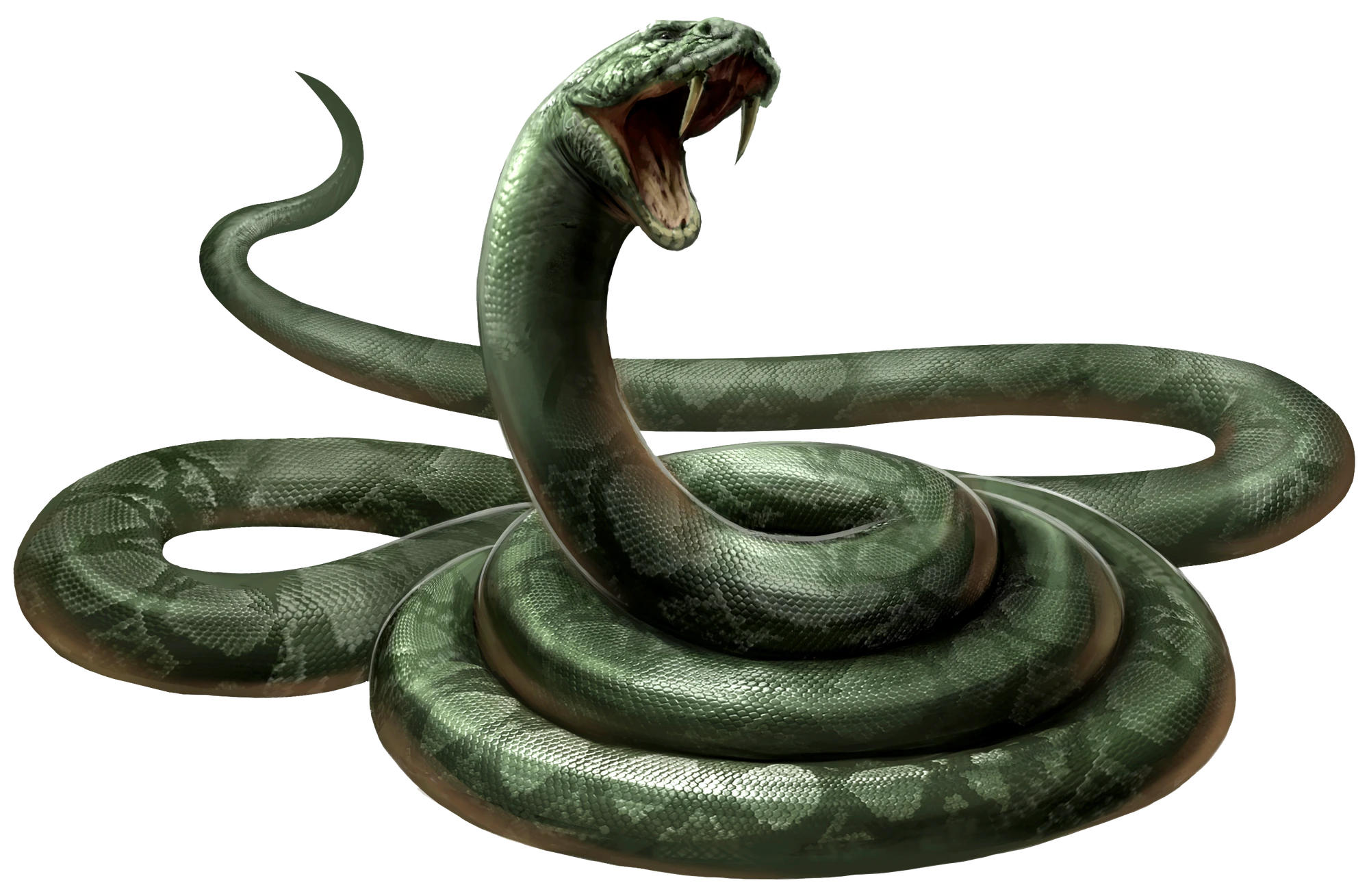
In the lore of the Wizarding World, Parseltongue is the spoken language of snakes and other serpentine creatures. A witch or wizard who possesses the rare ability to comprehend and speak Parseltongue is known as a Parselmouth. To non-speakers, Parseltongue sounds like a series of low, sibilant hisses, clicks, and rasps entirely devoid of human vocal structure.
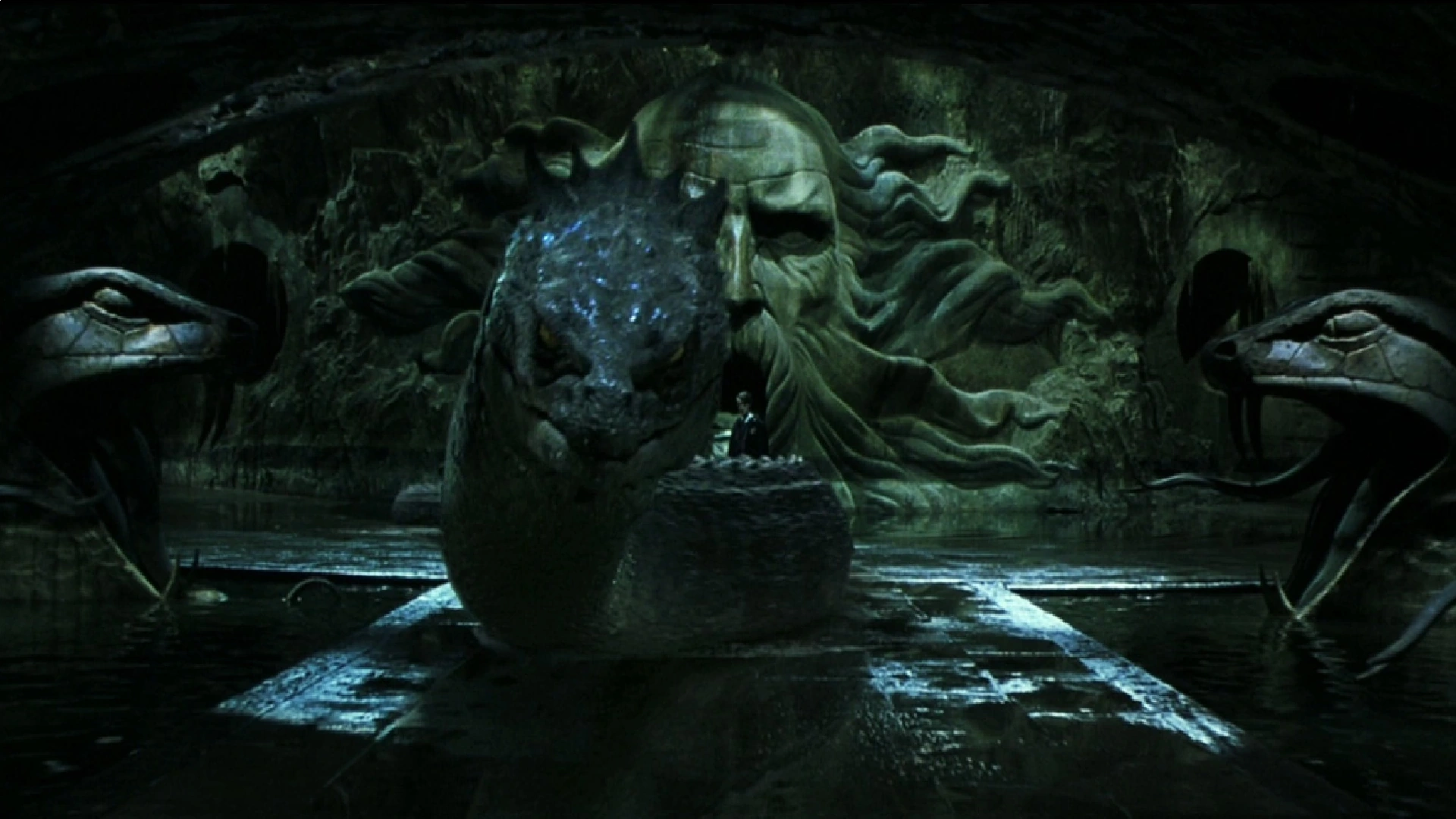
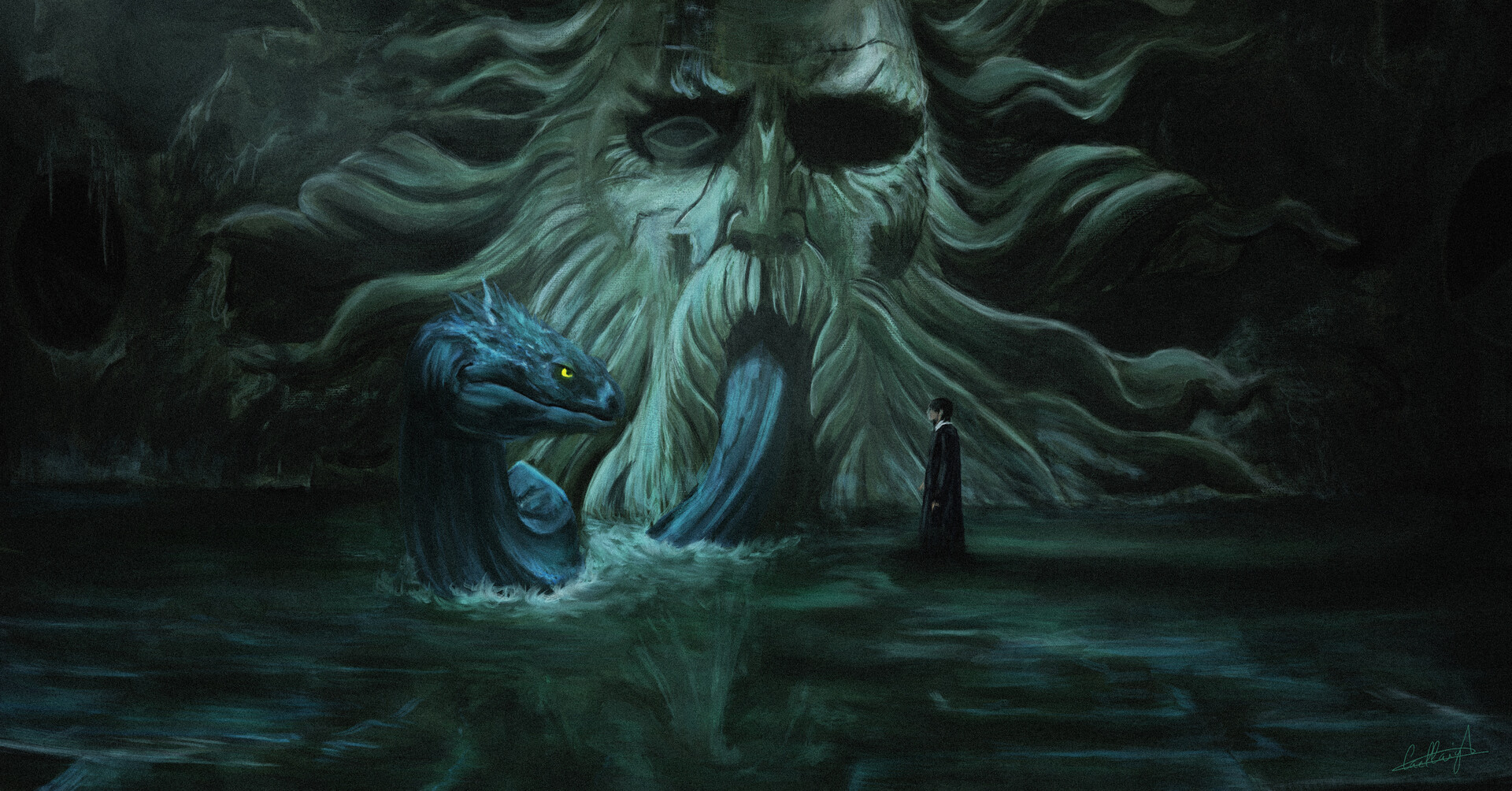
Historically, the trait is extraordinarily rare in Western Europe and is almost exclusively passed down through hereditary bloodlines. The most famous early Parselmouth in British magical history was Salazar Slytherin, one of the four founders of Hogwarts School of Witchcraft and Wizardry. Slytherin’s ability to communicate with serpents was integrated into his personal heraldry—the serpent banner of House Slytherin—and served as the primary mechanism for controlling the Basilisk hidden within the Chamber of Secrets.
Because Parseltongue was so strongly associated with Salazar Slytherin and later with dark wizards such as Herpo the Foul (the ancient Greek wizard credited with breeding the first Basilisk), the British wizarding community developed a severe social stigma against Parselmouths. The trait came to be viewed not merely as an unusual linguistic talent, but as an inherent indicator of Dark Magic inclination or evil character.
Outside of Europe, cultural perspectives on Parseltongue vary significantly. In certain magical traditions across Africa and Asia, speaking to serpents is viewed with awe or associated with ancient divination traditions rather than inherent malevolence. However, within the Ministry of Magic's jurisdiction and Hogwarts tradition, a wizard demonstrating Parseltongue abilities almost universally prompts alarm and suspicion.
How Harry Potter Acquired the Ability to Speak Parseltongue
Unlike historical Parselmouths who inherited the trait through genetic lineage—such as the House of Gaunt, Lord Voldemort’s maternal ancestors—Harry Potter was not born a Parselmouth. Neither James nor Lily Potter possessed the trait, nor did any recorded member of the Potter lineage.
Harry’s acquisition of the talent occurred on October 31, 1981, at Godric's Hollow. When Lord Voldemort attempted to cast the Killing Curse (Avada Kedavra) on infant Harry, Lily Potter’s sacrificial protection caused the curse to rebound, destroying Voldemort’s physical form. In that catastrophic magical rupture, Voldemort’s unstable soul split, and a fragment of it latched onto the only living soul in the room: Harry.
By unintentionally turning Harry into an unsanctioned, living Horcrux, Voldemort imparted a portion of his own magical identity and powers to the boy. This soul connection granted Harry several distinct capabilities:
- Linguistic Transfer: Direct access to Parseltongue without formal training or awareness of the language's grammar.
- Mental Link: Sensations, flashes of emotion, and visions connected to Voldemort’s state of mind.
- Wand Core Synergy: A shared connection between Harry's Holly wand and Voldemort's Yew wand, both containing feathers from the same phoenix, Fawkes.
For the first seventeen years of his life, Harry spoke Parseltongue entirely instinctively. When interacting with serpents or snake imagery, his mind seamlessly translated his intent into sibilant sounds without requiring conscious effort to convert English words into snake language.
Key Instances Where Harry Speaks Parseltongue Throughout the Series
Throughout the story, Harry’s use of Parseltongue marks major turning points in the narrative, revealing critical clues about his connection to Lord Voldemort and driving key plotlines forward.
1. The Zoo Boa Constrictor (Harry Potter and the Sorcerer's Stone)
Harry’s first recorded experience with Parseltongue occurs shortly before his eleventh birthday during a family trip to the zoo with the Dursleys. While standing before a glass enclosure housing a Brazilian Boa Constrictor, Harry notices the snake appearing bored and sympathetic to his own feelings of isolation.
Harry speaks to the serpent, complaining about his cousin Dudley. To his surprise, the snake winks, nods, and speaks back, expressing gratitude when Harry subconsciously vanishes the glass pane separating it from the public. At this stage, Harry does not realize he is speaking a distinct magical language; he assumes he is simply experiencing an unusual animal interaction.
2. The Dueling Club Serpent (Harry Potter and the Chamber of Secrets)
During Harry’s second year at Hogwarts, rumors spread regarding the reopening of the Chamber of Secrets. To teach students self-defense, Defense Against the Dark Arts professor Gilderoy Lockhart and Severus Snape organize a Dueling Club.
During a practice match between Harry and Draco Malfoy, Malfoy casts the spell Serpensortia, summoning a large black cobra onto the dueling stage. When the snake moves aggressively toward Hufflepuff student Justin Finch-Fletchley, Harry steps forward and commands the serpent to back down, shouting * "Leave him!"* in Parseltongue.
To Harry, his words sound like English. However, to the gathered students and staff, Harry appears to hiss menacingly at the cobra, seemingly egging it on. This incident leads the school to suspect Harry is the Heir of Slytherin responsible for petrifying Muggle-born students.
3. Opening the Chamber of Secrets (Harry Potter and the Chamber of Secrets)
Later in his second year, Harry realizes that the mysterious voice he has been hearing through the castle walls is the Basilisk moving through Hogwarts' plumbing pipes. When Ginny Weasley is dragged into the Chamber, Harry and Ron trace the entrance to Moaning Myrtle’s second-floor bathroom.
Upon examining a bronze tap engraved with a tiny serpent, Harry focuses on the image of a snake and speaks the word * "Open"* in Parseltongue. The tap glows, the sink slides away, and the pipe leading down to the underground chamber is exposed. Harry uses Parseltongue once more to open the massive circular door lined with snake locks protecting the inner sanctuary where the Basilisk resides.
4. The Encounters with Nagini (Harry Potter and the Deathly Hallows)
In The Deathly Hallows, Harry’s connection to Parseltongue manifests during high-stakes confrontations involving Voldemort’s serpent companion, Nagini.
While visiting Godric’s Hollow, Harry and Hermione encounter what appears to be the historian Bathilda Bagshot. Unbeknownst to them, Bagshot’s corpse is animated and controlled by Nagini. Because Nagini speaks in Parseltongue, Harry hears her voice as English, leading him upstairs into a trap while Hermione, who cannot hear the sibilant nature of the language, remains unaware of the deception until Nagini attacks.
Comprehensive Analysis of Harry's Parseltongue Incidents
The following table summarizes the primary instances where Harry spoke Parseltongue, detailing the context, the audience, and the narrative consequences of each event:
| Book / Moment | Target Creature or Object | Trigger / Context | Audience Present | Narrative Consequences |
|---|---|---|---|---|
| Sorcerer's Stone (Zoo Enclosure) | Brazilian Boa Constrictor | Empathy with captive snake; Dudley pushing Harry | Dudley Dursley, Vernon & Petunia Dursley, Zoo Visitors | First demonstration of accidental magic and serpent interaction; results in Harry being locked in his cupboard. |
| Chamber of Secrets (Dueling Club) | Summoned Cobra (Serpensortia) | Snake threatening Justin Finch-Fletchley | Severus Snape, Gilderoy Lockhart, Hogwarts Students | Exposes Harry as a Parselmouth; causes school-wide fear that Harry is the Heir of Slytherin. |
| Chamber of Secrets (Bathroom Sink) | Snake-engraved copper tap | Locating the entrance to save Ginny Weasley | Ron Weasley, Gilderoy Lockhart, Moaning Myrtle | Opens the hidden entrance to the subterranean Chamber of Secrets. |
| Chamber of Secrets (Inner Door) | Serpent-locked circular vault | Reaching the central lair of the Basilisk | Ron Weasley, Gilderoy Lockhart | Grants access to fight Tom Riddle's memory and the ancient Basilisk. |
| Goblet of Fire (Visions) | Nagini & Lord Voldemort | Horcrux mental bridge during Voldemort's planning | N/A (Mental connection to the Riddle House) | Allows Harry to overhear Voldemort planning Bertha Jorkins' murder and the plot against Harry. |
| Deathly Hallows (Godric's Hollow) | Nagini (disguised inside Bathilda Bagshot) | Lured into Bagshot's residence to find Gryffindor's Sword | Hermione Granger | Nagini springs a trap; leads to the destruction of Harry's original Holly wand during their escape. |
The Social Stigma and Magical Reputation of Parseltongue
Understanding why wizarding society reacts so strongly to Parseltongue requires examining the history of British magical politics. For centuries, the British Ministry of Magic associated Parseltongue almost exclusively with dark magic practitioners, blood purity extremists, and illegal dark creature breeding.
When Harry revealed his ability during the Dueling Club, the reaction from his peers was immediate terror. Students like Ernie Macmillan and Hannah Abbott openly feared that Harry was using dark magic to target Muggle-borns. Because Salazar Slytherin specifically engineered the Chamber of Secrets to be opened only by his true heir speaking Parseltongue, demonstrating the language was seen as direct evidence of a dark heritage.
Albus Dumbledore later clarifies to Harry that abilities themselves do not define a wizard's moral standing—rather, it is their choices. While Voldemort used Parseltongue to command a deadly weapon to murder students, Harry used the exact same language to save lives, open doors to fight evil, and protect his peers.
Parseltongue Transmission:
- Salazar Slytherin Lineage
- House of Gaunt
- Lord Voldemort
- Rebounded Killing Curse
- Soul Fragment Attached
- Harry Potter (Acquires Parseltongue Trait)
- Forbidden Forest Battle
- Soul Fragment Destroyed
- Ability Lost Permanently
How Harry Lost the Ability to Speak Parseltongue
A frequent point of discussion among readers is whether Harry retained the ability to speak to snakes into adulthood. Authorship statements and canonical developments clarify that Harry permanently lost his Parseltongue ability during the climax of Harry Potter and the Deathly Hallows.
During the Battle of Hogwarts, Harry willingly surrenders himself to Lord Voldemort in the Forbidden Forest. When Voldemort strikes Harry with the Killing Curse, the curse does not kill Harry; instead, it destroys the piece of Voldemort's soul residing inside Harry’s body.
Because Harry’s Parseltongue ability was entirely derived from that soul fragment rather than his own inherent magic, the capability vanished the moment the fragment was destroyed:
- Severing of the Conduit: The destruction of Voldemort's soul piece eliminated the linguistic bridge between Harry's mind and serpent language.
- Post-War Status: Following the Battle of Hogwarts, Harry could no longer comprehend or speak Parseltongue.
- Personal Relief: Canonical lore confirms that Harry felt relieved by the loss of the ability, as it meant the final vestige of Voldemort’s dark influence had been removed from his life.
Ron Weasley's Mimicry of Parseltongue
A unique exception to the rules of Parseltongue occurs during The Deathly Hallows when Ron Weasley opens the Chamber of Secrets to retrieve Basilisk fangs. Ron is not a Parselmouth and cannot understand snake language. However, Ron recalled the sibilant sounds Harry made to open the Slytherin Locket Horcrux and repeated those noise patterns by memory.
This demonstrates that while true Parselmouths understand and process Parseltongue naturally as a living language, the physical door mechanism of the Chamber merely responds to specific acoustic frequency patterns and sibilant sounds, allowing precise phonetic imitation to trigger the lock.
Frequently Asked Questions
Can anyone learn Parseltongue, or is it strictly genetic?
True Parseltongue—the ability to fluently comprehend and communicate naturally with snakes—is an innate magical ability passed down genetically or acquired through soul transfer. However, non-speakers can memorize and imitate specific Parseltongue words or phrases phonetically, as Ron Weasley demonstrated when opening the Chamber of Secrets. Albus Dumbledore also demonstrated an academic comprehension of spoken Parseltongue, though he could not speak it fluently himself.
Did Harry realize he was speaking another language when talking to snakes?
No, Harry typically did not realize he was speaking Parseltongue while doing so. To his internal ear, he sounded as though he was speaking regular English. It was only when observers pointed out that he was making hissing sounds—such as during the Dueling Club or at Godric's Hollow—that he became aware he was using snake language.
Why didn’t Harry's children inherit Parseltongue?
Because Harry’s ability to speak Parseltongue was acquired through a transferred fragment of Voldemort's soul rather than through his own genetic bloodline, the trait was not coded into his DNA. Once the soul fragment was destroyed in 1998, the trait was gone entirely, meaning James Sirius, Albus Severus, and Lily Luna Potter inherited standard magical abilities without any Parseltongue talent.
Is Parseltongue inherently an evil form of magic?
Parseltongue itself is simply a language and is not inherently evil. However, because of its historical association with dark wizards such as Herpo the Foul, Salazar Slytherin, and Lord Voldemort, the wizarding community in Great Britain strongly associates it with Dark Magic. Harry’s use of the language to protect others demonstrates that the ability itself is morally neutral; its impact depends on how the speaker uses it.
How did Harry open the Slytherin Locket if he wasn't carrying it around his neck?
Harry opened the Slytherin Locket Horcrux by speaking * "Open"* in Parseltongue. Even though the locket contained a fragment of Voldemort's soul, it required a verbal command in Parseltongue to unlatch its doors. Harry focused on the snake markings on the locket casing, allowed his mind to slip into the sibilant speech pattern acquired from his own internal Horcrux fragment, and commanded it to unlock.
Practical Takeaways for Wizarding Lore Enthusiasts
For readers and scholars of the Harry Potter series, analyzing Harry’s use of Parseltongue offers crucial insight into the mechanics of Rowling's magical world:
- Track the Narrative Clues: Harry’s ability to speak Parseltongue serves as one of the earliest foreshadowing elements indicating that he carries a fragment of Voldemort’s soul.
- Understand Soul Mechanics: The acquisition and subsequent loss of Parseltongue illustrate how magical traits attached to soul fragments operate within living hosts.
- Differentiate Intent from Perception: Harry’s experiences at the Dueling Club demonstrate how cultural bias within the wizarding world can lead to severe misunderstandings based on external perception rather than true intent.
Image Gallery