Retro Altoids Sours in the Market: History, Recreations, and Buyer’s Guide
Original Altoids Sours were officially discontinued by Mars Wrigley around 2010 due to falling sales and high manufacturing costs. Consumers seeking retro Altoids Sours today must choose between buying expensive, sealed vintage tins on...
Original Altoids Sours were officially discontinued by Mars Wrigley around 2010 due to falling sales and high manufacturing costs. Consumers seeking retro Altoids Sours today must choose between buying expensive, sealed vintage tins on secondary collector markets or purchasing modern indie and artisan recreations engineered to replicate the original candy's intense malic acid coating and signature tin packaging.
Contents
The History and Fall of Original Altoids Sours
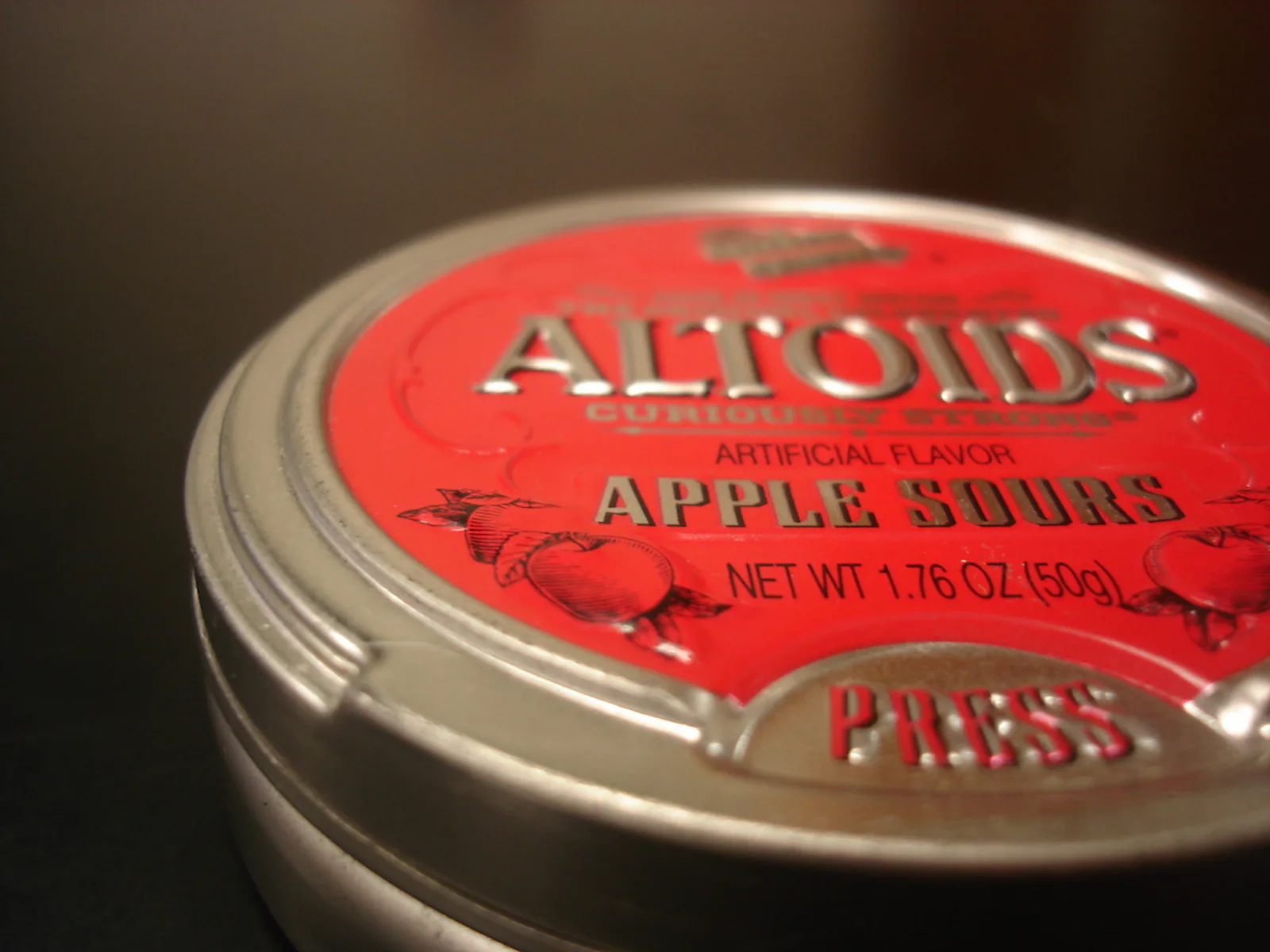
Callard & Bowser-Suchard, a subsidiary later absorbed into Wrigley and eventually Mars Incorporated, introduced Altoids Sours in 2001. Designed to capitalize on the growing demand for extreme sour confections in the early 2000s, the product diverged sharply from the brand’s traditional peppermint lozenges. Packaged in distinctive round, embossed metal tins, Altoids Sours delivered an immediate, intense burst of acidity followed by a long-lasting, sweet fruit hard candy center.
The original lineup featured five primary fruit flavors:
- Tangerine: The flagship and most popular flavor, recognized for its distinct balance of sharp citrus acid and sweet orange essential oils.
- Sour Raspberry: A dark pink drop with a deep berry note, combining tartness with red fruit esters.
- Sour Apple: A bright green confection utilizing artificial sour apple flavoring paired with heavy acid dusting.
- Sour Citrus: A blend of lemon and lime flavor profiles aimed at traditional sour citrus enthusiasts.
- Sour Mango: A late-addition tropical variant featuring a slightly smoother, floral undertone beneath the sour outer coating.
Despite acquiring a cult-like following, Altoids Sours were phased out of production between 2008 and 2010. Several industry factors contributed to their removal from store shelves. First, overall consumer sales dropped below the high volume metrics required by large-scale corporate manufacturers to justify dedicated production lines. Second, the heavy concentration of souring agents—specifically malic acid and citric acid—created severe operational challenges during manufacturing. The hygroscopic (moisture-absorbing) nature of these acids often caused the candies to clump together inside the tin if exposed to ambient humidity, while the acidic dust accelerated the wear of commercial high-speed packaging machinery and metal tin linings.
The Current Landscape for Retro Altoids Sours
Because Mars Wrigley has not re-issued the line, a vibrant secondary market and an ecosystem of tribute products have emerged to fill the void. Consumers looking to buy retro Altoids Sours or experience their unique flavor profile today generally navigate three primary options.
- Retro Altoids Sours Market
- Vintage Tins
- Unopened Sealed Tins
- Empty Collector Tins
- Modern Alternatives
- Commercial Re-releases (e.g. Iconic Candy)
- Artisan Handcrafted (e.g. Lofty Pursuits)
- Vintage Tins
1. Vintage Sealed Tins (Secondary Resale Market)
For purists seeking authentic original packaging, unopened tins of Altoids Sours occasionally surface on auction sites such as eBay, Mercari, and private collector forums.
- Pricing: Intact, factory-sealed tins routinely sell for anywhere between $100 and $500 depending on the flavor, tin condition, and expiration date (typically stamped between 2003 and 2010). Empty tins sell for $15 to $40 to tin collectors and nostalgic decorators.
- Condition Considerations: Over fifteen years post-manufacture, even sealed candies are prone to severe degradation. The sugars within hard candy can absorb residual moisture, leading to a melted, gooey mass stuck inside the metal container. Additionally, the acid coating can react with moisture to erode the internal paper liner and corrode the interior metal of the tin.
2. Commercial Nostalgia Replicas
Seeing unfulfilled demand, niche candy restoration companies have developed modern versions intended to mirror the original experience.
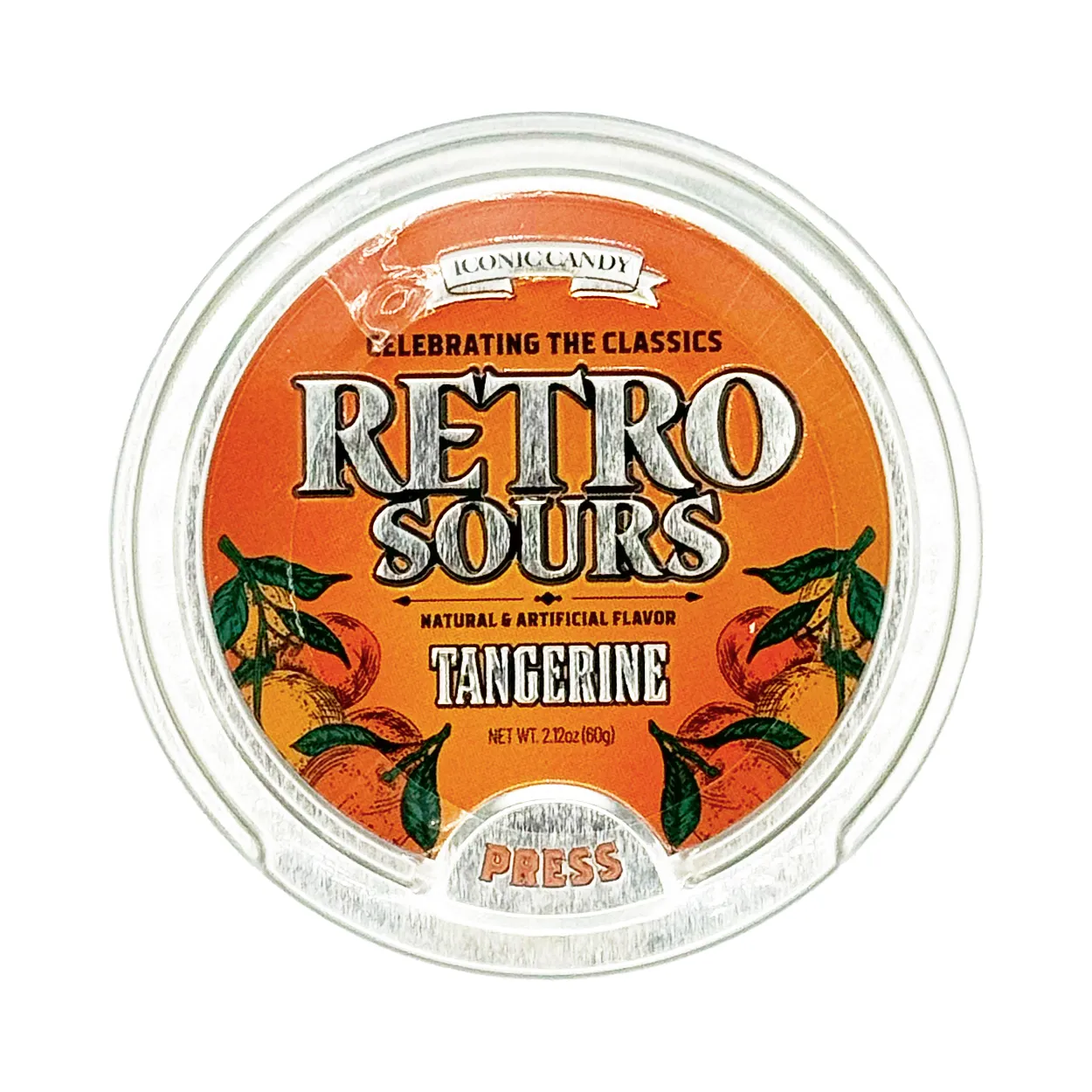
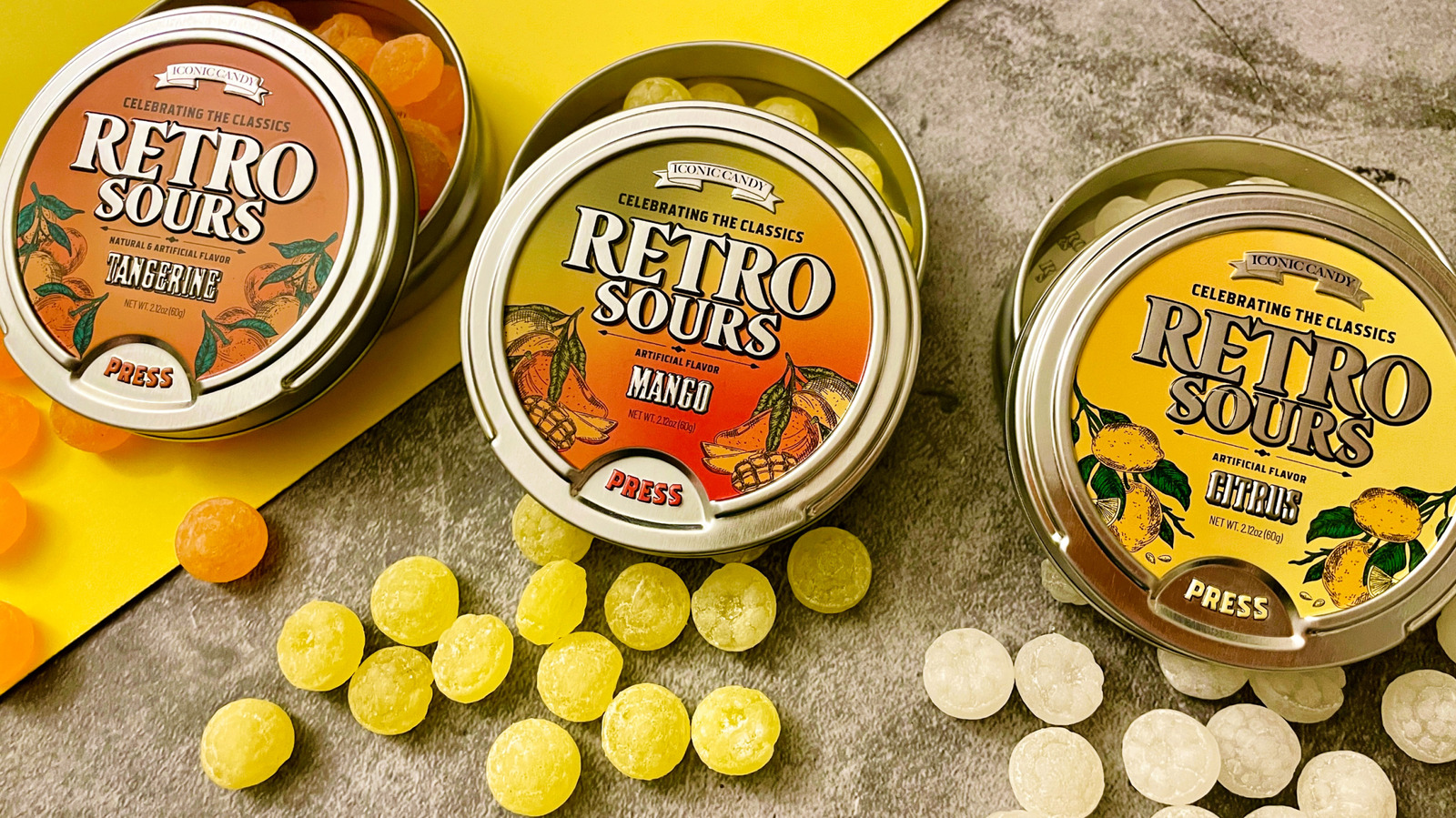
- Iconic Candy: Known for licensing and reviving discontinued retro brands, Iconic Candy developed "Retro Sour Tangerine" drops. These products replicate the size, mouthfeel, and intense acid profile of the original 2000s candy, packaged in round metallic tins designed to evoke the original aesthetic.
- Generic Sour Drops: Various confectionery brands sell "Sour Tangerine Hard Candies" in round tins. While some capture the acid level, buyers should verify whether the product uses genuine tin packaging or plastic tubs, as tin packaging helps preserve the low-moisture environment required to keep acid-dusted candies crisp.
3. Handcrafted Artisan Alternatives
Independent candy makers have used traditional hard-candy equipment to recreate the exact flavor and physical characteristics of Altoids Sours.
- Lofty Pursuits: A Florida-based confectionery company famously analyzed original Altoids Sours samples to reverse-engineer their recipe. Utilizing vintage late-19th-century metal drop-rollers, they produce "Pucker Drops" (specifically Tangerine Sour Drops). These candies match the physical dimensions, sour coating density, and high-acid punch of the original drops.
Comparing Retro Altoids Sours Options
When searching for retro Altoids Sours, prospective buyers must weigh authenticity, cost, safety, and flavor fidelity. The following table breaks down the main options currently on the market.
| Option Category | Key Product Examples | Availability | Authenticity to Original | Primary Advantage | Main Drawback / Risk | Price Range (USD) |
|---|---|---|---|---|---|---|
| Original Sealed Vintage | Sealed 2000s Callard & Bowser Tins | Extremely Low (Secondary Markets) | 100% (Original Specimen) | Genuine historical artifact and original packaging | High cost; candy is likely melted, degraded, or unsafe to consume | $100.00 – $500.00+ |
| Commercial Re-releases | Iconic Candy Retro Sour Tangerine | High (Online & Specialty Shops) | 85% – 95% | Freshly manufactured; safe to eat; identical tin format | Slight variations in exact flavor oil compounds | $4.00 – $7.00 per tin |
| Artisan Recreations | Lofty Pursuits Tangerine Pucker Drops | Medium (Direct-to-Consumer) | 90% – 95% | Meticulously reverse-engineered sourness; high-quality ingredients | Often sold in bags or glass jars rather than retro tins | $8.00 – $15.00 per bag |
| Standard Citrus Hard Candies | Generic Citrus Sour Candies | High (Mass Retailers) | 30% – 50% | Inexpensive; widely available everywhere | Lacks the extreme acid coating and unique shape | $2.00 – $4.00 per pack |
The Food Chemistry: What Made Original Altoids Sours Unique?
To understand why modern alternatives vary in quality, it helps to examine the underlying food chemistry of the original product. Altoids Sours relied on a multi-stage flavor delivery system that set them apart from standard mints or boiled sweets.
Dual-Acid Coating System
Most commercial sour candies use citric acid for a quick tart flavor. Original Altoids Sours used a heavy blend of malic acid and citric acid on the candy exterior. Malic acid has a lower taste threshold and a persistent, sharp sour profile that lingers longer on the tongue than citric acid. This initial coating provided an immediate, intense puckering sensation before wearing down to the sweet hard candy center.
- Outer Acid Layer: Malic Acid + Citric Acid Dusting (Immediate 5-10 second pucker)
- Boiled Hard Candy Core: Sucrose/Glucose Matrix + Concentrated Citrus Oils (Sustained sweet flavor release)
High-Concentration Essential Oils
The core of the candy was composed of sucrose and glucose syrup boiled to a low-moisture hard-crack stage (less than 2% water content). It was heavily flavored with concentrated fruit oils—most notably cold-pressed tangerine oil. The use of natural essential oils rather than purely synthetic esters gave the candy a realistic, zesty fruit character underneath the surface acid.
Desiccant Tin Packaging
Because malic acid pulls moisture from the surrounding air (hygroscopic behavior), putting sour drops in a standard paper wrapper or unsealed box causes them to turn sticky rapidly. Callard & Bowser used round, tin-plated steel containers fitted with internal parchment liners to form a barrier against ambient humidity, preserving the crisp outer acid dust until opened.
Practical Guide to Purchasing Vintage and Retro Options
If you are navigating the market for original vintage tins or modern recreations, use these practical evaluation steps to ensure you get what you pay for.
Purchasing Original Vintage Tins (Collectors)
- Verify the Seal: Look for the original clear factory shrink band around the edge of the tin. If the seller lists the item as "sealed" without a visible band, inspect photos closely for signs of resealing or tape marks.
- Inspect for Rust and Corrosion: Acid and residual moisture inside old tins can eat through the metallic lining. Request photos of the bottom and seams of the tin to ensure there are no dark rust spots or pinhole leaks.
- Evaluate Content Liquefaction: Gently shake the sealed tin (if buying in person or asking a seller for a video). If you hear a clear, solid rattle, the candies have retained their hard-crack form. If you hear a dull thud or nothing at all, the candies have likely melted into a single mass against the tin wall.
- Food Safety Cautions: Eating 15- to 20-year-old hard candy is strongly discouraged by food safety standards. While sugar itself does not easily support bacterial growth if kept dry, degraded flavors, oxidized oils, and chemical leaching from corroded tin walls pose health risks.
Choosing Modern Alternatives (Consumers)
- Check Acid Composition: If seeking the true "Altoids Sour" pucker, review the ingredient panel of alternative brands for malic acid. Candies relying exclusively on citric acid will lack the deep, long-lasting tartness of the original formula.
- Look for Genuine Cold-Pressed Oils: High-quality remakes list natural citrus oils (e.g., tangerine oil, orange oil) near the top of their flavor ingredients, avoiding flat, single-note artificial flavors.
- Check Packaging Seals: Ensure modern retro-style tins feature inner sealers or desiccant linings to prevent the sour coating from degrading in humid conditions.
Frequently Asked Questions
Why did Wrigley stop making Altoids Sours?
Mars Wrigley discontinued Altoids Sours due to declining sales volume that no longer met mass-market retail thresholds, combined with elevated manufacturing costs. The acidic dusting used on the candy caused machinery wear and led to clumping issues during production and distribution.
Are there any official plans for Mars Wrigley to re-release Altoids Sours?
As of 2026, Mars Wrigley has made no official announcement regarding a national re-release of original Altoids Sours. While public petitions and consumer campaigns frequently circulate online, the brand continues to focus its Altoids product lines on traditional mint products.
Is it safe to eat unopened original Altoids Sours found on resale sites?
It is generally not safe to eat original Altoids Sours from the 2000s. Over time, the acidic ingredients degrade, fruit oils go rancid, and the candy can react with the internal tin metal lining, potentially leaching tin or iron compounds into the decomposed candy mass.
What is the closest modern candy to Tangerine Altoids Sours?
The two closest modern options are Iconic Candy's Retro Sour Tangerine (which mimics the original tin format and flavor profile) and Lofty Pursuits' Tangerine Sour Pucker Drops (which uses reverse-engineered recipe dynamics and traditional drop-roller manufacturing).
Why do empty Altoids Sour tins sell for high prices online?
Empty tins hold value among nostalgia collectors, prop masters, retro decorators, and craft enthusiasts. Because the tins feature distinctive 2000s embossing, vibrant color schemes, and sturdy metal construction, they are sought after even without their original candy contents.
Recommendations and Next Steps
- For Nostalgic Craving: Avoid spending over $100 on degraded vintage candy. Instead, purchase modern commercially reproduced retro sour drops, such as those from Iconic Candy or specialty confectionery makers like Lofty Pursuits, to safely experience the original flavor profile.
- For Tin Collectors: When buying original tins on auction platforms, prioritize items with detailed photos of the interior packaging, zero visible exterior rust, and clear evidence of intact factory shrink-wrapping.
- For DIY Candy Makers: If attempting to recreate the candy at home, boil hard candy syrup (80% sucrose, 20% corn syrup) to $300^\circ\text{F}$ ($149^\circ\text{C}$), mix in concentrated tangerine oil, and coat the cooled, cut pieces in a dry dust of 70% malic acid and 30% powdered sugar.
Image Gallery