Why Are Alligators Less Aggressive Than Crocodiles? The Biological and Evolutionary Factors
Alligators are significantly less aggressive than crocodiles primarily due to evolutionary biology, dietary adaptations, and habitat conditions. Crocodiles evolved in hyper-competitive tropical environments, developing extreme territor...
Alligators are significantly less aggressive than crocodiles primarily due to evolutionary biology, dietary adaptations, and habitat conditions. Crocodiles evolved in hyper-competitive tropical environments, developing extreme territoriality to capture large prey and defend marine habitats. Conversely, alligators evolved in temperate freshwater systems with abundant smaller prey, resulting in lower baseline aggression, passive hunting habits, and greater tolerance toward nearby creatures.
Contents
Evolutionary Pathways and Environmental Pressures
To understand why alligators exhibit lower aggression levels than crocodiles, evolutionary history provides the crucial foundation. Both belonging to the order Crocodilia, alligators (Alligatoridae) and crocodiles (Crocodylinae) diverged from a common ancestor over 80 million years ago during the Late Cretaceous period. Since that divergence, distinct environmental pressures have shaped their physiological development, hunting strategies, and social behavior.
Freshwater vs. Marine Adaptations
A primary evolutionary distinction lies in their osmoregulatory capabilities. Crocodiles possess functional lingual salt glands on their tongues. These specialized glands actively excrete excess sodium and chloride ions from the bloodstream, enabling crocodiles to thrive in hyper-saline marine environments, mangrove swamps, and estuaries.
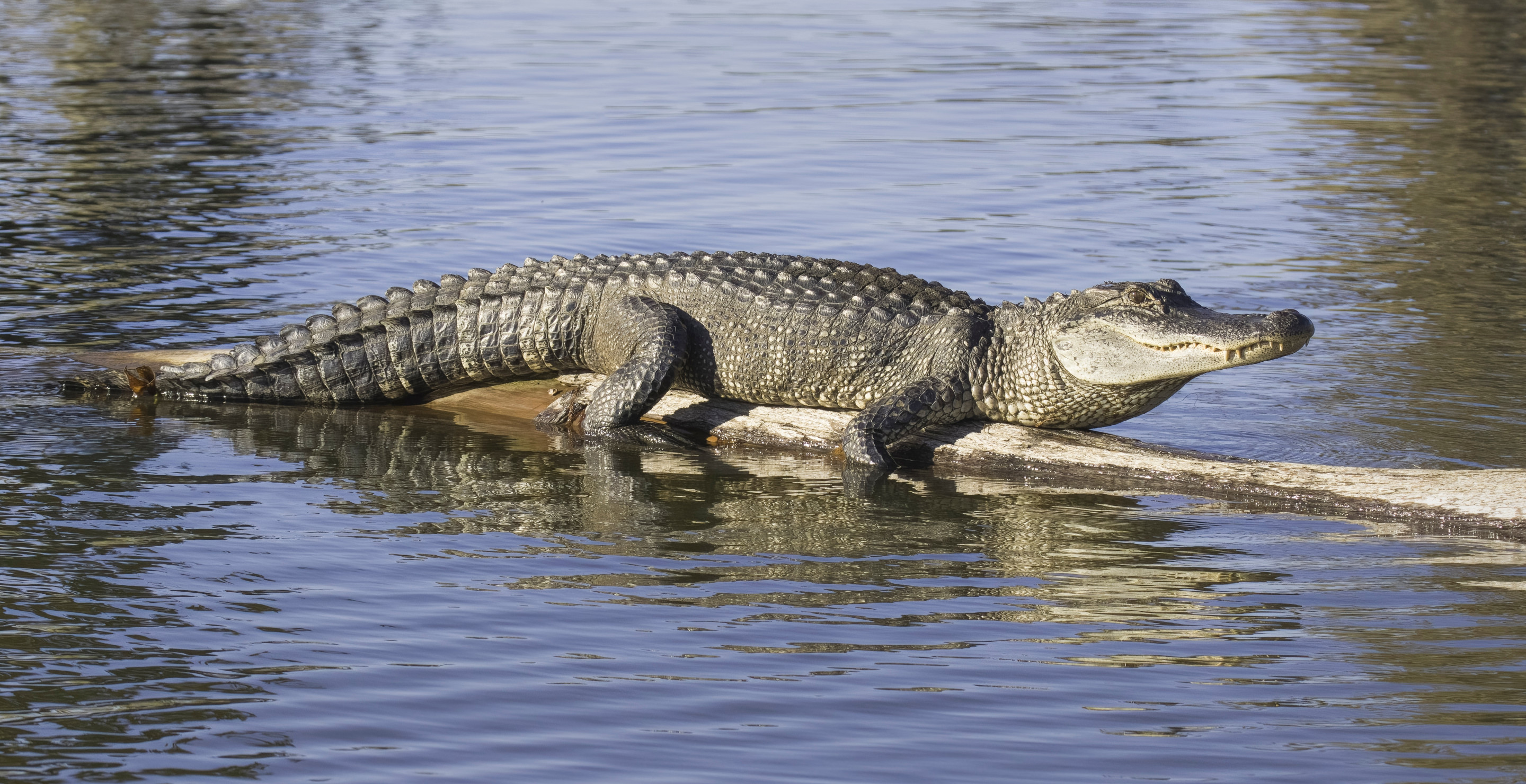
In contrast, alligators lack fully functional lingual salt glands. While they can tolerate brackish water for brief periods, their physiology restricts them predominantly to freshwater ecosystems such as marshes, swamps, lakes, and slow-moving rivers.
This ecological difference directly influences aggressive behavior:
- Resource Competition in Estuarine Zones: Coastal and marine ecosystems host unpredictable prey movements, harsh tidelines, and dense competition from other apex predators. Crocodiles evolved hyper-aggressive territorial behaviors to secure and defend these dynamic marine territories.
- Stability of Freshwater Environments: Freshwater marshes provide stable, localized food sources. Alligators experience lower territorial competition over vast distances, allowing them to coexist at higher population densities without displaying constant aggression.
Climate Regimes and Energy Conservation
The geographic range of alligators extends into temperate regions characterized by significant seasonal temperature shifts. The American alligator (Alligator mississippiensis), for instance, inhabits regions across the southeastern United States that experience freezing winter temperatures.
To survive cold spells, alligators enter a state of dormancy known as brumation. During brumation, their metabolic rate drops dramatically, and their activity ceases. Evolving under seasonal climate regimes required alligators to adopt energy-conserving behavioral traits. Unnecessary physical conflict represents a severe waste of metabolic energy.
Crocodiles, conversely, inhabit tropical and equatorial regions where water temperatures remain warm year-round. Supported by continuous thermal energy from their environment, crocodiles maintain a high metabolic readiness throughout the year. This constant warmth fuels perpetual territorial defense and immediate predatory responses to environmental disturbances.
Morphological Influences on Behavioral Aggression
Physical traits dictate how an animal interacts with its environment and potential threats. The structural differences between alligators and crocodiles highlight how their hunting mechanics dictate their baseline aggression.
ALLIGATOR SNOUT (U-Shaped) CROCODILE SNOUT (V-Shaped) /-------------\ /-------------\ / \ / \ | Wide, broad | / Narrow, pointed\ | crushing jaw | / interlocking \ \ / / teeth grip \ \-------------/ /-----------------------\
Snout Shape and Hunting Mechanics
The structural variance in jaw anatomy directly reflects prey preference and predatory commitment:
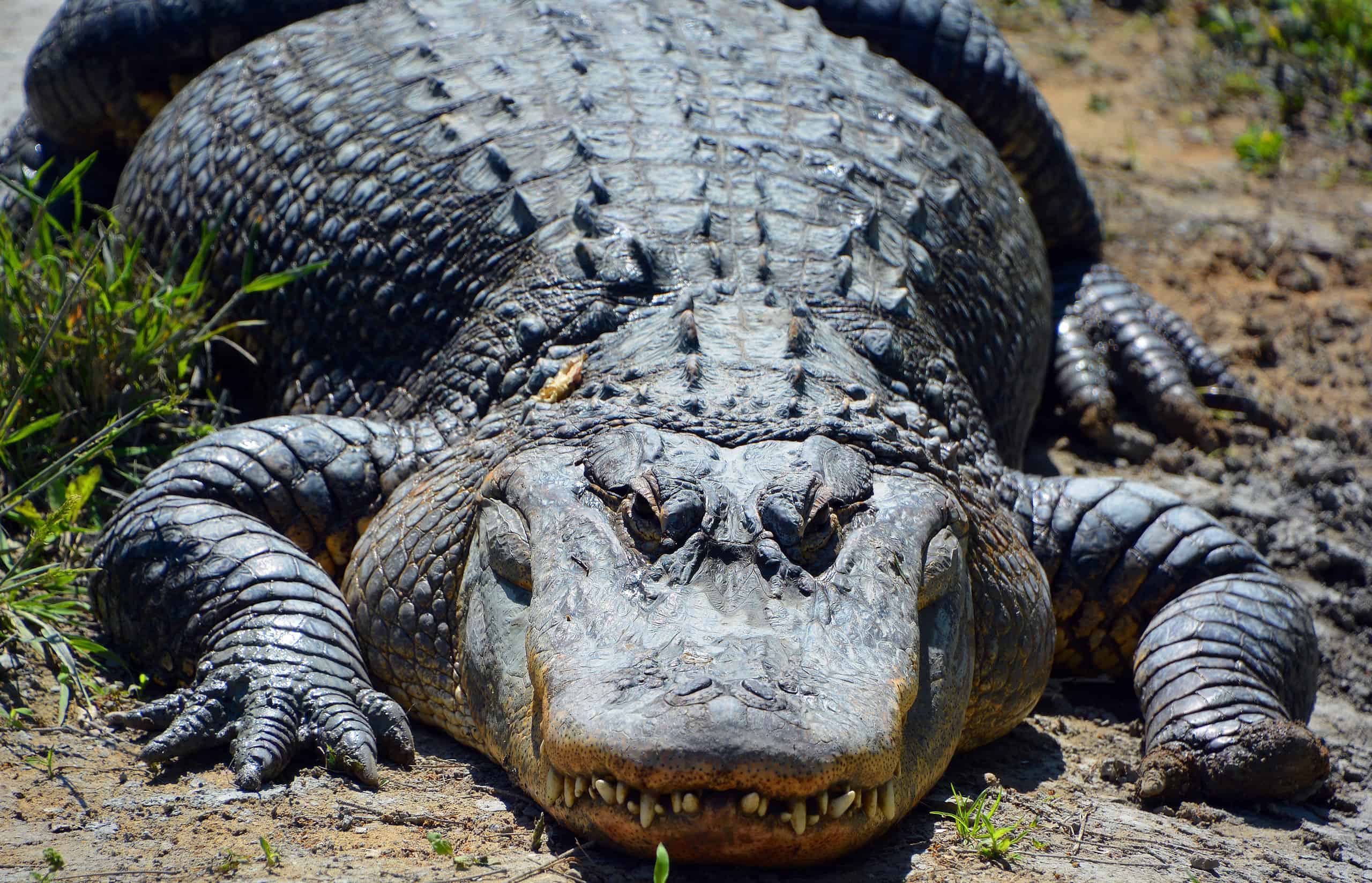
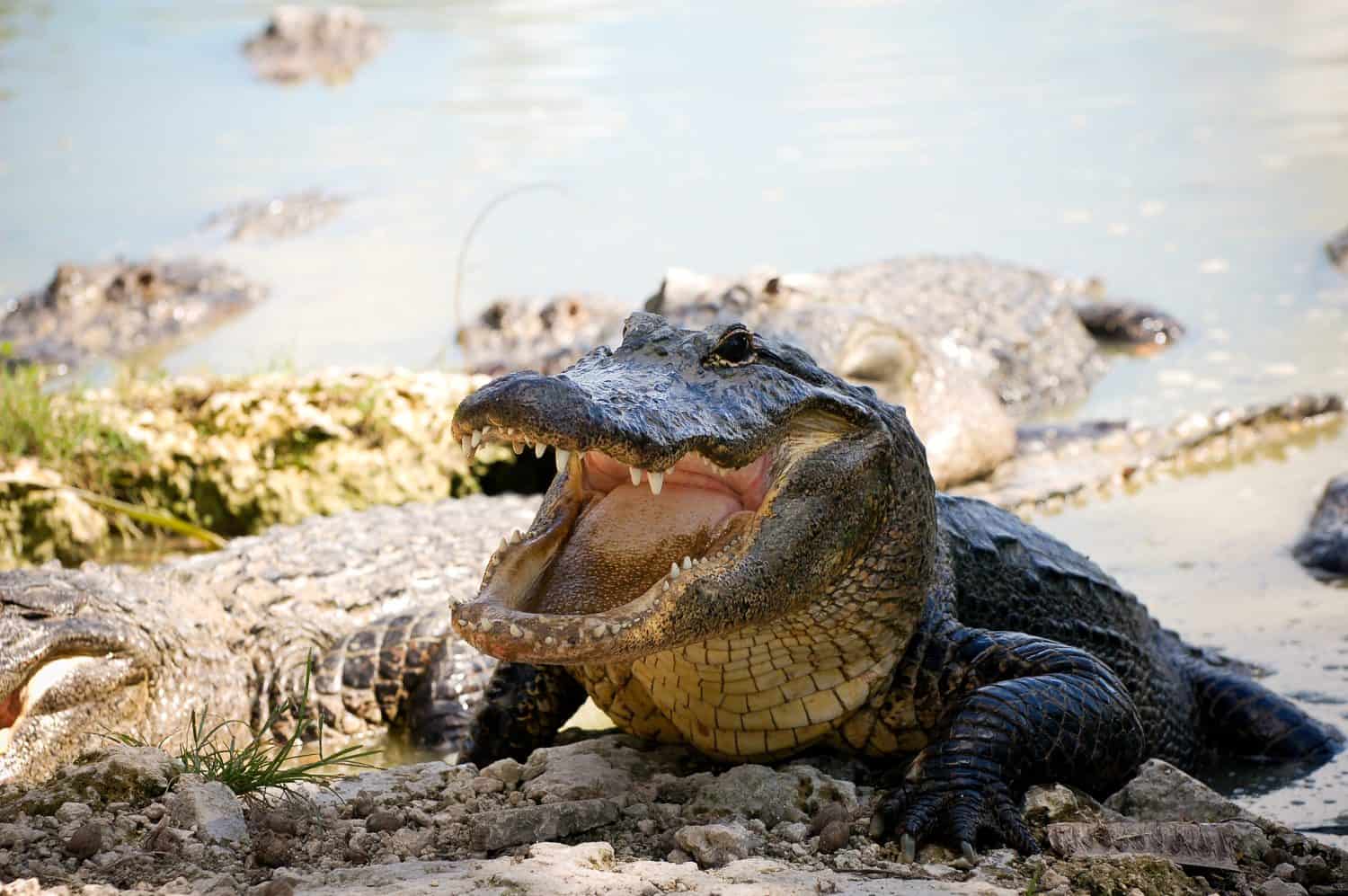
- Alligator U-Shaped Snouts: Alligators possess broad, U-shaped snouts optimized for crushing strength. Their primary diet consists of hard-shelled organisms like turtles, crustaceans, invertebrates, and small-to-medium mammals. This crushing architecture is ideal for stationary or slow-moving prey. Because their prey does not typically fight back aggressively or require prolonged physical restraint, alligators did not need to evolve extreme predatory tenacity against large, violent targets.
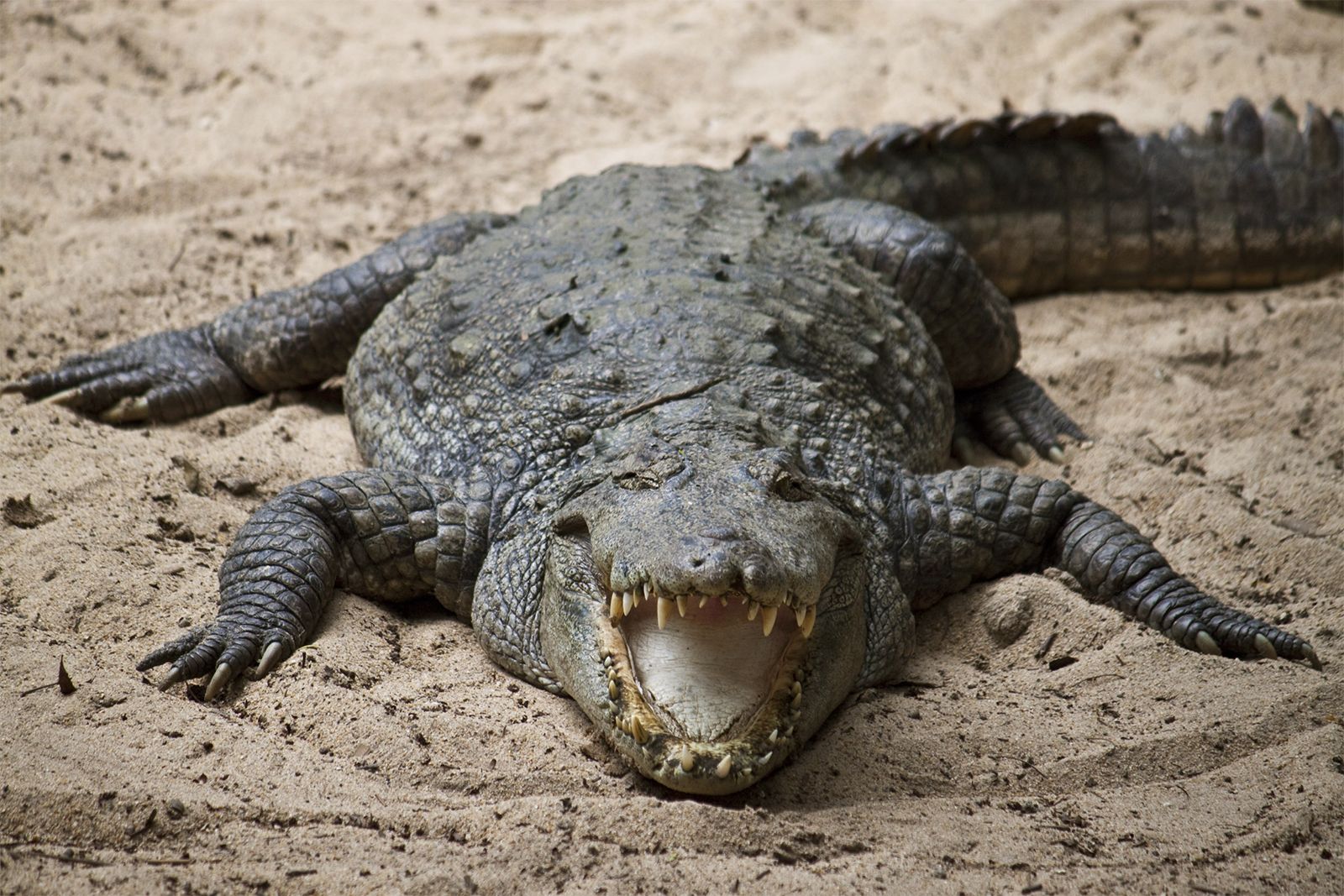
- Crocodile V-Shaped Snouts: Crocodiles feature narrower, V-shaped snouts designed to reduce water resistance during high-speed lateral strikes. This design allows them to catch agile fish and grab massive terrestrial mammals (such as ungulates, cattle, and large primates) drinking at the water line. Capturing large ungulates requires aggressive, persistent physical force, such as the death roll, to subdue struggling prey.
Distribution of Integumentary Sense Organs (ISOs)
Both alligators and crocodiles navigate their murky aquatic habitats using tiny, dome-shaped sensory receptors called Integumentary Sense Organs (ISOs), or pressure receptors. These organs detect micro-disturbances, subtle vibrations, and changes in water pressure caused by moving prey.
The distribution of these organs varies significantly between the two families:
- Alligators: ISOs are located almost exclusively around the jaw, snout, and head area. An alligator must generally orient its head toward a movement to register precise pressure changes, leading to a localized sensory domain.
- Crocodiles: ISOs are distributed across almost every scale on their entire body, from head to tail. According to research published through the IUCN Crocodile Specialist Group, this body-wide sensory network renders crocodiles hyper-sensitive to any disturbance within their water column. A splash anywhere near a crocodile triggers an immediate, systemic predatory or defensive orientation, contributing to their reputation for rapid, unpredictable aggression.
Territoriality, Temperament, and Prey Selection
Aggression in crocodilians is generally categorized into two forms: predatory aggression (hunting for food) and territorial aggression (defending space, mates, or offspring). Alligators display markedly lower indices in both categories compared to major crocodile species.
Dietary Specialization and Human Perception
Neither alligators nor crocodiles inherently view humans as natural prey in the traditional sense; however, their opportunistic feeding behaviors differ radically.
Crocodiles—particularly the Saltwater Crocodile (Crocodylus porosus) and the Nile Crocodile (Crocodylus niloticus)—are large-bodied apex predators evolved to target large mammals. To a mature Nile or Saltwater crocodile, any large body moving near the water's edge registers as potential prey. Their hunting strategy is purely opportunistic and highly aggressive.
Alligators are generally cautious around items that exceed their standard prey size. While a large adult male alligator can physically harm a human, its natural instinct is often to retreat or seek deep water when confronted by large mammals. The majority of alligator bites occur when the animal is cornered, defending a nest, or when it has lost its natural fear of humans due to illegal feeding.
Social Hierarchies and Intraspecific Aggression
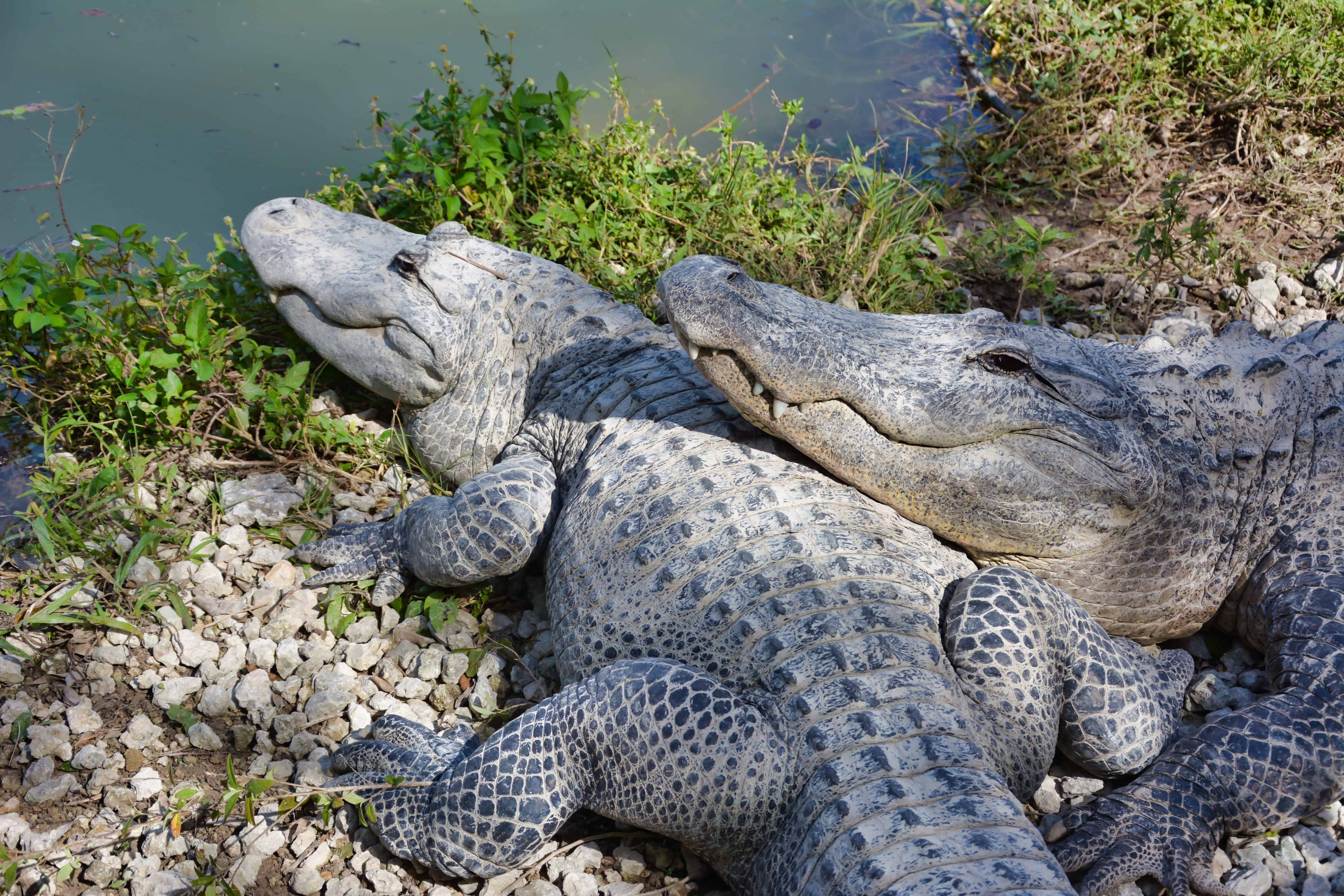
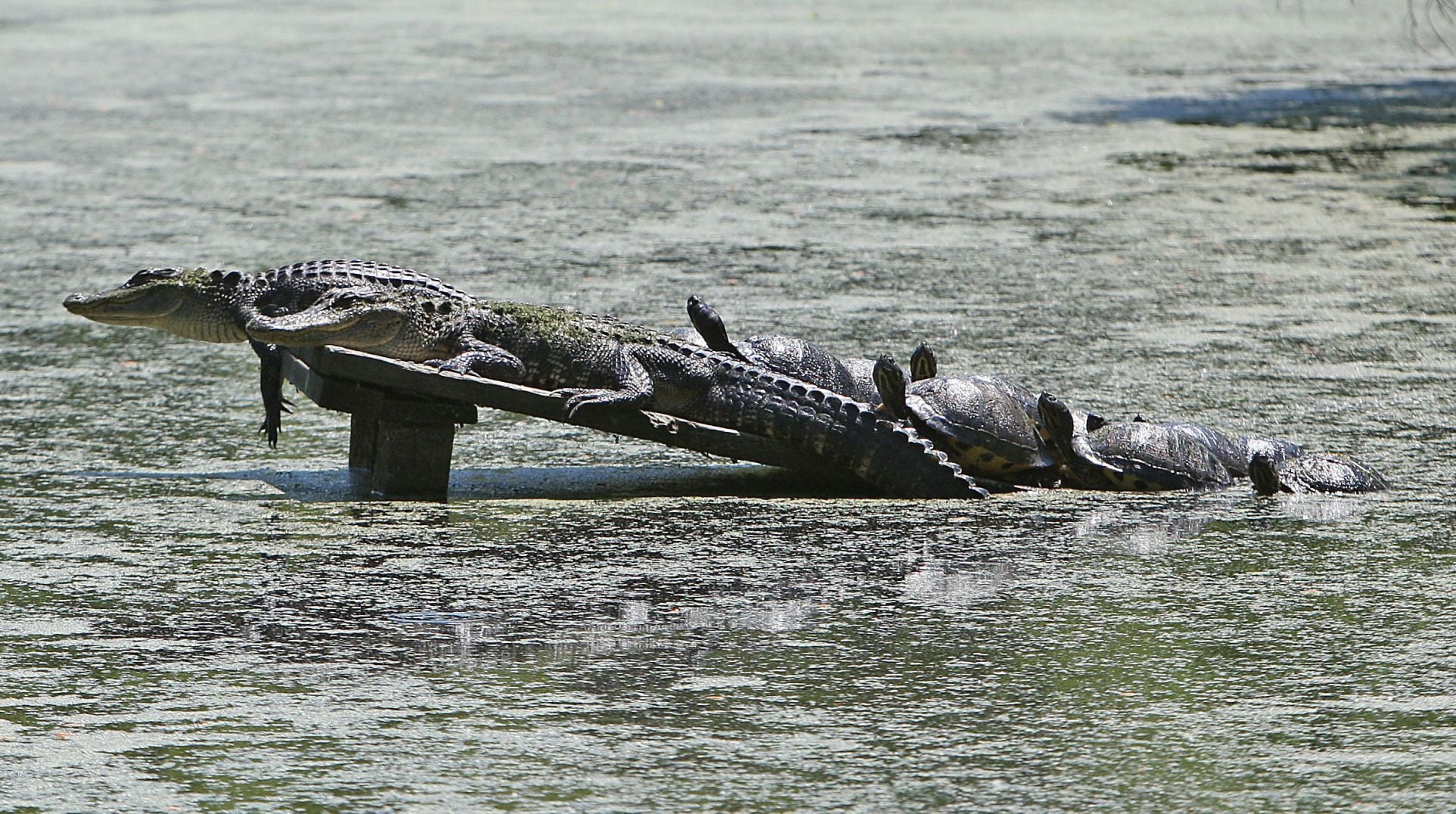
In terms of social structure, alligators demonstrate a surprisingly high degree of tolerance toward members of their own species. During dry seasons in regions like the Florida Everglades, dozens of alligators frequently congregate in remaining deep-water holes ("alligator holes") without engaging in lethal combat. They establish size-based dominance hierarchies through non-lethal displays, such as head-slapping, low-frequency bellows, and posture signaling.
Crocodiles maintain far stricter territorial boundaries. Dominant male Saltwater crocodiles maintain exclusive territories along river systems and will brutally attack or kill subadult males or intruders of any species that enter their zone. This intraspecific aggression bleeds into their interactions with humans, boats, and other animals.
Comparative Matrix: Alligators vs. Crocodiles
The following table summarizes key biological, morphological, and behavioral traits that explain the disparity in aggression levels between alligators and crocodiles:
| Feature / Trait | American Alligator (Alligator mississippiensis) | Saltwater Crocodile (Crocodylus porosus) | Nile Crocodile (Crocodylus niloticus) |
|---|---|---|---|
| Primary Habitat | Freshwater swamps, marshes, lakes | Marine, brackish estuaries, coastal rivers | Rivers, freshwater lakes, estuarine deltas |
| Lingual Salt Glands | Non-functional / Vestigial | Highly functional (Active salt excretion) | Highly functional (Active salt excretion) |
| Snout Shape | Broad, U-shaped (Crushing force) | Tapered, V-shaped (Gripping/tearing) | Medium-broad, V-shaped (Versatile strike) |
| ISO Distribution | Head and jaw region only | Distributed over whole body | Distributed over whole body |
| Baseline Aggression | Moderate to Low (Prefers retreat) | Extremely High (Highly territorial) | Extremely High (Opportunistic apex predator) |
| Brumation Capability | Yes (Tolerates freezing air temps) | No (Strictly tropical/subtropical) | No (Strictly tropical/subtropical) |
| Max Recorded Size | ~4.4 meters (14.5 feet) | ~6.0–7.0 meters (20–23 feet) | ~5.5–6.0 meters (18–20 feet) |
| Primary Hunting Strategy | Opportunistic (Small prey focus) | Aggressive ambush (Large mammal focus) | Aggressive pack/ambush (Large mammal focus) |
Environmental and Human-Induced Behavioral Shifts
While alligators are naturally less aggressive than crocodiles, external factors can drastically alter their behavior, making them significantly more dangerous to humans and domestic animals. Understanding these contextual shifts is essential for managing human-wildlife encounters safely.
The Impact of Illegal Feeding
The single greatest factor contributing to alligator aggression toward humans is habituation through feeding. When humans feed wild alligators—a practice explicitly illegal under wildlife conservation statutes like those enforced by the Florida Fish and Wildlife Conservation Commission—the animals lose their instinctive fear of humans.
Natural Condition: Human Presence ---> Alligator Fleeing Response (Safe) Habituation Cycle: Human Presence ---> Food Association ---> Approach Behavior (Dangerous)
Habituation alters the alligator's cognitive association:
- Loss of Avoidance Behavior: Under natural conditions, an alligator perceives a standing human as an upright, potentially dangerous threat and swims away.
- Food Association: Regular hand-feeding teaches the alligator to associate humans, docks, and boats directly with an easy meal.
- Approach Behavior: Habituated alligators proactively approach shorelines, kayaks, or swimmers. When food is not immediately presented, the frustrated animal may strike defensively or opportunistically.
Nesting and Seasonal Hormonal Surges
Alligator aggression spikes predictably during specific biological cycles:
- Mating Season (Spring): Male alligators experience elevated testosterone levels during the spring courting period. They become vastly more mobile, territorial, and vocal, frequently traveling across land to move between water bodies.
- Nesting Season (Summer): Female alligators construct large mounds of vegetation to deposit eggs. Female alligators demonstrate aggressive nest defense. If a human or animal approaches within close proximity of a nest site, the female will hiss, inflate her body, charge, and bite to defend her clutch.
Practical Encounter Safety Guidelines
Understanding the biological behavioral baseline of crocodilians allows individuals living in or visiting crocodilian habitats to adopt evidence-based safety measures.
1. Maintain Safe Distances
Always maintain a minimum distance of at least 60 feet (18 meters) from wild alligators. If an alligator begins hissing or moving toward you, you are inside its comfort zone and must back away immediately.
2. Restrain Domestic Pets
Pets closely resemble the natural prey size of wild alligators (e.g., raccoons, nutria, small mammals). Dogs splashing near the water line create acoustic and visual signatures that reliably trigger an alligator's predatory drive. Always keep pets on short leashes and well away from natural freshwater banks in crocodilian territories.
3. Avoid Swimming During Peak Activity Hours
Alligators and crocodiles are primarily crepuscular and nocturnal hunters. Avoid swimming, wading, or launching watercraft at dusk, night, or dawn, when crocodilians rely on their sensitive pressure receptors to hunt low-visibility targets.
4. Never Corner or Encircle the Animal
An alligator's lower baseline aggression relies on having an open escape route to deep water. If an alligator feels trapped on land or in shallow water without a path to flee, its behavior will rapidly shift from passive retreat to aggressive self-defense.
Frequently Asked Questions
Can an alligator kill a human?
Yes. While alligator attacks are far less common and less frequently fatal than crocodile attacks, adult alligators possess powerful jaws and significant bite force capable of causing severe injury or death. Most fatal alligator encounters involve habituated animals, large adult specimens, or victims swimming during peak feeding hours in restricted waters.
Are all crocodile species more aggressive than alligators?
Not all crocodile species exhibit extreme aggression. While the Saltwater Crocodile (Crocodylus porosus) and Nile Crocodile (Crocodylus niloticus) are notoriously aggressive, smaller crocodile species—such as the Dwarf Crocodile (Osteolaemus tetraspis) or the Australian Freshwater Crocodile (Crocodylus johnsoni)—are relatively timid and rarely pose a threat to humans unless directly handled.
How can you tell an alligator from a crocodile visually?
The two most reliable visual identifiers are snout shape and tooth visibility:
- Snout: Alligators have wide, rounded, U-shaped snouts; crocodiles have longer, narrower, V-shaped snouts.
- Teeth: When an alligator closes its mouth, its lower teeth fit into sockets in the upper jaw, leaving only upper teeth visible. When a crocodile closes its mouth, the large fourth tooth on the lower jaw remains exposed outside the upper lip.
Do alligators and crocodiles ever live in the same area?
Yes. The only place on Earth where alligators and crocodiles natively coexist is in South Florida, specifically within the Everglades National Park ecosystem. Here, the American Alligator (Alligator mississippiensis) shares freshwater and brackish habitats with the American Crocodile (Crocodylus acutus).
Why do crocodiles have a stronger drive to hunt large mammals than alligators?
Crocodiles evolved in warm, tropical regions where large mammals frequently gather at water edges to drink or cross rivers. Species like the Nile crocodile adapted their body size, tooth structure, and behavioral tenacity to capture animals as large as zebras and wildebeest. Alligators evolved alongside smaller North American aquatic fauna, making large-mammal hunting unnecessary for their survival.
Operational Summary and Action Plan
The lower aggression observed in alligators compared to crocodiles is a documented biological reality driven by osmoregulatory limitations, temperate climate adaptations, broad U-shaped jaw morphology, and restricted ISO sensory distribution. While crocodiles operate as hyper-vigilant, highly territorial predators evolved for large-mammal ambush, alligators are energy-conserving opportunists that generally prefer retreat over confrontation.
When visiting crocodilian habitats:
- Treat all natural water bodies in crocodilian ranges as potentially inhabited.
- Keep a minimum standoff distance of 60 feet from any crocodilian on land or in water.
- Report any habituated or aggressive alligators to local wildlife authorities immediately rather than attempting to handle or relocate the animal yourself.
Image Gallery