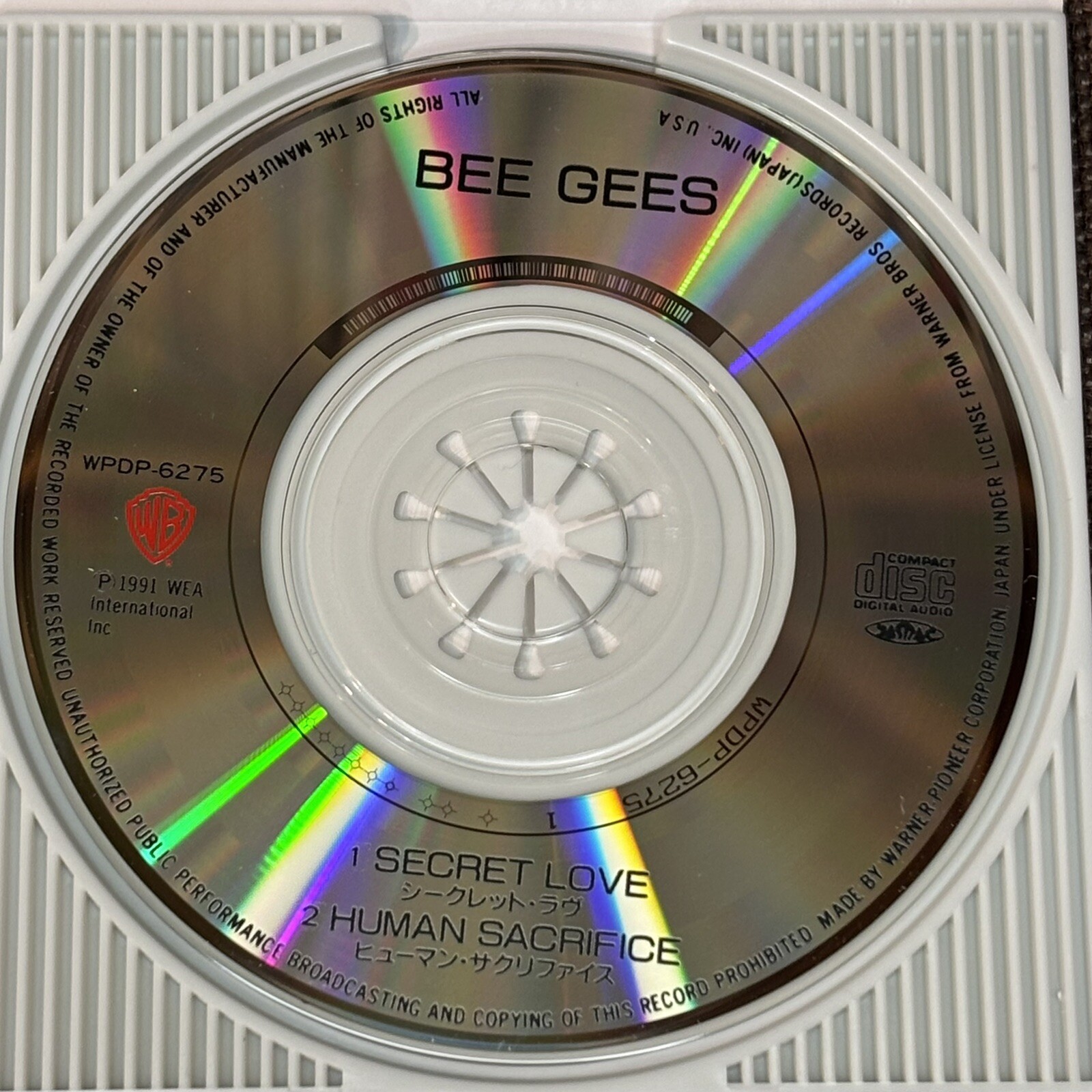
Bee Gees "Secret Love" Lyrics Explained: Meaning, Themes, and Song Analysis
"Secret Love," released by the Bee Gees in 1991 on their nineteenth studio album High Civilization, is a poignant exploration of unfulfilled passion, concealed emotions, and the anxiety of romantic vulnerability. The lyrics dissect the...
"Secret Love," released by the Bee Gees in 1991 on their nineteenth studio album High Civilization, is a poignant exploration of unfulfilled passion, concealed emotions, and the anxiety of romantic vulnerability. The lyrics dissect the internal struggle between revealing true feelings and protecting oneself from rejection within the fast-paced, distant landscape of modern relationships.
Contents
Context and Background: The High Civilization Era
When Barry, Robin, and Maurice Gibb recorded High Civilization in 1990 and early 1991, the group was navigating a distinct phase of their multi-decade career. Following their triumphant comeback album E.S.P. (1987) and its successor One (1989), the brothers continued to refine a contemporary pop sound that blended electronic rhythms, atmospheric synthesizers, and intricate vocal arrangements.
"Secret Love" stood out as the album's lead single in the United Kingdom and Europe, reaching the top five on the UK Singles Chart in early 1991. While American radio radio programming was transitioning toward alternative rock and hip-hop during this period, European audiences embraced the single's synth-pop groove and memorable melodramatic melody.
Unlike traditional pop ballads that address straightforward romance, "Secret Love" incorporates a driving beat beneath a melancholic lyrical narrative. The contrast between upbeat electronic instrumentation and somber lyrical themes was a hallmark of late 1980s and early 1990s pop production, creating a tension that elevates the song's emotional weight.
Core Narrative and Lyrical Breakdown
The lyrical narrative of "Secret Love" centers on a protagonist trapped in an emotional stalemate. The narrator deeply desires a romantic relationship with someone close to them but remains hesitant to speak openly. This hesitation creates a private world of longing that exists alongside everyday life.
Verse-by-Verse Emotional Progression
The song opens with an atmosphere of quiet isolation. The initial lines set the scene of late-night reflection, where the narrator contemplates their unexpressed feelings. The text highlights how public interactions often mask deep internal turmoil:
- Opening Verses: The lyricist describes observing the object of affection from a safe distance. The protagonist speaks of shadows, unspoken words, and moments where a single gesture could reveal everything. By remaining silent, the speaker protects the relationship from potential awkwardness or destruction, yet sacrifices their own peace of mind.
- The Escalation: As the verses progress, the text moves from passive observation to an active internal conflict. The narrator acknowledges that keeping the emotion hidden requires constant vigilance. Every glance, touch, or casual conversation becomes a calculated effort to conceal the truth.
The Central Paradox of "Modern Day Romance"
The chorus delivers the emotional core of the song, framing the situation within the broader context of contemporary relationships:
"Secret love, modern day romance..."
Here, the Gibb brothers present a commentary on how personal connections function in a modern society. The phrase "modern day romance" suggests that despite increased communication technology and urban density, individuals often feel more disconnected and guarded than ever. Romantic dynamics become complex games of self-preservation, where showing genuine emotion is perceived as a vulnerability.
The repetition of "looking for a second chance" in the narrative hints at past heartbreak. The narrator's fear of exposure is not merely abstract; it is rooted in prior emotional trauma. Holding onto a secret love becomes a defense mechanism designed to prevent history from repeating itself.
Vocal Arrangements and Emotional Delivery
The vocal delivery of "Secret Love" reinforces the thematic depth of the text. Robin Gibb leads the song's verses with his signature vibrato, conveying vulnerability, urgency, and desperation. Robin's vocal timbre naturally captures the sensation of a voice breaking under emotional strain, making him the ideal choice to lead verses that detail private suffering.
When the song transitions into the chorus, Barry and Maurice join with layered harmonies. This vocal layering expands the soundscape, transforming individual isolation into a shared, universal expression. The blending of the brothers' voices adds a dramatic swell, signaling that the emotional secret has become too large for one voice to contain.
Key Themes Explored in "Secret Love"
Understanding "Secret Love" requires examining the distinct thematic layers woven throughout the composition. The Gibb brothers frequently explored complex relationship dynamics throughout their discography, but "Secret Love" stands out for its realistic portrayal of emotional hesitation.
- Unexpressed Desire
- Emotional Risk Assessment
- Fear of Rejection
- Guarded Vulnerability
- Internalized Isolation
- Longing for Connection
Unrequited Affection vs. Guarded Vulnerability
At its surface, the song touches on unrequited affection, but the lyrics suggest a more nuanced situation. The object of affection may not necessarily be indifferent; rather, the narrator has never given them the opportunity to respond. The true obstacle in the song is not external rejection, but internal fear.
The lyrics illustrate the paradox of modern dating:
- The Desire for Intimacy: The deep human need to be known, understood, and loved by another person.
- The Fear of Exposure: The anxiety that revealing one's true self will lead to abandonment or loss of control.
- The Refuge of Silence: The decision to remain silent, keeping the ideal of love alive in memory and imagination rather than risking its destruction in reality.
The Urban Isolation of 1990s Pop Songwriting
The backdrop of the song reflects the wider cultural climate of the early 1990s. As urban centers expanded and digital technologies began to reshape daily interactions, pop songwriting increasingly reflected themes of alienation and emotional distance. "Secret Love" captures this mood by depicting a protagonist who feels utterly alone while standing in plain sight.
Structural and Musical Analysis
The effectiveness of "Secret Love" relies on how its musical architecture supports its lyrical themes. Below is an overview of the track's key composition features, production elements, and thematic markers.
| Element | Description | Impact on Lyrical Meaning |
|---|---|---|
| Primary Genre | Synth-Pop / Adult Contemporary | Driving dance beat creates tension against melancholic lyrics. |
| Lead Vocalist | Robin Gibb (Verses), Gibb Harmonies (Chorus) | Robin's emotional vibrato conveys vulnerability and urgency. |
| Key Lyrical Motif | Hidden emotion and self-preservation | Highlights the conflict between expressing love and fear of rejection. |
| Tempo & Rhythm | Mid-tempo, steady electronic percussion | Simulates the relentless passage of time while feelings remain stuck. |
| Harmonic Structure | Minor key verses resolving into major/minor chorus | Reflects the constant shift between hopeful longing and dark reality. |
| Album Context | Track 2 on High Civilization (1991) | Positioned early on the album as a major commercial focal point. |
How "Secret Love" Fits into the Bee Gees' Songwriting Evolution
The Bee Gees are widely recognized for their masterclass songwriting, which spans six decades. Comparing "Secret Love" to their broader catalog reveals how their approach to romantic lyrics evolved over time.
Early 1960s vs. Late 1970s vs. Early 1990s
In the 1960s, early classics like "To Love Somebody" and "I Started a Joke" approached romantic despair with dramatic orchestral arrangements and straightforward poetic declarations. By the late 1970s, disco-era hits like "How Deep Is Your Love" framed romance through warm, smooth soundscapes that emphasized devotion and emotional security.
By 1991, "Secret Love" presented a darker, more pragmatic view of romantic relationships:
- 1960s Ballads: Focus on external obstacles, theatrical heartbreak, and idealistic devotion.
- 1970s Disco/Pop: Focus on reciprocal love, physical rhythm, and emotional warmth.
- 1990s Synth-Pop: Focus on psychological tension, self-protection, and the complexities of modern intimacy.
"Secret Love" demonstrates how the Gibb brothers updated their lyrical themes to reflect mature, adult realities while adapting their production style to meet contemporary radio standards.
Frequently Asked Questions
What album features the Bee Gees song "Secret Love"?
"Secret Love" was released on the Bee Gees' nineteenth studio album, High Civilization, in 1991. It served as the lead commercial single for the album in Europe and the United Kingdom.
Who sings lead vocals on "Secret Love"?
Robin Gibb sings the lead vocals during the verses, delivering the song's emotional and narrative verses. Barry Gibb and Maurice Gibb join Robin on the chorus, providing the group's signature three-part vocal harmonies.
Was "Secret Love" a successful single?
Yes, "Secret Love" was a commercial success, particularly in Europe. It achieved top-five status on the UK Singles Chart in early 1991 and performed strongly across European music charts.
What is the main message of the lyrics in "Secret Love"?
The main message of "Secret Love" centers on the psychological struggle of concealing true feelings for someone out of fear of rejection or changing the existing dynamic. It addresses the emotional cost of holding onto affection in silence.
Who wrote "Secret Love"?
"Secret Love" was written by the brothers Barry Gibb, Robin Gibb, and Maurice Gibb, continuing their long-standing practice of collaborative songwriting.
Conclusion and Listening Recommendations
"Secret Love" remains one of the Bee Gees' most compelling late-career singles. By contrasting driving synth-pop production with a deeply vulnerable exploration of emotional concealment, the track offers a insightful portrait of romantic hesitation.
To fully appreciate the craftsmanship of "Secret Love":
- Listen with Headphones: Pay attention to how Robin Gibb's solo vocal in the verses transitions into the layered three-part harmonies of the chorus.
- Explore the Album Context: Listen to High Civilization in its entirety to understand how "Secret Love" anchors the electronic pop soundscapes the group explored during the early 1990s.
- Compare Vocal Performances: Contrast Robin Gibb's delivery on "Secret Love" with his performance on earlier classics like "I Started a Joke" (1968) or "How Can You Mend a Broken Heart" (1971) to observe his growth as a narrative vocalist.
Image Gallery