SRO Net Worth and Its Global Impact: Financial Architecture and Market Influence
A Self-Regulatory Organization (SRO) derives its financial standing—or organizational net worth—from accumulated capital reserves, regulatory fines, and member registration fees. Rather than generating private profit, an SRO's net asse...
A Self-Regulatory Organization (SRO) derives its financial standing—or organizational net worth—from accumulated capital reserves, regulatory fines, and member registration fees. Rather than generating private profit, an SRO's net assets directly empower its global impact: funding cross-border market surveillance, technological enforcement, and investor protection across multi-trillion-dollar global financial networks.
Contents
Understanding SRO Financial Structures and Net Worth
In international finance and corporate governance, a Self-Regulatory Organization (SRO) is an entity authorized by government regulators to set industry standards, enforce compliance rules, and discipline member firms. Prominent examples include the Financial Industry Regulatory Authority (FINRA) and the National Futures Association (NFA) in the United States, the Canadian Investment Regulatory Organization (CIRO), and the Japan Securities Dealers Association (JSDA). Unlike traditional public corporations that distribute equity dividends to shareholders, an SRO operates as a non-profit or quasi-governmental entity. Consequently, an SRO’s "net worth" is expressed as its net assets, accumulated capital reserves, or retained surplus.
An SRO accumulates its capital reserve through several distinct revenue channels:
- Member Assessment Fees: Annual dues, transaction charges, and filing fees levied on broker-dealers, investment advisors, and financial exchanges.
- Regulatory Fines and Sanctions: Disciplinary monetary penalties imposed on non-compliant institutions, which are strictly restricted by charter to funding regulatory operations, compliance technology, and investor education.
- User and Technology Fees: Fees charged for licensing registration databases (such as the Central Registration Depository) or automated regulatory reporting tools.
- Investment Income: Interest and dividends earned from managing the organization's reserve portfolio, which is typically held in high-grade liquid fixed-income instruments to guarantee operational liquidity.
The financial strength of an SRO determines its independence. A robust reserve buffer ensures that an SRO can investigate complex corporate fraud, prosecute institutional misconduct, and maintain surveillance systems without relying on taxpayer funding or succumbing to political gridlock.
The Global Impact of SRO Financial Solvency
The operational net worth of major SROs acts as a critical foundation for global financial stability. Because modern capital markets are digitally interconnected across time zones, financial distress or non-compliance in one jurisdiction can instantly propagate systemically worldwide. An SRO with substantial financial backing generates multi-layered global impact across key dimensions.
- SRO Capital Reserves
- Technological Enforcement
- AI Market Surveillance
- Cloud Audit Infrastructure
- Cross-Border Harmonization
- IOSCO Alignment
- Shared Threat Intelligence
- Global Capital Market Stability
- Technological Enforcement
Advanced Technological Enforcement and Market Surveillance
High-frequency algorithmic trading, decentralized finance protocols, and cross-border arbitrage require sophisticated monitoring technology. SROs deploy billions of dollars from their capital reserves into high-performance cloud infrastructure and machine learning tools capable of processing tens of billions of market events daily.
For instance, surveillance platforms run by major SROs digest orders, cancellations, and executed trades across equity and options markets to detect insider trading, spoofing, wash trading, and market manipulation in real time. Without strong net asset positions, regulatory bodies could not match the technological sophistication of the quantitative funds and investment banks they oversee.
Cross-Border Regulatory Harmonization
Capital flows seamlessly across international borders. Institutional investors in London, Tokyo, and New York trade identical financial instruments simultaneously. SROs leverage their financial resources to participate in international standard-setting bodies, such as the International Organization of Securities Commissions (IOSCO).
By establishing unified compliance protocols, anti-money laundering (AML) verification standards, and cybersecurity requirements, financially secure SROs prevent global regulatory arbitrage—the practice where rogue market participants exploit weak local regulatory regimes to breach international financial laws.
Liquidity Buffers and Systemic Risk Mitigation
During severe financial crises, trading volumes surge dramatically, placing unprecedented operational stress on clearing facilities, reporting feeds, and compliance monitoring infrastructures. An SRO with deep financial reserves maintains operational resilience during high-volatility market crashes. These reserves fund emergency market intervention units, maintain round-the-clock trading floor oversight, and support dispute resolution platforms like international arbitration tribunals.
Financial Footprint of Major Global SROs
The financial architecture and global reach of SROs vary depending on their geographic jurisdiction, regulatory charter, and asset class focus. The table below details the operational structures, primary revenue mechanisms, and systemic market impacts of leading global self-regulatory organizations.
| Organization | Region / Jurisdiction | Primary Funding Mechanisms | Key Asset Allocation | Global Systemic Impact |
|---|---|---|---|---|
| FINRA (Financial Industry Regulatory Authority) | United States | Member fees, transaction charges, registration assessments, fines | Cloud surveillance, automated audit trails (CAT), legal enforcement, investor protection funds | Oversees thousands of broker-dealers; monitors billions of daily US equity/options transactions affecting global portfolios. |
| NFA (National Futures Association) | United States / International | Assessment fees on futures/swaps contracts, membership dues | Derivatives surveillance technology, forex oversight, cybersecurity protocols | Guarantees integrity across global commodity, futures, and swaps markets used worldwide for hedging macro risks. |
| CIRO (Canadian Investment Regulatory Organization) | Canada | Firm registration fees, market regulation assessments | Single-enhanced regulatory portal, cross-provincial enforcement teams | Standardizes equity and fixed-income oversight across Canadian capital markets, aligning rules with US and European frameworks. |
| JSDA (Japan Securities Dealers Association) | Japan | Member firm dues, underwriting fees, transaction surcharges | Asian capital market integration, bond market settlement compliance systems | Maintains stability across Asia-Pacific capital markets, regulating Japan’s massive domestic and foreign debt trading systems. |
Disambiguation: Commercial Net Worth vs. Regulatory Net Assets
When discussing "SRO net worth," it is essential to distinguish between institutional regulatory organizations and commercial corporate entities operating under similar acronyms.
Commercial Entities: SRO Motorsports Group
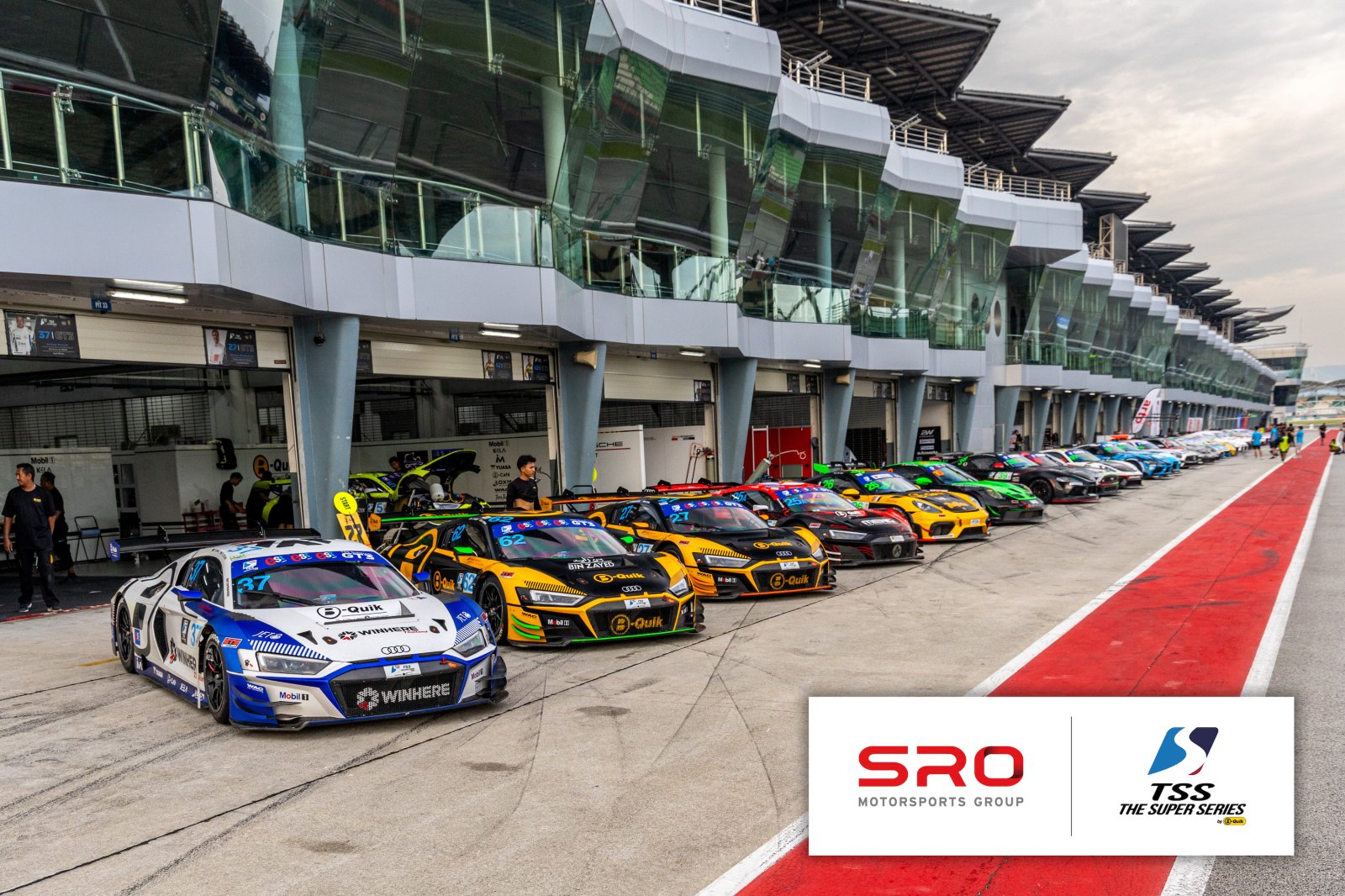
In international sports business, SRO commonly refers to the SRO Motorsports Group (founded by Stéphane Ratel). Unlike non-profit financial regulators, SRO Motorsports Group is a private, commercial entity specializing in the promotion and management of GT (Grand Touring) circuit racing globally, including the Fanatec GT World Challenge and the Intercontinental GT Challenge.
The net worth of commercial entities like SRO Motorsports Group is measured via enterprise valuation, broadcasting rights, corporate sponsorships, and venue licensing revenue. Its global impact is felt across the automotive industry, driving commercial sponsorships, vehicle manufacturer R&D investments, and international sports tourism.
Financial Regulatory SROs
Conversely, financial SROs operate under legal charters granted by statutory regulatory agencies (such as the U.S. Securities and Exchange Commission or the U.K. Financial Conduct Authority). Their net assets are held in trust to sustain regulatory independence. Profits are not distributed to owners or executives; instead, any operational surplus is reinvested into regulatory infrastructure or used to lower future member assessments.
Critical Challenges Facing SRO Financial Sustainability
Despite their substantial capital reserves, SROs face growing structural challenges that affect their financial sustainability and global efficiency.
Conflicts of Interest and Regulatory Capture
Because SROs receive their funding directly from the financial institutions they regulate, critics frequently raise concerns regarding regulatory capture. If a small group of large investment banks contributes a disproportionate share of an SRO's membership fees, the organization may face structural pressure to temper enforcement actions or reduce fine amounts. Maintaining an independent reserve fund is vital to insulating enforcement teams from institutional pressure.
- Broker-Dealers / Financial Member Institutions
- Pays Dues & Fees
- Self-Regulatory Organization (Capital Reserves)
- Market Oversight (Serves Public Interest)
- Member Enforcement (Regulates Payers)
Escalating Technological Costs
The rapid adoption of artificial intelligence in algorithmic trading, high-frequency execution, and decentralized finance (DeFi) has created an arms race between regulated market entities and oversight bodies. Upgrading audit trails, building machine-learning anomaly detection algorithms, and maintaining multi-cloud data environments require continuous capital expenditure, threatening to deplete SRO reserve margins if fee schedules fail to adapt.
Fragmented Cross-Border Jurisdictions
Financial markets operate globally, but SRO legal authority remains strictly territorial. When fraudulent schemes span multiple jurisdictions, an individual SRO must spend significant legal and administrative resources coordinating with foreign regulators. Harmonizing regulatory standards across different sovereign legal regimes remains one of the most resource-intensive tasks for SRO compliance departments.
Monitoring SRO Financial Health and Compliance Efficacy
Institutional investors, compliance officers, and market analysts regularly audit the financial reports and regulatory outputs of SROs to gauge market integrity. Evaluating an SRO’s balance sheet involves several key steps:
- Examine Annual Financial Reports: Review audited financial statements published by the SRO. Analyze net asset growth, liquidity ratios, and the proportion of operating budgets funded by stable member fees versus unpredictable fine revenues.
- Assess Fines vs. Operational Allocation: Verify that funds collected from disciplinary actions are segregated into designated technological or educational reserves rather than used for general administrative overhead.
- Evaluate Surveillance Infrastructure Investments: Track capital expenditure trends in data architecture and cloud monitoring. Increased technology spending directly correlates with higher detection rates for market abuse.
- Review Cross-Jurisdictional Agreements: Check whether the SRO maintains multilateral memoranda of understanding (MMOUs) with international oversight bodies like IOSCO, ensuring shared intelligence during cross-border market disruptions.
Frequently Asked Questions
What does SRO stand for in financial markets?
In financial markets, SRO stands for Self-Regulatory Organization. It refers to an independent, non-governmental entity empowered by statutory law to create operational rules, monitor member conduct, enforce compliance, and protect investors within securities, futures, and capital markets.
How do non-profit SROs accumulate net worth or net assets?
Non-profit SROs generate operational reserves through member registration fees, market transaction surcharges, technology licensing fees, fine collections, and returns on liquid investment portfolios. Surpluses are retained on the balance sheet as net assets to fund long-term technological and enforcement capabilities.
Why is the financial strength of an SRO important to global investors?
A financially strong SRO has the technological and legal resources necessary to detect market manipulation, monitor high-frequency trading networks, and enforce fair practices across international exchanges. This stability protects cross-border investments and ensures systemic market resilience during financial crises.
Are regulatory fines counted toward an SRO's private profit?
No. Statutory guidelines forbid SROs from treating regulatory fines as profit or using them to fund executive bonuses. Fine revenue is strictly restricted to designated balance-sheet accounts used for capital-intensive technology projects, market surveillance infrastructure, and investor protection initiatives.
How does SRO net worth differ from commercial business net worth?
Commercial business net worth represents equity value belonging to private owners or public shareholders. In contrast, an SRO’s net worth consists of public-interest regulatory assets held in reserve to fund compliance, maintain market surveillance, and protect market participants without relying on taxpayer funding.
Actionable Next Steps
To evaluate how SRO financial standing and regulatory updates affect your organization or investment strategy, consider the following actions:
- Review SRO Annual Reports: Access public financial filings from entities like FINRA or NFA to analyze operational reserve allocations and technological investments.
- Audit Internal Compliance Infrastructure: Ensure your firm’s trade reporting systems interface smoothly with SRO audit trails (such as the Consolidated Audit Trail) to minimize non-compliance risk.
- Monitor Cross-Border Regulatory Updates: Track joint guidance issued by SROs and global bodies like IOSCO to stay compliant with evolving international market standards.
Image Gallery