Siegfried and Roy at The Mirage: The Rise, Peak, and Legacy of Las Vegas's Most Iconic Spectacle
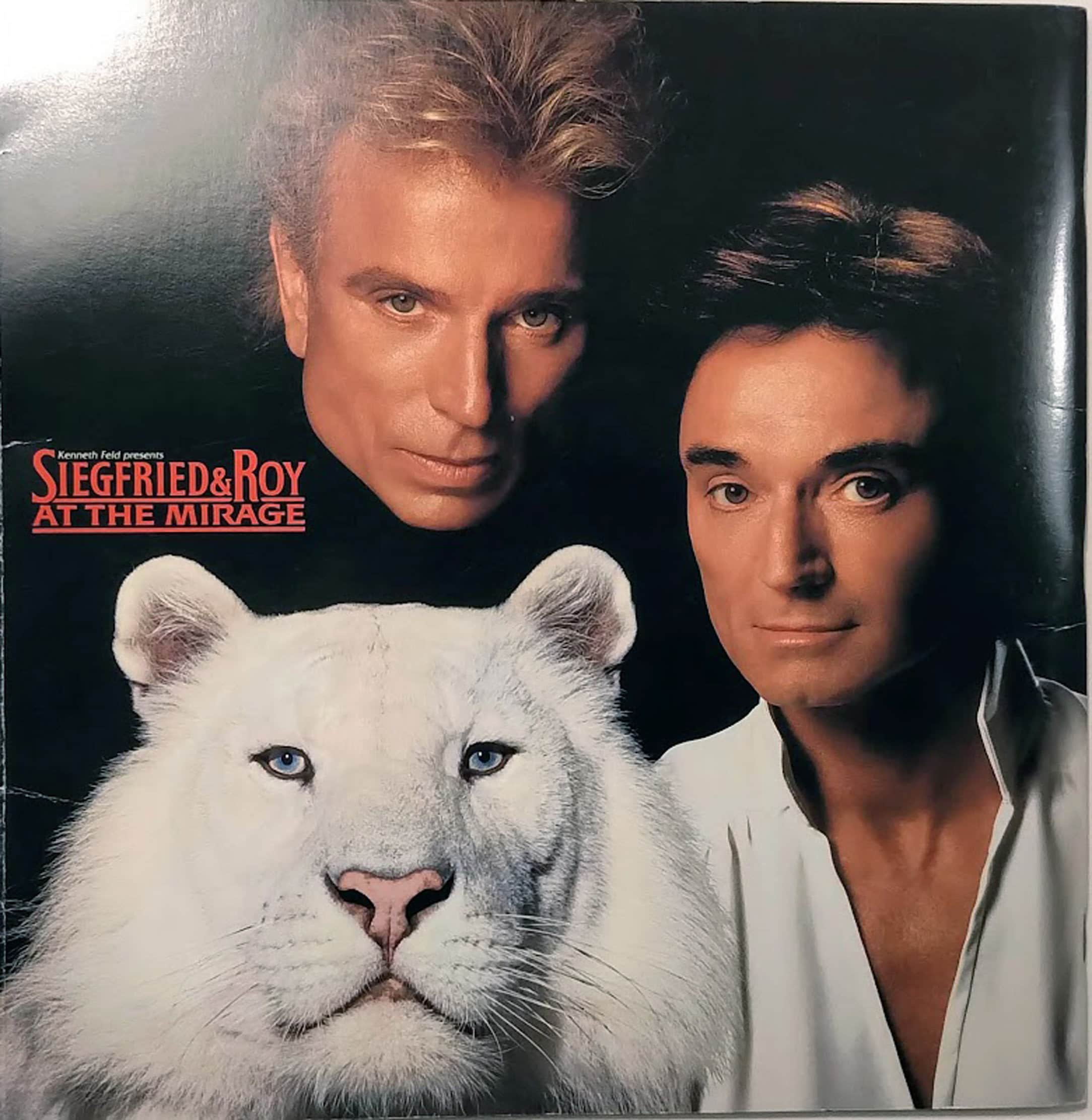
From 1990 through 2003, Siegfried & Roy at The Mirage represented the absolute pinnacle of Las Vegas entertainment. The German illusionist duo, Siegfried Fischbacher and Roy Horn, redefined modern casino entertainment by combining larg...
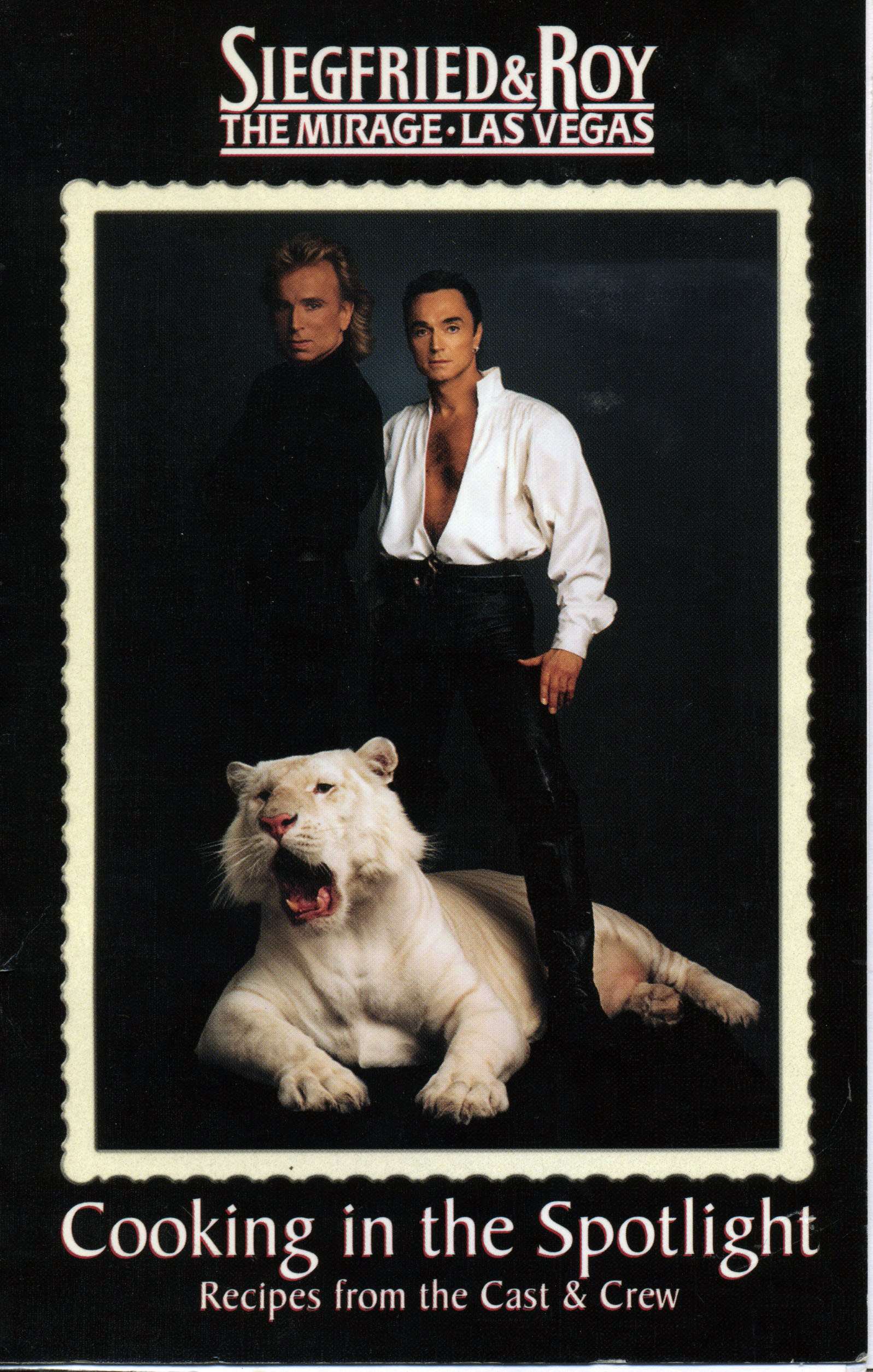
From 1990 through 2003, Siegfried & Roy at The Mirage represented the absolute pinnacle of Las Vegas entertainment. The German illusionist duo, Siegfried Fischbacher and Roy Horn, redefined modern casino entertainment by combining large-scale magic illusions with rare white tigers and lions. Their 13-year residency permanently transformed the Las Vegas Strip into a destination for family-friendly, high-budget production shows.
Contents
The Road to The Mirage: Redefining Las Vegas Entertainment
Before Siegfried & Roy signed their record-breaking agreement with resort developer Steve Wynn, Las Vegas entertainment was primarily dominated by traditional lounge acts, classic crooners, and Parisian-style showgirl revues. Siegfried Fischbacher, the master technician of magic, and Roy Horn, the charismatic animal trainer, met in 1957 while working aboard the German ocean liner TS Bremen. Roy had smuggled a cheetah named Chico aboard the ship, leading to their first collaborative magic act combining illusion and exotic felids.
Throughout the 1960s and 1970s, the duo toured European night clubs before making their Las Vegas debut in 1967 as part of the Folies Bergère show at the Tropicana. They later headlined at the Stardust and the MGM Grand (now Paris Las Vegas/Bally's), steadily scaling up their grand illusions and expanding their signature menagerie of white tigers. By the late 1980s, their unique combination of theatricality, mysticism, and high-risk animal handling had established them as the premier production act in Southern Nevada.
When casino developer Steve Wynn conceived The Mirage in the late 1980s, he sought a marquee attraction that would position his new resort as a premier luxury destination. Wynn took an unprecedented financial gamble by signing Siegfried & Roy to a guaranteed five-year, $57 million contract in 1988—the largest contract in live performance history at that time. Wynn built a custom, state-of-the-art 1,500-seat theater specifically tailored to the duo's elaborate staging requirements, setting the standard for future Las Vegas mega-resort residencies.
| Year | Residency Chronology & Key Milestones |
|---|---|
| 1988 | Signed record $57M contract with Steve Wynn for The Mirage |
| 1990 | Opening night of "Siegfried & Roy" at The Mirage (Feb 1) |
| 1997 | Secret Garden and Dolphin Habitat opens to the public |
| 2001 | Duo signs landmark lifetime contract with Mirage Resorts |
| 2003 | Final performance following the Oct 3 stage incident |
Inside the Mirage Production: Staging, Animals, and Spectacle
The custom-built Siegfried & Roy Theatre at The Mirage was designed to handle technical effects never before attempted in a daily live performance setting. Opening on February 1, 1990, the production cost an estimated $30 million to build and stage, featuring custom hydraulics, pyrotechnics, lighting systems, and mechanical props designed to elevate grand illusion into high art.
The storyline of the show blended mythological themes with high-energy pop culture aesthetics. Backed by a soundtrack composed by Michael Brennan and original costume designs featuring sequined armor and elaborate robes, Siegfried & Roy entered the stage amidst smoke, fire, and flying mechanical creatures. Siegfried executed complex vanishings, teleportations, and levitations, while Roy interacted directly with massive predators, showcasing an extraordinary level of rapport with animals that had traditionally been viewed only through iron bars.
Beyond the physical theater, the production integrated an extensive off-stage infrastructure to house and care for the show's animal stars. The performers established a dedicated breeding program aimed at preserving rare white tigers and white lions. In 1997, the resort opened Siegfried & Roy's Secret Garden and Dolphin Habitat, an outdoor sanctuary allowing visitors to view the exotic cats, panthers, leopards, and Atlantic bottlenose dolphins during daytime non-performance hours. The operational care of these animals required a round-the-clock veterinary team, specialized diets, and climate-controlled habitats tailored to Nevada’s desert conditions.
Financial Impact and Key Operational Metrics
During its 13-year run at The Mirage, the show played to sold-out audiences six nights a week, generating hundreds of millions of dollars in ticket revenue and secondary resort spending. The success of the show proved that non-gaming attractions could serve as massive profit centers for resort properties, effectively reshaping the financial model of modern Las Vegas.
| Operational Metric | Historical Value / Detail |
|---|---|
| Residency Duration | February 1, 1990 – October 3, 2003 (13.5 Years) |
| Total Performances | Over 5,700 shows at The Mirage |
| Total Attendance | Estimated 10.5+ million spectators |
| Original Theater Capacity | Approximately 1,500 seats (later expanded) |
| Ticket Pricing (Peak) | $100–$125+ (Included tax, tip, and two drinks) |
| Guaranteed Contract Value | $57M initial 5-year contract; extended to lifetime agreement |
| Animal Roster (Peak) | 50+ white tigers, white lions, panthers, leopards, and an elephant |
The financial stability provided by the duo allowed The Mirage to remain one of the top-grossing casino properties on the Strip throughout the 1990s. The show regularly attracted high-net-worth foreign tourists, corporate convention attendees, and celebrity guests, solidifying the idea that a resort could be anchored by a single theatrical production.
The Night of October 3, 2003: The Incident with Montecore
On the evening of October 3, 2003, during a sold-out show celebrating Roy Horn's 59th birthday, the production came to a sudden end. Approximately 45 minutes into the performance, Roy was on stage with Montecore, a seven-year-old, 380-pound male white tiger.
During the routine, Montecore strayed from his designated marks. When Roy attempted to guide the tiger back into position, the animal bit Horn's sleeve. Roy tapped the tiger on the nose to break its grip, at which point Montecore knocked Horn down and bit deeply into his neck, dragging him offstage before crew members were able to discharge fire extinguishers to free Horn.
Roy suffered severe physical trauma, including a severe neck wound, critical blood loss, and a stroke that resulted from the injury. As he was being rushed to University Medical Center in critical condition, Horn reportedly pleaded with emergency handlers not to harm the tiger, insisting that Montecore was acting out of protection or instinct rather than malice.
The incident sparked an extensive investigation by the United States Department of Agriculture (USDA), which regulates exotic animal handling, alongside local law enforcement and casino management. While public speculation debated whether the tiger was startled by an audience member, suffered a medical episode, or reacted to physical cues, the definitive underlying psychological cause for Montecore's behavior remained unconfirmed.
Aftermath, Closure, and the Evolution of The Mirage
The immediate consequence of the October 3 incident was the permanent cancellation of Siegfried & Roy at The Mirage. The closure resulted in the sudden termination of hundreds of theatrical production jobs and left a major void in the resort's entertainment lineup.
Montecore was placed in quarantine for safety evaluations but was not euthanized. Following his clearance, the tiger returned to live out his life at the Secret Garden habitat alongside the rest of the duo's animals, where he remained until his natural death in 2014 at age 17.
- October 3, 2003: Stage Incident
- Immediate & Permanent Show Closure
- Animal Care Shifted to Secret Garden
- Duo Retired from Regular Live Stage
Roy Horn underwent years of intensive physical rehabilitation and therapy. Though partially paralyzed, he made rare public appearances alongside Siegfried, including a final single benefit performance for the Lou Ruvo Center for Brain Health in 2009.
The passings of both performers marked the end of an era in Las Vegas history:
- Roy Horn passed away on May 8, 2020, at the age of 75 due to complications from COVID-19.
- Siegfried Fischbacher passed away shortly after, on January 13, 2021, at the age of 81 from pancreatic cancer.
The legacy of their host property also underwent historic shifts. The Mirage was acquired by Hard Rock International, and on July 17, 2024, the resort officially closed its doors to prepare for a multi-year rebrand and redevelopment into the Hard Rock Hotel & Casino Las Vegas. The original Siegfried & Roy Theatre had previously been renovated to house Cirque du Soleil's The Beatles LOVE in 2006, which ran until the hotel's 2024 closure. The animal habitats were permanently closed in late 2022, with the surviving exotic cats and animals relocated to accredited sanctuaries across North America.
Legacy and Influence on Modern Residencies
Siegfried & Roy transformed the business model of Las Vegas entertainment. Prior to their Mirage run, resorts treated entertainment as a loss-leader meant to draw gamblers into the casino floor. The duo proved that a high-concept, multi-million dollar production could stand alone as an immensely profitable attraction.
Their success laid the groundwork for the modern Las Vegas residency model. Contemporary long-term residencies—ranging from pop superstars like Celine Dion, Britney Spears, and Adele to large-scale theatrical installations like Cirque du Soleil—directly trace their structural and financial precedent to the contract signed by Steve Wynn and Siegfried & Roy in 1988.
Furthermore, the duo's heavy emphasis on high-risk, live-animal interaction sparked evolving industry standards regarding animal welfare, welfare regulations, and exotic animal usage in public entertainment, shifting modern casino production shows away from live predator handling entirely.
Frequently Asked Questions
How long did Siegfried and Roy perform at The Mirage?
Siegfried and Roy performed at The Mirage for 13 and a half years. Their show opened on February 1, 1990, and ran continuously until October 3, 2003, performing over 5,700 shows to more than 10.5 million guests.
What happened to the tiger Montecore after the 2003 incident?
Montecore was not euthanized following the incident on October 3, 2003. After a standard quarantine and safety assessment, he lived out the remainder of his life at Siegfried & Roy’s Secret Garden at The Mirage. Montecore died of natural causes in March 2014 at the age of 17.
How much did tickets cost to see Siegfried & Roy at The Mirage?
At the peak of their run in the early 2000s, general admission ticket prices ranged from $100 to $125 per person. Unlike standard modern ticket structures, the cost included admission, local taxes, gratuity, and two complimentary alcoholic or non-alcoholic drinks.
Why was Siegfried & Roy's show historically significant for Las Vegas?
Their show was historical because it proved that large-budget entertainment residencies could operate as major standalone profit centers rather than secondary side attractions for casinos. Their success introduced family-oriented production values to the Strip and created the precedent for modern long-term headline residencies.
Is the Siegfried & Roy Secret Garden habitat still open?
No, the Secret Garden and Dolphin Habitat at The Mirage is permanently closed. Operations at the animal facility ceased in November 2022 as part of the resort's transition to Hard Rock control, and all remaining cats, dolphins, and animals were safely relocated to accredited sanctuaries and specialized wildlife facilities.
Practical Summary and Historic Reflection
For researchers, entertainment historians, and visitors studying the evolution of Las Vegas, the saga of Siegfried & Roy at The Mirage serves as a defining bridge between old-world variety theater and the modern mega-resort era. While public handling of exotic animals in large-scale casino environments has effectively ceased in modern entertainment, their technical innovations, contract structures, and visual showmanship permanently altered how global entertainment is produced and marketed in Nevada.
Image Gallery