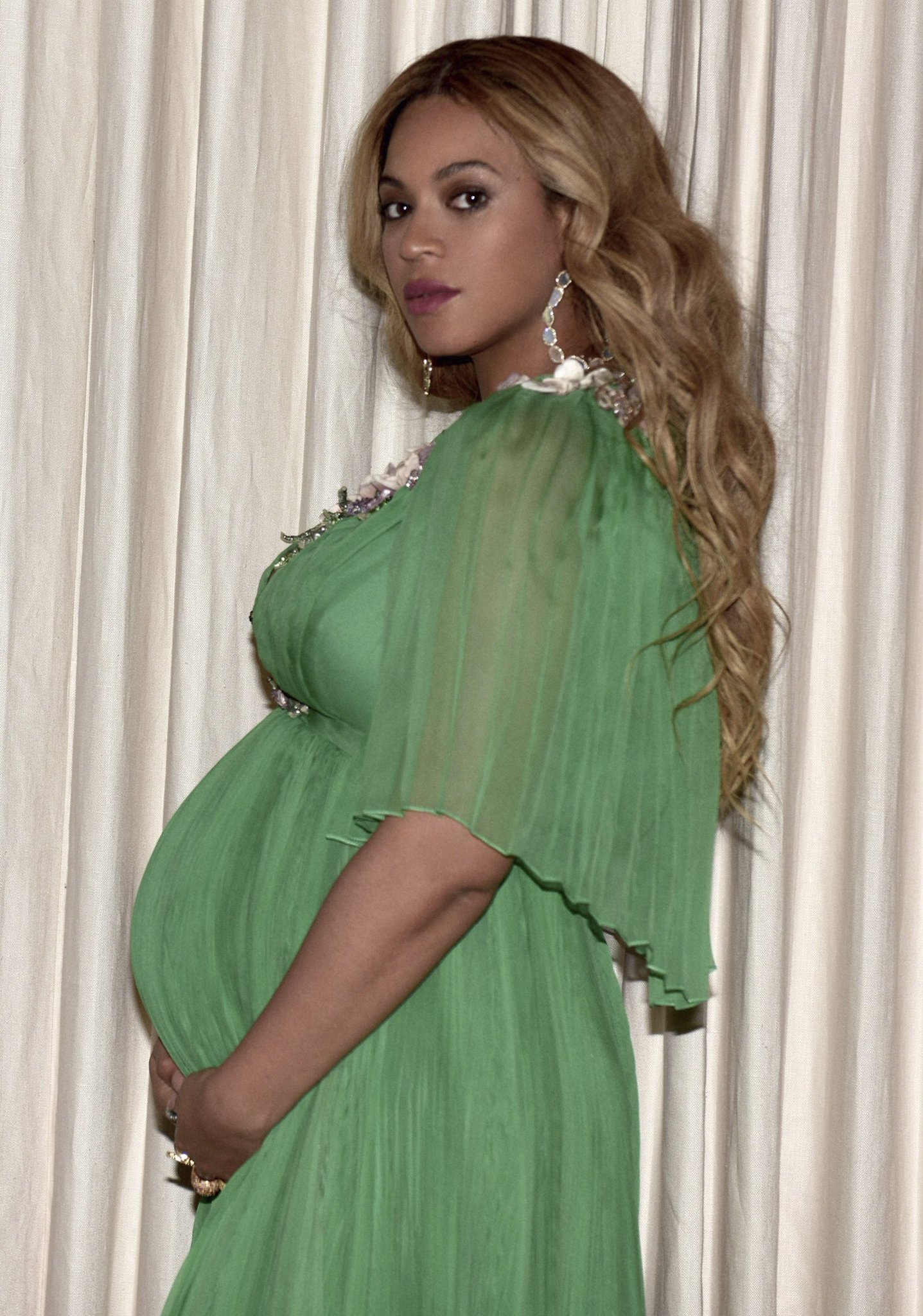
Beyoncé Pregnant Images in the Media: How Iconography Redefined Celebrity Culture
Beyoncé transformed how celebrity pregnancies are captured, published, and consumed across global media. Moving from live television reveals to hyper-curated fine art portraiture on digital platforms, her pregnancy imagery shifted powe...
Beyoncé transformed how celebrity pregnancies are captured, published, and consumed across global media. Moving from live television reveals to hyper-curated fine art portraiture on digital platforms, her pregnancy imagery shifted power away from tabloid paparazzi, setting new benchmarks for social media engagement, art historical symbolism, and the public representation of Black motherhood.
Contents
The Evolution of Beyoncé's Media Strategy: 2011 vs. 2017
To understand the media impact of Beyoncé's pregnancy imagery, one must examine the contrast between her two primary announcements: the live broadcast reveal at the 2011 MTV Video Music Awards (VMAs) and the digital fine art portrait release in 2017. Both events disrupted traditional media workflows, but they utilized entirely different distribution channels.
The 2011 MTV Video Music Awards Reveal
On August 28, 2011, Beyoncé used the live broadcast of the MTV VMAs to announce her pregnancy with her first child, Blue Ivy Carter. Arriving on the red carpet in a red one-shoulder Lanvin gown, she posed holding her bump, providing photojournalists with an unannounced scoop.
The climax of the strategy occurred during her performance of "Love On Top." At the conclusion of the song, she dropped her microphone, unbuttoned her purple sequined Dolce & Gabbana blazer, and rubbed her stomach while smiling at the audience.
The media response was instantaneous:
- Broadcast Impact: The 2011 VMAs became the most-watched broadcast in MTV history at the time, drawing 12.4 million viewers.
- Social Media Velocity: Twitter recorded 8,868 tweets per second (TPS) immediately following the reveal, breaking the platform's record for the most tweets per second for a single event.
- Tabloid Disintermediation: By orchestrating the reveal during a live broadcast, Beyoncé bypassed traditional magazine exclusivity deals, forcing print outlets to report on shared public media assets.
The 2017 Instagram Fine Art Announcement
On February 1, 2017, prior to the birth of twins Rumi and Sir Carter, Beyoncé bypassed broadcast networks and print magazines entirely by publishing a portrait to her personal Instagram account. Shot by artist Awol Erizku, the photograph featured Beyoncé kneeling in front of an elaborate floral arch, clad in a burgundy velvet bra, light blue silk veil, and dusty green undergarments, holding her abdomen.
The post included a brief statement: * "We would like to share our love and happiness. We have been blessed two times over. We are incredibly grateful that our family will be growing by two, and we thank you for your well wishes."*
Within 18 hours, the photograph accumulated over 6.3 million likes, dethroning Selena Gomez’s sponsored Coca-Cola post to become the most-liked Instagram post in history at that time. The image eventually surpassed 11 million likes, demonstrating how direct-to-consumer digital posting could outperform multi-million-dollar magazine press campaigns in reach and cultural penetration.
Art Historical Symbolism and Visual Analysis
Unlike standard celebrity maternity shoots, which historically favored minimalist studio portraits or candid lifestyle photos, Beyoncé’s 2017 pregnancy imagery drew heavily upon classical Western art history, religious iconology, and African diaspora traditions.
VISUAL SYMBOLISM IN 2017 PORTRAIT
| Visual Element | Art Historical & Cultural Reference |
|---|---|
| Green Veil & Floral Backdrop | Renaissance Virgin Mary / Madonna Iconography |
| Kneeling Pose & Floral Arch | Botticelli's "The Birth of Venus" |
| Undersea / Aquatic Portrait Series | Yoruba Deities (Yemoja / Oshun) |
Classical Religious and Renaissance Motifs
Visual arts scholars noted that Awol Erizku’s framing directly referenced Renaissance devotional art:
- The Virgin Mary (Madonna): The use of a soft blue veil draped over the head, combined with a botanical background, mirrors early Netherlandish and Italian Renaissance paintings of the Virgin Mary, where green and blue textiles symbolized purity, grace, and rebirth.
- Venus and Aphrodite: The arch of flowers and the exposed silhouette draw from Sandro Botticelli’s The Birth of Venus, framing the pregnant body not as a private medical state, but as an emblem of classical divine beauty.
African Diaspora and Yoruba Iconography
Beyond European fine art references, the expanded photo series published on Beyoncé’s official website incorporated rich African spiritual symbolism:
- Oshun and Yemoja: Subsequent images in the shoot showed underwater photography where Beyoncé floated suspended in water draped in yellow and sheer fabrics. Cultural critics identified direct homage to Oshun (the Yoruba Orisha of fertility, sweetness, and beauty) and Yemoja (the mother goddess of water and protector of women).
- Reclaiming Maternal Divinity: By placing a Black female body at the center of high-art religious and mythological motifs, the imagery directly challenged centuries of Western art history that historically excluded or marginalized Black women as subjects of divine motherhood.
Key Beyoncé Pregnancy Visual Milestones
The table below outlines the major visual releases, artistic partners, platforms, and media outcomes associated with Beyoncé’s pregnancy announcements.
| Year | Event / Release | Primary Platform | Creative Director / Photographer | Visual Style | Media Metric / Cultural Impact |
|---|---|---|---|---|---|
| 2011 | MTV VMAs Live Performance | Global Television Broadcast | Beyoncé / MTV Production Team | Red Carpet Glamour & Tailored Stage Wear | 8,868 Tweets/sec (Twitter record); 12.4M broadcast viewers. |
| 2017 | Twin Announcement Portrait | Instagram & Official Website | Awol Erizku | Fine Art Portraiture, Classical Floral Arch, Veil | 6.3M likes in 18 hours (Most-liked Instagram post of 2017). |
| 2017 | "I Have Three Hearts" Web Series | Beyonce.com | Awol Erizku / Mason Poole | Underwater Surrealism, Poetry Integration, Nude Silhouettes | Established a self-archived digital museum concept for celebrity news. |
| 2017 | 59th Annual Grammy Awards | Live Television (CBS) | Peter Dundas (Designer) | Gilded Byzantine Goddess, Sunburst Halo, Gold Lace | Generated global coverage across fashion, pop culture, and art review publications. |
| 2017 | Birth Announcement (Rumi & Sir) | Awol Erizku / Beyoncé Studio | Floral Backdrop, Purple Floral Sheet, Blue Veil | Reached over 10 million likes; solidified the visual motif established in February 2017. |
Disintermediation and the Shift in Media Power Dynamics
Historically, celebrity pregnancy announcements followed a strict media supply chain: paparazzi photographers attempted to capture unapproved candid shots, tabloids bid for exclusive publishing rights, or stars sold exclusive first-look photos to print outlets like People or OK! Magazine for seven-figure sums.
Beyoncé’s approach to her pregnancy imagery fundamentally dismantled this traditional pipeline.
TRADITIONAL CELEBRITY MEDIA PIPELINE:
- Paparazzi / Leaks
- Tabloid / Magazine Bidding
- Print Outlet Distribution
- Public Consumption
BEYONCÉ'S DIRECT-TO-CONSUMER PIPELINE:
- Artist & Creative Team
- Self-Owned Digital Asset (Instagram/Website)
- Global Press Syndication
Controlling Copyright and Visual Quality
By commissioning her own photo shoots with established fine artists like Awol Erizku, Beyoncé maintained complete ownership over the copyright of her images.
- Editorial Licensing: News agencies, digital publishers, and television broadcasts were forced to license or embed her official posts rather than buying unauthorized paparazzi shots.
- Elimination of Paparazzi Value: Because the official images were visually superior, artfully executed, and released directly to the public for free, the commercial value of invasive paparazzi photographs dropped significantly.
The Shift from Gossip to Art Criticism
By presenting her pregnancy through fine art visual language rather than casual personal photos, Beyoncé shifted the tone of media coverage. Major publications such as The New Yorker, The Guardian, and Artnet News published essays analyzing the semiotics, color theory, and historical references of her posts, treating a celebrity life event as an object of serious visual critique.
Cultural Impact on the Representation of Black Motherhood
The media legacy of Beyoncé’s pregnancy imagery extends beyond digital metrics and editorial distribution; it holds historical significance in how Black motherhood is presented in mainstream media.
Countering Historical Stereotypes
Historically, Black maternal health and pregnancy have been subjected to underrepresentation or negative framing in media narratives. By adopting maximalist, regal, and sacred aesthetics, Beyoncé presented Black maternal bodies as majestic, divine, and worthy of monumental fine art presentation.
Cultural theorist Dr. Daphne Brooks noted that Beyoncé's pregnant portraiture reclaimed space within visual art, demanding that the public view Black motherhood through the lens of high culture, autonomy, and celebration rather than tabloid sensationalism or marginalization.
Influencing Contemporary Celebrity Culture
Following Beyoncé's 2017 announcement, the standard for celebrity pregnancy reveals shifted permanently across digital platforms. High-concept editorial shoots, artistic thematic reveals, and self-published archival web series became standard practice for global artists, models, and influencers seeking to control their narrative equity during major personal transitions.
Frequently Asked Questions
Who took Beyoncé’s famous 2017 pregnant Instagram photograph?
The 2017 Instagram pregnancy announcement photograph was taken by conceptual artist and photographer Awol Erizku. Born in Ethiopia and raised in New York, Erizku is known for work that bridges contemporary urban culture with classical visual art history.
What record did Beyoncé’s 2011 VMA pregnancy announcement break?
Beyoncé’s live reveal during her performance of "Love On Top" at the 2011 MTV Video Music Awards generated 8,868 tweets per second, setting a world record at the time for the most Twitter activity generated by a single event.
Why did Beyoncé use a floral arch and blue veil in her 2017 pregnancy post?
The composition incorporated visual symbols from Renaissance art—specifically traditional depictions of the Virgin Mary (the blue veil representing purity) and Botticelli’s The Birth of Venus (the floral arch symbolizing beauty and rebirth)—alongside motifs referencing African Yoruba deities like Oshun and Yemoja.
How did Beyoncé's pregnancy imagery change celebrity journalism?
Beyoncé pioneered media disintermediation by publishing high-quality, self-owned artistic portraits directly on social media and her website. This strategy rendered invasive paparazzi photos far less valuable, eliminated traditional print magazine exclusive deals, and established direct artist ownership over media distribution.
Where can official prints of these images be viewed?
While the images originally debuted on Instagram and Beyonce.com, high-resolution digital versions remain archived on Beyoncé’s official digital channels and have been republished across numerous art history text archives, exhibition catalogs, and pop culture media retrospectives.
Practical Takeaway for Visual Creators and Media Strategists
Beyoncé’s pregnancy media strategy offers valuable lessons in narrative ownership, personal branding, and media distribution:
- Control the Asset Pipeline: By producing finished creative assets internally before public exposure, creators retain copyright ownership, quality control, and distribution power.
- Elevate Content Through Cultural Context: Integrating intentional artistic, historical, or symbolic references elevates personal news from standard social media updates to enduring visual art.
- Bypass Middlemen via Direct Distribution: Publishing high-demand announcements directly on owned or primary social channels maximizes global engagement while depriving secondary channels of narrative leverage.
Image Gallery