Why Steel Beats Iron for Most Builders: Tensile Strength, Workability, and Structural Efficiency
Steel consistently outperforms cast and wrought iron in modern construction because it combines exceptional tensile strength, high ductility, predictable isotropic material properties, and superior weldability. Unlike raw or cast iron,...
Steel consistently outperforms cast and wrought iron in modern construction because it combines exceptional tensile strength, high ductility, predictable isotropic material properties, and superior weldability. Unlike raw or cast iron, which is brittle and prone to sudden structural failure under tension or seismic loads, structural steel deforms plastically under extreme stress before failing. This engineered resilience enables longer architectural spans, lighter foundation loads, faster off-site prefabrication, and strict compliance with standard building codes.
Contents
Chemical Composition: The Carbon Threshold That Changes Everything
The primary difference between iron and steel lies in their chemical composition—specifically their carbon content and microstructural chemistry. Pure iron (Fe) is relatively soft and malleable, but raw iron extracted from ore contains impurities and varying amounts of carbon that dramatically alter its mechanical behavior.
| Wrought Iron | Structural Steel | Cast Iron |
|---|---|---|
| (< 0.08% Carbon) | (0.15% - 0.30% Carbon) | (2.0% - 4.0% Carbon) |
| Soft, Fibrous, Low Tensile | High Tensile, Ductile, Weldable, Consistent | Brittle, High Compressive Strength |
Cast Iron: High Carbon and Excess Brittleness
Cast iron contains between 2.0% and 4.0% carbon by weight, along with 1.0% to 3.0% silicon. While this high carbon content lowers the melting point—making it easy to pour into complex architectural molds—it creates a microstructural matrix filled with graphite flakes or nodules. These internal graphite structures act as microscopic stress concentrations. Under tension, bending, or dynamic shock, cracks propagate rapidly along these carbon flakes, resulting in catastrophic brittle failure without warning.
Wrought Iron: Low Carbon but Mechanical Limitations
Historically, wrought iron represented the opposite extreme. Containing less than 0.08% carbon, wrought iron is virtually pure iron mixed with fibrous slag stringers. While highly ductile and resistant to atmospheric corrosion, wrought iron exhibits low tensile and yield strengths compared to modern alloys. Furthermore, it cannot be efficiently cast, welded using modern high-throughput processes, or produced at the industrial volumes required by modern commercial construction.
Structural Steel: The Optimal Carbon Equilibrium
Modern structural steel—such as ASTM A36 or ASTM A992 grade steel—occupies the ideal metallurgical sweet spot, maintaining a carbon content strictly regulated between 0.15% and 0.30%. This low-to-medium carbon balance, frequently combined with trace alloying elements like manganese, vanadium, and columbium, produces a refined crystalline microstructure. The result is a material that balances high compressive strength with exceptional tensile capacity, allowing structural elements to absorb dynamic loads, flex under seismic strain, and retain structural integrity.
Mechanical Superiority: Tensile Strength, Ductility, and Dynamic Load Handling
When structural engineers design framing systems for high-rise buildings, industrial facilities, bridges, or residential structures, they evaluate materials based on yield strength, ultimate tensile strength, modulus of elasticity, and elongation percentage. Steel outperforms cast iron across all primary mechanical metrics.
Yield Strength and Tensile Capacity
Yield strength measures the maximum stress a material can withstand without undergoing permanent plastic deformation. Standard structural steel (ASTM A992) features a minimum yield strength of 50,000 pounds per square inch (50 ksi or approximately 345 MPa) and an ultimate tensile strength of 65 ksi (450 MPa).
In contrast, typical gray cast iron exhibits a tensile strength of only 20 ksi to 40 ksi (138 to 275 MPa) and has virtually no defined yield point; it fractures almost immediately once its elastic limit is reached. Although cast iron offers strong compressive strength—often exceeding 80 ksi under pure downward crushing loads—modern buildings experience multidirectional forces, including wind uplift, lateral shear, moments, and thermal expansion, all of which generate severe internal tension.
Stress-Strain Behavior Under Tension:
- Structural Steel: Yields & stretches safely; fracture occurs after large elongation.
- Cast Iron: Snaps suddenly with zero ductility.
Ductility and Energy Absorption
Ductility is the ability of a material to deform plastically before fracturing. Under extreme loading—such as severe windstorms, heavy equipment impacts, or seismic activity—structural steel deforms, stretches, and forms ductile "plastic hinges." This plastic deformation absorbs vast amounts of strain energy, giving building occupants time to evacuate and allowing engineers to inspect and repair structural frames. Cast iron lacks this capability entirely; under equivalent dynamic tensile loads, it fractures cleanly and instantaneously, leading to progressive collapse.
Fabrication and Assembly: Weldability, Bolting, and Prefabrication Speed
The practical reality of modern construction requires building components that can be rapidly fabricated in controlled environments, transported easily, and erected safely on site. Steel provides unmatched operational workability compared to iron.
Fabrication Workflow Efficiency:
- Structural Steel:
- CAD/BIM Modeling
- Automated Plasma Cutting/Welding
- Site Assembly
- Fast, tight tolerances, standardized ASTM shapes, field modifyable
- Cast Iron:
- Pattern Making
- Foundry Sand Casting
- Machine Finishing
- Slow lead times, difficult to weld, cannot be easily adjusted on site
High-Speed Welding and Shop Prefabrication
Structural steel can be readily cut with oxy-fuel or plasma torches, bent, drilled, and welded using standard shielded metal arc (SMAW), gas metal arc (GMAW), or flux-cored arc welding (FCAW) processes governed by standards from the American Welding Society. High-strength welded joints transfer forces continuously across structural members, enabling rigid moment connections.
Cast iron, conversely, is exceptionally difficult to weld. The high carbon concentration causes localized carbon precipitation and brittle martensite formation in the heat-affected zone (HAZ), leading to immediate cracking upon cooling. Repairing or joining cast iron requires specialized nickel-alloy electrodes, extensive pre-heating up to 1,000°F (538°C), and slow, controlled post-weld stress relief—an impractical and cost-prohibitive workflow for job-site assembly.
Standardized Mill Profiles and Uniformity
Steel mills produce standardized structural shapes—wide-flange I-beams (W-shapes), hollow structural sections (HSS), structural channels (C-shapes), and angles (L-shapes)—in continuous rolling operations. Products certified under standards managed by ASTM International guarantee uniform chemical properties, tight dimensional tolerances, and isotropic behavior (identical strength in all directions). Cast iron components must be poured individually in foundries using custom sand molds, introducing variations in wall thickness, internal porosity, cooling stresses, and material flaws.
Seismic Resilience, Fire Behavior, and Building Safety Codes
Modern building codes, including the International Building Code (IBC), mandate material performance benchmarks designed to protect life safety during natural disasters and structural events.
| Evacuation Criteria | Structural Steel | Cast Iron |
|---|---|---|
| Seismic Response | Ductile deformation | Brittle fracture |
| Stress Distribution | Uniform shear & moment | Crack propagation |
| Structural Warning | Visible sagging/bending | Instantaneous snap |
| Fire Resistance | Requires spray/boards but retains toughness | Requires fireproofing; thermal shock cracking |
Dynamic Load Redundancy in Seismic Zones
In active seismic regions, structures must withstand cyclic lateral forces. Steel frame designs utilize special concentrically braced frames (SCBFs) or moment-resisting frames that flex back and forth, dissipating earthquake energy through controlled material yielding. Cast iron’s brittle nature makes it incapable of dissipating energy this way; building codes across most jurisdictions strictly limit or ban cast iron as a primary load-bearing element in structural frames.
Fire Performance and Thermal Shock
Both steel and iron experience a reduction in yield strength when exposed to high temperatures during a structural fire. At 1,000°F (538°C), structural steel loses approximately 40% to 50% of its yield capacity, requiring active or passive fire protection, such as intumescent coatings, spray-applied fire-resistive materials (SFRM), or gypsum enclosures.
However, cast iron presents an additional severe safety hazard during fires: thermal shock. When cold water from firefighter hoses strikes hot cast iron structural columns, the sudden temperature gradient induces intense localized thermal stresses, causing the brittle iron to crack or shatter immediately. Steel withstands rapid water quenching without shattering.
Detailed Material Comparison: Structural Steel vs. Cast Iron vs. Wrought Iron
The following comparative breakdown highlights why engineering standards favor structural steel for modern load-bearing applications.
| Mechanical & Physical Property | Modern Structural Steel (e.g., ASTM A992 / A36) | Cast Iron (Gray Iron Class 30) | Historic Wrought Iron |
|---|---|---|---|
| Carbon Content (wt %) | 0.15% – 0.30% | 2.0% – 4.0% | < 0.08% |
| Yield Strength | 36 – 50 ksi (250 – 345 MPa) | No defined yield (Brittle) | 25 – 35 ksi (170 – 240 MPa) |
| Ultimate Tensile Strength | 58 – 65+ ksi (400 – 450+ MPa) | 20 – 30 ksi (138 – 207 MPa) | 40 – 50 ksi (275 – 345 MPa) |
| Compressive Strength | Equal to Tensile Yield Strength | 80 – 100+ ksi (550 – 690 MPa) | Low to Moderate |
| Ductility (Elongation %) | High (18% – 23%) | Extremely Low (< 0.5%) | Moderate (10% – 20%) |
| Modulus of Elasticity (E) | 29,000 ksi (200 GPa) | 13,000 – 15,000 ksi (90 – 100 GPa) | 28,000 ksi (190 GPa) |
| Failure Mode under Tension | Plastic deformation (Ductile) | Sudden catastrophic fracture | Fibrous tearing |
| Field Weldability | Excellent (Standard SMAW/GMAW) | Poor (Requires extreme preheat/special alloys) | Fair (Forging/Riveting preferred) |
| Design Consistency | Highly uniform (Isotropic) | Variable (Porosity/inclusions risk) | Anisotropic (Directional slag lines) |
| Dominant Modern Uses | Columns, beams, trusses, framing | Drainage pipes, machinery bases, grates | Historic restoration only |
Lifecycle Economics: Material Volume, Shipping, and Foundation Loads
While raw cast iron can sometimes be produced cheaply per pound in foundries, evaluating total installed cost demonstrates why steel is far more economical for builders.
Lifecycle Cost Breakdown:
- MATERIAL VOLUME: High steel strength = smaller member cross-sections.
- FOUNDATION LOADS: Lighter steel framing reduces concrete & footings.
- LOGISTICS: Standard shape shipping costs less than bulk castings.
- ERECTION SPEED: Prefabricated bolt connections reduce job-site labor.
High Strength-to-Weight Ratio Reduces Structural Mass
Because structural steel has a much higher yield and tensile strength than iron, a steel beam carrying a given load requires a significantly smaller cross-sectional area and lower overall mass than an equivalent cast iron beam.
- Lower Foundation Costs: Reducing the dead weight of the superstructure decreases the load transferred to the foundations, minimizing soil excavation, concrete footings, and piling requirements.
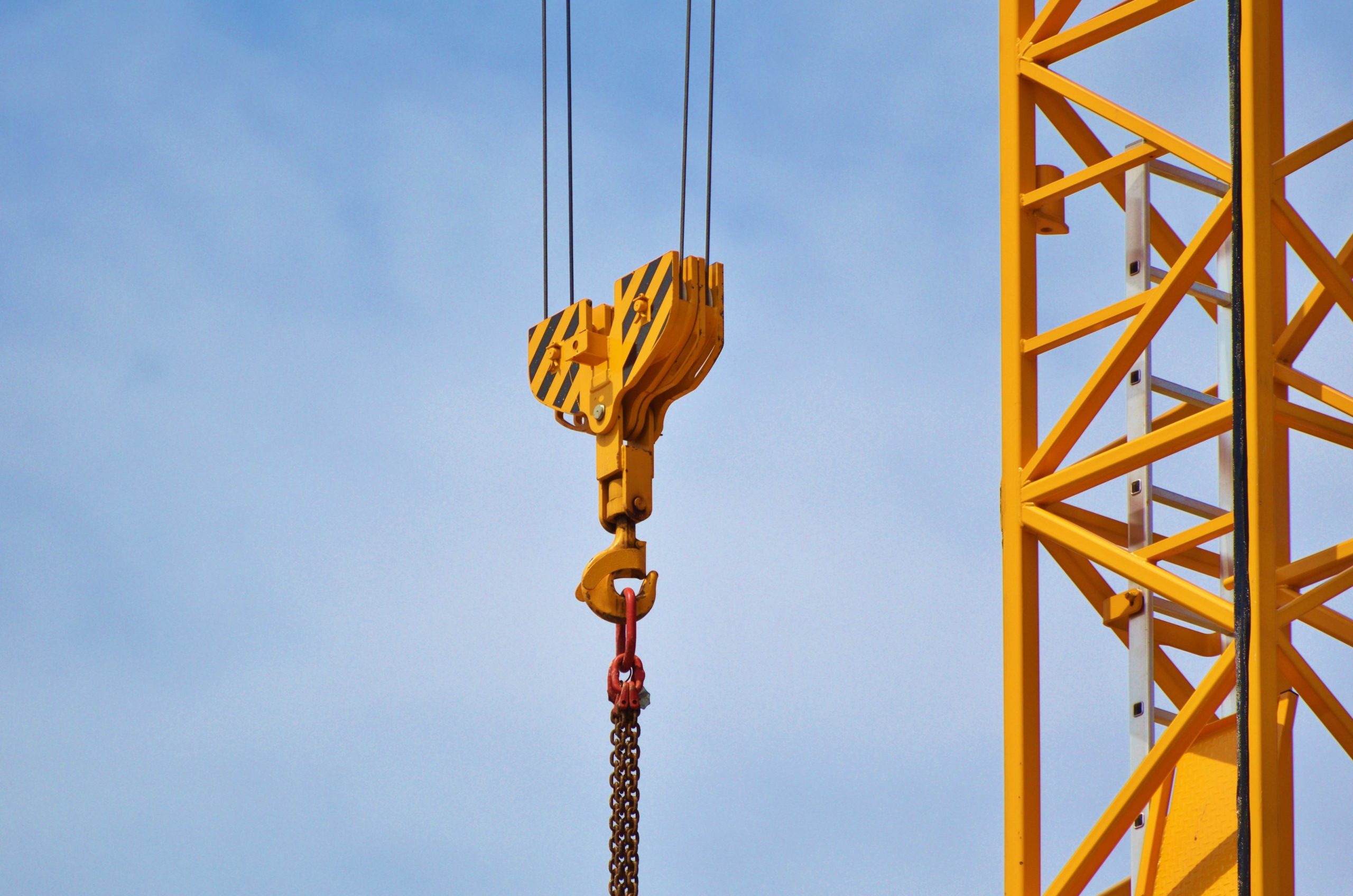
- Reduced Logistics and Craneage Costs: Lighter components reduce freight shipping expenses and allow contractors to use smaller, less expensive cranes on site.
- Faster Construction Timelines: Prefabricated structural steel framing can be bolted together on site in a fraction of the time required to erect masonry or heavy cast structures. Accelerating construction schedules reduces job-site overhead, financing interest, and labor costs.
Recyclability and Circular Economy
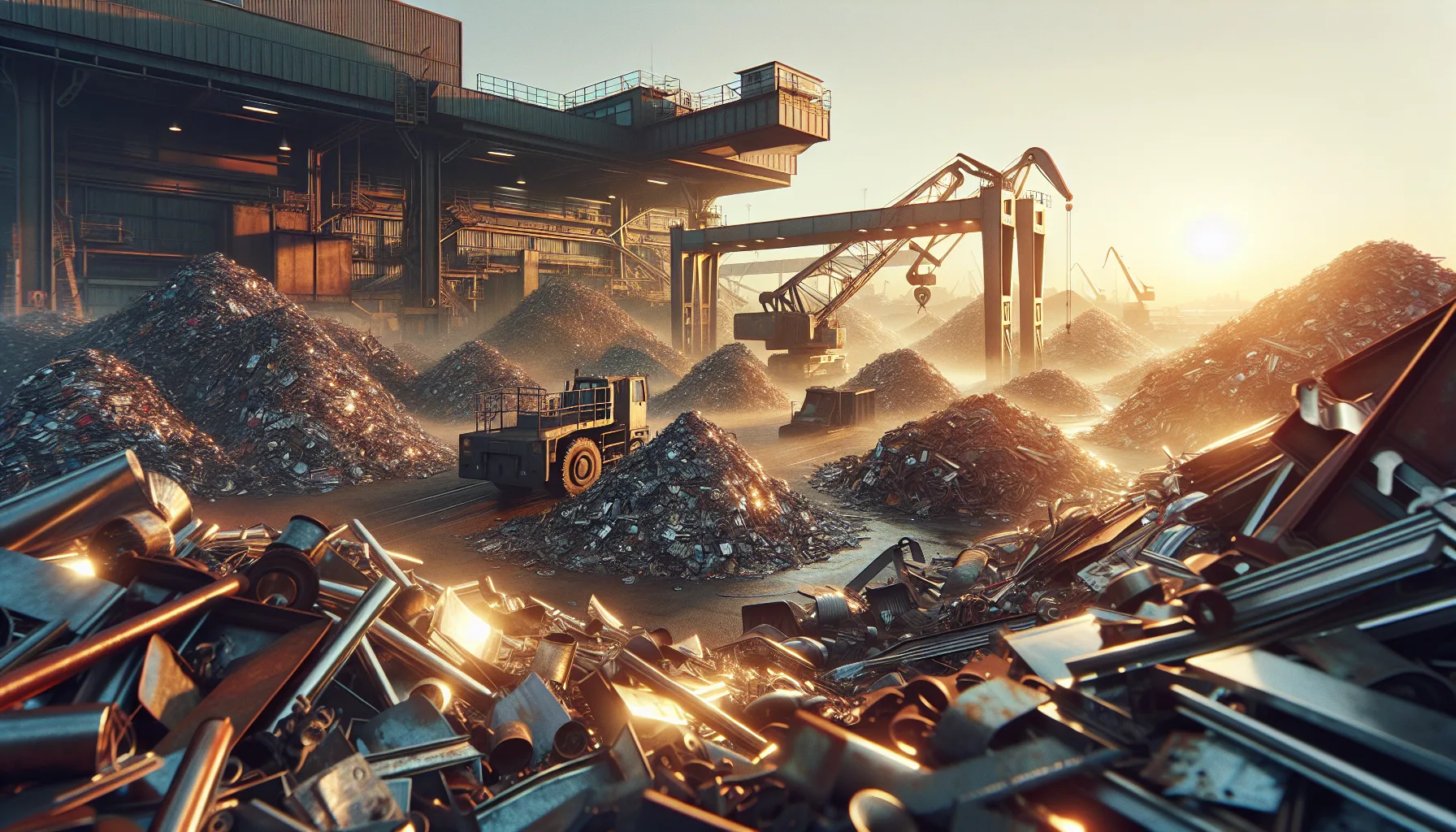
Steel is the most recycled material on earth. Electric Arc Furnace (EAF) steelmaking technology allows modern steel mills to produce structural shapes using up to 93% post-consumer recycled scrap metal. This circular supply chain lowers embodied carbon emissions compared to refining virgin iron ore, helping builders meet modern environmental design benchmarks such as LEED certification.
Rare Exceptions: Where Cast Iron Retains Specialized Niche Roles
Although steel dominates structural framing, cast iron remains specified in a few non-structural building applications due to its distinct physical properties.
Specialized Applications for Cast Iron:
- Sanitary Drain, Waste, and Vent (DWV) Plumbing Piping (Superior acoustic dampening for water noise reduction)
- Heavy Equipment Bases and Engine Blocks (Vibration dampening mass prevents mechanical resonance)
- Municipal Manhole Covers and Storm Drain Grates (High compressive strength, low cost, corrosion resistance)
- Historic Architectural Preservation & Restoration (Matching existing 19th-century facade castings)
- Acoustic Dampening in DWV Piping: Soil pipes made from hubless cast iron absorb fluid turbulence and damp vibration far better than thin-walled steel or PVC, making cast iron pipe preferred for sound isolation in commercial plumbing risers.
- Vibration Attenuation in Machine Bases: High-internal-damping gray iron absorbs mechanical vibrations in heavy industrial machinery beds, preventing resonant chatter in milling operations.
- Compressive Heavy Infrastructure: Municipal manhole covers, trench grates, and heavy counterweights leverage cast iron’s high compressive strength and ease of pouring into thick shapes.
- Historic Preservation: Restoring landmark 19th-century cast-iron facades requires exact duplicate castings to preserve architectural authenticity.
Frequently Asked Questions
Is steel stronger than iron in every scenario?
Steel is stronger than iron in tension, shear, bending, and dynamic fatigue. However, high-grade cast iron exhibits high resistance to pure compressive crushing loads. Because building structures experience combined bending, shear, and tensile stress, steel's balanced strength profile makes it structurally superior for framing.
Why was iron widely used for historical buildings if steel is better?
Before the mid-to-late 19th century, industrial refining techniques like the Bessemer process and the open-hearth furnace were not yet developed to mass-produce steel economically. Builders relied on cast and wrought iron because they were the only industrially available metallic construction materials at the time.
Does steel rust faster than cast iron?
Unprotected carbon steel and cast iron both oxidize when exposed to moisture and oxygen. However, cast iron forms a somewhat denser surface oxide skin due to its silicon content, which can slightly slow further atmospheric corrosion in unpainted outdoor settings. Modern structural steel solves this by utilizing protective coatings, hot-dip galvanizing, or self-passivating weathering steel formulations (such as ASTM A588).
Can builders weld structural steel directly to existing cast iron in historic retrofits?
Directly welding new structural steel to historic cast iron is strongly discouraged by structural engineering codes. The high carbon content of the cast iron causes immediate micro-cracking in the weld bead upon cooling. Retrofits typically join steel to historic iron using mechanical fasteners, through-bolts, custom clamping plates, or independent structural steel frames that bypass the iron members.
Is steel more cost-effective than iron for residential framing?
Yes. Structural steel shapes like I-beams (W-beams) and square tube columns (HSS) offer standard dimensions, off-the-shelf availability, and predictable engineering values. Cast iron framing is not commercially manufactured for residential building frameworks due to high custom molding costs and code restrictions against brittle materials.
Final Recommendation for Builders and Engineers
For modern structural applications, structural steel is the clear standard over cast or wrought iron. When planning building frames, bridges, or load-bearing modifications:
- Specify Standard ASTM Steel Grades: Utilize ASTM A992 for wide-flange structural I-beams and ASTM A500 Grade B/C for hollow structural sections (HSS) to ensure predictable yield strength and structural performance.
- Leverage Off-Site Fabrication: Work with AISC-certified steel fabricators to cut, drill, weld, and coat structural members off-site, reducing field labor costs and job-site installation timelines.
- Limit Cast Iron to Specialized Systems: Restrict the use of cast iron to non-load-bearing applications where its specific material characteristics are advantageous, such as acoustic dampening in sanitary drainage piping or reproduction components in historic preservation projects.
- Follow Modern Building Codes: Ensure all structural steel design, connections, and fireproofing comply with current standards published by the American Institute of Steel Construction and national model building codes.
Image Gallery