How to Check Your Credit Rating Quickly (and Safely)
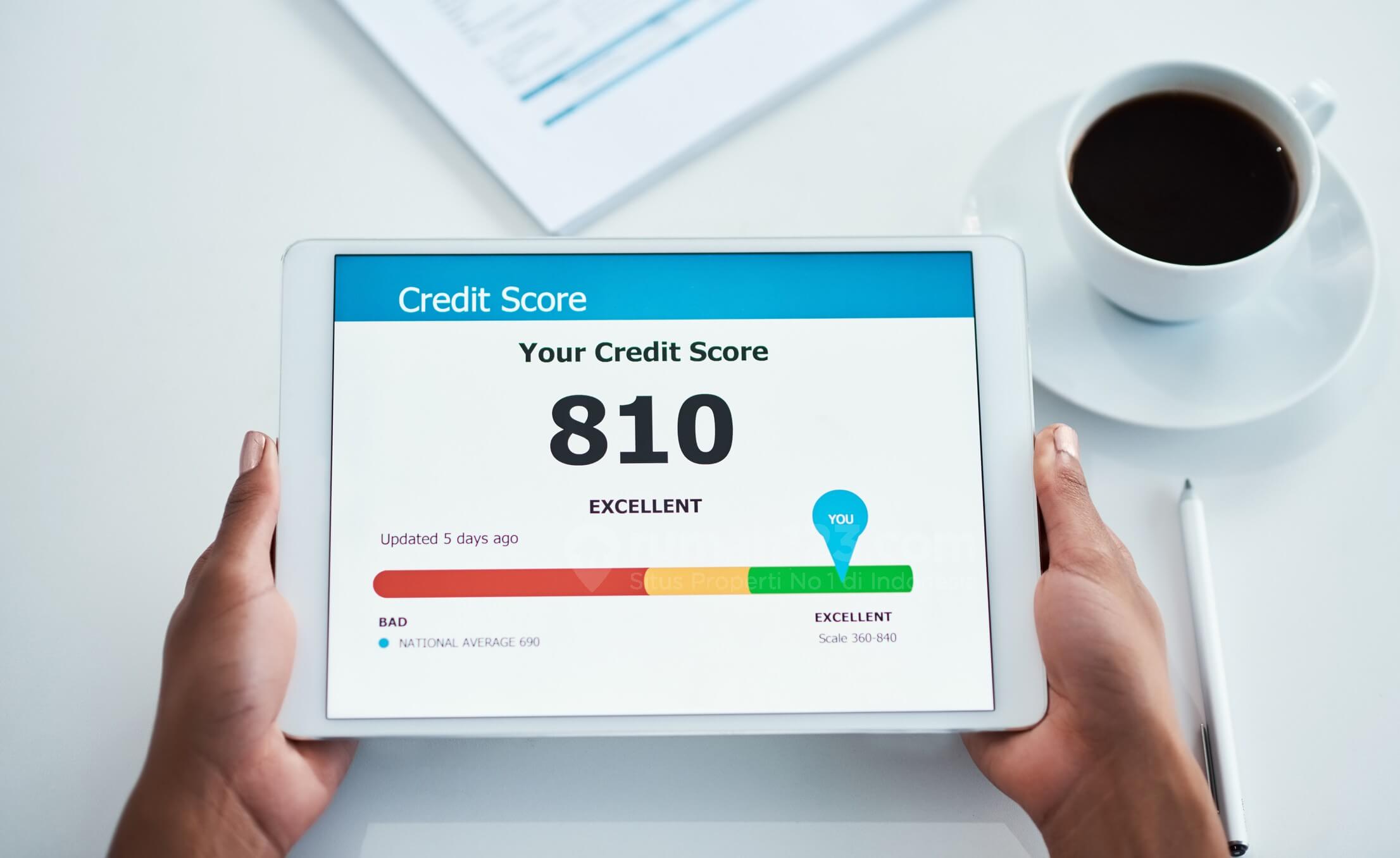
To check your credit rating quickly without damaging your score, access your free credit reports online at AnnualCreditReport.com or log into your existing online banking app. Most major credit card issuers and banks provide instant, f...
To check your credit rating quickly without damaging your score, access your free credit reports online at AnnualCreditReport.com or log into your existing online banking app. Most major credit card issuers and banks provide instant, free FICO or VantageScore updates. Alternatively, creating a free account directly with Experian, Equifax, or TransUnion yields immediate digital access to your credit score and file summary.
Contents
Disclaimer: This guide is provided for informational purposes only and does not constitute formal legal or financial advice. Credit reporting rules, regulatory requirements, and score calculation algorithms can vary by jurisdiction and lender.
Fastest Methods to Access Your Credit Rating
Checking your credit score used to require submitting paper forms by mail and waiting weeks for a physical report. Today, you can obtain an accurate credit rating within minutes. Understanding which path to choose depends on whether you need a quick numerical overview or a comprehensive line-by-line review of your credit history.
- Immediate Score Check (1-2 mins): Bank Apps / Credit Card Portals
- Full Bureau File & Score (3-5 mins): Bureau Portals (Experian/Equifax/TU)
- Complete Statutory Report (5 mins): AnnualCreditReport.com
1. Bank and Credit Card Mobile Apps (Instant Access)
If you already hold an account with a major bank or credit card issuer, you likely have instant access to your credit score through your provider's mobile app or online portal. Financial institutions partner with credit bureaus to offer complimentary credit monitoring tools.
- Discover, American Express, and Citi: Typically provide a free FICO Score 8 based on TransUnion or Experian data, updated monthly.
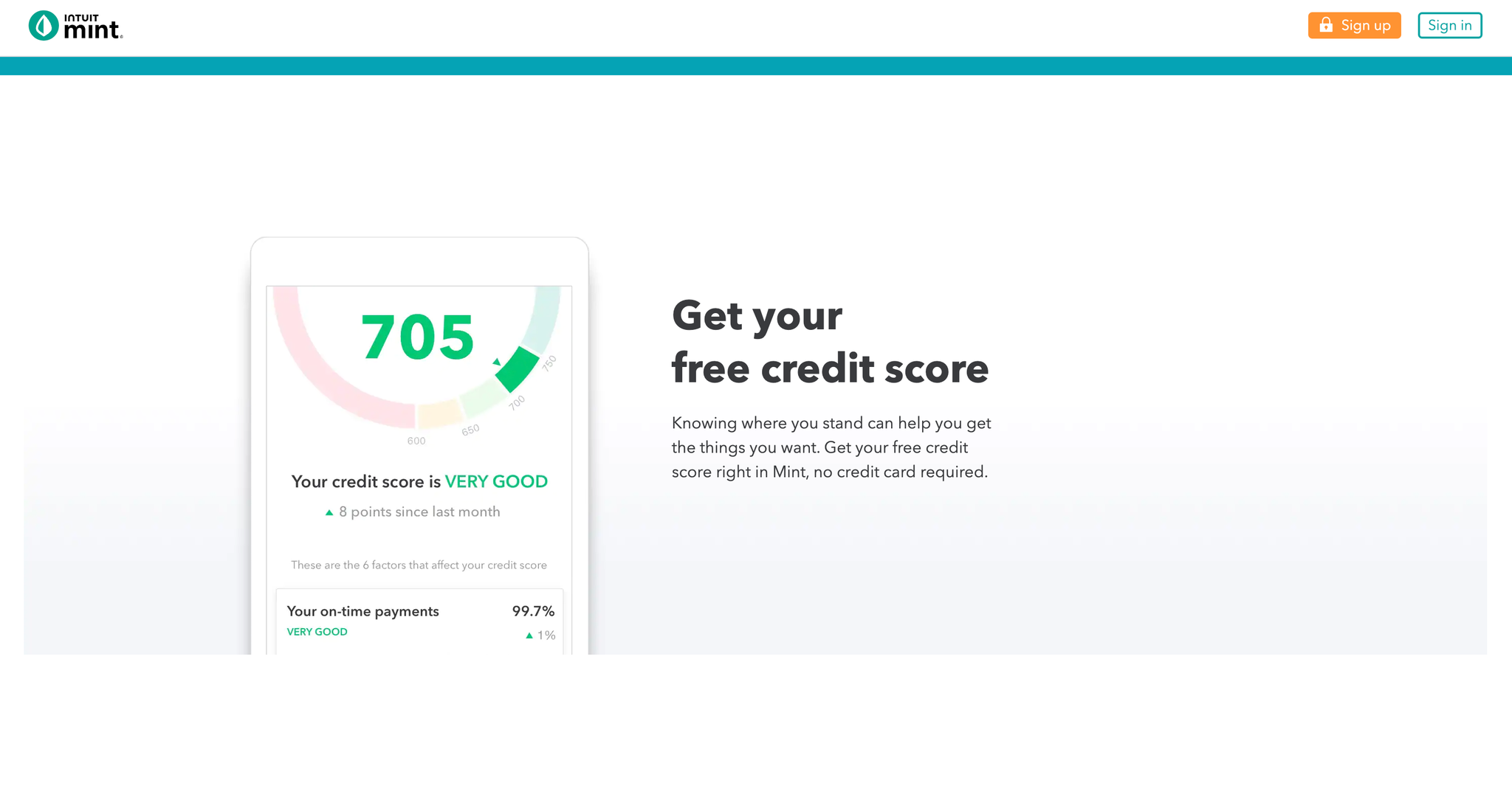
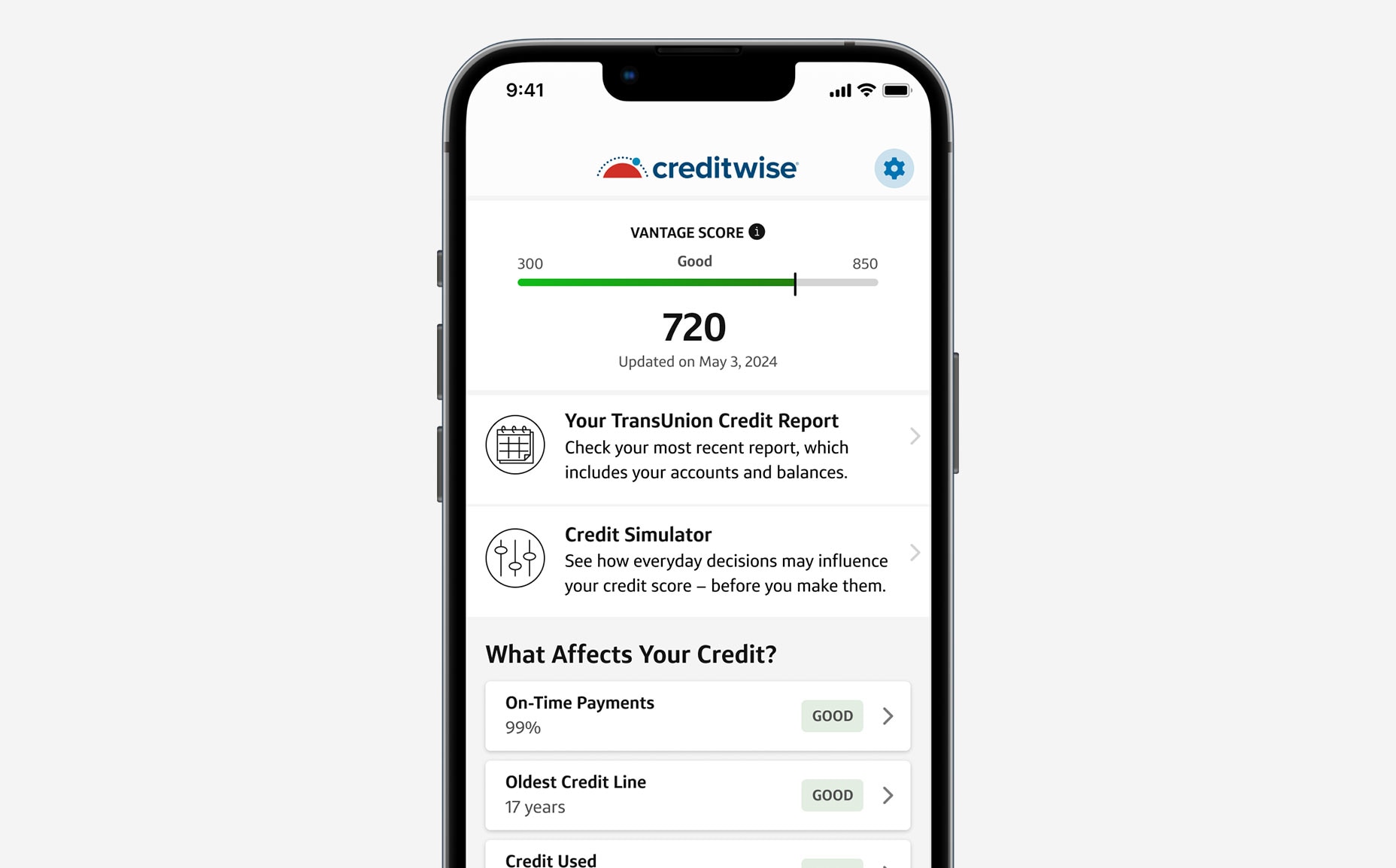
- Capital One (CreditWise) and Chase (Credit Journey): Offer free VantageScore 3.0 credit scores based on TransUnion or Experian data. These services are often available even if you are not an existing account holder.
Because your identity is already verified through your banking credentials, accessing your score this way takes seconds and requires no additional documentation or identity verification prompts.
2. Credit Bureau Free Accounts (Near-Instant Access)
The three nationwide credit reporting agencies—Experian, Equifax, and TransUnion—allow consumers to create free online accounts to view their credit profiles:
- Experian: Creating a free account on Experian's website or app provides immediate access to your Experian credit report and your Experian-based FICO Score 8, updated every 30 days.
- Equifax: The free "Core Credit" program delivers your Equifax credit report alongside a VantageScore 3.0, updated monthly.
- TransUnion: Offers free score access and credit monitoring options through its online portal, utilizing the VantageScore model.
Creating an account directly with a bureau takes about three to five minutes. You will need to provide your full legal name, address, Social Security Number (SSN), and date of birth, followed by answering identity-verification security questions.
3. AnnualCreditReport.com (Official Full Reports)
For the most comprehensive review, AnnualCreditReport.com is the official website mandated by federal law under the Fair Credit Reporting Act (FCRA). While bureau apps often highlight your numerical score and summary, AnnualCreditReport.com provides complete credit files from all three bureaus. Consumers can pull free weekly credit reports online from Equifax, Experian, and TransUnion.
While AnnualCreditReport.com delivers full credit history details—including trade lines, payment histories, collection accounts, and public records—it does not always include a free credit score number unless state law or specific promotional access applies. If you need to verify account accuracy before applying for a mortgage or loan, this is the definitive source.
Soft Inquiries vs. Hard Inquiries: Will Checking Harm Your Score?
A common point of confusion is whether looking up your own credit rating will cause your score to drop. Checking your own credit score or report is always classified as a soft inquiry (or soft pull) and never impacts your credit score.
- Soft Inquiry (Soft Pull)
- Initiated by: You or pre-approved offers
- Impact on Score: ZERO
- Visible to: Only you
- Hard Inquiry (Hard Pull)
- Initiated by: Lenders upon application
- Impact on Score: Small temporary drop (5-10 pts)
- Visible to: All potential lenders
Soft Inquiries
A soft inquiry occurs when your credit file is checked for informational or background purposes. Examples include:
- Pulling your own report via AnnualCreditReport.com or a bureau portal.
- Checking your score through a banking app or credit monitoring service.
- Account reviews conducted by your existing credit card issuers.
- Pre-approved credit card or loan offers sent by financial companies.
Soft inquiries appear on your credit file so you can keep track of who has accessed your data, but they are invisible to potential lenders and are completely ignored by credit scoring formulas.
Hard Inquiries
A hard inquiry (or hard pull) occurs when a financial institution reviews your credit report to make a lending decision after you submit an application for credit. Examples include applying for a mortgage, auto loan, credit card, personal loan, or apartment lease.
Hard inquiries can temporarily cause a slight dip in your credit score—typically five points or fewer for a single inquiry—and remain visible on your credit file for two years, though their impact on your score generally fades within 12 months.
Comparison of Free and Paid Credit Checking Options
Selecting the right tool depends on whether you require a quick score check, continuous monitoring, or a deep-dive file audit. The table below outlines the primary avenues for accessing your credit information.
| Access Method | Time Required | Score Type Provided | Data Source | Cost | Best Used For |
|---|---|---|---|---|---|
| Bank / Credit Card Apps | 1 minute | FICO Score 8 or VantageScore 3.0 | Single Bureau (Varies) | Free | Quick monthly check-ins and general score tracking |
| Bureau Free Accounts | 3–5 minutes | FICO (Experian) / VantageScore (Equifax/TU) | Single Bureau per account | Free | Fast score checks directly from the source bureau |
| AnnualCreditReport.com | 3–5 minutes | Full History (Scores may cost extra) | All Three Bureaus | Free | Comprehensive line-by-line audit before major loans |
| Paid Monitoring Services | 2–5 minutes | 3-Bureau FICO or VantageScores | Equifax, Experian, TransUnion | $10–$40 / month | Daily updates, identity theft protection, and score simulators |
Understanding FICO Scores vs. VantageScore
When checking your score quickly across multiple platforms, you may notice that the numbers do not match. This variance occurs because there are two dominant scoring models in the credit industry: FICO and VantageScore.
| FICO Score | VantageScore |
|---|---|
| • Used by 90%+ of top lenders | • Used widely by free app services |
| • Requires 6 months history | • Can score after 1-2 months |
| • Common versions: FICO 8, FICO 9 | • Common versions: Vantage 3.0/4.0 |
| • Range: 300 to 850 | • Range: 300 to 850 |
FICO Score Framework
Developed by the Fair Isaac Corporation, FICO scores are utilized by approximately 90% of top mortgage, auto, and credit card lenders in their underwriting decisions.
- Scoring Range: Standard models range from 300 to 850.
- Scoring Factors: Payment history (35%), amounts owed/credit utilization (30%), length of credit history (15%), new credit/inquiries (10%), and credit mix (10%).
- Minimum Data Requirements: Requires at least one account open for six months or longer and at least one account reported to the bureau within the past six months.
VantageScore Framework
Created jointly by the three major credit bureaus (Equifax, Experian, and TransUnion) as an alternative to FICO, VantageScore is widely used by free credit tracking apps, property managers, and fintech lenders.
- Scoring Range: VantageScore 3.0 and 4.0 use the 300–850 scale.
- Scoring Factors: Emphasizes total credit usage, payment history, age and mix of credit, and available credit.
- Minimum Data Requirements: Can calculate a score with as little as one or two months of credit history, making it accessible to individuals new to credit.
Why Your Scores Differ Across Platforms
It is entirely normal for your FICO score and VantageScore to differ by 10 to 40 points. Reasons for variation include:
- Different Scoring Algorithms: Each formula weighs metrics like paid collection accounts or credit utilization slightly differently.
- Timing of Bureau Updates: Creditors report data to bureaus on different days of the month. If your bank app pulls TransUnion data on the 1st and your Experian app updates on the 15th, balance updates will cause divergence.
- Bureau Data Variations: Not all creditors report to all three bureaus. A local credit union might report exclusively to TransUnion, meaning your Experian file lacks that specific account history.
Security Precautions: Avoiding Phishing and Imposter Sites
Because credit reports contain sensitive personal data—including Social Security numbers, dates of birth, previous addresses, and active account numbers—protecting your identity while checking your credit rating is critical.
1. Watch Out for Fake Websites and Phishing Schemes
Scammers frequently register domains that resemble official credit reporting sites.
- Always verify that you are on AnnualCreditReport.com rather than mispelled variations.
- Look for secure browser indicators (
https://) and valid domain certificates. - Never click on unsolicited email links or SMS text messages claiming your credit score has dropped or offering a "free trial score."
2. Avoid Hidden Subscription Traps
Some third-party websites market "free" credit scores but require you to enter a credit card number to start a short trial. If you fail to cancel within 7 days, you may be automatically enrolled in a monthly credit monitoring service costing $20 to $40 per month. Legitimate free tools—such as bank portals, bureau basic tiers, and AnnualCreditReport.com—do not require credit card details to view your basic scores or statutory reports.
3. Use Secure Networks and Authentication
Avoid accessing your financial accounts or pulling credit reports over unsecured public Wi-Fi networks. Enable two-factor authentication (2FA) on all credit bureau and banking portals to prevent unauthorized access to your credit file.
What to Do Immediately After Checking Your Rating
Once you pull your credit report and score, take the following actionable steps to protect and optimize your profile.
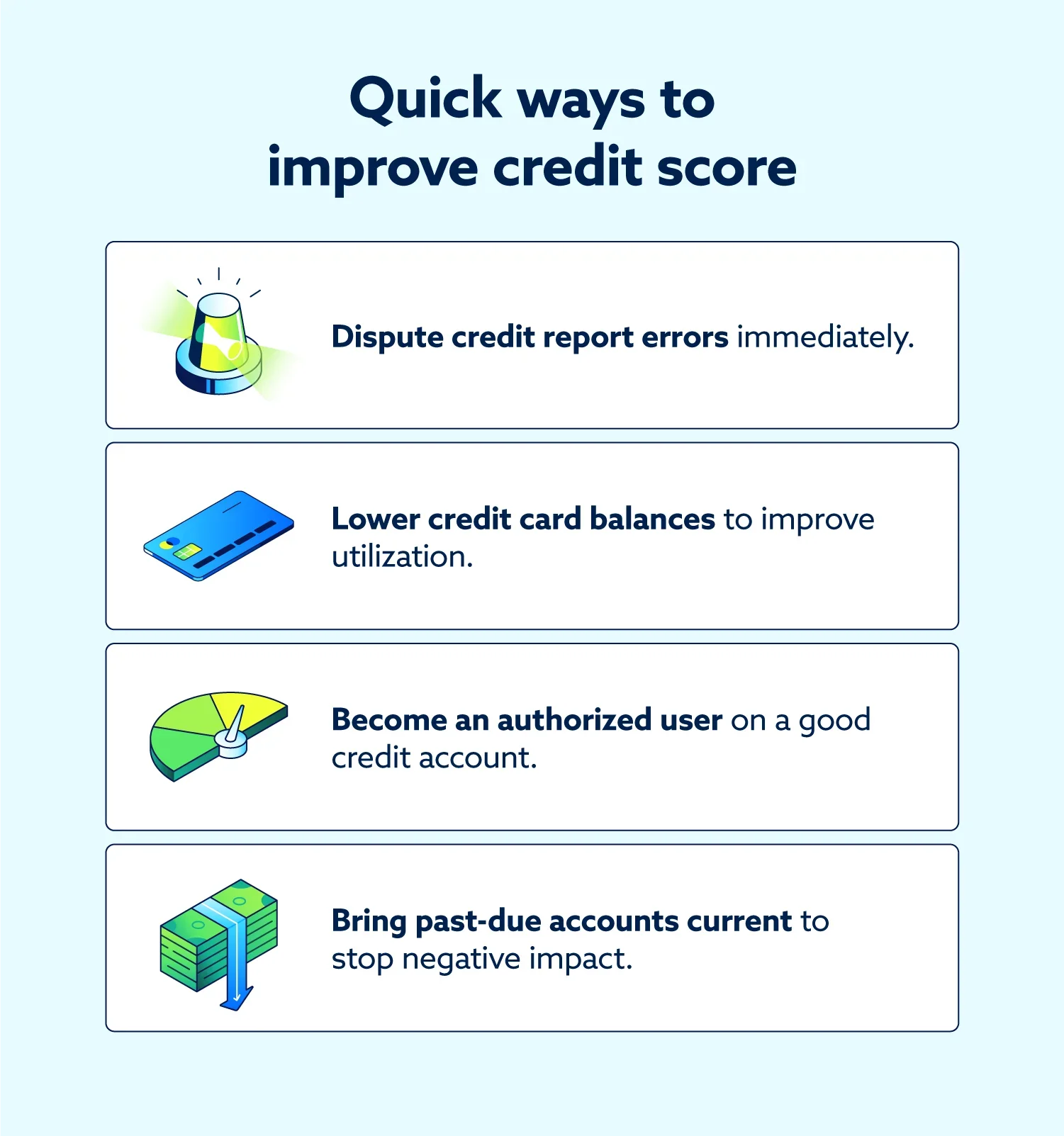
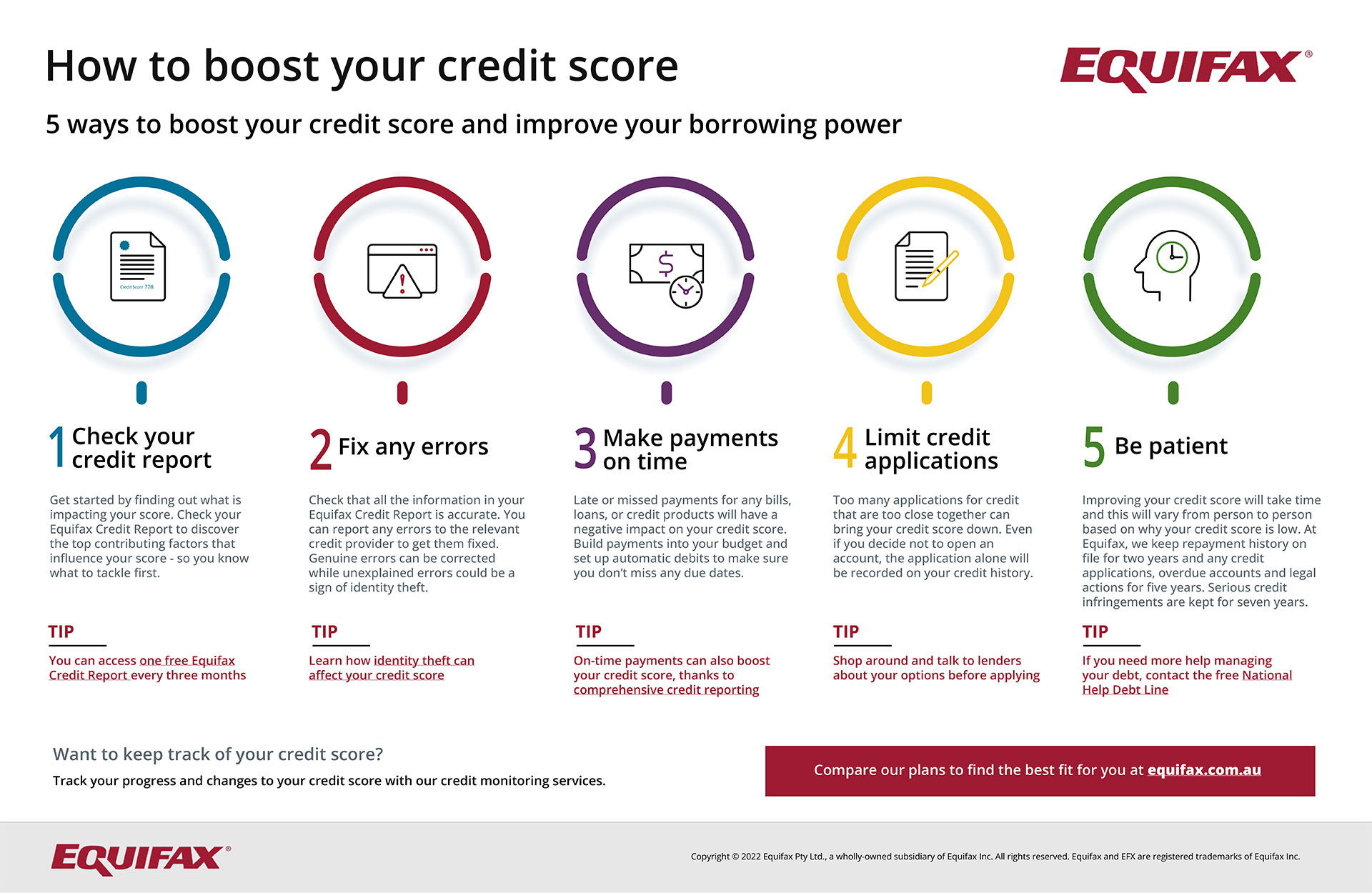
- Step 1: Audit Accounts: Check balances, inquiries, and payment history accuracy.
- Step 2: Dispute Errors: Submit official disputes for incorrect data or fraud.
- Step 3: Freeze File: Block unauthorized credit applications via bureaus.
1. Audit Your Credit Profile for Accuracy
Examine your credit report for inaccuracies that could depress your score or indicate identity theft:
- Personal Information: Verify that your name, address history, and Social Security Number are correct.
- Unrecognized Accounts: Look for credit cards, personal loans, or collection accounts you did not open.
- Incorrect Account Statuses: Ensure accounts marked as delinquent, late, or in collection were actually missed. Verify that accounts paid in full reflect zero balances.
- Unauthorized Inquiries: Check the hard inquiries section for lenders you never applied with.
2. Dispute Inaccuracies Promptly
If you find mistakes on your report, file a formal dispute directly with the bureau listing the error. According to guidelines from the Consumer Financial Protection Bureau (CFPB), credit bureaus are generally required to investigate disputed items within 30 days. You can submit disputes online via the bureau websites:
- Experian Dispute Center
- Equifax Online Dispute Portal
- TransUnion Credit Dispute Service
You can also submit disputes directly to the reporting lender (the "data furnisher"). If an item is verified as incorrect or cannot be verified by the creditor, the bureau must correct or remove it from your credit file.
3. Consider Freezing Your Credit Files
If you are not actively applying for new loans or credit cards, place a security freeze on your credit reports at all three bureaus. A credit freeze blocks prospective lenders from accessing your credit file, effectively preventing identity thieves from opening new accounts in your name even if they possess your Social Security number. Under federal law, placing, temporarily lifting ("thawing"), or permanently removing a credit freeze is completely free.
International Considerations
Credit reporting systems operate under specific national legal frameworks:
- United Kingdom: Consumers can check their credit reports for free through the three major UK bureaus—Experian UK, Equifax UK, and TransUnion UK (formerly Callcredit)—or through free aggregate tools like MoneySavingExpert's Credit Club, ClearScore, or TotallyMoney. UK rights are regulated under the Data Protection Act and GDPR.
- Canada: Canadians can access free credit scores and reports through Equifax Canada and TransUnion Canada, or via online banking tools provided by institutions like RBC, Scotiabank, and TD Bank.
- Australia: Comprehensive Credit Reporting (CCR) is regulated under the Privacy Act. Australians can access free annual reports from Equifax Australia, Experian Australia, and Illion.
Frequently Asked Questions
Does checking my credit score frequently lower it?
No. Checking your own credit score is classified as a soft inquiry, which has zero impact on your credit score, regardless of how often you perform the check. You can check your score daily or weekly without damaging your standing.
Can I get a truly free credit score without a credit card?
Yes. Services offered directly through major bank portals (such as Capital One CreditWise or Chase Credit Journey), free bureau accounts (like Experian Free Membership), and statutory tools do not require you to input credit card details to view your standard credit information.
What is considered a good credit rating?
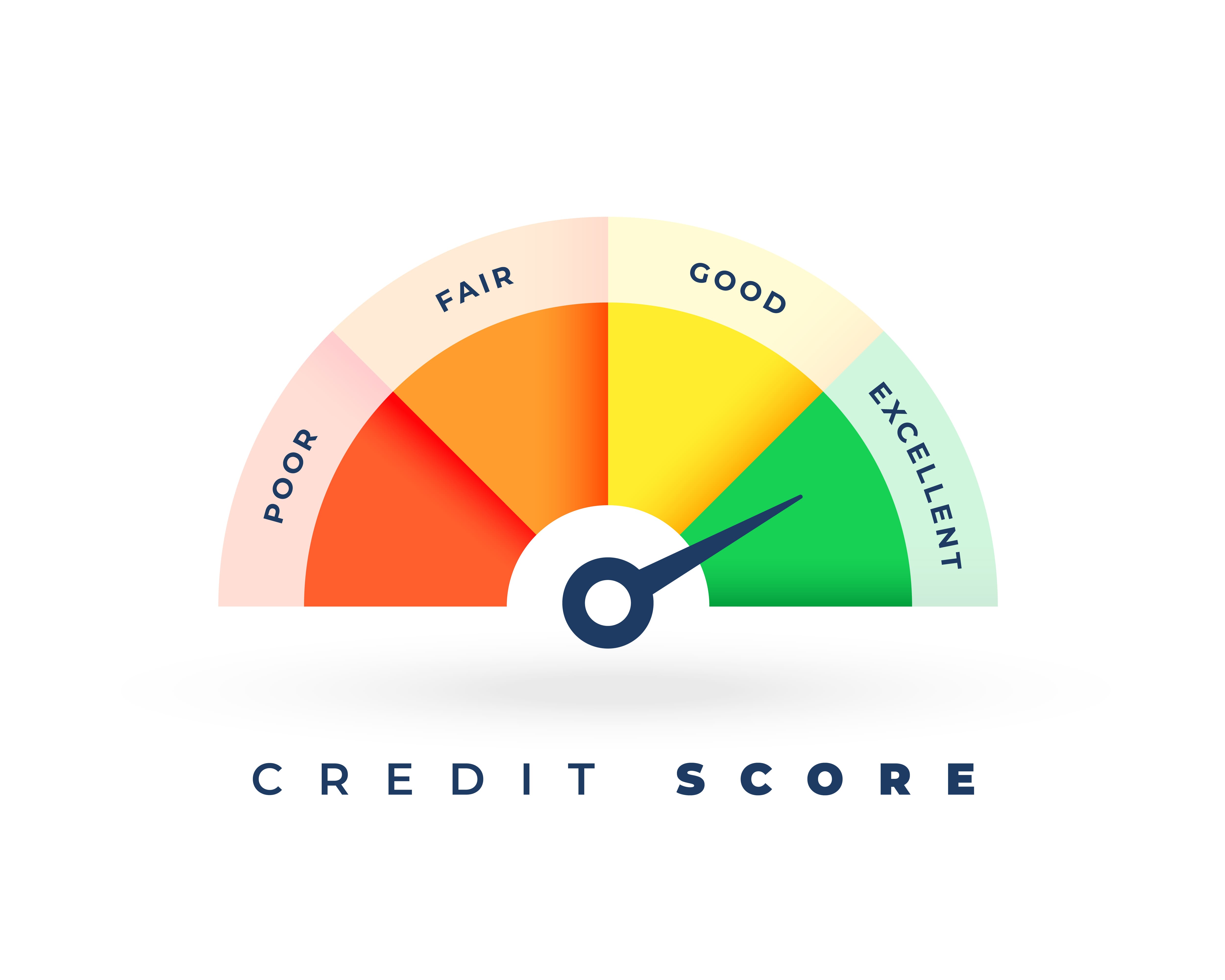
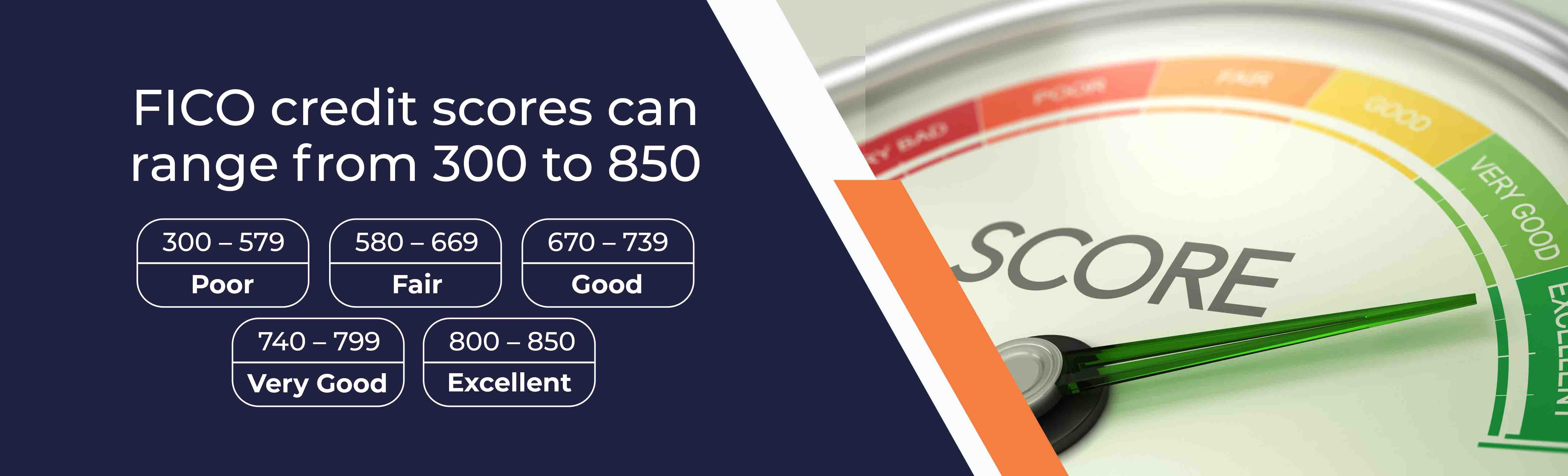
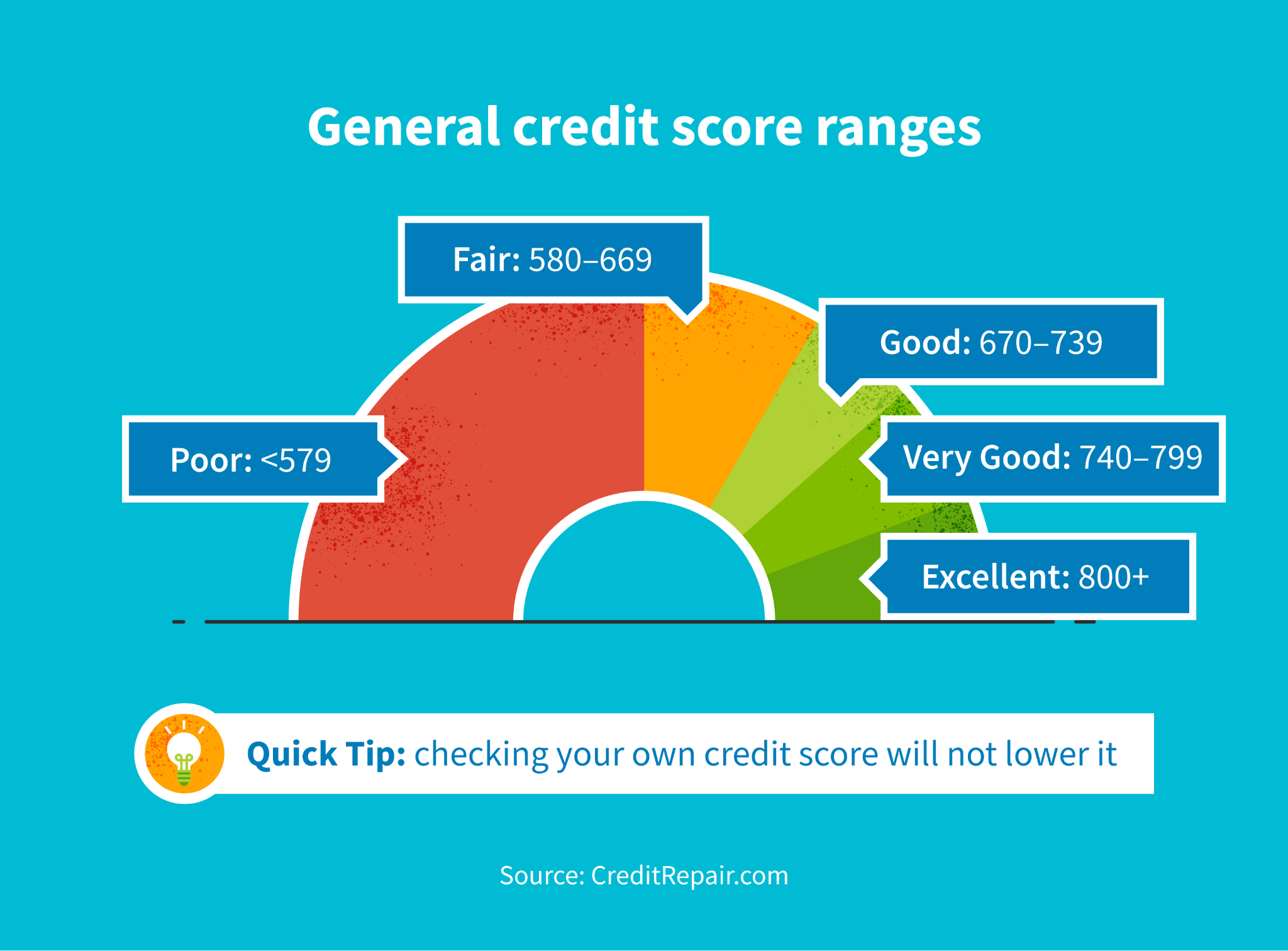
Under standard 300–850 scoring ranges for FICO and VantageScore:
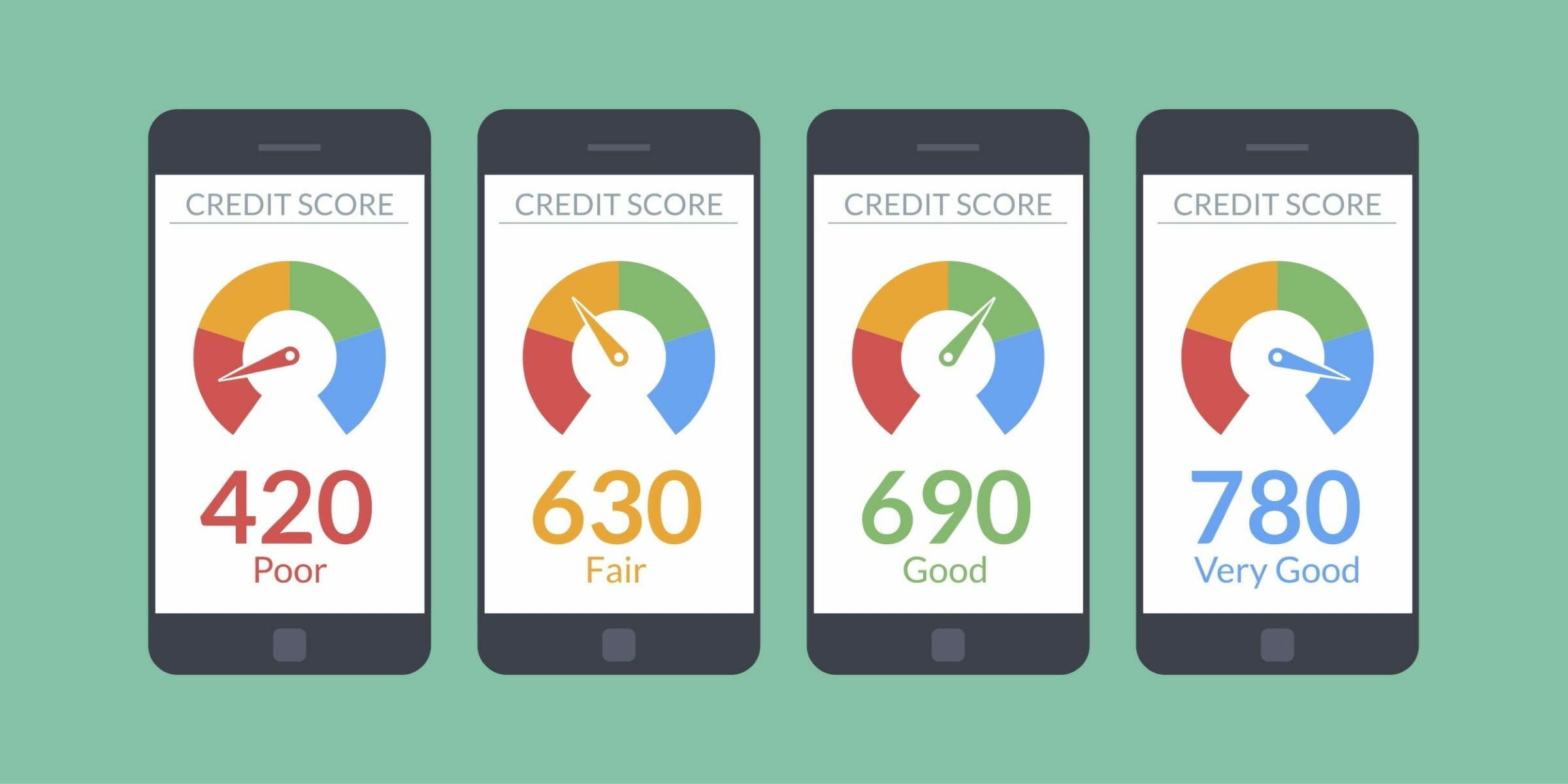
- Poor: 300 – 579
- Fair: 580 – 669
- Good: 670 – 739
- Very Good: 740 – 799
- Exceptional: 800 – 850 Lenders establish their own specific thresholds, but scores of 740 and above typically qualify applicants for the best interest rates and loan terms.
Why is my FICO score different from my VantageScore?
FICO and VantageScore use different statistical algorithms to evaluate risk. Additionally, they may pull data from different credit bureaus or calculate credit utilization and collections differently. A variance of 10 to 40 points between the two models is standard.
How quickly can I raise my credit score after checking it?
The fastest way to boost your score within 30 days is to reduce your credit utilization ratio by paying down revolving credit card balances before your monthly billing statement close date. Removing inaccurate negative items through the formal credit dispute process can also result in rapid score increases once the bureau updates your file.
Action Plan: Next Steps to Manage Your Credit
- Perform an Immediate Check: Log into your primary banking or credit card app to view your baseline score right now.
- Pull Your Full Credit Files: Visit AnnualCreditReport.com to retrieve your full credit reports from Equifax, Experian, and TransUnion.
- Audit for Errors: Review all personal details, active accounts, payment histories, and inquiries for mistakes.
- Dispute Discrepancies: Submit online disputes for any unauthorized accounts or inaccurate late payments.
- Freeze Your Credit: Lock your credit profiles at Experian, Equifax, and TransUnion to secure your identity until you next need to apply for credit.
Image Gallery