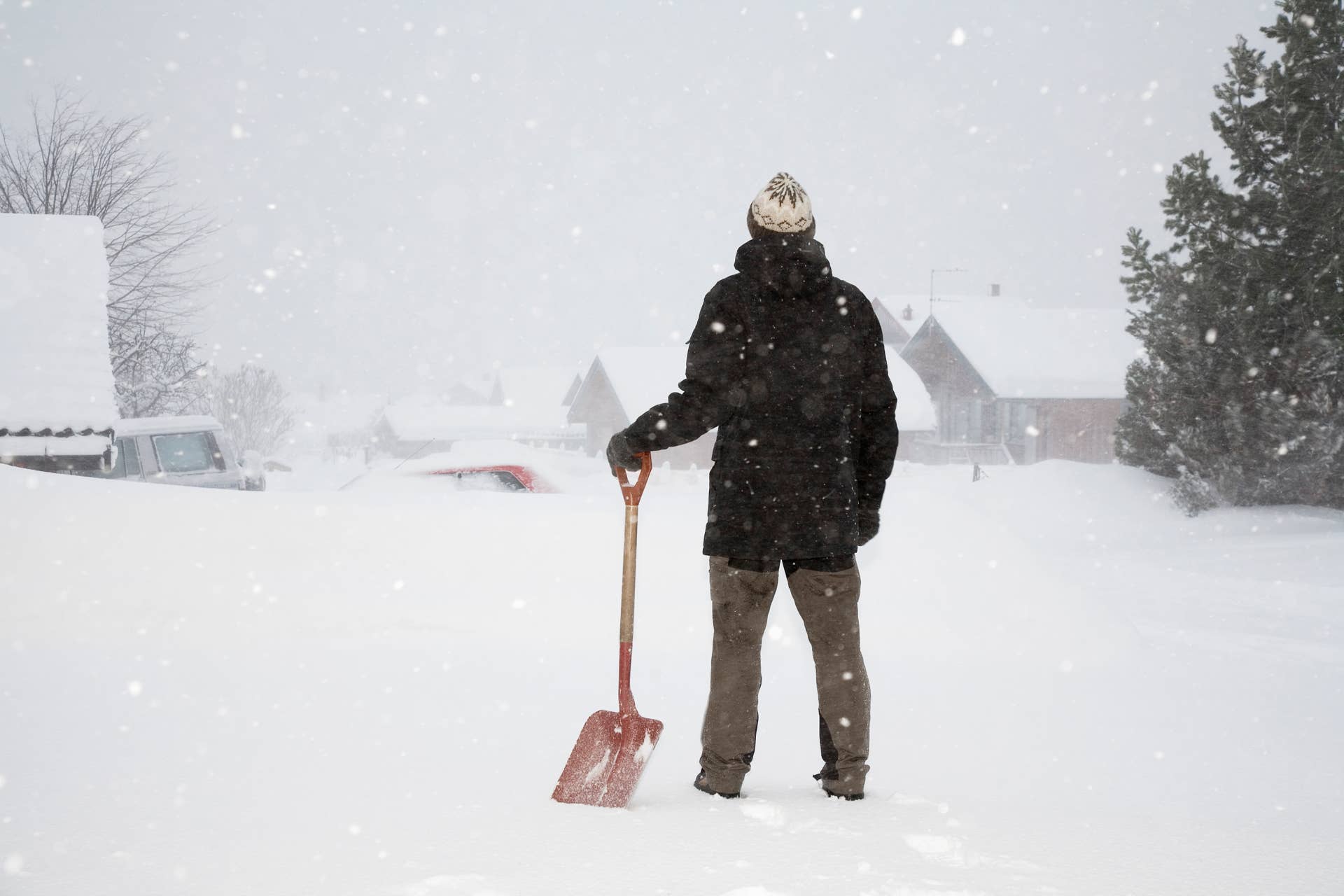
45-Degree Snow Shoveling Strategy for Adults Over 45: Ergonomics, Cardiac Safety, and Technique
For adults aged 45 and older, utilizing a 45-degree shoveling strategy combines ergonomic shaft design, diagonal pushing paths, and proper hip-hinge mechanics to clear snow efficiently while minimizing physical strain. This approach si...
For adults aged 45 and older, utilizing a 45-degree shoveling strategy combines ergonomic shaft design, diagonal pushing paths, and proper hip-hinge mechanics to clear snow efficiently while minimizing physical strain. This approach significantly reduces lumbar spinal compression and prevents dangerous surges in heart rate caused by lifting heavy wet snow or twisting under load.
Contents
Disclaimer: This guide provides general educational information regarding physical ergonomics and winter safety. Individuals over age 45 with a history of cardiovascular disease, hypertension, lumbar spinal degeneration, or sedentary habits should consult a physician before attempting heavy manual snow clearance.
Understanding the Biomechanical and Cardiovascular Risks After Age 45
Manual snow removal ranks among the most physically demanding household tasks. As adults pass age 45, physiological changes in both the cardiovascular and musculoskeletal systems alter how the body responds to high-intensity exertion in cold weather. Combining sudden physical strain, low ambient temperatures, and improper leverage creates a elevated risk of acute cardiac events and severe spinal injury.
Cardiovascular Stress in Cold Environments
Clearing heavy snow demands intense isometric and dynamic muscular contractions. When performing heavy manual labor in freezing temperatures, the body experiences several compounding stressors:
- Cold-Induced Vasoconstriction: Cold air entering the respiratory tract and contacting skin triggers peripheral blood vessel constriction. This response spikes systolic and diastolic blood pressure, forcing the heart to pump against increased vascular resistance.
- Elevated Myocardial Oxygen Demand: Lifting heavy loads raises heart rates rapidly. According to research published by the American Heart Association, manual snow shoveling can elevate heart rates to maximum capacity within minutes, demanding far more oxygenated blood than typical aerobic exercise.
- The Valsalva Maneuver: Holding one's breath while straining to lift a packed shovel load creates brief spikes in intrathoracic pressure followed by rapid drops in venous return, triggering cardiac arrhythmia or extreme blood pressure fluctuations in vulnerable individuals.
Cold Exposure + Isometric Lifting ---> Vasoconstriction + High Blood Pressure ---> Extreme Myocardial Oxygen Demand ---> Increased Cardiac Event Risk (45+)
Spinal Biomechanics and Age-Related Changes
The human lumbar spine undergoes natural structural changes starting in middle age. Intervertebral discs lose hydration and elastic collagen content, reducing their ability to absorb axial shocks. Simultaneously, facet joints experience progressive wear.
When a person bends at the waist (lumbar flexion) and twists while holding a heavy load at the end of a shovel handle, immense shear forces act directly on the L4-L5 and L5-S1 lumbar discs. Standard straight-handled shovels amplify this lever arm, placing hundreds of pounds of compressive force across the lower back. Utilizing a 45-degree structural bend and a 45-degree body displacement path mitigates these vectors.
The 45-Degree Principle: Biomechanics and Technique
The "45-degree" concept applies to three critical aspects of safe winter maintenance for adults over 45: shovel handle geometry, body positioning, and snow clearing displacement paths. Aligning these elements keeps the spine neutral and redistributes workload to larger muscle groups, such as the gluteus maximus and quadriceps.
[45° Ergonomic Bend Shaft] / / <--- Relieves Lumbar Flexion (Keeps Spine Upright) / _________/ [Blade] Path of Travel: Push forward at a 45° angle relative to the driveway center Effect: Rolls snow continuously to the edges without lifting or twisting.
1. The 45-Degree Ergonomic Shaft Curvature
Conventional shovels use a straight wooden or metal shaft. To place the shovel blade flat on the pavement, the user must bend forward at the waist by 30 to 50 degrees.
An ergonomic shovel incorporating a 45-degree middle shaft bend (or secondary drop handle) alters this lever geometry. The bend elevates the top handgrip, allowing the user to maintain an upright stance with less than 15 degrees of forward spinal flexion. This posture significantly decreases spinal disc pressure compared to bending over with a traditional straight handle.
2. The 45-Degree Diagonal Clearing Line
Lifting and throwing snow across your body is the primary cause of acute lower back injuries during winter storms. The 45-degree diagonal pushing method eliminates lifting entirely for light to moderate snowfalls:
- Position yourself at the center of the driveway facing forward.
- Angle your shovel blade 45 degrees relative to your forward line of motion.
- Walk forward steadily, pushing the snow diagonally off to the sides of the driveway, much like a commercial plow blade.
- By maintaining a 45-degree angle of displacement, snow continuously rolls off the edge of the blade rather than accumulating directly in front of your path, reducing resistance by up to 40%.
3. The 45-Degree Knee and Hip Hinge
When lifting snow becomes unavoidable, body positioning dictates whether force is absorbed by the spinal column or the hip joints. Adults over 45 should utilize a 45-degree hip hinge:
- Stand with feet shoulder-width apart, knees bent at approximately 45 degrees.
- Hinge backward at the hips, keeping the natural curve of your lower back (lumbar lordosis) intact.
- Engage your core muscles before applying upward force.
- Push up using the legs, keeping the shovel blade within 6 to 12 inches of your body to minimize horizontal moment arm distance.
Equipment and Technique Comparison for Adults 45+
Choosing the correct equipment and execution strategy dictates physical workload. The following matrix compares common shovel designs, angles, and clearance strategies based on safety and biomechanical impact.
| Shovel Type / Angle Configuration | Primary Ergonomic Advantage | Lumbar Compression Risk | Cardiovascular Effort Level | Best Suited For (Age 45+) |
|---|---|---|---|---|
| Traditional Straight Shaft (0° Bend) | Standard design, lightweight frame. | High (Requires deep waist bending & torque). | High | Young adults; minimal, light dusting clearance. |
| Ergonomic Bent Shaft (~45° Bend) | Reduces forward torso bending by up to 50%. | Low to Moderate | Moderate | Primary choice for routine shoveling post-45. |
| Diagonal Pusher (45° Blade Angle) | Continuous snow rolling; avoids lifting entirely. | Very Low | Low to Moderate | Clearing flat driveways and long walkways. |
| Sleigh / Wheeled Snow Scoop | Uses body weight momentum; zero lifting required. | Extremely Low | Moderate | Deep snow accumulation; users with prior back issues. |
| Single-Stage Corded/Cordless Power Shovel | Motorized discharge eliminates manual throwing. | Low | Low | Heavy wet snow, packed windrows, limited stamina. |
Step-by-Step 45-Degree Shoveling Protocol
Following a structured process reduces injury risks when working outdoors during winter weather.
[Phase 1: Warm-Up & Prep] ---> [Phase 2: Equipment Setup] ---> [Phase 3: 45° Diagonal Push] ---> [Phase 4: Lift & Pivot]
Phase 1: Preparation and Cardiovascular Warm-Up
Never step directly from a warm home into freezing outdoor air to engage in heavy physical labor. Cold muscles and stiff joints are highly susceptible to acute tears and strains.
- Hydrate: Cold air dehydrates the body rapidly. Drink 12 to 16 ounces of water before heading outside.
- Indoor Dynamic Warm-Up: Spend 5 to 10 minutes indoors doing light movements: arm circles, gentle torso turns, leg swings, and bodyweight squats.
- Layer Apparel: Wear breathable layers to prevent overheating. Overheating causes excessive sweating, which rapidly chills the body during rest breaks.
Phase 2: Equipment Selection and Grip Setup
Select a shovel featuring a lightweight composite or aluminum shaft equipped with a mid-shaft 45-degree bend or secondary ergonomic handle grip.
- Ensure the shovel blade is constructed from high-density polyethylene (HDPE) or lightweight aluminum to keep overall weight low.
- Coat the blade with silicone spray or non-stick wax so snow slides off effortlessly without adding extra sticking weight.
Phase 3: Executing the 45-Degree Pushing Sweep
- Begin at the middle of the surface area facing outward toward the lawn or curb edge.
- Turn your body and shovel to a 45-degree angle relative to the straight path of the driveway.
- Walk forward at an even, continuous pace. Allow the angled blade to push and discard snow laterally into the side margins.
- Take short, steady strides. Avoid accelerating or sprinting into packed drifts.
Phase 4: Safe Lifting and Pivoting (When Lifting Is Unavoidable)
When clearing plow windrows or deep drifts where pushing is unfeasible:
- Scoop small portions—fill the blade only half full when dealing with dense, wet snow.
- Walk the load to the disposal area rather than reaching or throwing.
- Pivot with Your Feet: Turn your entire body using small foot steps. Never twist your spine while holding a loaded shovel.
Managing Heavy Snow Near 45°F (7°C)
When outdoor ambient temperatures hover near 45°F (7°C), winter precipitation often transitions between slush, melting ice, and dense, water-logged snow. Clearing snow under these specific thermal conditions introduces distinct biomechanical challenges.
Temperature Range Snow Physical State Weight Density per Cu. Ft. ----------------------------------------------------------------------- 10°F to 25°F Dry, Powder Snow 5 to 10 lbs 30°F to 34°F Wet, Packed Snow 15 to 25 lbs 38°F to 45°F Slush / Melting Ice 30 to 45+ lbs <-- DANGER ZONE FOR 45+
The Weight Factor of High-Temperature Slush
While 45°F weather feels comfortable on the skin, the physical weight of wet snow at near-thaw temperatures increases dramatically:
- Powder Snow: Weighs approximately 5 to 7 pounds per cubic foot.
- Slush & Wet Snow (38°F–45°F): Can weigh anywhere from 30 to over 50 pounds per cubic foot due to high water saturation.
An adult over 45 clearing wet slush with a standard 24-inch blade can easily lift 40 to 60 pounds per shovel stroke. This sudden overload places extreme forces across the spinal vertebrae and triggers rapid spikes in cardiac workload.
Practical Adjustments for Heavy Slush Clearance
When dealing with heavy snow near 45°F:
- Reduce Blade Surface Area: Switch to a narrower 18-inch shovel or use an ergonomic pusher rather than a deep scoop.
- Push in Partial Strips: Clean half-blade widths (taking 9 to 12 inches of snow per pass) instead of full-blade passes.
- Clear Early: Do not wait for slush to settle and freeze overnight into solid ice. Remove slush while it remains fluid, taking short, frequent breaks every 10 to 15 minutes.
Warning Signs: When to Stop Immediately
Prioritizing health over a clear driveway is critical. Recognize the physiological warning signs that require immediate cessation of effort and medical attention.
Cardiovascular Warning Symptoms
If you experience any of the following signs while shoveling, stop immediately, sit down in a warm space, and seek emergency medical assistance:
- Chest pain, pressure, tightness, or a squeezing sensation in the center of the chest.
- Pain or discomfort radiating into the shoulders, neck, back, jaw, or arms (especially the left arm).
- Unexplained shortness of breath out of proportion to your exertion level.
- Dizziness, lightheadedness, cold sweats, or sudden nausea.
Musculoskeletal Red Flags
Stop working and rest if you experience:
- Sharp, shooting pain traveling down the back of your leg (sciatica).
- Sudden, severe pain in the lumbar spine or middle back.
- Persistent muscle spasms or inability to stand upright comfortably.
Frequently Asked Questions
Why is a 45-degree ergonomic handle recommended for adults over 45?
An ergonomic handle with a ~45-degree shaft bend or secondary grip raises the upper hand positioning, allowing the user to remain upright. This design reduces forward waist bending (lumbar flexion) by up to 50%, significantly decreasing spinal disc compression and muscle fatigue in middle-aged and older adults.
Is pushing snow at a 45-degree angle better than lifting and throwing?
Yes. Pushing snow diagonally at a 45-degree angle utilizes body weight and leg strength to roll snow laterally without lifting. Lifting and throwing snow—especially when accompanied by spinal twisting—is the leading cause of acute lumbar disc strain and sudden blood pressure spikes among adults over 45.
How does cold weather combined with heavy shoveling impact cardiac safety?
Cold temperatures cause blood vessels to constrict (vasoconstriction), elevating resting blood pressure. When combined with sudden isometric physical labor like lifting snow, myocardial oxygen demand spikes dramatically. For adults over 45 with underlying or undiagnosed cardiovascular disease, this strain can trigger severe cardiac events.
What size shovel blade is safest for middle-aged and older adults?
A narrower blade (18 to 20 inches) made of lightweight plastic or aluminum is optimal. Larger scoops (24 to 36 inches) encourage overloading, resulting in excessive lifting weights that stress both the spine and cardiovascular system.
How should I adjust technique when snow is wet and temperatures are near 45°F?
Near-thaw snow and slush contain high water content and can weigh 5 to 6 times more than cold powder. When working near 45°F, use a narrow shovel, clear only half-blade widths at a time, push rather than lift, and take mandatory rest breaks every 10 to 15 minutes.
Actionable Recommendations for Safe Winter Clearance
To protect your cardiovascular health and spine while maintaining your property, follow this concise action checklist:
- Upgrade Equipment: Replace traditional straight-handled shovels with an ergonomic model featuring a 45-degree bend, or invest in a wheeled snow pusher or small power shovel.
- Adopt the 45-Degree Diagonal Path: Clear driveways by pushing snow out at a 45-degree angle relative to your path of travel to keep snow rolling off the blade edge without manual lifting.
- Pace Yourself: Set a timer for 10-to-15-minute intervals. Pause, rest indoors, drink water, and monitor your heart rate.
- Know Your Limits: Delegate heavy clearance or hire local removal services during severe storms or when dealing with heavy slush near 45°F, especially if you have pre-existing cardiovascular or spinal health conditions.
Image Gallery