How to Get a California State License for Life Insurance
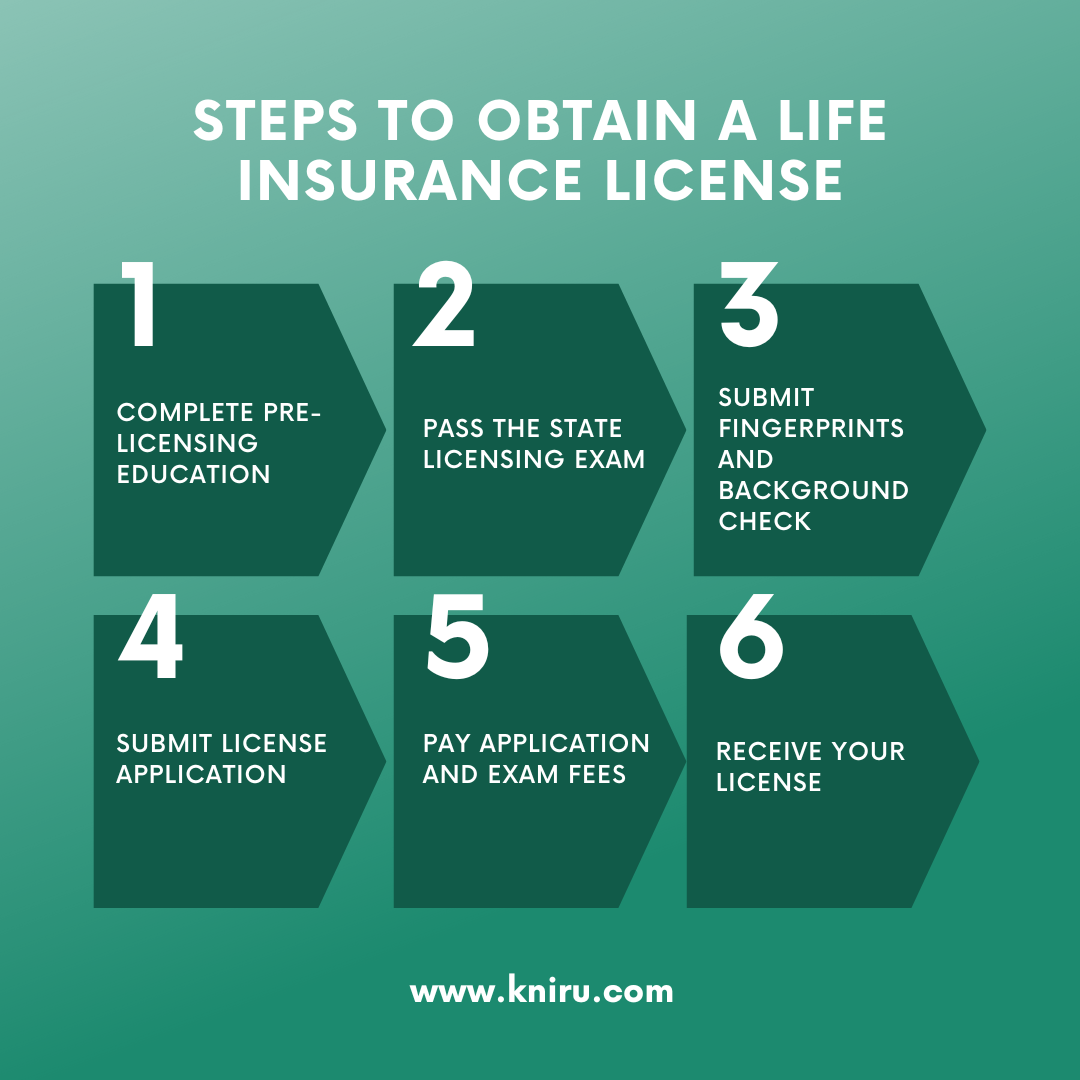
Getting a California state license for life insurance requires completing pre-licensing education, passing a background check with fingerprinting, submitting an application through Sircon or NIPR, and passing the official California Li...
Getting a California state license for life insurance requires completing pre-licensing education, passing a background check with fingerprinting, submitting an application through Sircon or NIPR, and passing the official California Life-Only Agent examination administered by PSI Services.
Contents
Entering the insurance industry as a licensed professional in California offers vast career opportunities, but the path requires navigating strict regulatory standards set by the California Department of Insurance (CDI). Whether you intend to work as an independent agent, join a major brokerage, or build a dedicated financial services practice, understanding the sequential steps, financial obligations, and legal mandates is essential for a smooth licensing journey. The state regulates insurance to protect consumers, which means applicants must meet rigorous ethical, educational, and examination standards before legally selling policies.
Understand the California Life-Only Agent License Scope
In California, the primary license required to sell traditional life insurance, endowments, and annuities is known as the Life-Only Agent license. Holding this specific credential authorizes an individual to transact life insurance policies on behalf of admitted insurers. It is important to note that a Life-Only license does not automatically permit the sale of variable annuities or variable life insurance; those products require an additional registration and securities qualification, specifically passing the FINRA Series 6 or Series 7 examination, alongside holding the state insurance license.
Applicants must also consider whether they want to add an Accident and Health (disability) qualification to their portfolio. The vast majority of insurance producers in California pursue a combined "Life and Health" license. Combining these credentials requires only a slightly expanded pre-licensing course and a combined or dual-exam approach, maximizing your marketability to clients seeking comprehensive financial protection. Reviewing your long-term career goals before beginning your education ensures you complete the correct curriculum from day one.
Meet the Basic Prerequisites and Eligibility Requirements
Before investing time and money into study materials, every applicant must verify they meet the baseline legal requirements established by the state of California. The California Department of Insurance enforces strict eligibility standards to ensure consumer protection and market integrity.
- Age Requirement: You must be at least 18 years of age to apply for and hold an insurance license in California.
- Residency: California residency is not strictly required to obtain a non-resident license, but residents must maintain a valid home or business address within the state to qualify for a resident license.
- Legal Status: Applicants must be legally authorized to work in the United States, providing a valid Social Security Number or Individual Taxpayer Identification Number (ITIN) during the application process.
- Background and Integrity: You must disclose any criminal history, administrative actions, or bankruptcy filings. While a past conviction does not automatically disqualify an applicant, failing to disclose historical infractions on the application is grounds for immediate denial.
Complete the Mandatory Pre-Licensing Education Hours
California law mandates that applicants complete a specific number of educational hours from a CDI-approved education provider before they are permitted to sit for the state licensing examination. These courses are designed to teach foundational insurance principles, policy types, underwriting rules, and state-specific regulations.
| License Type / Qualification | Required Pre-Licensing Hours | Ethics Course Requirement |
|---|---|---|
| Life-Only Agent (New) | 20 Hours | 12 Hours (Mandatory Code & Ethics) |
| Accident and Health (New) | 20 Hours | 12 Hours (Mandatory Code & Ethics) |
| Combined Life-Only & Health | 40 Hours Total | 12 Hours (Mandatory Code & Ethics) |
The 12-hour Code and Ethics course is a one-time requirement for new applicants, focusing on insurance ethics, California Insurance Code regulations, and consumer protection laws. Courses can be completed online through self-study programs or in a traditional classroom setting. Upon successful completion of the course and its final exam, the provider will issue a Certificate of Completion, which you must retain to register for the state exam.
Submit Your Fingerprints and Complete the Background Check
Background checks are a mandatory component of obtaining a California insurance license. The CDI evaluates your moral character and fitness to handle fiduciary funds. To initiate this process, you must submit fingerprints via Live Scan service, which is available at various authorized locations throughout California.
You should complete your fingerprint rolling close to the time you submit your license application to prevent processing delays. You will need to fill out a BCIA 8016 (Request for Live Scan Service) form, which includes specific ORI numbers designated for the California Department of Insurance. Fingerprint processing fees cover the costs associated with background checks conducted by the California Department of Justice (DOJ) and the Federal Bureau of Investigation (FBI). Keep your Live Scan receipt, as it contains your ATI (Applicant Tracking Identifier) number, which can be used to track the status of your background clearance.
Register and Pass the California State Licensing Exam
Once your pre-licensing education is completed and your fingerprint submission is underway, you are eligible to schedule your examination. The state exam is administered by PSI Services LLC, an independent testing vendor contracted by the California Department of Insurance.
You can register for the exam online through the PSI website or by phone. You will need to provide your Certificate of Completion number issued by your education provider. The examination is conducted via computer at various testing centers across the state.
- Exam Format: The Life-Only examination is typically multiple-choice, covering general life insurance concepts and California-specific insurance codes.
- Passing Score: You must achieve a passing score of at least 60% (or the specific threshold designated by PSI for that testing cycle) to pass.
- Immediate Results: You will receive your score report immediately upon completing the exam at the testing center. If you do not pass on the first attempt, you can reschedule according to PSI guidelines by paying a retake fee.
Submit the Official License Application via Sircon or NIPR
Passing the exam is a major milestone, but your license is not active until your formal application is approved by the California Department of Insurance. Applications are submitted electronically through online licensing platforms such as Sircon (powered by Vertafore) or the National Insurance Producer Registry (NIPR).
During the online application process, you will upload your Certificate of Completion, answer detailed background questions, and pay the required state application and licensing fees. The CDI will cross-reference your application with your exam results and your background check results from the DOJ and FBI. Processing times can vary depending on volume and whether any background disclosures require manual review by CDI compliance officers. You can check the status of your application online through the CDI's online services portal.
Maintain Your License Through Continuing Education
Securing your California life insurance license is only the beginning of your professional journey. To keep your license active and avoid suspension, the state of California enforces strict Continuing Education (CE) requirements.
- Renewal Cycle: California insurance licenses must be renewed every two years on the last day of the month in which the license was originally issued.
- CE Hour Requirements: Licensees generally must complete 24 hours of continuing education during every two-year licensing term, which must include a specific number of hours dedicated to ethics and California Insurance Code updates.
- Timely Completion: It is vital to complete your CE courses well in advance of your renewal deadline. Submitting proof of completion late can result in administrative penalties, lapse in authority to transact insurance, and required reinstatement fees.
Frequently Asked Questions
How long does it take to get a life insurance license in California?
The timeline varies based on how quickly you complete your 20 or 40 hours of pre-licensing education, schedule your exam, and clear the background check. On average, highly motivated individuals can complete the entire process from studying to receiving their approved license in 4 to 6 weeks.
Can I take the California insurance exam online from home?
No. The California Department of Insurance and its testing vendor, PSI Services, require candidates to take the licensing examination in person at an authorized PSI test center under proctored conditions.
What happens if I fail the state licensing exam?
If you fail the exam, you can register to retake it through PSI Services. You will need to pay the exam fee again for each subsequent attempt. There is no limit to the number of times you can take the exam, provided you pay the required fees and your pre-licensing education certificate remains valid.
Do I need a sponsoring insurance company to get my license in California?
No. Unlike some other states or specific financial licenses, California does not require you to be sponsored by an insurance carrier or agency to apply for and hold a resident Life-Only Agent license. You can obtain your license independently before deciding where to hang your license.
How much does it cost in total to get licensed?
Total costs typically range from $150 to $300, depending on your choices. This estimate includes pre-licensing study materials or courses, the Live Scan fingerprinting fee, the PSI exam registration fee, and the CDI state license application fee.
Next Steps and Professional Action
Begin your licensing journey by selecting a reputable, CDI-approved pre-licensing education provider that fits your learning style—whether that is self-paced online modules or intensive video lectures. Dedicate consistent study time each day to master insurance terminology, policy structures, and legal compliance regulations before booking your exam with PSI Services. Once you pass and your application is approved by the California Department of Insurance, establish a professional network, explore carrier appointments, and set up a reliable tracking system to manage your biennial continuing education requirements.
Image Gallery