AP World History Unit 1 Multiple Choice Questions PDF: Preparation and Strategic Study
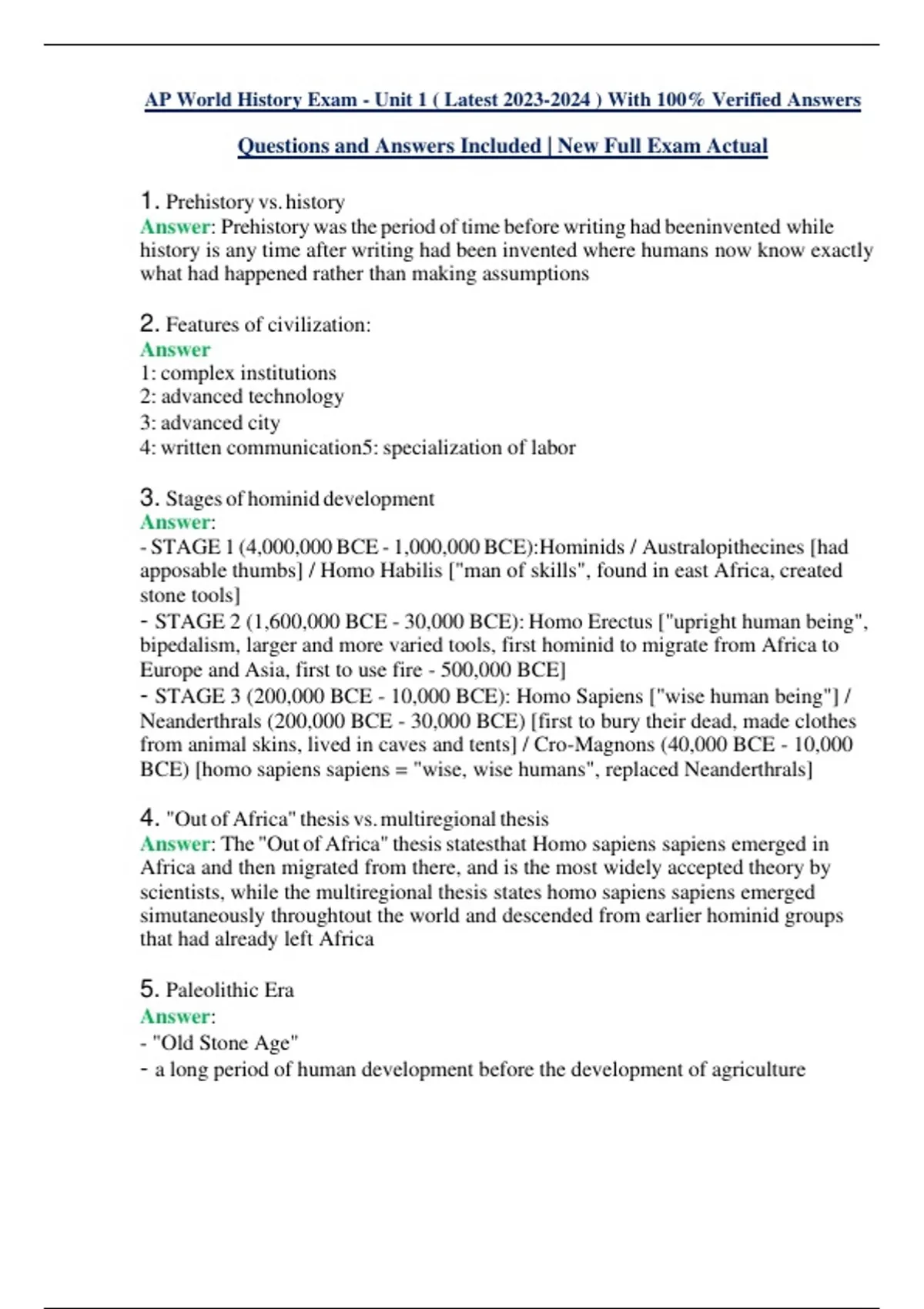
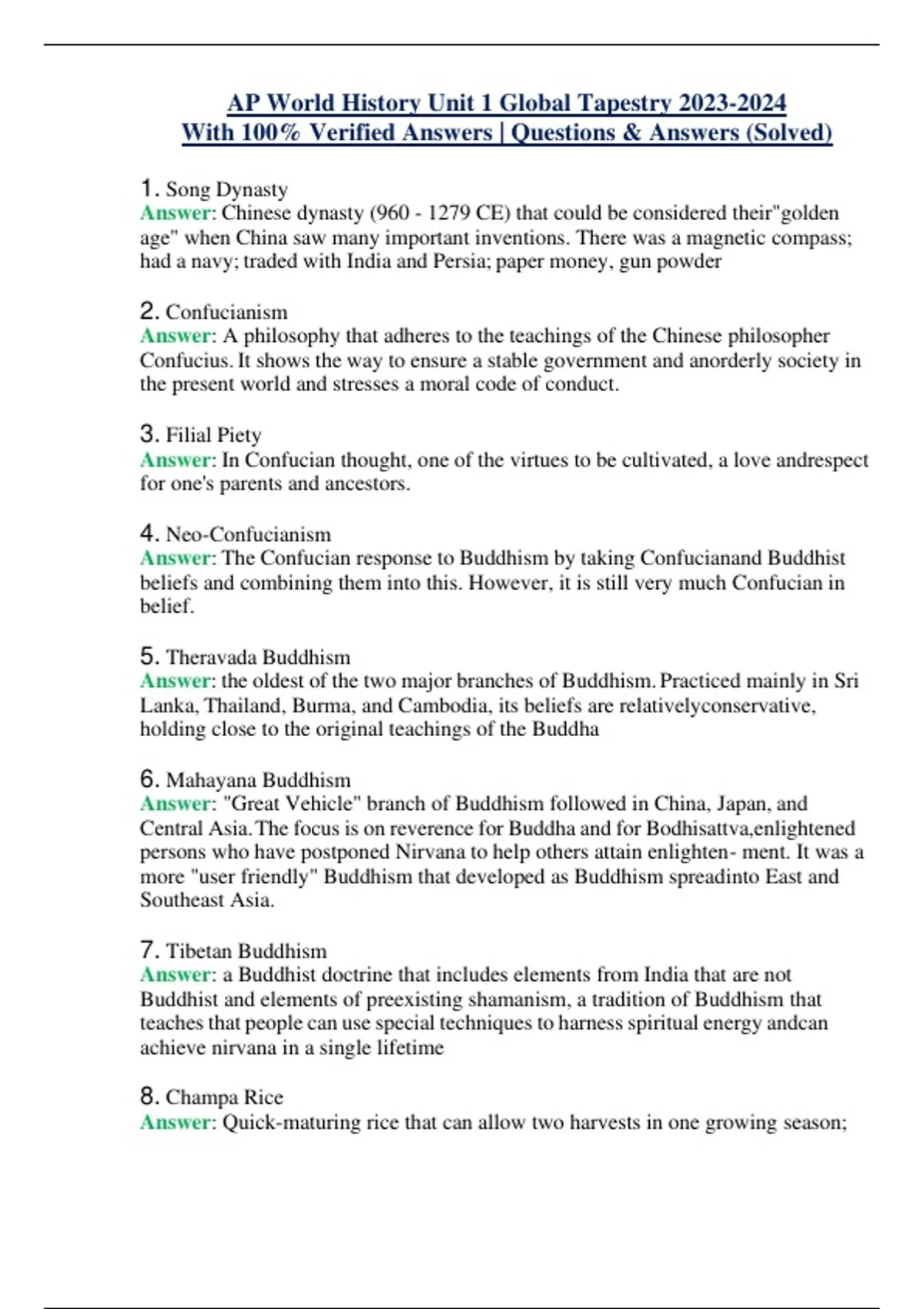
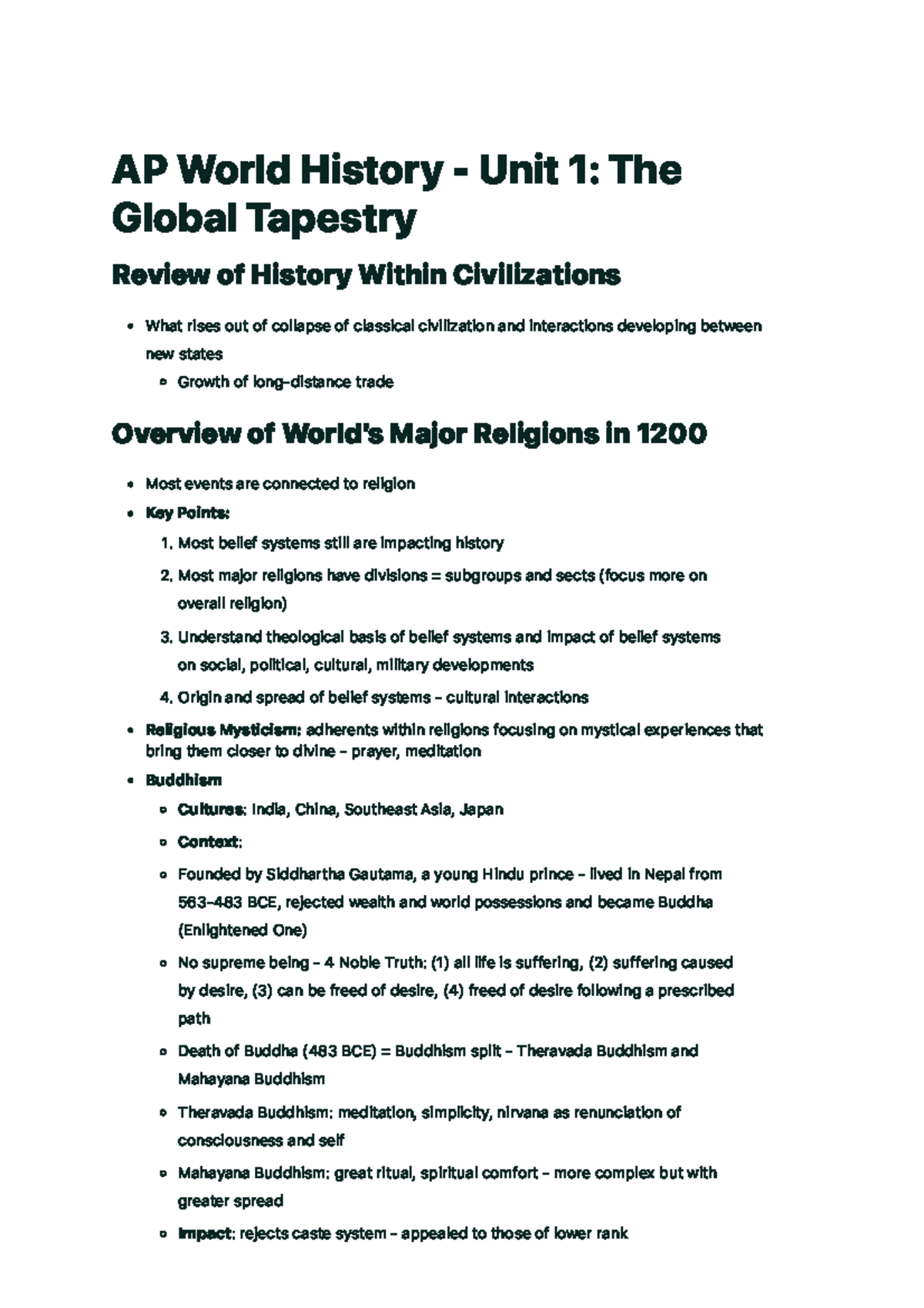
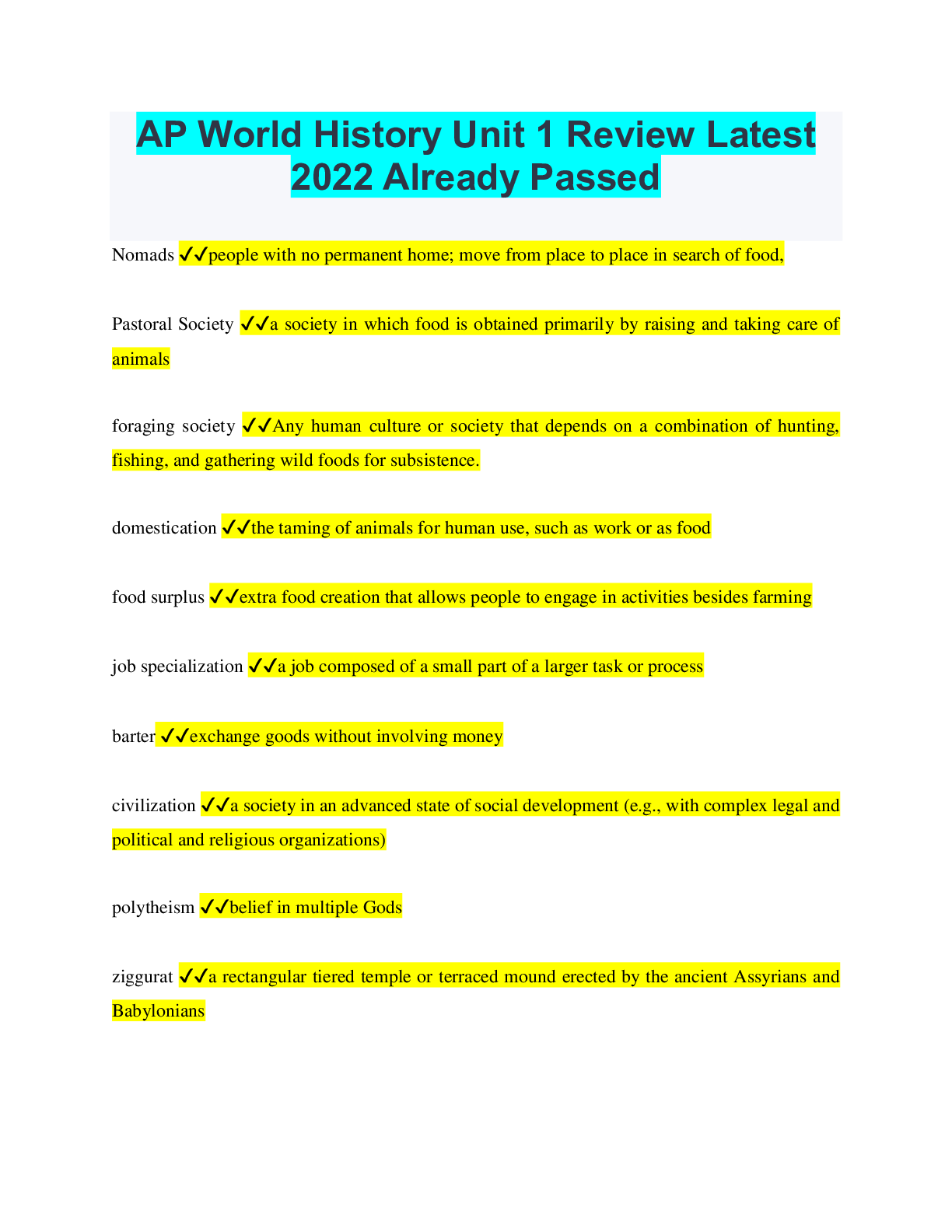
To effectively prepare for the AP World History: Modern exam, students often seek AP World History Unit 1 multiple choice questions in PDF format for practice. While the College Board does not release a singular, official "Unit 1" PDF...
To effectively prepare for the AP World History: Modern exam, students often seek AP World History Unit 1 multiple choice questions in PDF format for practice. While the College Board does not release a singular, official "Unit 1" PDF exam, students can access authentic practice materials through the AP Classroom portal, official Course and Exam Description (CED) guides, and secure, high-quality third-party assessment resources that align with current CED standards for the 1200–1450 CE time period.
Contents
Understanding the Structure of AP World History Unit 1
Unit 1 of the AP World History: Modern curriculum focuses on the "Global Tapestry" from 1200 to 1450 CE. This era emphasizes state-building, technological advancement, and the complex networks of exchange that defined civilizations across Africa, Asia, Europe, and the Americas.
When searching for multiple-choice questions (MCQs) regarding this unit, it is essential to understand that the College Board designs its exams to test historical thinking skills—such as continuity and change over time, causation, and sourcing—rather than simple rote memorization. Therefore, a "PDF of questions" should prioritize source-based prompts. These prompts typically include maps, excerpts from primary source documents, or images of historical artifacts that require the student to analyze context rather than merely identify dates or names.
Where to Find Valid Practice Materials
The primary challenge for students is finding reliable, college-level practice questions that mirror the rigor of the actual AP exam. Because the AP World History exam undergoes periodic updates to the Course and Exam Description, outdated PDFs found on generic study sites may not reflect the current weighting or skill requirements of the exam.
Official College Board Resources
The most reliable source for MCQs remains the official AP Classroom platform. Teachers registered for AP World History have access to the "Question Bank," which allows them to generate, download, and distribute customized practice quizzes in PDF format. These questions are calibrated to the actual exam's difficulty level and are the only source verified by the creators of the test.
The Course and Exam Description (CED)
Every student and educator should download the official AP World History: Modern Course and Exam Description. This document contains a sample exam at the end of the guide. While it covers the entire curriculum, it serves as the gold standard for understanding how Unit 1 concepts are tested. The questions within the CED represent the exact phrasing, complexity, and source-material integration you should expect on the actual exam.
Essential Skills for Unit 1 Multiple Choice
Success in Unit 1 requires more than reading about the rise of the Song Dynasty or the spread of Islam. You must be able to synthesize information. When working through practice PDFs, ensure the questions you are answering test these specific skills:
- Comparison: Analyzing similarities and differences between state-building in the Abbasid Caliphate and the Vijayanagara Empire.
- Causation: Identifying how the introduction of Champa rice led to population growth in East Asia.
- Contextualization: Understanding the broader global trends of the 13th century, such as the Mongol influence on trade routes.
- Source Analysis: Interpreting a document (like a traveler’s account from Ibn Battuta or Marco Polo) to identify the author's point of view or historical context.
Comparative Guide to Practice Resources
| Resource Type | Accuracy Level | Accessibility | Primary Use Case |
|---|---|---|---|
| AP Classroom (Teacher) | Highest | Restricted | Formative assessment and progress checks. |
| Course and Exam Description | Official | Open Access | Understanding exam format and difficulty. |
| Third-Party Prep Books | High (Varies) | Purchased | Supplemental practice and skill drills. |
| General Online PDFs | Variable/Low | Open Access | Quick review; use with caution for validity. |
Avoiding Common Pitfalls in Self-Study
One of the most frequent mistakes students make is prioritizing the quantity of questions over the quality of the analysis. Spending three hours completing 100 simple, fact-based multiple-choice questions is less effective than spending one hour analyzing 15 source-based questions.
If you find a PDF online that focuses on "Which year did X happen?" or "Who was the ruler of Y?", you are likely using materials designed for lower-level history courses. The AP World History exam rarely asks about specific dates in isolation. Instead, look for questions that ask about the effects of the Trans-Saharan trade routes or the methods used by the Aztecs for tribute collection.
Developing a Strategic Study Routine
To maximize your efficiency when using practice materials:
- Timed Practice: Even if you are working from a PDF, time yourself. The AP exam requires students to answer 55 questions in 55 minutes. Aim for one minute per question to account for reading the stimulus and selecting the correct answer.
- Review the Stimulus: Never ignore the primary source material accompanying the question. The answer is almost always contained within the context of the stimulus or requires external knowledge applied specifically to that source.
- Analyze Incorrect Answers: If you miss a question, do not simply look at the right answer. Determine why the "distractor" answer was incorrect. Often, distractors are factually true statements that do not directly answer the specific question being asked.
Next Steps for Success
If you are currently enrolled in an AP course, ask your teacher to unlock the Progress Checks for Unit 1 in AP Classroom. These are the best tools for gauging your understanding of the Global Tapestry. If you are self-studying, prioritize the official College Board CED and reputable, high-quality review books that emphasize document analysis.
If you are struggling with specific content within Unit 1—such as the complexities of the Delhi Sultanate or the nuances of the Inca Empire—use your practice PDF results as a diagnostic tool. Identify the themes where you consistently miss questions and revisit those specific sections in your textbook or official course notes before attempting another round of practice.
Frequently Asked Questions
1. Does the College Board release official Unit 1-only PDF practice exams? No. The College Board releases comprehensive exams that cover the entire course rather than individual units. However, teachers can generate targeted practice sets through the AP Classroom portal that focus specifically on Unit 1 concepts.
2. How do I know if the practice questions I found are reliable? Check if the questions include a "stimulus"—an image, map, or text excerpt—for every 3–4 questions. If the questions are purely factual and lack primary sources, they are likely not representative of the AP World History: Modern exam standards.
3. Is there a difference between "multiple choice" and the "stimulus-based" questions? On the AP exam, all multiple-choice questions are stimulus-based. You will always be analyzing a provided source to answer the question. Any practice material that lacks these sources is fundamentally misaligned with the current AP format.
4. How much time should I spend on Unit 1 practice? Unit 1 represents approximately 8–10% of the total exam weight. You should balance your study time accordingly; while it is foundational, it should not consume the majority of your review time compared to the more heavily weighted eras of 1450–1750 or 1750–1900.
5. Are there specific key terms I should focus on for Unit 1? Focus on themes such as "state-building," "mercantilism," "syncretism," and "diffusion." Instead of memorizing individual kings, focus on how state-building methods (like the use of the bureaucracy in China) compared to decentralized models (like feudalism in Europe).
6. Can I use older AP World History PDFs for practice? Be careful. The course was significantly updated in 2019 to the "Modern" curriculum. Questions from before 2019 may cover topics that are no longer in the scope of the exam or follow a testing format that is no longer used.
Recommendation: For the most effective preparation, log into your AP Classroom account to access the official Topic Questions for Unit 1. If you are studying independently, use the official College Board Course and Exam Description as your benchmark for the types of sources and questions you will encounter on the exam.
Image Gallery