LifeLock and Health Insurance Monitoring: Protecting Your Medical Identity in 2026
LifeLock monitors health insurance by scanning the dark web for your sensitive credentials and tracking your Social Security Number (SSN) for unauthorized use in medical settings. Through features like Medical ID Alerts, it notifies yo...
LifeLock monitors health insurance by scanning the dark web for your sensitive credentials and tracking your Social Security Number (SSN) for unauthorized use in medical settings. Through features like Medical ID Alerts, it notifies you if your insurance information or identity is used to obtain medical services, prescriptions, or insurance payouts, helping prevent life-threatening medical record inaccuracies.
Contents
Medical identity theft has evolved into one of the most complex and damaging forms of fraud in the digital era. Unlike a stolen credit card, which can be canceled and replaced in days, a compromised health insurance identity can result in permanent, incorrect data being added to your medical records. As we move through 2026, the integration of identity theft protection services like LifeLock with healthcare-specific monitoring has become a vital layer of defense for consumers.
The Mechanics of Medical Identity Theft
Medical identity theft occurs when someone steals your personal information—such as your name, SSN, or health insurance member ID—to receive medical care, buy drugs, or submit fraudulent billings to your insurance provider. The consequences extend far beyond financial loss. When an impostor receives treatment using your identity, their medical history, blood type, allergies, and diagnoses can be merged with your own health records.
In 2026, the value of a medical record on the dark web remains significantly higher than that of a credit card number. This is because medical records contain a permanent "fullz" profile: name, birth date, SSN, address, and insurance policy numbers. This data allows criminals to commit "ghost billing" or obtain expensive procedures that can quickly exhaust your policy’s lifetime limits. LifeLock’s role is to act as an early warning system, identifying when this data surfaces in illicit marketplaces or is used in unauthorized transactions.
How LifeLock Monitors Your Health Insurance Identity
LifeLock, a brand under Gen Digital, utilizes a multi-layered approach to protect your medical and insurance data. While no service can prevent all fraud, LifeLock’s monitoring is designed to catch the "breadcrumbs" left behind by medical identity thieves.
Medical ID Alerts and SSN Monitoring
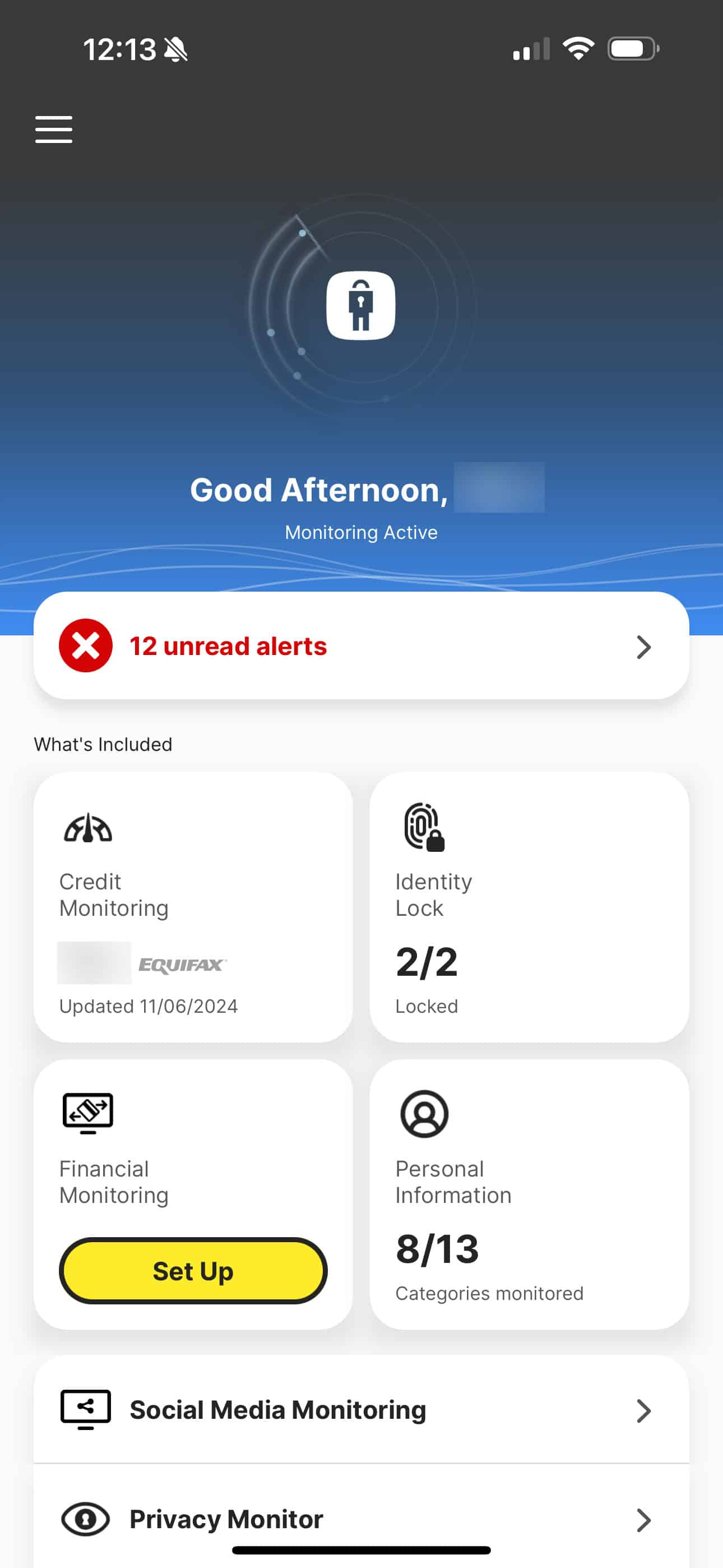
The cornerstone of health insurance protection within LifeLock is the Medical ID Alert system, typically available in the higher-tier "Ultimate Plus" plans. This feature monitors for the use of your SSN in association with medical services. If a healthcare provider or a medical billing agency runs a credit check or verifies an identity using your SSN, LifeLock triggers an alert.
Because many hospitals and specialty clinics use credit reporting agencies to verify patient identities or set up payment plans, these "hard" or "soft" inquiries serve as a proxy for medical activity. If you are not sitting in a doctor’s office when the alert arrives, it is a definitive sign of attempted fraud.
Dark Web Monitoring for Healthcare Credentials
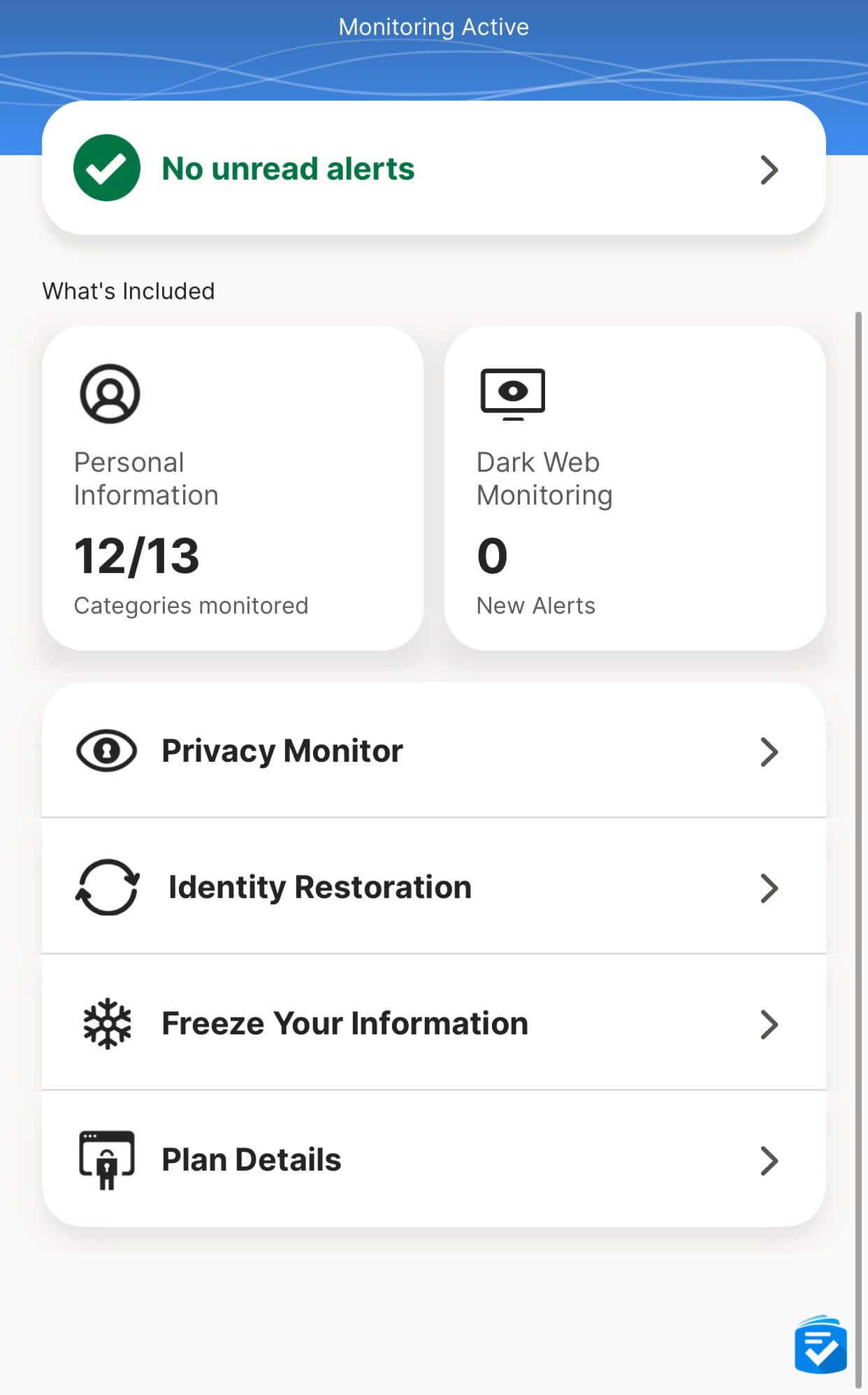
The dark web is a series of encrypted websites where hackers trade stolen data. LifeLock’s proprietary technology scans these forums and private data dumps for your specific health insurance member ID or Medicare number. In 2026, healthcare data breaches are unfortunately common due to the high volume of legacy systems in smaller clinics. If your insurance information is found in a "combo list" (a list of usernames and passwords) or a database dump, LifeLock provides an immediate notification so you can contact your insurer to issue a new member ID.
Change of Address and Identity Verification
Fraudsters often change the billing address associated with an insurance policy so that the "Explanation of Benefits" (EOB) statements are sent to them instead of the victim. LifeLock monitors the U.S. Postal Service (USPS) and other national address databases. If a request is made to divert your mail, LifeLock alerts you, preventing a thief from hiding their fraudulent medical claims for months or years.
Comparing LifeLock Protection Tiers for Healthcare
Not all LifeLock plans offer the same level of healthcare-specific monitoring. It is essential to select a tier that includes the necessary "Identity Restoration" and "Medical ID" features.
| Feature | LifeLock Standard | LifeLock Advantage | LifeLock Ultimate Plus |
|---|---|---|---|
| Dark Web Monitoring | Included | Included | Included |
| SSN & Credit Alerts | 1 Bureau | 1 Bureau | 3 Bureaus |
| Medical ID Alerts | No | Limited | Full Coverage |
| USPS Address Change | No | Included | Included |
| Identity Restoration | Included | Included | Included |
| 2026 Est. Monthly Cost | $12.49 | $21.99 | $32.99 |
Note: Pricing reflects 2026 estimates for individual plans. Family plans and Norton 360 bundles may vary. The Ultimate Plus tier is the recommended level for comprehensive medical identity protection.
What LifeLock Cannot See: The HIPAA Boundary
It is important to understand the technical and legal limitations of identity monitoring. LifeLock does not have direct access to your private medical records or the clinical details of your doctor's visits. This is largely due to the Health Insurance Portability and Accountability Act (HIPAA), which protects the privacy of clinical data.
LifeLock monitors the administrative identity—the credentials used to access the insurance—rather than the clinical content. This means:
- LifeLock cannot see your diagnosis or what medication you were prescribed.
- LifeLock cannot see if a doctor made a mistake in your chart.
- LifeLock cannot verify if a specific treatment was medically necessary.
Instead, LifeLock monitors the financial and identity signatures associated with your healthcare. It sees the "who, where, and when" of the identity use, rather than the "what" of the medical treatment.
The Restoration Process for Medical Identity Fraud
If LifeLock detects that your health insurance has been compromised, the value of the service shifts from monitoring to Restoration. Medical identity theft is notoriously difficult to resolve because it involves removing false information from HIPAA-protected files, which often requires the victim to prove a negative (that they were not the person treated).
In 2026, LifeLock provides dedicated Identity Restoration Specialists. If you become a victim, these specialists:
- Work with Insurance Providers: They assist in contacting your health insurance company's fraud department to dispute charges and freeze your member ID.
- Liaise with Healthcare Facilities: They provide guidance on how to request copies of medical records from hospitals where the fraud occurred, which is a necessary step in purging false data.
- Coordinate with Law Enforcement: They help you file the necessary FTC Identity Theft Reports and police reports required to clear your name.
- Financial Reimbursement: LifeLock’s "Million Dollar Protection Package" covers out-of-pocket expenses, such as legal fees or lost wages, incurred during the recovery process.
Critical Steps to Supplement Your Monitoring
While LifeLock provides a robust safety net, health insurance monitoring is most effective when combined with proactive consumer habits. The Federal Trade Commission (FTC) recommends several steps to safeguard your medical identity alongside a monitoring service.
First, review every Explanation of Benefits (EOB) you receive. An EOB is not a bill, but a summary of services charged to your insurance. If you see a doctor you haven't visited or a procedure you didn't have, this is the first physical evidence of fraud. LifeLock cannot read your EOB for you, so this remains a human responsibility.
Second, protect your Medicare and Insurance IDs as if they were credit cards. Do not provide this information over the phone unless you initiated the call to a verified provider. In 2026, "medical phishing" remains a primary tactic for data collection.
Third, request an annual accounting of disclosures from your health plan. This document lists everyone who has received your medical information. If you see an unfamiliar specialist or facility on that list, it indicates your identity is being circulated within a fraudulent medical network.
Common Mistakes in Medical Identity Protection
A frequent error is assuming that a "credit freeze" protects your health insurance. While a credit freeze prevents new financial accounts from being opened, it does not stop a thief from using your existing health insurance member ID at a hospital. Hospitals often treat patients first and verify insurance second, especially in emergency settings.
Another mistake is failing to update LifeLock when you change insurance providers. If you switch from a private employer plan to Medicare in 2026, you must update your LifeLock profile with the new ID numbers to ensure the dark web monitoring is looking for the correct credentials.
FAQ: LifeLock and Health Insurance
Does LifeLock notify me if someone uses my Medicare card?
Yes, if you have provided your Medicare number to LifeLock and are on a plan that includes dark web monitoring and Medical ID alerts. LifeLock scans for your Medicare ID on the dark web and monitors for SSN-related credit inquiries that often accompany Medicare fraud.
Can LifeLock remove incorrect medical information from my doctor's records?
No. Because of HIPAA regulations, LifeLock cannot directly edit or access your medical records. However, if you are a victim of identity theft, LifeLock’s Restoration Specialists will guide you through the legal process of contacting healthcare providers to have the fraudulent information removed.
Is health insurance monitoring included in the basic LifeLock plan?
Basic plans (Standard) focus primarily on SSN and credit monitoring. While this offers some protection, specialized Medical ID Alerts and more comprehensive identity monitoring are generally reserved for the Advantage and Ultimate Plus tiers.
How do I know if my health insurance information is on the dark web?
If your information is found, LifeLock will send an alert via email, text, or the mobile app. The alert will specify what data was found (e.g., your insurance member ID or SSN) and provide recommended next steps, such as calling your insurance provider to request a new ID number.
Does LifeLock protect against "pharmacy fraud"?
LifeLock can alert you if your identity is used in ways that trigger a credit or identity verification at a pharmacy. However, the most effective way to catch pharmacy fraud is by reviewing your insurance claims and EOBs for medications you did not pick up.
Final Recommendation
For those seeking comprehensive protection in 2026, LifeLock Ultimate Plus is the most effective choice for health insurance monitoring. Its combination of three-bureau credit monitoring, dark web scanning for insurance IDs, and dedicated restoration services provides the necessary tools to handle the complexities of medical identity theft. Always supplement this service by meticulously reviewing your medical bills and Explanation of Benefits statements to ensure total coverage.
Image Gallery