Understanding Domains By Proxy: How Domain Privacy Protects Your Identity in 2026
Domains By Proxy is a specialized privacy service that masks a domain owner’s personal contact information in the public WHOIS database. By acting as a neutral third party, it replaces your name, home address, email, and phone number w...
Domains By Proxy is a specialized privacy service that masks a domain owner’s personal contact information in the public WHOIS database. By acting as a neutral third party, it replaces your name, home address, email, and phone number with the service’s details, shielding you from spam, identity theft, and unsolicited contact while you retain full ownership.
Contents
The digital landscape in 2026 demands a sophisticated approach to personal data. For anyone owning a website—whether it is a personal blog, a small business portal, or a corporate landing page—the visibility of registration data is a significant security vulnerability. Since the inception of the internet's current naming system, the Internet Corporation for Assigned Names and Numbers (ICANN) has required that every domain name be associated with valid contact information. Without a privacy service, this information is searchable by anyone with an internet connection.
The Role of ICANN and the WHOIS Database
To understand why a service like Domains By Proxy is necessary, one must understand the WHOIS database. Managed by ICANN, this directory acts as a public record for every domain registered globally. Its original intent was to allow network administrators to contact one another to resolve technical issues or for law enforcement to track down illegal activity.
However, as the internet grew, the WHOIS database became a goldmine for data scrapers, telemarketers, and malicious actors. The standard registration requires four sets of contact data:
- Registrant: The legal owner of the domain.
- Admin: The person authorized to handle administrative decisions.
- Tech: The individual managing technical aspects.
- Billing: The person responsible for payment.
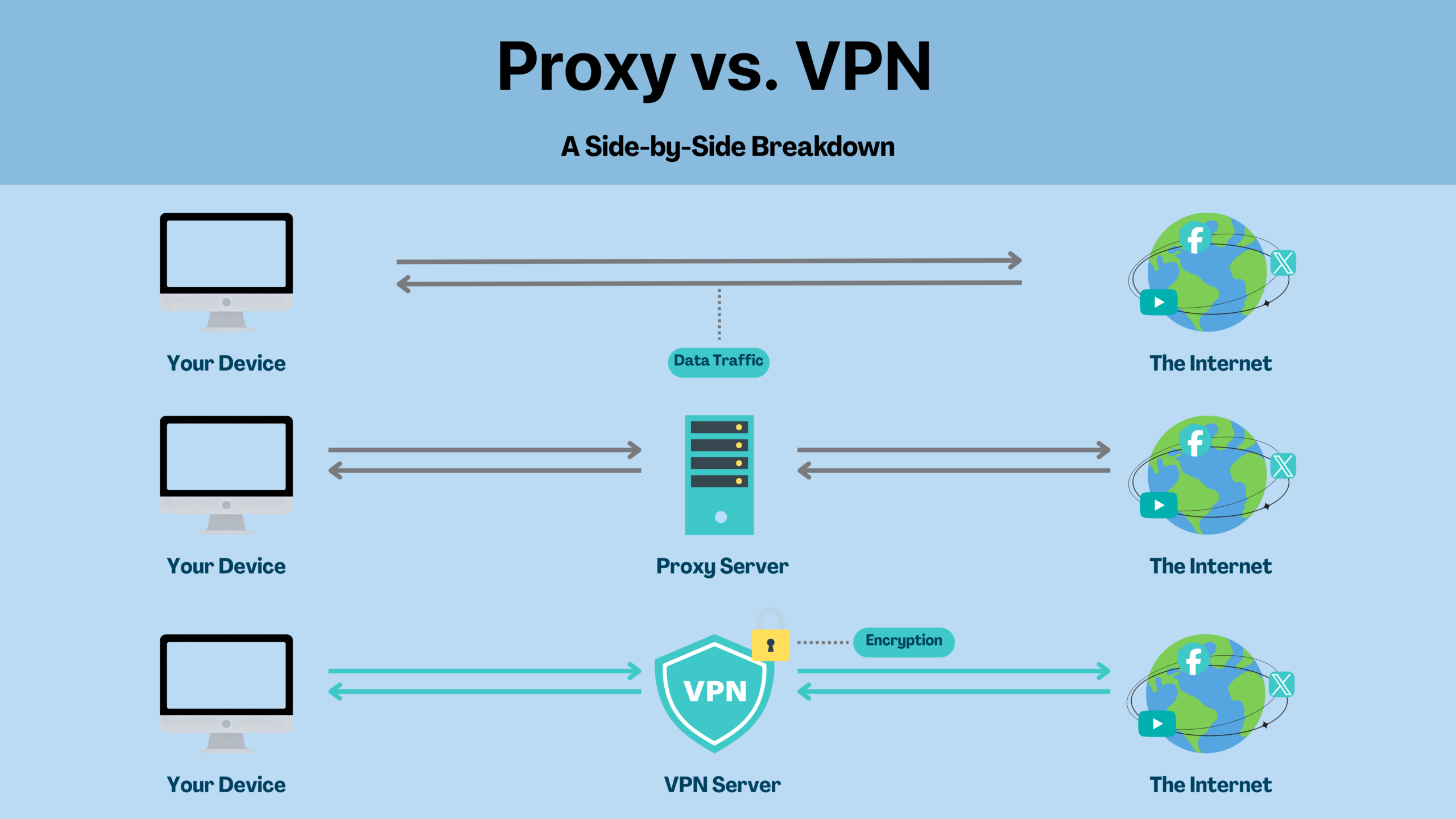
In a standard registration, your home address or office location, private cell phone number, and primary email address are published openly. Domains By Proxy serves as a "proxy" registrant, fulfilling the legal requirement for public data while keeping your actual identity behind a secure firewall.
How Domains By Proxy Functions
When you enable Domains By Proxy, the service establishes a "Proxy Agreement" with you. Under this legal framework, the service appears as the Registrant in the WHOIS record. However, you remain the "beneficial owner" of the domain. You maintain absolute control over the domain's settings, DNS records, and the ability to sell or transfer the name.
The Filtering Process
One of the primary technical advantages of using this service is its communication filtering. Since the proxy’s email and mailing addresses are listed publicly, any communication intended for the domain owner must pass through their system.
- Email Forwarding: Domains By Proxy creates a unique, private email address for your domain (e.g., yourdomain@domainsbyproxy.com). When someone sends an email to this address, the service filters out known spam and malicious content before forwarding legitimate inquiries to your private inbox.
- Physical Mail: For registered mail or legal notices, the service receives the documents at their physical headquarters. Depending on the nature of the correspondence, they notify the owner to ensure that important legal deadlines are not missed, while filtering out junk mail.
- Telephone Masking: Instead of your personal number, a proxy phone number is listed. Callers usually encounter a recorded message or a system that instructs them on how to contact the owner through the verified proxy channels.
Key Benefits of Domain Privacy in 2026
In the current year, data privacy is no longer an optional luxury; it is a fundamental component of cybersecurity. Utilizing a proxy service provides several layers of protection that go beyond mere anonymity.
Prevention of Identity Theft and Stalking
Publicly available WHOIS data is often the first stop for identity thieves. By cross-referencing a home address from a domain record with other leaked data, criminals can build a comprehensive profile of an individual. For high-profile individuals, journalists, or activists, masking this data is a critical safety measure against physical stalking and "doxing" (the malicious publication of private information).
Eliminating "WHOIS Scams"
A common tactic used by fraudulent registrars involves sending "domain expiration" notices via physical mail to the address found in the WHOIS database. These notices look like invoices but are actually deceptive attempts to trick owners into transferring their domains to a more expensive, lower-quality service. Domains By Proxy blocks these scammers from ever finding your mailing address.
Strategic Business Privacy
For corporations, domain privacy is a tool for competitive intelligence protection. When a company is planning to launch a new product or brand, they often register the relevant domain names months in advance. If these registrations are public, competitors can easily track the company’s future moves. By using a proxy, businesses can secure their intellectual property in "stealth mode" until they are ready for a public reveal.
Reducing "Spam-o-mous" Traffic
The moment a domain is registered without privacy, it is often indexed by automated bots. This leads to an immediate influx of spam calls offering "web design services," "SEO optimization," and "logo creation." By the time you finish your registration, your phone might already be ringing. A proxy service prevents this initial harvesting of your contact details.
Comparison: Public WHOIS vs. Domains By Proxy
The following table outlines the visibility of your data with and without the proxy service active.
| Data Point | Standard Public Registration | With Domains By Proxy |
|---|---|---|
| Name | Your Full Legal Name | Domains By Proxy, LLC |
| Address | Your Home or Office Address | 100 S. Mill Ave, Tempe, AZ (or similar) |
| Phone Number | Your Personal/Business Line | Proxy Service Phone Number |
| Email Address | Your Private Email | unique-id@domainsbyproxy.com |
| Spam Exposure | High (Direct access) | Low (Filtered by Proxy) |
| Legal Control | Direct | Retained via Proxy Agreement |
| Cost | Free (Included in registration) | Annual Fee (Usually $10–$20) |
Limitations and Legal Disclosures
It is a common misconception that Domains By Proxy provides total, untouchable anonymity. The service operates within the bounds of international and local laws. There are specific circumstances under which the service will "unmask" or "reveal" the underlying registrant data.
Subpoenas and Legal Requests
Domains By Proxy has a strict policy regarding illegal activity. If they receive a valid subpoena from a court of law or a formal request from law enforcement regarding criminal activity (such as fraud, phishing, or malware distribution), they will comply with legal requirements. This often involves revealing the true registrant's identity to the investigating authorities.
Abuse Policies and ICANN Compliance
The service is not a shield for intellectual property theft. If a domain is found to be infringing on trademarks or violating ICANN’s Anti-Abuse policies, the proxy service may be suspended. In cases of "UDRP" (Uniform Domain-Name Dispute-Resolution Policy) proceedings, the proxy must often be removed so that the legal parties can communicate directly regarding the ownership dispute.
Ownership Verification
When you use a proxy, you may face slight hurdles when attempting to prove ownership of a domain to a third party (such as an SSL certificate authority or a domain broker). In these instances, you may need to temporarily disable the privacy service to allow the third party to "see" your name in the records, then re-enable it once verification is complete.
How to Activate and Manage the Service
In 2026, most major registrars—most notably GoDaddy, which founded the service—offer Domains By Proxy as an add-on during the checkout process.
- Selection: When purchasing a new domain, look for the "Privacy" or "Privacy & Protection" toggle.
- Implementation: Once purchased, the system automatically replaces your contact information. There is no manual coding required.
- Validation: You can verify the service is working by using a public WHOIS lookup tool. You should see "Domains By Proxy, LLC" instead of your own details.
- Managing Communications: Within your registrar’s dashboard, you can view forwarded emails and manage how the proxy handles different types of inquiries.
Frequently Asked Questions
Does using Domains By Proxy affect my SEO?
No, using a domain privacy service does not negatively impact your Search Engine Optimization (SEO). Major search engines like Google have stated that they understand the need for privacy and do not penalize sites for using proxy services. However, ensure that the rest of your site’s contact information (on your "About" or "Contact" pages) is consistent with your brand to maintain trust with users.
Can I still sell my domain if it is under a proxy?
Yes. You retain full legal rights to sell or transfer your domain. When you find a buyer, you will typically need to "cancel" the proxy service or disable it temporarily so the new owner's information can be registered during the transfer process.
Is Domains By Proxy the same as "GDPR Redaction"?
Not exactly. The General Data Protection Regulation (GDPR) in Europe has led many registrars to mask some WHOIS data by default for residents of the EU. However, "redaction" is often inconsistent and may still leave some data (like a province or organization name) visible. Domains By Proxy provides a more robust, uniform layer of protection that applies regardless of your geographic location and includes active email and mail filtering.
What happens if I forget to renew the service?
If your Domains By Proxy subscription expires but your domain registration remains active, your private contact information will immediately become public in the WHOIS database. It is highly recommended to set both your domain and your privacy service to "Auto-Renew" to avoid accidental data exposure.
Can I use the proxy for any domain extension?
Most popular extensions (like .com, .net, .org, and .biz) allow proxy services. However, certain "Country Code" Top-Level Domains (ccTLDs) like .us, .ca, or .uk have specific residency requirements and may restrict or prohibit the use of third-party proxy services. Always check the specific registry rules for the extension you are purchasing.
Final Recommendation
For any individual or business registering a domain in 2026, enabling Domains By Proxy is a critical security step. The small annual fee is significantly lower than the potential cost of identity theft, the time lost managing spam, or the risks associated with having your home address accessible to the entire world. Unless you are an organization that is legally required to publish contact data for transparency reasons, your first action after selecting a domain name should be securing it with a privacy proxy.
Image Gallery