Navigating the Hidden Stress of Choosing a Hospital for Your Graduate Student
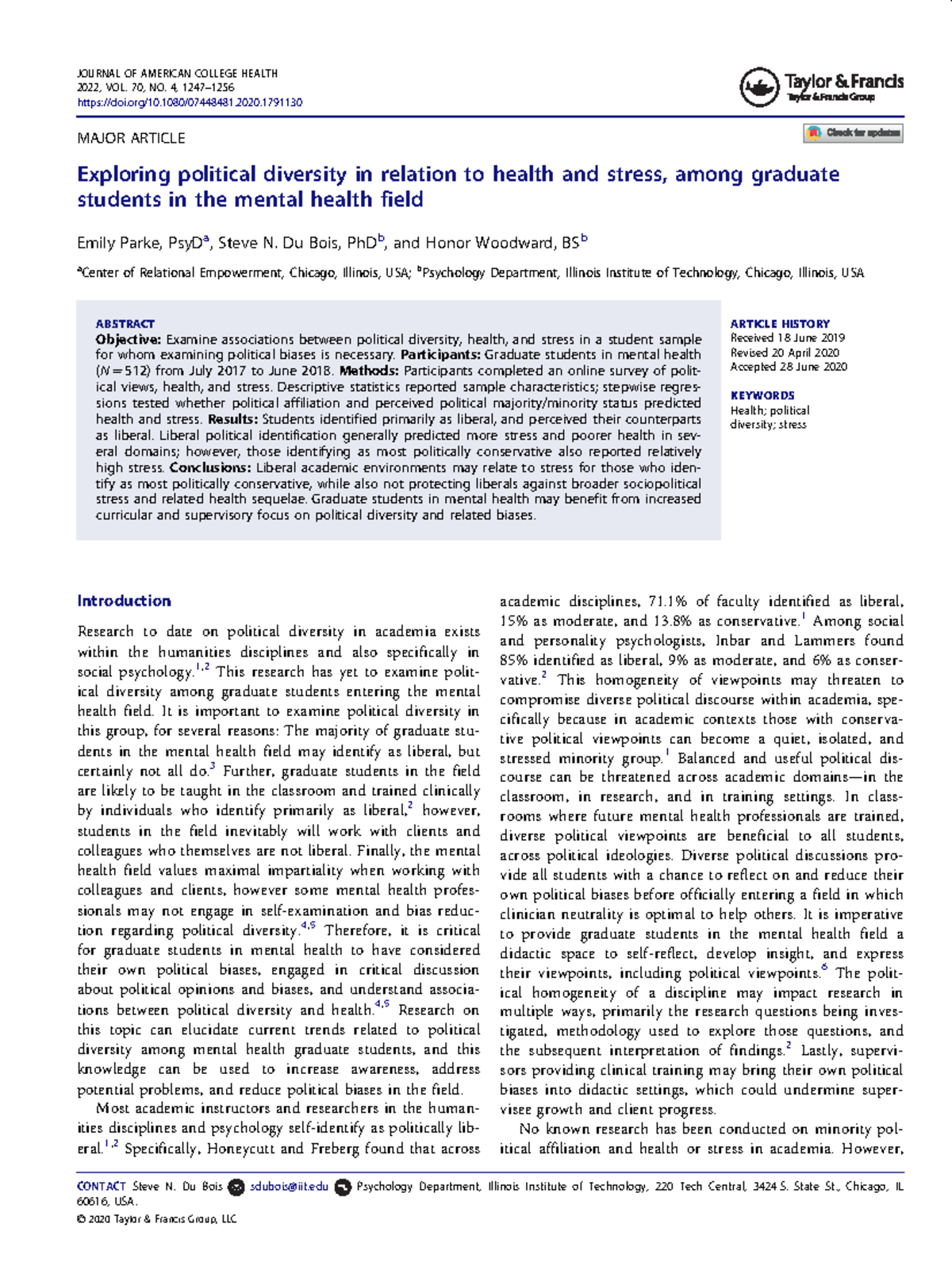
Choosing a hospital for a graduate student involves balancing Student Health Insurance Plan (SHIP) networks, geographic proximity to campus, and specialized care needs. The hidden stress often stems from the legal shift in medical priv...
Choosing a hospital for a graduate student involves balancing Student Health Insurance Plan (SHIP) networks, geographic proximity to campus, and specialized care needs. The hidden stress often stems from the legal shift in medical privacy (HIPAA) and the financial complexity of managing high-deductible costs on a limited academic stipend in 2026.
Contents
As a student transitions into a master’s or doctoral program, the logistical safety nets of undergraduate life often dissolve. Graduate students frequently move to new cities, face increased research-related health risks, and navigate a healthcare system that treats them as independent adults, while they may still rely on family for emotional or financial support. Selecting the right hospital and healthcare network is no longer just about proximity; it is about ensuring continuity of care, legal access for family during emergencies, and financial sustainability.
The Shift from Pediatric to Specialized Adult Care
For many families, the graduate school years represent the final severance from pediatric or "young adult" healthcare models. By 2026, the complexity of the U.S. healthcare system has only increased, making the transition to an adult hospital system a significant milestone. Graduate students, often aged 22 to 30+, require a different level of diagnostic care than undergraduates.
The primary stressor here is the management of chronic conditions or emerging health issues exacerbated by the rigor of graduate research. If a student is moving to a new state for a PhD program, they must "onboard" into a new hospital system months before an emergency occurs. This involves transferring medical records, establishing a relationship with a Primary Care Physician (PCP) within a university-affiliated hospital, and ensuring that any required specialists are accepting new patients under the specific university insurance tier.
Understanding the University Student Health Insurance Plan (SHIP)
Most major research universities require students to enroll in a Student Health Insurance Plan (SHIP) unless they provide proof of comparable coverage. In 2026, these plans are typically structured as Exclusive Provider Organizations (EPOs) or Preferred Provider Organizations (PPOs) that heavily favor the university’s own medical center.
The Referral Requirement
A significant "hidden" stressor is the referral system. Many SHIP programs require students to first visit the campus student health center before they can be seen at the university hospital or an outside specialist. If a student bypasses this step and goes directly to the hospital for a non-emergency, the insurance claim may be denied entirely. Families must understand the specific "gatekeeper" rules of the university's plan to avoid thousands of dollars in unexpected medical debt.
In-Network vs. Out-of-Network Risks
While a university hospital may be world-class, it might not be the only hospital in the city. If a graduate student is taken to a competing hospital system during an emergency, the "out-of-network" costs can be catastrophic. Reviewing the Centers for Medicare & Medicaid Services (CMS) guidelines on the "No Surprises Act" is essential for understanding protections against balance billing, but these protections have limits when a student knowingly chooses an out-of-network provider for elective or specialized care.
The HIPAA Wall: Privacy and Communication Barriers
Perhaps the most significant source of stress for parents of graduate students is the loss of automatic access to medical information. Under the Health Insurance Portability and Accountability Act (HIPAA), once a student is 18, hospitals cannot legally share their medical status, diagnosis, or even their presence in the facility with parents without explicit written consent.
In a high-pressure graduate environment, mental health crises or physical accidents can happen. If a student is incapacitated and hasn't signed the necessary releases, the family is left in a "blackout" period. To mitigate this stress, graduate students should be encouraged to complete the following:
- Healthcare Power of Attorney: Designates someone to make medical decisions if the student cannot.
- HIPAA Release Forms: Specifically naming parents or partners as authorized to receive updates.
- FERPA Waivers: While FERPA governs educational records, it can sometimes overlap with health records maintained by a university-run clinic. Information on FERPA via the Department of Education provides clarity on these distinctions.
Geographic Constraints and Lab-Related Health Risks
Graduate students in STEM fields often work in laboratories involving biohazards, chemicals, or heavy machinery. This adds a layer of "occupational" health stress. When choosing a hospital, it is vital to ensure the facility has expertise in the specific risks associated with the student's research.
For example, a student working in a high-containment virology lab should be near a hospital with a robust infectious disease department. Conversely, a field researcher working in remote locations needs to understand the "repatriation" or emergency transport coverage included in their health plan. The American College Health Association (ACHA) provides standards for student health services that include emergency response planning for research-related injuries.
Financial Management on a Graduate Stipend
In 2026, the average graduate stipend remains modest compared to the rising cost of living and healthcare. A "hidden" stress of choosing a hospital is the "facility fee." Even if a doctor is in-network, the hospital where they practice may charge a separate facility fee for every visit.
| Insurance Type | Monthly Premium | Deductible Level | Best For... |
|---|---|---|---|
| University SHIP | Mid-range (often subsidized) | Moderate ($500 - $1,500) | Students using campus facilities; international students. |
| Parent's PPO | Varies (often higher) | Low to High | Students under 26 with complex pre-existing conditions. |
| Marketplace (ACA) | Income-based | Typically High | Non-stipended students or those in states with expanded Medicaid. |
| Catastrophic Plan | Lowest | Very High ($8,000+) | Healthy students under 30 who only want "worst-case" coverage. |
Specialized Care: Mental Health and Parity
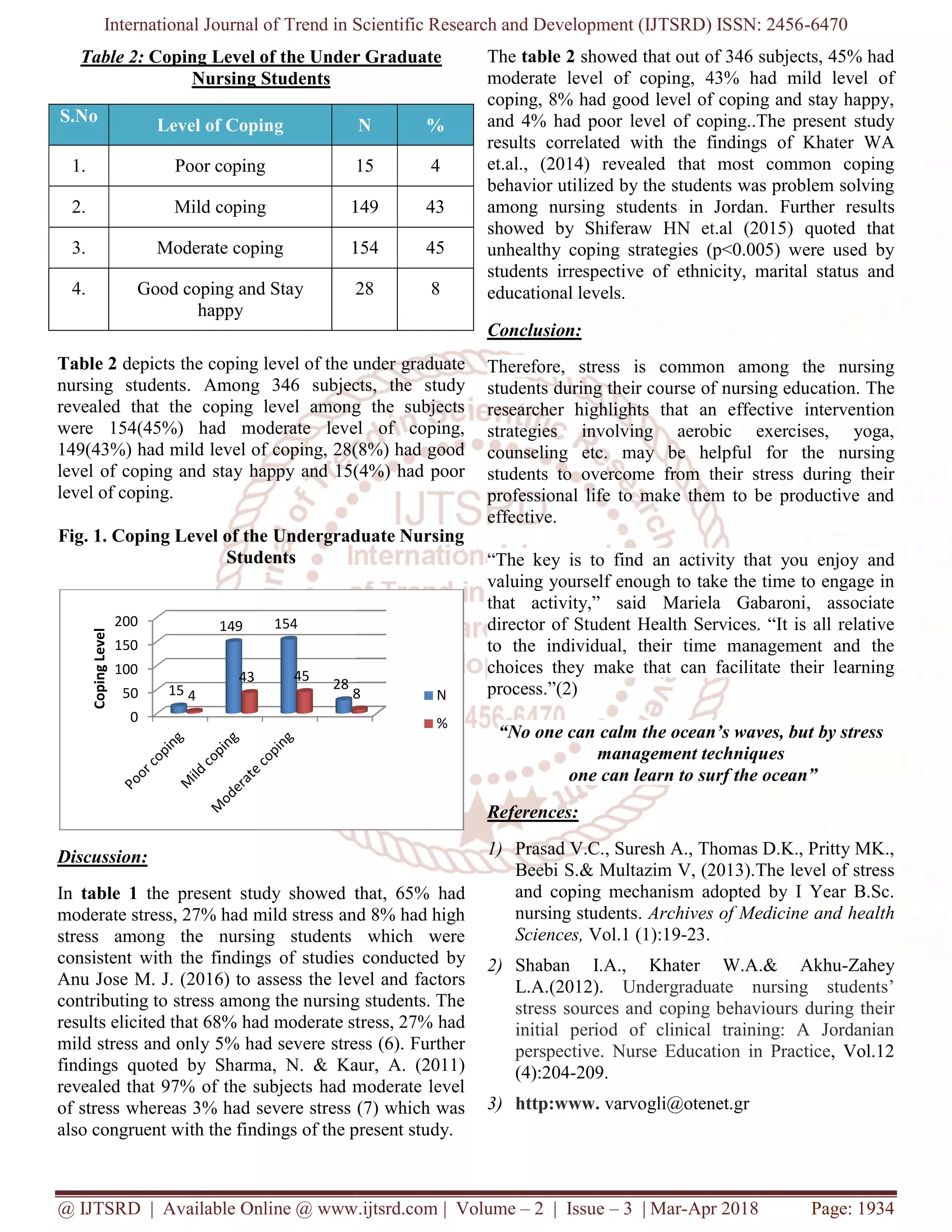
The mental health crisis in graduate education is a documented phenomenon. The stress of "publish or perish," combined with isolation, leads to high rates of anxiety and depression. When selecting a hospital system, it is crucial to verify the availability of psychiatric services and the "Mental Health Parity" of the insurance plan.
Many university hospitals have long waitlists for therapy. A graduate student may need to look for a hospital system that integrates behavioral health with primary care to ensure they don't have to wait months for an intake appointment. The 2026 landscape features more telehealth options, but "hospital-based" psychiatric care is still the gold standard for acute crises.
Common Mistakes in Hospital Selection
- Assuming Proximity Equals Coverage: Just because a hospital is across the street from the lab does not mean it is the "Tier 1" provider for the student’s insurance.
- Neglecting Pharmacy Networks: Some hospital-based pharmacies offer significantly lower co-pays for expensive maintenance medications compared to retail chains.
- Ignoring the "Summer Gap": Some student plans have different coverage rules during the summer months if the student is not registered for credits, even if they are still working in a lab.
Frequently Asked Questions
Can I still be on my parents' insurance if I'm a graduate student?
Yes, under federal law, you can remain on a parent’s health insurance plan until you turn 26. However, if your graduate school is in a different state, your parent's "local" network might not cover non-emergency care at the hospitals near your university. You must check if the plan has "national network" or "guesting" privileges.
What is the difference between a student health center and a university hospital?
The student health center is typically an outpatient clinic for primary care, vaccinations, and basic wellness. The university hospital is a full-scale medical facility for surgeries, specialist care, and emergencies. Most SHIP plans require you to start at the health center to get a referral to the hospital.
Why does the university hospital cost more than a local clinic?
University hospitals are often "academic medical centers" (AMCs). They handle the most complex cases and utilize the latest technology, which often results in higher "facility fees." While the care is high-quality, the out-of-pocket costs for a graduate student can be higher than at a community hospital.
What should a graduate student do if they have an emergency outside of business hours?
They should go to the nearest emergency room. Under the No Surprises Act, emergency services must be covered at an in-network rate even if the hospital is out-of-network. However, once the student is stabilized, the insurance company may require them to transfer to an in-network hospital to continue receiving coverage.
How do I ensure my partner/spouse can make medical decisions for me?
If you are not married, you must sign a Durable Power of Attorney for Healthcare. Without this legal document, the hospital will default to your "next of kin" (usually parents), which can cause significant stress if you prefer your partner to be your primary advocate.
Practical Recommendations
To minimize the hidden stress of healthcare in graduate school, take the following actions before the semester begins:
- Download the Summary of Benefits and Coverage (SBC): Look specifically for the "Emergency Room" and "Urgent Care" sections.
- Verify the Tier 1 Hospital: Identify the exact hospital facility that offers the lowest co-insurance rate.
- Submit HIPAA and Power of Attorney Forms: Keep digital copies on a shared drive accessible to both the student and their designated emergency contact.
- Establish a "Bridge" Prescription: Ensure the student has a 90-day supply of any maintenance medications to allow time for a new local doctor to take over the prescription.
By addressing these logistical and legal hurdles early, graduate students can focus on their research without the looming anxiety of a healthcare or financial crisis.
Image Gallery