How to Win Free Sweepstakes Legally: Strategies and Compliance
Winning free sweepstakes legally requires a combination of high-volume entry strategies, strict adherence to official rules, and a clear understanding of consumer protection laws. By leveraging "No Purchase Necessary" clauses and utili...
Winning free sweepstakes legally requires a combination of high-volume entry strategies, strict adherence to official rules, and a clear understanding of consumer protection laws. By leveraging "No Purchase Necessary" clauses and utilizing organizational tools, participants can maximize their odds without falling victim to common predatory scams.
Contents
Entering sweepstakes is a legitimate hobby that millions of people use to secure electronics, vacations, and cash prizes. However, as of 2026, the landscape of digital promotions has become increasingly complex, with brand marketing shifting toward social media engagement and mobile-first experiences. To succeed, one must distinguish between legitimate marketing promotions and illegal lotteries or fraudulent schemes. This guide outlines the verified methods for entering and winning sweepstakes while remaining within the bounds of federal and state laws.
The Legal Framework of Sweepstakes
In the United States, the legality of a sweepstakes is governed primarily by the Federal Trade Commission (FTC), the Federal Communications Commission (FCC), and the United States Postal Service (USPS). The core legal distinction lies in the difference between a sweepstakes, a contest, and a lottery.
A sweepstakes is defined as a promotional drawing in which prizes are given away at no cost to the participants. Winners are selected by chance. To remain legal, a sweepstakes must not require "consideration." Consideration typically refers to a monetary payment, but it can also include a significant expenditure of effort that benefits the promoter. This is why you will always see the phrase "No Purchase Necessary" in legitimate promotions. If a purchase is required to enter a game of chance, it becomes an illegal lottery, which is a privilege reserved for state-regulated entities.
A contest, conversely, is a game of skill rather than chance. In a contest, winners are chosen based on specific criteria, such as the quality of a photo, an essay, or a recipe. Because winners are not chosen randomly, these promotions can legally require an entry fee or a purchase in most jurisdictions, though many brands still offer free entry to broaden participation.
The "Alternate Method of Entry" (AMOE) is the most critical legal protection for "sweepers"—people who enter sweepstakes as a regular hobby. Federal law mandates that companies offering a sweepstakes with a purchase-based entry must also provide a free way to enter that offers the exact same odds of winning. This is often accomplished through a mail-in entry or an online form.
Identifying Legitimate Sweepstakes vs. Scams
As we move through 2026, automated fraud and AI-generated phishing attempts have become more sophisticated. Protecting yourself is as important as entering the right promotions. Legitimate sweepstakes are marketing investments; a brand wants to capture your attention, email address, or social media engagement. They do not want your money.
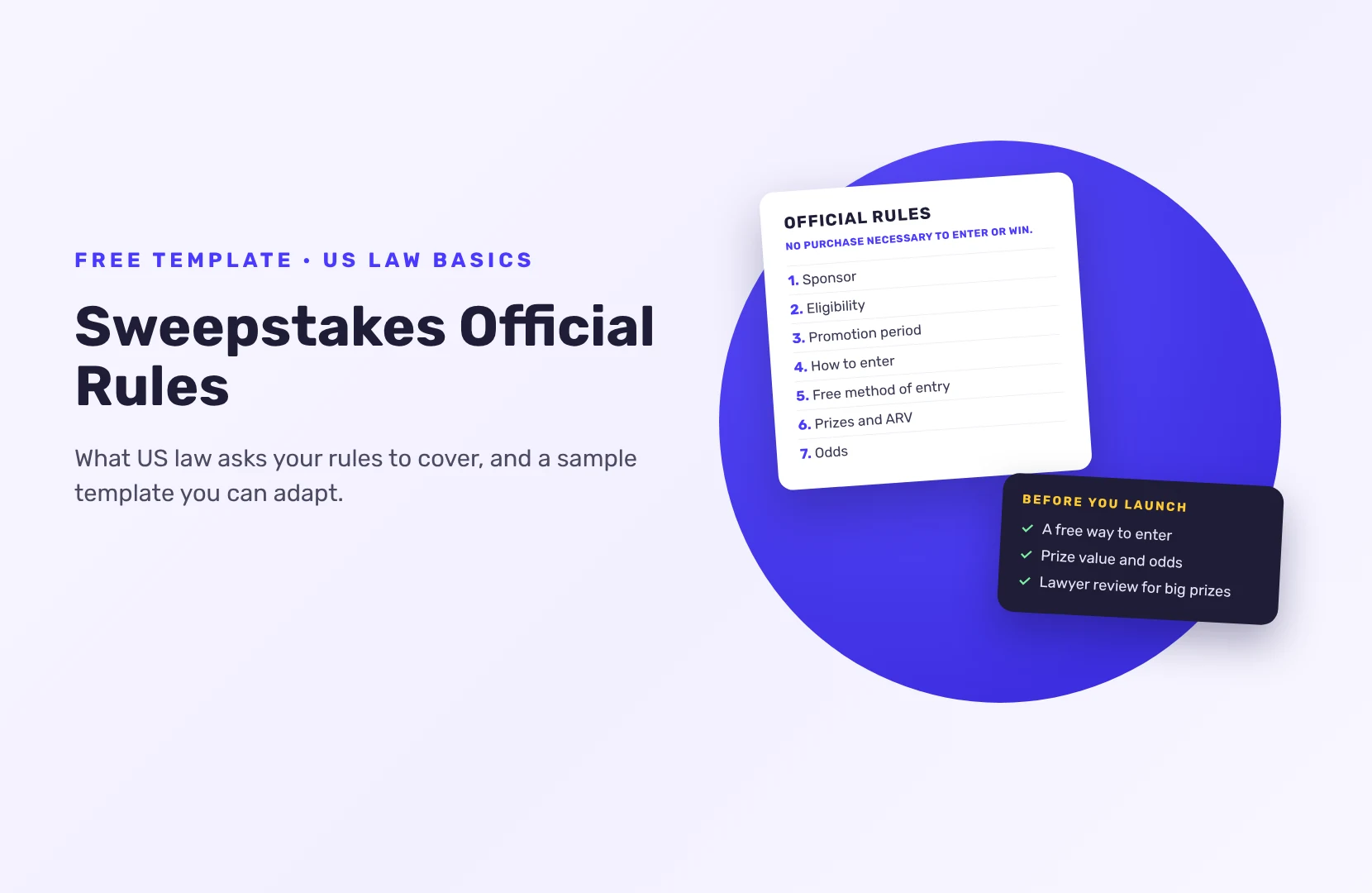
One of the most reliable indicators of a legal sweepstakes is the presence of a comprehensive set of Official Rules. These rules must be easily accessible and should detail the start and end dates, eligibility requirements (such as age and residency), the total number of prizes, the Fair Market Value (FMV) of those prizes, and the odds of winning. If a promotion lacks a link to a dedicated rules page, it should be treated with extreme caution.
Furthermore, a legitimate sweepstakes will never ask a winner to pay a fee to claim a prize. This includes "shipping and handling" fees, "processing" fees, or "pre-paid taxes." In the United States, taxes on sweepstakes winnings are the responsibility of the winner and are reported directly to the Internal Revenue Service (IRS). A sponsor may ask for your Social Security number for tax reporting purposes (Form 1099-MISC) if the prize is valued over $600, but they will never ask for payment upfront.
Proven Strategies for Winning
Winning is a numbers game. The more entries you submit across various legitimate platforms, the higher your statistical probability of selection. However, manual entry can be time-consuming. Successful sweepers use several techniques to improve their efficiency.
Use Dedicated Resources and Tools
Organizing your hobby is essential. Many professional sweepers use dedicated email addresses to prevent their primary inboxes from being overwhelmed by marketing newsletters. Tools like RoboForm or built-in browser autofill features can save hours of time by instantly populating name, address, and phone number fields in entry forms. While some sweepstakes forbid the use of automated entry scripts (which can lead to disqualification), standard form-fillers that require a manual click to submit are generally acceptable under most official rules.
Focus on Low-Entry Sweepstakes
National sweepstakes advertised on television or major websites often receive millions of entries, making the odds of winning slim. To increase your chances, look for promotions with higher barriers to entry or localized scopes. These include:
- Local Radio and Television Stations: Prizes are limited to residents of a specific city or region.
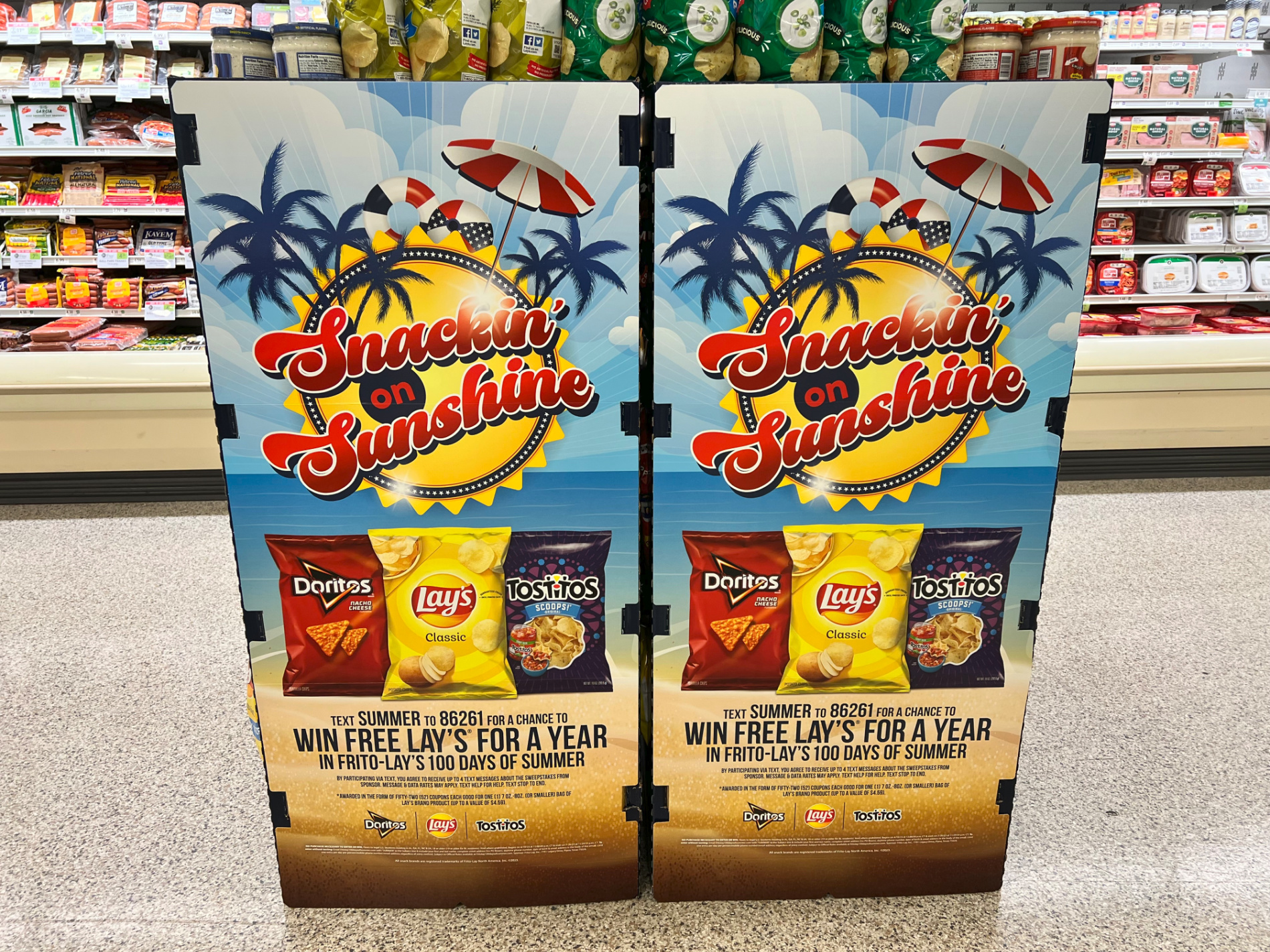
- Text-to-Win Sweepstakes: These often require a mobile device and have fewer participants than web-based forms.
- Social Media "Comment and Share" Contests: While common, many users fail to follow the specific instructions (like using a specific hashtag), meaning those who do follow directions have a much higher chance.
- Skill-Based Contests: Because they require effort (writing, photography), far fewer people enter them compared to "click-to-win" sweepstakes.
The Power of the Mail-In Entry
Many sweepstakes offer "daily entries" via a website but allow unlimited or high-volume entries via mail-in postcards. Because this requires the cost of a stamp and physical effort, the volume of entries is significantly lower than online submissions. For large-scale corporate giveaways, the mail-in entry is often the most legally robust and statistically favorable way to participate.
| Entry Method | Ease of Use | Cost | Odds of Winning | Recommended Tool |
|---|---|---|---|---|
| Online Form | High | Free | Low (High Volume) | Browser Autofill / RoboForm |
| Social Media | High | Free | Moderate | Instagram/TikTok App |
| Mail-In (AMOE) | Low | Cost of Postage | High (Low Volume) | Index Cards & Stamps |
| Text-to-Win | High | Data Rates Apply | Moderate | Mobile Smartphone |
| Skill Contest | Low | High Effort | Highest | Creativity & Talent |
Compliance and Eligibility Requirements
Before entering any promotion, you must verify your eligibility. Most sweepstakes in the United States are restricted to legal residents of the 50 states and the District of Columbia. Some promotions specifically exclude residents of Florida, New York, and Rhode Island if the prize pool exceeds certain thresholds ($5,000 for FL/NY) and the sponsor has not bonded or registered the sweepstakes with those states.
Age is another critical factor. While some sweepstakes are open to those 13 and older (with parental consent), most high-value prizes require the participant to be at least 18 or 21 years old. Entering a sweepstakes for which you are ineligible is a waste of time; sponsors verify the identity and residency of winners before distributing prizes, especially for items like cars, trips, or large cash sums.
Taxation of Sweepstakes Prizes
In 2026, the IRS continues to treat sweepstakes winnings as ordinary income. If you win a prize with a Fair Market Value of $600 or more, the sponsor is legally required to issue a Form 1099-MISC to you and the IRS. You must report this value on your federal and state tax returns.
It is important to note that the FMV listed by the sponsor may sometimes be higher than the actual price you would pay for the item. You have the right to challenge the valuation if you can prove the item is available for a lower price elsewhere, but you should consult a tax professional for guidance on "Fair Market Value" adjustments. For large prizes like vacations, be prepared to have the cash on hand to pay the resulting tax bill, as the prize itself is non-monetary.
For more information on reporting miscellaneous income, you can visit the Official IRS Website.
Maintaining Privacy and Security
Data privacy is a significant concern for sweepstakes participants. When you enter a free sweepstakes, you are often trading your contact information for a chance to win. To protect your privacy:
- Read the Privacy Policy: Legitimate sponsors will tell you if they plan to sell your data to third parties.
- Use a Google Voice Number: If a phone number is required, using a secondary VOIP number can prevent telemarketing calls to your personal line.
- Check for HTTPS: Only enter information on secure websites (look for the padlock icon in the browser address bar).
- Avoid "Work from Home" or "Survey" Loops: Some sites claim to be sweepstakes but are actually "offer walls" that require you to sign up for credit cards or insurance quotes. These are rarely legitimate sweepstakes and are primarily lead-generation tools.
The Federal Trade Commission (FTC) provides updated resources on how to spot and report prize scams that masquerade as legal sweepstakes.
FAQs About Winning Sweepstakes
Can I really win sweepstakes without buying anything?
Yes. Federal law requires that "No Purchase Necessary" be a standard for all sweepstakes. Legally, the odds of winning with a free entry must be exactly the same as the odds of winning for someone who made a purchase. Companies provide these free entry methods to comply with anti-lottery laws.
How do I know if I actually won?
Legitimate sponsors will notify you via the contact method specified in the rules—usually email, mail, or phone. They will often send an "Affidavit of Eligibility and Liability/Publicity Release" which must be notarized and returned within a specific timeframe (often 5 to 10 days). If you receive a notification via social media DM from an account that isn't verified or has very few followers, it is likely a scam.
Are there limits on how many sweepstakes I can enter?
There is no legal limit on how many different sweepstakes you can enter. However, individual sweepstakes almost always have entry limits (e.g., "one entry per person per day"). Violating these limits by using multiple email addresses or identities is grounds for disqualification and is easily detected by modern anti-fraud software.
Do I have to pay taxes on small prizes?
Legally, all prizes are considered taxable income, regardless of value. While sponsors only issue a 1099-MISC for prizes over $600, you are technically required to report the value of smaller prizes on your tax return as "Other Income."
Is it legal to use a professional sweepstakes entry service?
Most official rules explicitly prohibit the use of automated entry services or "entry robots." Using these services often results in immediate disqualification. It is much safer to use manual entry or standard browser form-fillers that require you to personally interact with the entry page.
Why do some sweepstakes exclude residents of certain states?
States like New York and Florida have strict "bonding and registration" laws for sweepstakes with large prize pools. If a company does not want to pay the registration fees or navigate the legal paperwork of those specific states, they will simply exclude those residents from the promotion to remain compliant with state law.
Final Recommendation for New Sweepers
To begin winning legally, start by dedicating 15 minutes a day to entering reputable, well-known brand sweepstakes. Focus on building a routine and using a dedicated email address to stay organized. Always read the first few paragraphs of the Official Rules to ensure you are eligible and understand the entry limits. Consistency is the most significant factor in transition from a casual entrant to a frequent winner.
Image Gallery