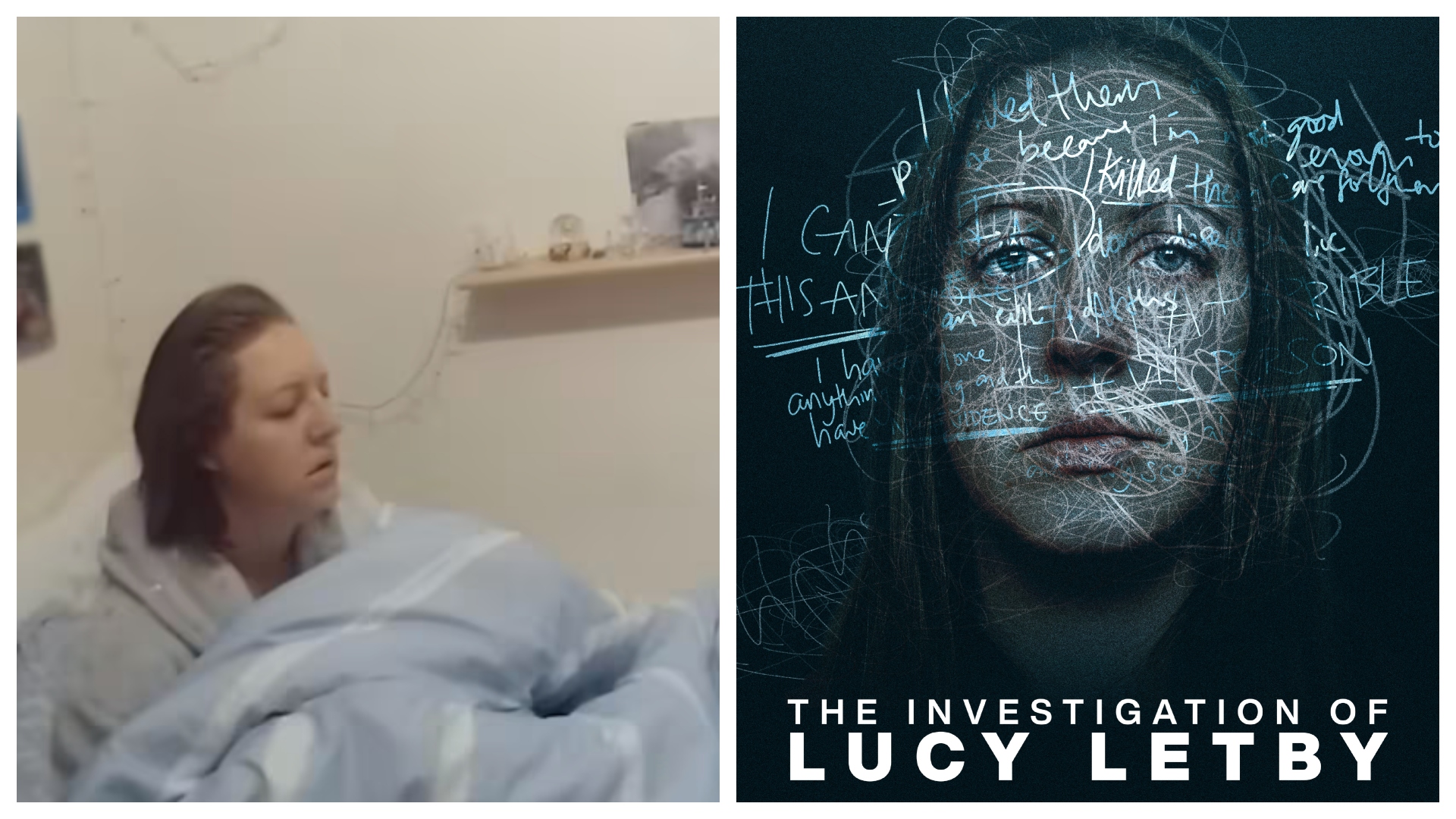
The Lucy Letby Netflix Documentary: Understanding the Role of AI in True Crime Storytelling
In 2026, the Netflix documentary exploring the case of Lucy Letby has set a new benchmark for the true crime genre through its sophisticated integration of Artificial Intelligence (AI). By utilizing AI for forensic data visualization,...
In 2026, the Netflix documentary exploring the case of Lucy Letby has set a new benchmark for the true crime genre through its sophisticated integration of Artificial Intelligence (AI). By utilizing AI for forensic data visualization, synthetic voice reconstruction of court transcripts, and ethical digital anonymization, the production provides a technical deep dive into one of the UK’s most complex legal sagas while navigating the boundaries of modern media ethics.
Contents
The Production Landscape of True Crime in 2026
The release of the Lucy Letby documentary on Netflix comes at a time when the streaming giant has shifted its strategy toward "Technological Verisimilitude." Gone are the days of simple talking heads and stock B-roll. For a case as sensitive and evidence-heavy as Letby’s—involving thousands of pages of medical records, nursing rotas, and complex statistical probabilities—standard filmmaking was deemed insufficient.
The documentary aims to resolve the primary challenge that plagued the original 10-month trial and subsequent 2024 appeals: how to present dense neonatal clinical data to a lay audience without losing the human gravity of the events. By 2026, AI has become the primary tool for this translation. The production serves not just as a recap of the 2023 convictions and the 2024 retrial on a single count of attempted murder, but as a technical post-mortem of the evidence itself.
How AI Was Implemented in the Netflix Production
The use of AI in the Letby documentary is categorized into three distinct functional areas: narrative synthesis, data forensics, and privacy preservation. Unlike early "deepfake" experiments, these applications are governed by strict editorial standards designed to maintain factual integrity.
1. Synthetic Voice Synthesis for Trial Transcripts
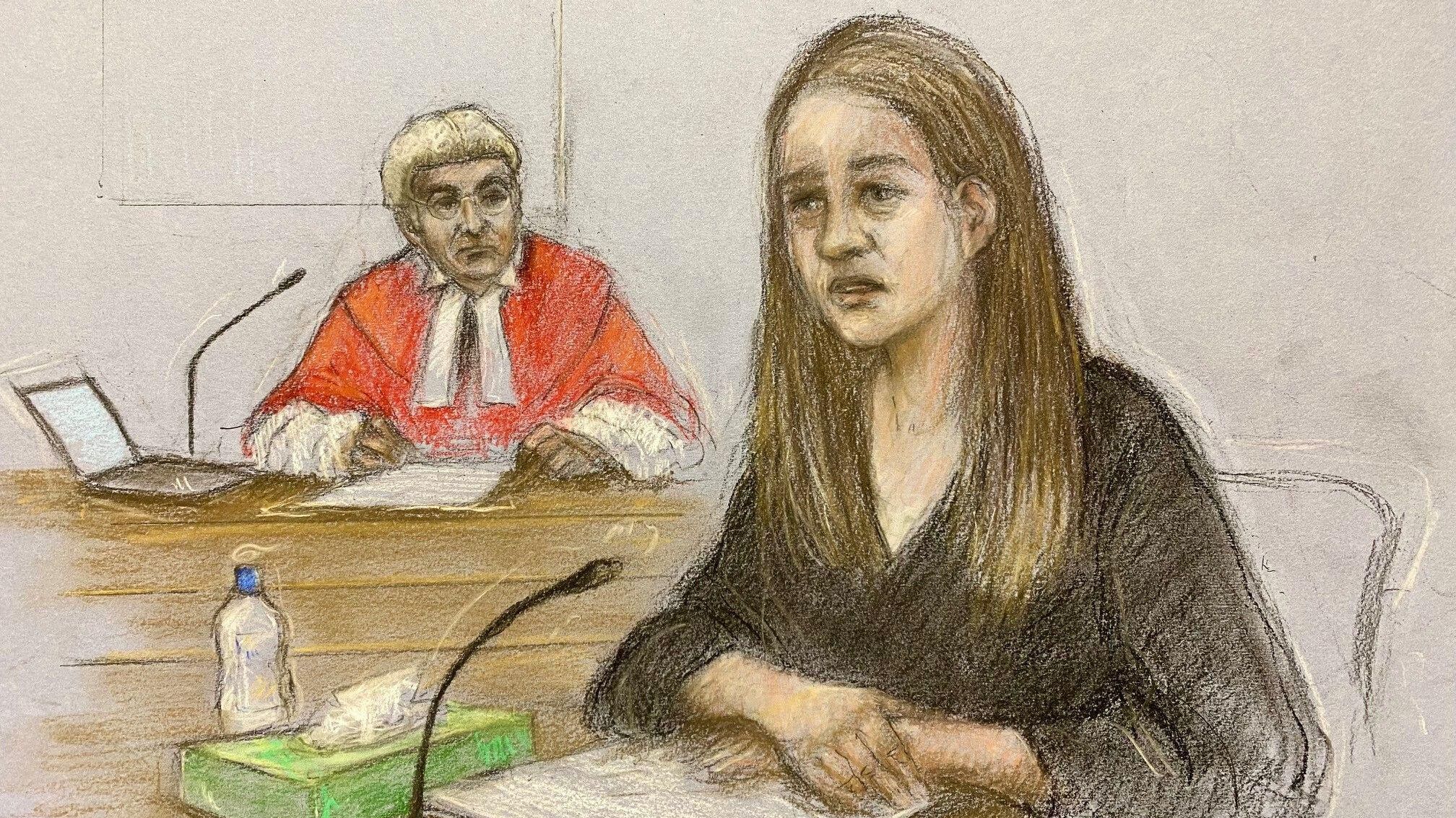
One of the most striking features of the documentary is the use of AI-generated voices to read trial transcripts. Because cameras are not permitted in English Crown Courts, the public never heard the live testimony of Lucy Letby or the expert witnesses during the original proceedings.
Netflix utilized Neural Text-to-Speech (TTS) models trained on hours of publicly available audio to create "tonal approximations" of the participants. While not perfect clones—to avoid ethical "uncanny valley" issues—these AI voices provide a more immersive experience than traditional actors. The AI was programmed to interpret the emotional cadence of written transcripts, applying pauses and inflections based on court reporter notes regarding witness demeanor.
2. Predictive Modeling and Data Visualization
The prosecution's case against Letby leaned heavily on a "shift pattern" table—a grid showing that Letby was the only nurse present during every collapse in the neonatal unit. Critics and statisticians in 2024 and 2025 frequently debated the "Texas Sharpshooter Fallacy" in relation to this evidence.
To address this, the documentary employs AI-driven spatial-temporal modeling. The AI visualizes the hospital wing in 3D, moving through the timeline of 2015–2016. It overlays staffing levels, infant acuity scores, and medical alerts in real-time. By processing the massive dataset through a machine-learning algorithm, the documentary allows viewers to see the "statistical anomalies" in a fluid, visual format, making the abstract concept of "probability" tangible.
3. Visual Anonymization and Reconstructions
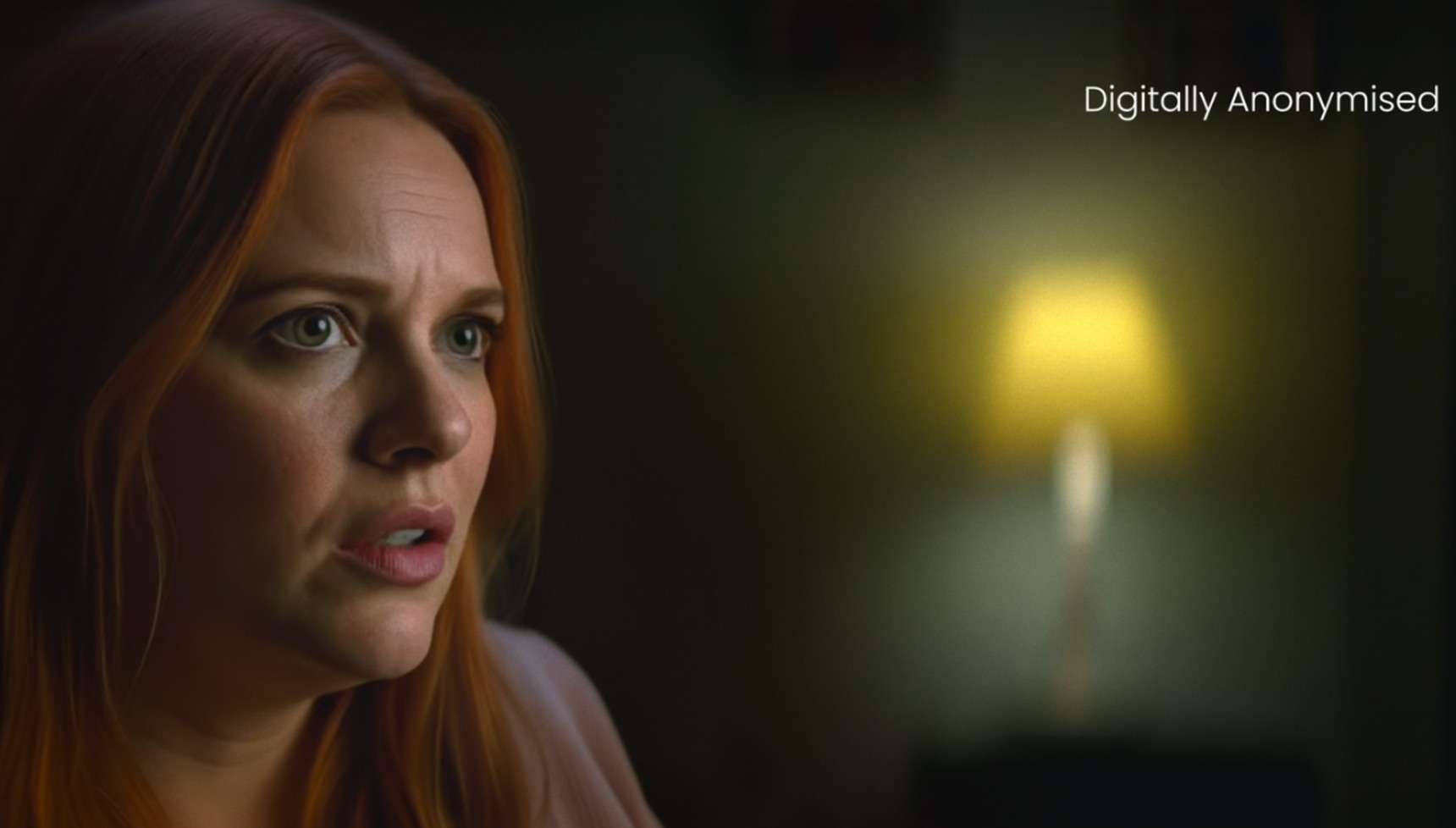
Protecting the identities of the families involved (referred to in court as Babies A through P) is a legal and moral imperative. Traditionally, this involved blurred faces or silhouettes. In this 2026 production, Netflix uses Generative AI to create "Synthetic Proxies."
Rather than blurring the screen, AI generates entirely fictitious but human-like appearances for reenactments. This allows the documentary to maintain an emotional connection with the audience—showing the grief and the clinical environment—without ever risking the exposure of the actual victims or their families. This technique, known as "Identity Swapping for Privacy," has become the gold standard for high-stakes documentaries in 2026.
The Controversy: AI Analysis of the Prosecution’s Evidence
Perhaps the most debated segment of the documentary is the chapter titled "The Algorithm of Doubt." In the years following Letby’s conviction, a significant movement of data scientists and medical experts questioned whether the "cluster" of deaths was truly evidence of a crime or a failure of the hospital system (suboptimal staffing, plumbing issues, or viral outbreaks).
Netflix commissioned an independent AI audit of the trial data. The documentary presents the results of a Bayesian Network Analysis performed by a proprietary AI. This model was fed all the evidence available to the jury, as well as broader data from other UK neonatal units from the same period.
- The AI’s Role: It wasn't used to "judge" Letby, but to test the strength of the circumstantial links.
- The Findings: The documentary highlights how the AI identified specific gaps where "coincidence" could not be statistically ruled out, while also confirming the extreme rarity of the specific air embolism patterns reported by the prosecution's lead medical experts.
Comparing AI-Enhanced Documentaries to Traditional Formats
The following table outlines the technical and narrative shifts seen in the 2026 Netflix production compared to older true crime documentaries on similar subjects.
| Feature | Traditional Documentaries (Pre-2024) | AI-Enhanced Documentaries (2026) |
|---|---|---|
| Witness Testimony | Actors reading scripts or blurred interviews. | Neural TTS voices based on trial transcripts. |
| Evidence Display | Static photos and scanned documents. | Interactive AI-driven 3D data visualizations. |
| Privacy Protection | Heavy pixelation and voice distortion. | Generative AI "Synthetic Proxies" for realistic anonymity. |
| Narrative Depth | Linear storytelling based on interviews. | Multilayered "Data Audits" using machine learning. |
| Ethical Oversight | Subjective editorial decisions. | Rigorous AI disclosure tags and "Algorithmic Transparency" reports. |
Ethical and Legal Considerations
The use of AI in a case as high-profile as Lucy Letby’s is not without its critics. Legal experts in the documentary point out that while AI can help explain complex data, it also risks "over-simplifying" the nuances of human intent and clinical uncertainty.
The "Black Box" Problem
There is an ongoing debate regarding the "Black Box" nature of the AI tools used by Netflix. If an AI model determines that a specific medical event was "99.9% likely to be an air embolism," the documentary must explain how the AI reached that conclusion. In 2026, UK broadcasting regulations require a "Technological Disclosure" at the beginning of any program using AI to interpret legal evidence, ensuring that viewers understand they are looking at a computer-generated interpretation, not an absolute truth.
Impact on Future Appeals
Lawyers representing Letby and the families of the victims have closely monitored the documentary. There is a growing concern that AI reconstructions could potentially influence public perception to the point of impacting future legal inquiries or the "Thirlwall Inquiry" outcomes. However, the production maintains that the AI is used strictly for clarification, not for creating new evidence.
FAQ
Is the AI used in the Letby documentary accurate?
The AI used for data visualization is based on the actual trial exhibits and nursing rotas. However, it is an interpretation of that data. While the statistical models are mathematically sound, they are based on the inputs provided by the filmmakers. The documentary includes a disclaimer that the AI analysis is an independent review and not a legal finding.
Does the documentary use AI to "deepfake" Lucy Letby?
No. The documentary does not use AI to create fake videos of Lucy Letby. It uses Neural TTS to recreate her spoken testimony from court transcripts and uses existing news footage for her likeness. The production avoids "deepfaking" the defendant to maintain journalistic integrity and avoid legal challenges regarding defamation.
How does the AI handle the confidential medical data of the infants?
All medical data used in the AI models was anonymized before being processed. The AI focused on "patterns" and "clinical markers" rather than personal identifiers. Furthermore, the synthetic proxies used in visual recreations were generated from scratch and do not share any biometric data with the real individuals involved in the case.
Where can I watch the Lucy Letby AI documentary in 2026?
The documentary is currently available exclusively on Netflix globally. It is listed under the "Investigative Docuseries" category and features a special "Interactive Data Mode" for viewers who wish to explore the AI-driven evidence models in more detail on supported devices.
Did the AI find any new evidence?
The AI did not find "new" evidence in the traditional sense, such as a missed witness. Instead, it provided a new analysis of existing evidence, particularly focusing on the statistical probability of the death clusters. This analysis has sparked renewed debate among the medical and legal communities regarding the use of "coincidentals" in criminal trials.
Final Recommendation
For those following the Lucy Letby case, the Netflix documentary is a required viewing—not just for the facts of the case, but for its glimpse into the future of legal reporting. Viewers should pay close attention to the "Algorithmic Transparency" markers throughout the film, which indicate when AI is being used to interpret data versus when original footage is being shown. To get the most out of the experience, it is recommended to watch the documentary with the "Data Overlay" feature enabled, allowing for a deeper understanding of the complex medical testimony that defined the trial.
Image Gallery