Is Medi-Share Insurance Worth It? A Comprehensive Review and Evaluation
Medi-Share is not technically insurance; rather, it is a healthcare-sharing ministry (HSM) where members share each other’s medical expenses based on shared religious beliefs. For individuals seeking an alternative to traditional comme...
Medi-Share is not technically insurance; rather, it is a healthcare-sharing ministry (HSM) where members share each other’s medical expenses based on shared religious beliefs. For individuals seeking an alternative to traditional commercial health insurance, understanding how Medi-Share operates, what it covers, and its financial implications is essential to determining whether it is a worthwhile choice for your household.
Contents
Understanding Health-Sharing Ministries vs. Traditional Insurance
To evaluate whether MediShare is worth the investment, one must first understand that health-sharing ministries operate under a fundamentally different legal and structural framework than traditional health insurance policies governed by the Affordable Care Act (ACA). Traditional insurance providers are risk-pooling corporate entities bound by state and federal regulations, mandated to cover essential health benefits, pre-existing conditions, and preventive care without annual or lifetime caps.
Medi-Share, administered by Christian Medi-Share (Christian Care Ministry), functions as a voluntary cooperative of like-minded individuals who share medical bills directly. Because they are not insurance companies, health-sharing ministries are typically exempt from ACA mandates. This means they are not legally required to adhere to ACA consumer protections, nor do they qualify for government premium subsidies through health insurance marketplaces.
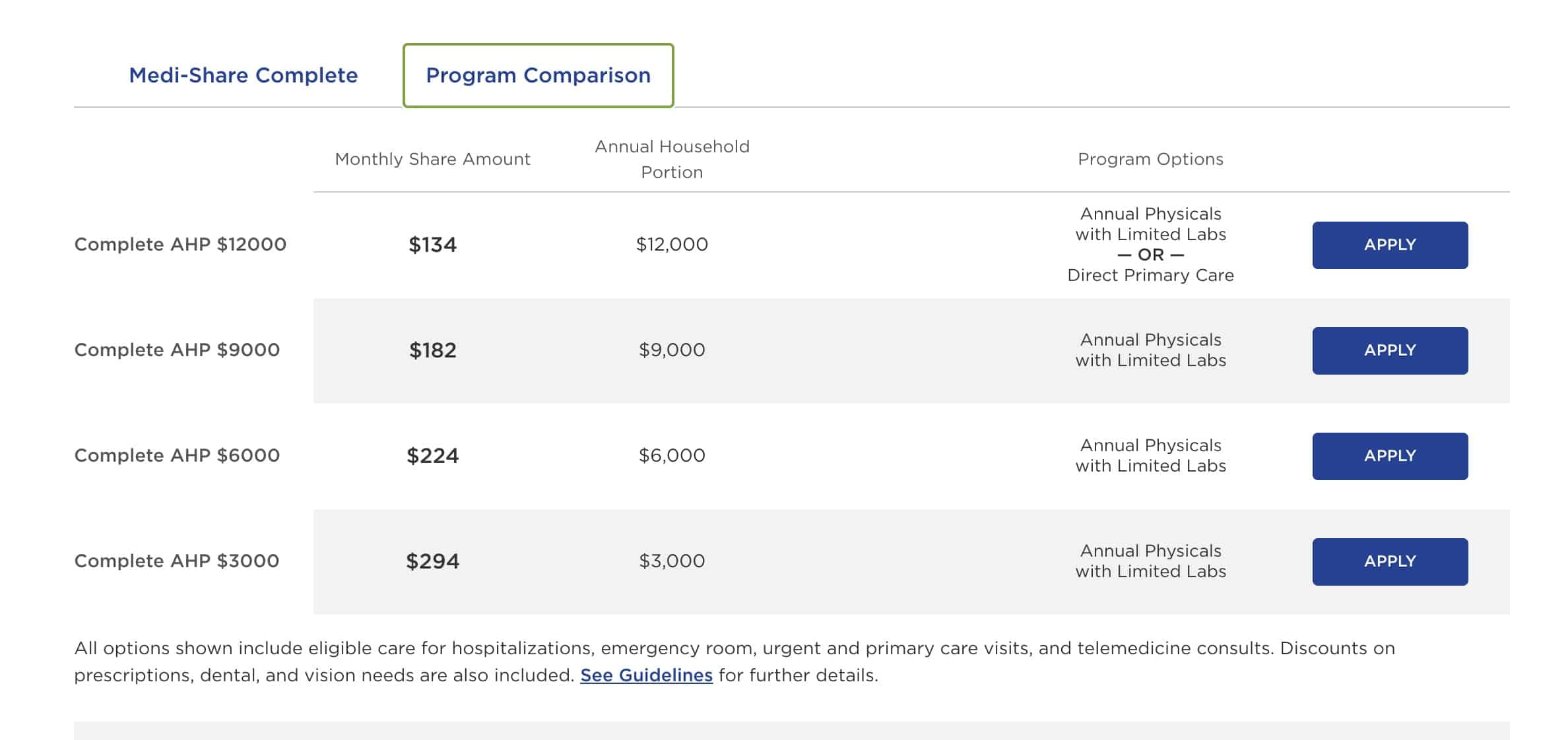
Instead of paying a traditional monthly premium, members pay a "monthly share" amount based on household size, the age of the oldest adult, and the chosen "Annual Household Portion" (AHP), which functions similarly to an insurance deductible. When a member incurs medical expenses, the bills are submitted to Medi-Share, processed against the AHP, and subsequently published for other members to share or pay directly. Recognizing this structural distinction is vital because consumer protections, appeal rights, and financial guarantees differ vastly from conventional policies.
Key Features, Costs, and Financial Structures of Medi-Share
The financial architecture of Medi-Share revolves around monthly sharing amounts and the Annual Household Portion (AHP). Members select an AHP tier, which ranges from lower amounts with higher monthly shares to higher amounts (such as $12,000) with lower monthly shares.
Unlike standard copays or coinsurance structures found in traditional group or individual plans, Medi-Share requires members to pay out-of-pocket for medical services until their AHP is fully met. Once the AHP is satisfied, eligible medical bills are submitted for sharing. However, members must utilize the PHCS network of medical providers to receive network discounts. Failing to use participating providers can result in higher out-of-pocket costs and reduced sharing eligibility.
| Feature / Aspect | Medi-Share Health Sharing | Traditional ACA-Compliant Insurance |
|---|---|---|
| Legal Classification | Religious non-profit sharing ministry | Regulated commercial insurance product |
| Pre-Existing Conditions | Generally not eligible for sharing during early years; subject to strict phase-in rules | Fully covered from day one without medical underwriting |
| Preventive Care | Subject to AHP/sharing rules (limited coverage depending on program rules) | 100% covered with no out-of-pocket cost under ACA rules |
| Financial Assistance | Ineligible for government premium tax credits or subsidies | Eligible for ACA subsidies based on household income |
| Provider Network | Utilizes national contract networks (e.g., PHCS) | Broad insurance-managed provider networks |
Monthly sharing amounts generally scale with age. Younger, healthier individuals often experience substantial financial savings compared to unsubsidized ACA plans. Conversely, older applicants or those with larger families may find that monthly shares approach or exceed the cost of commercial alternatives, especially when factoring in the lack of government subsidies.
Coverage Limitations, Exclusions, and Pre-Existing Conditions
One of the most critical considerations when evaluating Medi-Share is its strict approach to medical underwriting, pre-existing conditions, and specific health exclusions.
Unlike ACA-compliant plans, which are barred from denying coverage or charging higher rates based on health status, Medi-Share requires applicants to complete a detailed medical history questionnaire. Applicants with chronic conditions, recent major surgeries, or high-risk health markers may face denial or conditional membership terms.
Furthermore, Medi-Share maintains explicit guidelines regarding pre-existing conditions. For a condition to be eligible for sharing, it typically must be symptom-free and treatment-free for a specified period (often 36 months) prior to joining. Conditions that do not meet this standard are subject to a phase-in sharing schedule over several years, meaning members must absorb a larger portion of those specific medical costs initially.
In addition to pre-existing limitations, Medi-Share programs exclude certain types of care that standard insurance might cover, driven by the moral and religious tenets of the organization. For example, treatments related to abortion, contraception, and injuries sustained while participating in illegal activities or extreme sports are explicitly excluded from sharing eligibility. Members must also sign a Statement of Faith, agreeing to abide by a Christian lifestyle code that prohibits behaviors such as substance abuse and out-of-wedlock sexual activity.
Evaluating the Pros and Cons for Modern Consumers
Determining if Medi-Share is worth it depends heavily on an individual's health status, financial situation, and personal beliefs. A balanced review reveals distinct advantages alongside notable risks.
Potential Benefits
- Lower Monthly Costs for Healthy Individuals: Young, healthy adults and families who do not qualify for ACA subsidies frequently report significant monthly savings compared to unsubsidized commercial plans.
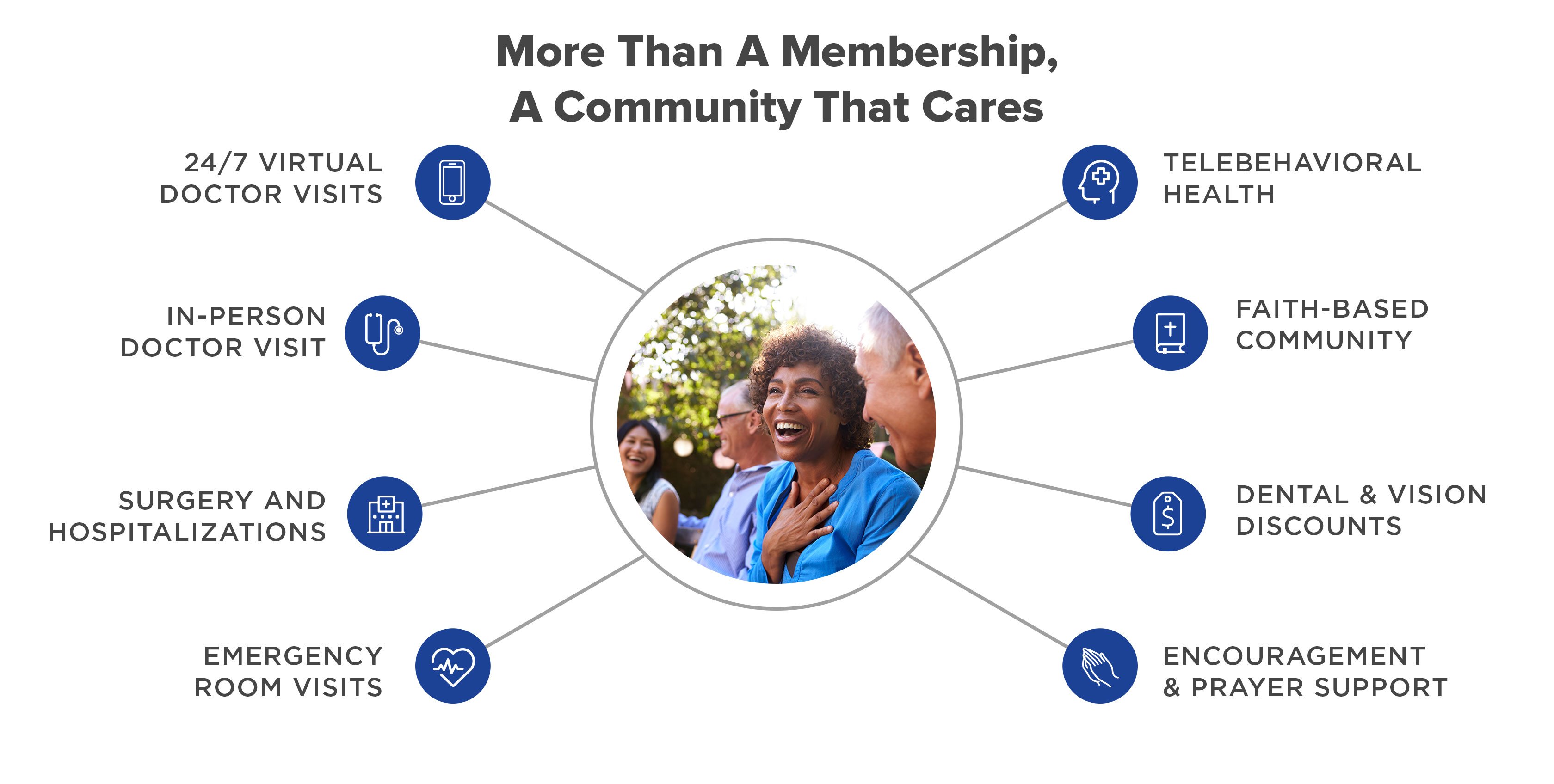
- Community and Shared Values: For members who prioritize a faith-based approach to charitable giving and community support, the model aligns closely with personal convictions.
- Telehealth Integration: Medi-Share includes telehealth access (such as through 24/7 doctor consultations), which helps members manage minor illnesses without incurring high urgent care or primary care visit costs.
Significant Drawbacks
- Lack of Consumer Protections: Because they are not insurance, members have limited recourse through state insurance commissioners if a claim or sharing request is denied.
- Uncertainty in Bill Processing: While sharing rates are historically high, members depend on the ongoing participation and financial health of the cooperative pool. There is no statutory guarantee that medical bills will be paid.
- Exclusionary Policies: Individuals with complex or chronic health needs will likely find Medi-Share financially disadvantageous or entirely inaccessible due to underwriting rules.
Frequently Asked Questions
Is Medi-Share considered valid health insurance?
No. Medi-Share is a health-sharing ministry, not insurance. While some states have statutory exemptions recognizing HSMs as satisfying state health coverage mandates, they do not provide insurance policies, guarantees, or backing from state guaranty associations.
Can I qualify for government subsidies if I join Medi-Share?
No. Government premium tax credits and subsidies authorized under the Affordable Care Act can only be applied toward qualified health plans purchased through official state or federal health insurance marketplaces.
How are medical bills processed and paid through Medi-Share?
When you visit a participating provider, you present your membership card to secure network discounts. You pay for the medical services out of pocket until your Annual Household Portion (AHP) is met. Once met, additional bills are submitted to Medi-Share for processing and published to the community pool for sharing.
What happens if I develop a serious illness after joining?
If you develop a new illness or sustain an injury after your membership becomes active, eligible medical expenses are shared according to program guidelines once your AHP is satisfied. However, expenses related to pre-existing conditions are subject to strict waiting periods and phase-in limitations.
Are preventive care visits covered?
Unlike ACA-compliant insurance—which mandates full coverage for standard preventive services like annual physicals and immunizations—Medi-Share's coverage of preventive care is subject to program rules and often contributes toward your overall AHP unless specific promotional exceptions apply.
Conclusion and Next Actions
Deciding whether Medi-Share is worth it requires a careful audit of your family's medical needs, financial standing, and comfort level with unregulated risk-sharing models. If you are a healthy individual or family without access to employer-sponsored coverage, ineligible for ACA subsidies, and aligned with the organization's faith requirements, Medi-Share can offer meaningful monthly savings.
However, if you require regular management for chronic conditions, value strict regulatory consumer protections, or anticipate needing extensive medical care, a traditional ACA-compliant insurance plan is generally a safer and more predictable financial choice. Before enrolling, review the official guidelines, examine the Statement of Faith, and calculate your potential out-of-pocket exposure under various healthcare scenarios.
Image Gallery