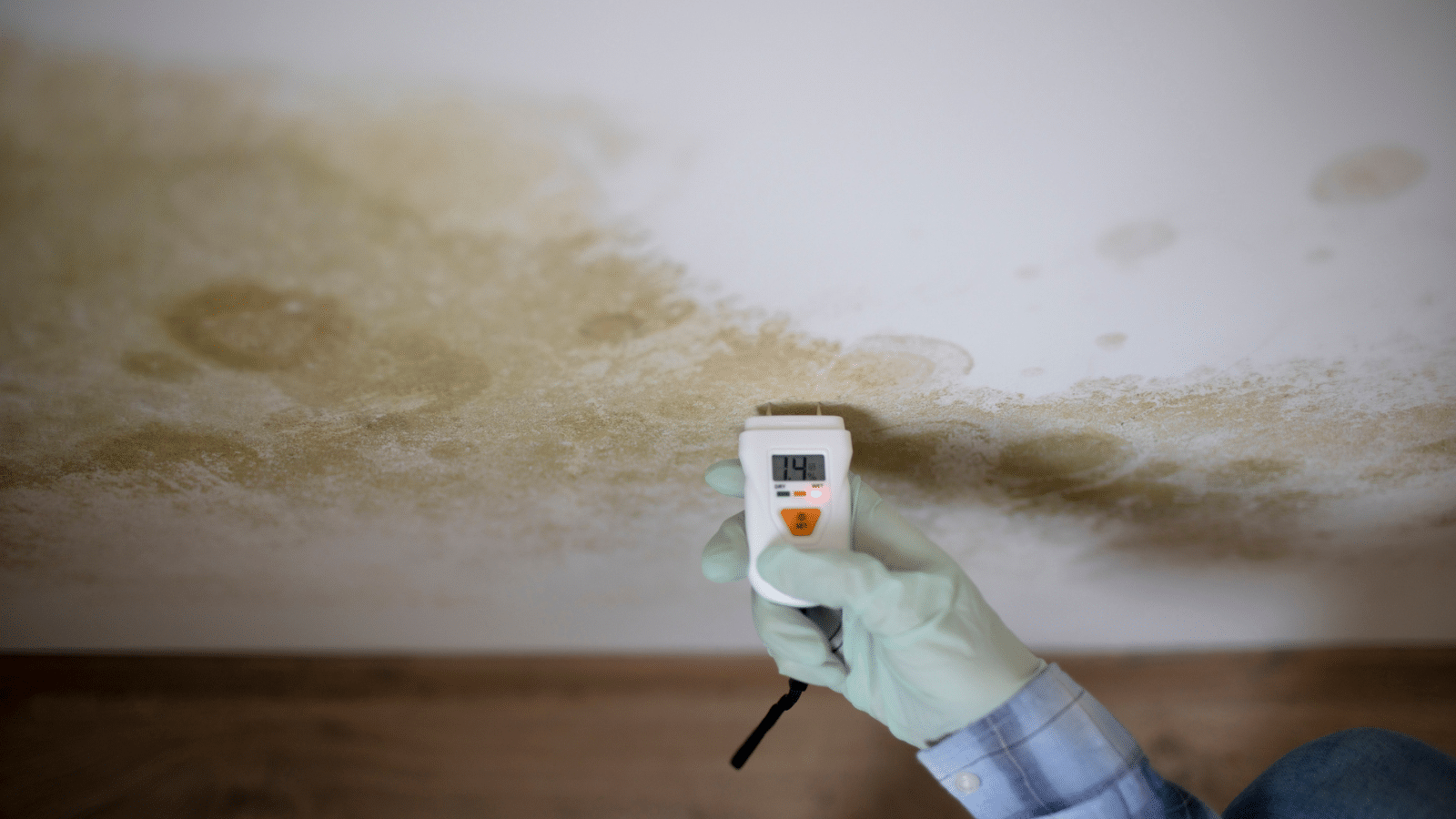
The Critical Importance of Mold Remediation in Rebuilding After a Disaster
Prioritizing professional mold remediation during post-disaster rebuilding is essential to safeguard structural integrity, protect occupant health, preserve property valuation, and ensure regulatory compliance. Water intrusion from flo...
Prioritizing professional mold remediation during post-disaster rebuilding is essential to safeguard structural integrity, protect occupant health, preserve property valuation, and ensure regulatory compliance. Water intrusion from floods, storms, or fire suppression creates ideal conditions for rapid fungal growth within 24 to 48 hours. Rebuilding over unmitigated mold traps moisture within structural assemblies, causing wood rot, severe indoor air quality hazards, and catastrophic financial liabilities.
Contents
Understanding the Post-Disaster Mold Threat
Disasters such as hurricanes, riverine floods, plumbing bursts, and firefighting efforts introduce massive volumes of moisture into structural materials. When organic building components—such as Douglas fir framing timber, plywood subflooring, oriented strand board (OSB), and gypsum wallboard—absorb liquid water or elevated relative humidity, microbial amplification begins almost immediately.
According to environmental safety guidelines from the U.S. Environmental Protection Agency (EPA), mold spores require only moisture, organic matter, and oxygen to germinate. In a disaster recovery setting, fungal colonies begin colonizing wet substrates within 24 to 48 hours. If initial emergency water extraction and drying are delayed, dormant mold spores rapidly multiply into widespread active growth (IICRC Condition 3 contamination).
- Disaster Event (Flood / Fire Suppression)
- Water Intrusion & High Humidity (>60% RH)
- Fungal Spore Germination (24–48 Hours)
- Substrate Colonization (Porous Materials)
- Risk of Premature Rebuilding Over Active Growth
- Substrate Colonization (Porous Materials)
- Fungal Spore Germination (24–48 Hours)
- Water Intrusion & High Humidity (>60% RH)
The primary risk during post-disaster reconstruction arises when property owners, contractors, or volunteer crews rush to install insulation, drywall, and finish materials over structural framing that has not been professionally remediated and thoroughly dried. Enclosing fungal growth inside wall cavities creates an isolated incubation environment where decay fungi and toxigenic molds thrive unchecked behind fresh paint and drywall.
Structural Integrity and Material Degradation
Building materials vary widely in their vulnerability to fungal decay. Mold and decay fungi consume organic compounds found in building products, directly altering their mechanical properties over time.
Wood-Decaying Fungi vs. Surface Molds
It is critical to distinguish between surface molds (such as Penicillium or Cladosporium) and wood-rotting organisms (such as brown-rot, white-rot, and soft-rot fungi):
- Surface Molds: Primarily feed on free sugars, starches, and dust deposited on wood surfaces. While surface molds primarily impair indoor air quality and aesthetics, their presence indicates moisture levels high enough to support structural decay fungi.
- Decay Fungi: Produce extracellular enzymes (such as cellulases and hemicellulases) that break down the structural polymers—cellulose and lignin—that give timber its tensile and compressive strength. Brown-rot fungi, for example, can cause a 50% loss in wood shear strength with as little as a 1% to 3% weight loss in structural timber.
The Dangers of Premature Encapsulation
When damp, contaminated structural studs or subfloors are covered with vapor barriers, fiberglass batt insulation, or paper-faced gypsum board, the moisture remains trapped. Moisture cannot escape through low-permeability exterior sheathing or vapor-retarding interior finishes.
Over months or years, trapped moisture allows wood-decay fungi to compromise load-bearing studs, floor joists, and roof trusses. This structural compromise manifests as floor sagging, wall deflection, drywall cracking, and eventually structural failure requiring total demolition and reconstruction of affected assemblies.
Wood Moisture Content (WMC) Thresholds
Professional remediation standards require measuring the Wood Moisture Content (WMC) of framing lumber using calibrated pin-type or pinless moisture meters before installing structural enclosures.
- Dry/Safe Baseline: 8% to 12% WMC (typical indoor equilibrium moisture content).
- Threshold for Mold Growth: Above 16% WMC, mold spore germination accelerates.
- Threshold for Wood Decay Fungi: 20% to 28%+ WMC, combined with continuous relative humidity above 70%, initiates active fungal decay of softwood framing.
- Rebuilding Standard: Professional restoration standards mandate that framing timber must be dried below 15% WMC (and ideally below 12% in dry climates) before any wall insulation or drywall is installed.
Health Hazards and Indoor Air Quality (IAQ)
Fungal contamination within a reconstructed building degrades indoor air quality (IAQ) and presents documented health risks to occupants, workers, and sensitive populations.
Fungal Spores, Mycotoxins, and Microbial VOCs
As mold colonies mature, they release microscopic biological particles and chemical compounds into the surrounding air volume:
- Fungal Spores and Hyphal Fragments: Inhaled deep into the respiratory tract, triggering localized inflammatory responses.
- Mycotoxins: Secondary metabolites produced by species such as Stachybotrys chartarum, Aspergillus versicolor, and Trichoderma. Exposure to mycotoxins via inhalation or dermal contact has been linked in clinical research to neurotoxic, cytotoxic, and immunosuppressive symptoms.
- Microbial Volatile Organic Compounds (mVOCs): Metabolic byproducts responsible for the characteristic musty odor of damp buildings. Exposure to mVOCs causes irritation of the eyes, nose, throat, and upper respiratory tract, as well as headaches and fatigue.
The Centers for Disease Control and Prevention (CDC) emphasizes that lingering mold post-disaster poses elevated health risks to individuals with pre-existing asthma, chronic obstructive pulmonary disease (COPD), compromised immune systems, or severe mold allergies.
HVAC System Contamination
If a building's heating, ventilation, and air-conditioning (HVAC) system operates during post-disaster demolition or rebuilding without strict containment and air filtration, fungal spores circulate throughout the entire structure. Spores settle inside supply and return ductwork, on evaporator coils, and within blower units. Once the building is re-occupied, operating the contaminated HVAC system continuously redistributes mold spores into living and working areas.
Industry Standards and Legal Compliance Frameworks
Professional remediation is governed by rigorous technical standards designed to verify that structures are microbiologically clean and safe for occupancy.
ANSI/IICRC S520 Standard
The standard of care for professional mold remediation is defined by the ANSI/IICRC S520 Standard for Professional Mold Remediation published by the Institute of Inspection, Cleaning and Restoration Certification. The S520 categorizes indoor environments into three distinct conditions:
- Condition 1 (Normal Uncontaminated): An indoor environment that may contain normal background levels of mold spores and fungal fragments.
- Condition 2 (Settled Spores): An environment contaminated with settled spores or hyphal fragments that were generated elsewhere, without active fungal growth on surfaces.
- Condition 3 (Actual Growth): An environment characterized by active fungal growth and contamination on structural or contents surfaces.
The objective of disaster mold remediation is to restore a Condition 3 environment back to a verified Condition 1 status before rebuilding commences.
| IICRC S520 Work Conditions |
|---|
| Condition 1: Normal Spore Background (Goal for Clearance) |
| Condition 2: Settled Spores / Deposition (Requires HEPA Cleaning & Air Washing) |
| Condition 3: Active Growth & Structural Colonization (Requires Demolition/Scraping) |
Regulatory Compliance and Building Code Requirements
Failure to properly perform mold remediation prior to post-disaster reconstruction creates serious legal and compliance liabilities:
- Building Code Inspections: Many municipal building departments require moisture content verification logs and mold clearance certificates before approving framing or insulation inspections following declared flood or storm events.
- Insurance Policy Exclusions: Insurance carriers often deny coverage for secondary mold damage if the policyholder or contractor failed to take reasonable steps to mitigate moisture immediately following the initial loss event.
- Contractor Liability and Express Warranties: General contractors who build over un-remediated fungal growth face construction defect lawsuits, breach of warranty claims, and liability for personal injury resulting from indoor air contamination.
Economic Evaluation: Prevention vs. Post-Reconstruction Remediation
Attempting to save money or accelerate construction timelines by bypassing structural mold remediation leads to far greater expenditures later. Remediating mold before rebuilding costs a fraction of the expense required to fix encapsulated mold after a building is fully finished.
Cost Driver Comparison
To illustrate the financial necessity of upfront remediation, consider the scope of work for both approaches:
- Upfront Remediation (Pre-Rebuilding): The structure is already opened up due to disaster damage. Demolition of wet drywall is complete. The work consists primarily of drying framing timber, HEPA vacuuming exposed studs, applying EPA-registered antimicrobial fungicides, and performing abrasive cleaning (dry ice blasting or sanding).
- Retrofit Remediation (Post-Rebuilding): Once finished walls, custom cabinetry, flooring, electrical wiring, and plumbing are installed over active mold, remediation requires tearing out brand-new construction materials. Contractors must re-establish negative pressure containment, pay for redundant selective demolition, re-remediate the underlying framing, purchase replacement building materials, and pay for secondary finish trades.
| Parameter | Pre-Rebuilding Remediation | Post-Rebuilding Remediation (Retrofit) |
|---|---|---|
| Material Demolition Required | Already performed due to disaster damage | Complete removal of newly installed drywall, insulation, trim, and flooring |
| Structural Access | Direct access to open wall framing and floor joists | Limited; requires destructive access openings |
| Project Duration Impact | Minor delay (3–7 days for drying and remediation) | Severe disruption (weeks to months of reconstruction) |
| Relative Cost Burden | Baseline (1x) | 3x to 6x original baseline cost |
| HVAC Remediation Need | Minimal (system typically off/isolated) | Extensive (system frequently contaminated during post-build occupancy) |
| Clearance Testing Risk | High pass rate due to direct access | Complex clearance; risk of hidden unmitigated pockets |
| Insurance Coverage | Usually covered under initial emergency mitigation claim | Often denied under "secondary damage due to negligence" exclusions |
Protocols for Post-Disaster Mold Remediation
Executing professional mold remediation within a disaster recovery workflow follows a strict, step-by-step technical protocol to prevent cross-contamination and ensure structural drying.
- Site Assessment & Moisture Mapping
- Isolation Containment & Negative Pressure Setup (HEPA Filtration)
- Removal of Non-Salvageable Porous Materials (Condition 3 Substrates)
- Abrasive Cleaning & Mechanical Removal (HEPA Vacuuming / Dry Ice Blasting)
- Antimicrobial Treatment & Structural Dehumidification (WMC <15%)
- Independent Post-Remediation Verification (PRV) & Clearance
- Rebuilding & Reconstruction Phase
Step 1: Moisture Mapping and Initial Assessment
Before physical labor begins, a certified Council-certified Indoor Environmental Consultant (CIEC) or certified mold inspector conducts moisture mapping using infrared thermography, pinless moisture meters, and deep-probe pin meters to determine the exact boundary of moisture migration.
Step 2: Isolation Containment and Air Filtration
To prevent mold spores from spreading into unaffected areas during demolition and cleaning, workers establish physical containment zones:
- Critical Barriers: 6-mil flame-retardant polyethylene sheeting seals off doorways, windows, HVAC supply/return vents, and wall openings.
- Negative Pressure Isolation: Air scrubbing units equipped with High-Efficiency Particulate Air (HEPA) filters (rated to capture 99.97% of particles down to 0.3 microns) extract air from the containment zone and exhaust it outside the building. This maintains continuous negative pressure (at least -5 Pascals relative to outside areas) to keep spores contained.
Step 3: Source Removal of Non-Salvageable Porous Materials
Porous building materials contaminated with Category 2 (gray water) or Category 3 (black water/floodwater) cannot be fully sanitized and must be removed and discarded:
- All paper-faced gypsum drywall within at least 24 inches above the highest water line.
- Fiberglass batt, cellulose, and rockwool insulation.
- Porous ceiling tiles, carpet, underlayment, and soft furnishings.
- Delaminated structural wood product (such as swollen particleboard or severely degraded OSB).
Step 4: Mechanical Cleaning and Surface Treatment of Framing
Non-porous and semi-porous structural components (solid dimensional lumber framing, timber beams, concrete foundations) are remediated in place:
- HEPA Vacuuming: Surfaces undergo initial vacuuming with HEPA-filtered equipment to remove loose fungal spores and settled debris.
- Abrasive Cleaning: Heavy fungal hyphae growth on timber is physically removed using wire brushing, orbital sanding, or dry-ice (CO2) blasting. Dry-ice blasting sublimates on impact, leaving no secondary liquid waste while stripping fungal mycelium from wood pores.
- Antimicrobial Application: Cleaned structural elements are treated with EPA-registered fungicides or antimicrobial coatings formulated to prevent re-colonization during the drying phase.
Step 5: Structural Drying and Dehumidification
Demolition and cleaning must be accompanied by aggressive structural drying:
- LGR Dehumidifiers: Low Grain Refrigerant (LGR) dehumidifiers lower specific humidity levels to dry out deep moisture trapped inside heavy structural timbers.
- Air Movers: High-velocity air movers are angled to direct laminar airflow across exposed framing members, accelerating evaporation.
- Environment Controls: Indoor relative humidity must be maintained below 40% during the drying process to draw moisture out of wood substrates.
Step 6: Post-Remediation Verification (PRV) Testing
Rebuilding must not begin until an independent third-party Indoor Environmental Professional (IEP) conducts a Post-Remediation Verification (PRV) inspection. This process involves:
- Visual Inspection: Confirming complete absence of visible dust, fungal growth, debris, and moisture staining.
- Moisture Testing: Verifying that all wood framing reads below 15% WMC.
- Air and Surface Sampling: Collecting bioaerosol air samples (spore traps) inside containment and comparing them to outdoor control samples. Indoor spore counts must reflect a lower concentration and similar species composition relative to outdoor baseline air to achieve clearance.
Common Mistakes in Post-Disaster Property Reconstruction
Avoidable errors during the cleanup and recovery phase frequently lead to long-term property defects. Property owners and restoration teams should avoid the following critical mistakes:
1. Relying Solely on Household Bleach for Porous Surfaces
Using sodium hypochlorite (household bleach) on structural timber or drywall is ineffective for deep mold remediation. The chlorine ion in household bleach remains on the surface of porous substrates due to its high surface tension, while the water component penetrates into the porous wood. This introduces extra moisture deep into the substrate, feeding the roots (mycelium) of the mold below the surface. Professional restorers use dedicated surfactants, quaternary ammonium compounds, or hydrogen-peroxide-based oxidizing agents specifically formulated for deep wood penetration.
2. Encapsulating Wet Materials with Sealer or Paint
Applying "mold-resistant" paint or elastomeric sealers over damp or actively moldy wood seals moisture inside the wood substrate. Underneath the paint layer, wood-decay fungi continue to digest the timber strength, leading to hidden structural rot and blistering paint films. Sealers should only be applied to fully cleaned, dried structural framing (WMC < 15%) as a secondary preventive measure.
3. Closing Walls Based on Surface Dryness
Wood framing may feel dry to the touch on the surface while maintaining dangerously high internal moisture content (above 20% WMC). Contractors who rely on visual or tactile inspections rather than calibrated pin-type deep moisture meters risk enclosing wet wood cores that will cause structural rot and internal wall cavity mold over time.
4. Running the HVAC System During Demolition and Remediation
Operating the central HVAC system while tearing out contaminated drywall or scrubbing moldy studs draws high concentrations of fungal spores into the ductwork and air handler. Always shut down, seal off, and isolate the HVAC system until containment is dropped and final clearance is granted.
Frequently Asked Questions
Why is mold remediation necessary if structural wood looks dry after a flood?
Visual inspections only reveal surface conditions. Structural timber absorbs water deep into its cellular structure. Even if the outer surface feels dry to the touch, the core wood moisture content (WMC) can remain well above 20%, creating an ideal environment for wood-rot fungi and hidden mold growth once walls are sealed with insulation and drywall.
Can I spray bleach on moldy framing studs instead of hiring a professional?
Bleach is ineffective for porous substrates like structural timber. The chemical makeup of household bleach prevents chlorine from penetrating porous surfaces, leaving the water content behind to fuel deep-seated fungal mycelium. Effective remediation requires physical surface cleaning (such as sanding, wire brushing, or dry ice blasting), HEPA vacuuming, and applying EPA-registered antimicrobial surfactants.
How long must structural lumber dry before drywall can be installed?
Framing lumber must dry until deep moisture readings drop consistently below 15% Wood Moisture Content (WMC) across all structural members. Depending on environmental conditions, ambient humidity, and the performance of LGR dehumidifiers, structural drying typically takes between 3 to 7 days.
What happens if I rebuild over mold without getting clearance testing?
Rebuilding over unmitigated mold traps active fungal colonies inside wall cavities. Over time, fungal growth degrades structural wood, creates foul odors, contaminates indoor air, triggers serious health issues for occupants, and invalidates property insurance policies and builder warranties.
Does homeowners insurance cover post-disaster mold remediation?
Coverage depends on the underlying cause of the disaster and policy specifics. Standard homeowners policies typically cover mold remediation if it directly results from a covered peril (such as a burst interior pipe), provided the policyholder took immediate steps to mitigate the damage. Mold resulting from overland flooding generally requires a separate policy through the National Flood Insurance Program (NFIP) or private flood insurers. Failure to perform timely drying can result in claim denials for secondary mold damage.
Practical Checklist for Property Owners and Contractors
To protect property investments, ensure structural safety, and maintain healthy indoor air quality during post-disaster recovery, follow this action checklist:
- Safety First: Equipping workers with personal protective equipment (PPE), including N-95 or P100 respirators, eye protection, nitriled gloves, and protective suits before entering damaged areas.
- Isolate & Contain: Immediately sealing off affected work areas with 6-mil plastic barriers and operating HEPA air scrubbers under negative pressure.
- Strip Porous Contaminants: Strip out wet drywall, insulation, and soft flooring to at least 24 inches past the highest water boundary line.
- Clean & Sanitize Structural Framing: Perform mechanical cleaning (HEPA vacuuming and abrasive scrubbing) on exposed wood studs and foundations, followed by an EPA-registered antimicrobial wash.
- Verify Dryness Scientifically: Use a pin-type moisture meter to verify that all structural timber members are continuously below 15% Wood Moisture Content before hanging fresh insulation or drywall.
- Obtain Third-Party Clearance: Engage an independent Indoor Environmental Professional (IEP) to perform a visual inspection and bioaerosol air testing to secure a formal clearance report prior to reconstruction.
Image Gallery