What Is a Base Coat Used For? A Complete Guide to Beauty, Automotive, and Architectural Uses
A base coat is a specialized preparatory layer applied directly to a cleaned substrate before top coatings or color finishes are added. Its primary functions are to enhance adhesion, protect the underlying surface from staining or dama...
A base coat is a specialized preparatory layer applied directly to a cleaned substrate before top coatings or color finishes are added. Its primary functions are to enhance adhesion, protect the underlying surface from staining or damage, smooth out surface imperfections, and extend the lifespan and durability of the final finish.
Contents
While most commonly associated with nail care and manicures, the term "base coat" plays a critical, chemically distinct role in multiple industries, including automotive paint systems, exterior wall plastering (such as EIFS and stucco), and architectural wood or metal painting. Understanding what a base coat does—and choosing the correct formulation—ensures that subsequent color coats bond properly and resist peeling, chipping, fading, or premature degradation.
The Core Functions of a Base Coat: An Overview
At its fundamental chemistry level, a base coat serves as a double-sided adhesive and protective barrier. Raw substrates, whether human fingernails, automotive primer, dry plastic, or bare drywall, are rarely ideal surfaces for direct cosmetic or protective color application.
Color resins and topcoats are engineered primarily for visual effect, pigment density, UV resistance, and surface sheen. Consequently, they often lack the flexible bonding polymers or protective barrier properties required to adhere directly to raw surfaces. The base coat fills this critical operational gap through four key actions:
- Promoting Surface Adhesion: Formulated with flexible resins, plasticizers, or binding agent compounds, the base coat creates a microscopic mechanical and chemical bond with the substrate while providing a receptive surface for the color coat.
- Substrate Protection: It acts as a physical shield, preventing dark pigments, chemical solvents, rust, or environmental moisture from penetrating the underlying surface.
- Surface Leveling and Preparation: Base coats help fill micro-scratches, porous gaps, and surface ridges, creating an even, uniform foundation for subsequent layers.
- Improving Color Consistency and Wear: By neutralizing substrate discoloration or porosity differences, a base coat ensures consistent color application and prevents peeling, lifting, or cracking under mechanical strain.
What Is a Base Coat Used For in Nail Care and Manicures?
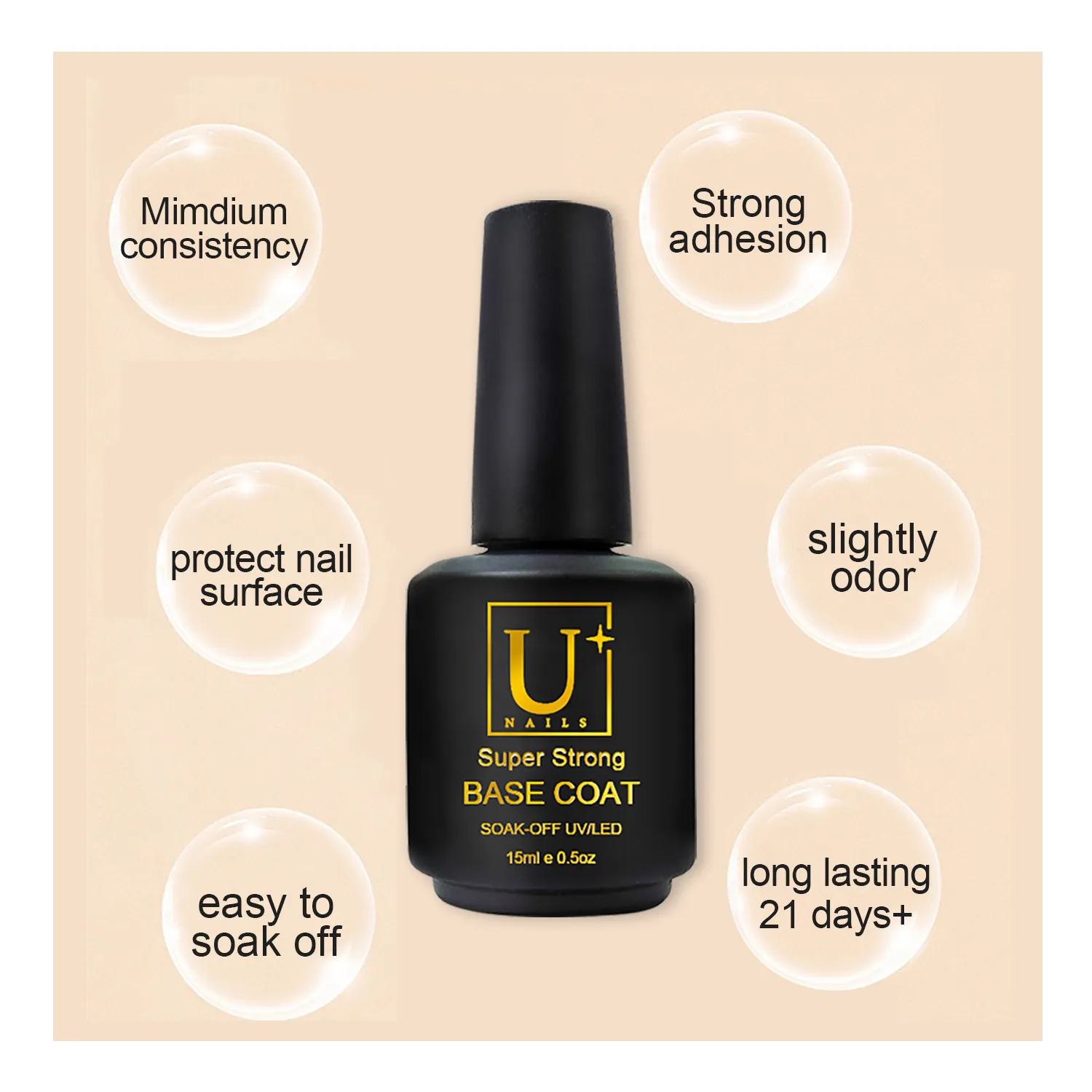
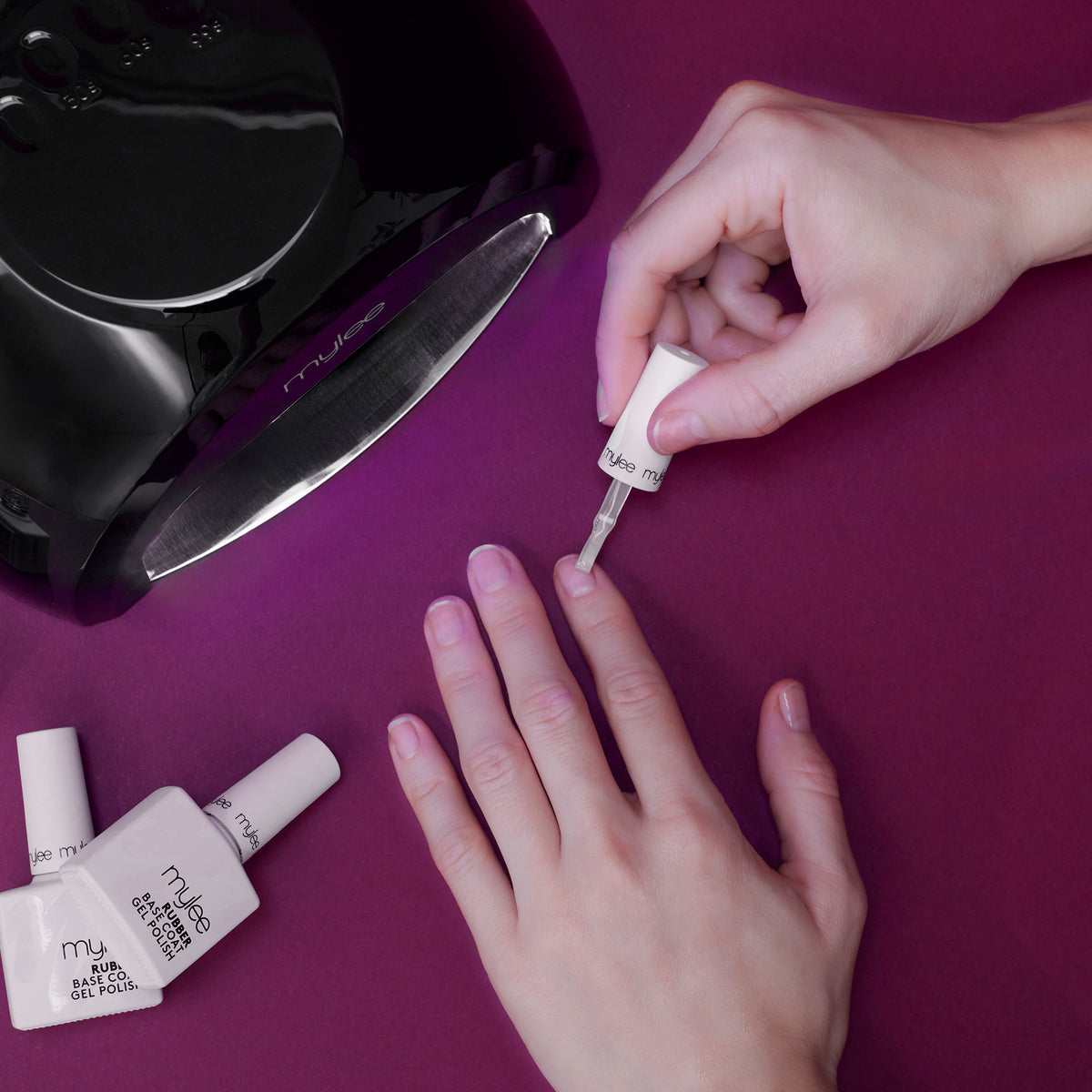
In professional manicures, pedicures, and nail enhancements, the base coat is arguably the most vital layer of the entire coating process. Applied directly to the natural nail plate after sanitization and dehydration, it forms the foundational bond for regular nail polish, gel polish, dip powders, or acrylic extensions.
- Top Coat (Protection & Shine)
- Color Polish (Pigment & Effect)
BASE COAT <<< (Adhesion, Anti-Stain, Ridge Filling)
- Natural Nail Plate
1. Promoting Polish Adhesion and Preventing Chipping
Natural nails constantly produce natural oils and moisture. Additionally, natural nails expand when wet and contract as they dry. Standard nail lacquers are relatively rigid once cured or air-dried. If lacquer is applied directly to an oily, flexible nail, the difference in elasticity causes the color coat to crack, flake, or lift within days.
Nail base coats contain flexible polymers (such as nitrocellulose, plasticizers, and specialty resins) that flex alongside the natural movement of the nail. This elasticity acts as an anchor cushion, binding tightly to the keratin of the nail while providing a textured surface to which color lacquer can adhere. Using a quality base coat can extend manicure wear time from 2–3 days to over 7–10 days.
2. Preventing Pigment Staining of the Natural Nail
Dark red, blue, green, and neon polishes contain highly concentrated synthetic dyes and iron oxides. When applied directly to an unprimed nail, these tiny color pigments seep into the microscopic pores of the nail's keratin layers.
Over time, this results in persistent yellow, brown, or green staining that cannot be simply washed away. A base coat creates a non-porous physical barrier that encapsulates the nail plate, keeping color pigments isolated above the natural surface.
3. Smoothing Surface Ridges and Texture Imperfections
Vertical ridges, horizontal indentations, and pitted texture are common on natural nail plates due to aging, trauma, or nutritional factors. Applying pigmented polish over an uneven nail accentuates every imperfection under ambient light.
Ridge-filling base coats are specifically engineered with higher viscosity and micro-filling minerals (such as calcium, talc, or silica). As the base coat settles, it flows into low spots and levels itself out, providing a glass-smooth surface for streak-free color application.
4. Fortifying and Treating Damaged Nails
Modern nail base coats frequently incorporate active strengthening and nourishing ingredients. Formulations enriched with hydrolyzed keratin, calcium, vitamin E, biotin, and bamboo extract help reinforce weak, brittle, or peeling nail plates. Specialized treatment base coats act as a protective hardener, shielding fragile nails from structural breakage while delivering ongoing conditioning benefits.
Specialized Types of Nail Base Coats
Not all nail base coats perform the same function. Choosing the appropriate formula depends on the nail condition, desired wear time, and chosen polish system.
- Types of Base Coats
- Air-Dry Standard
- UV/LED Gel Cured
- Rubber Base High-Flex
- Peel-Off Temporary
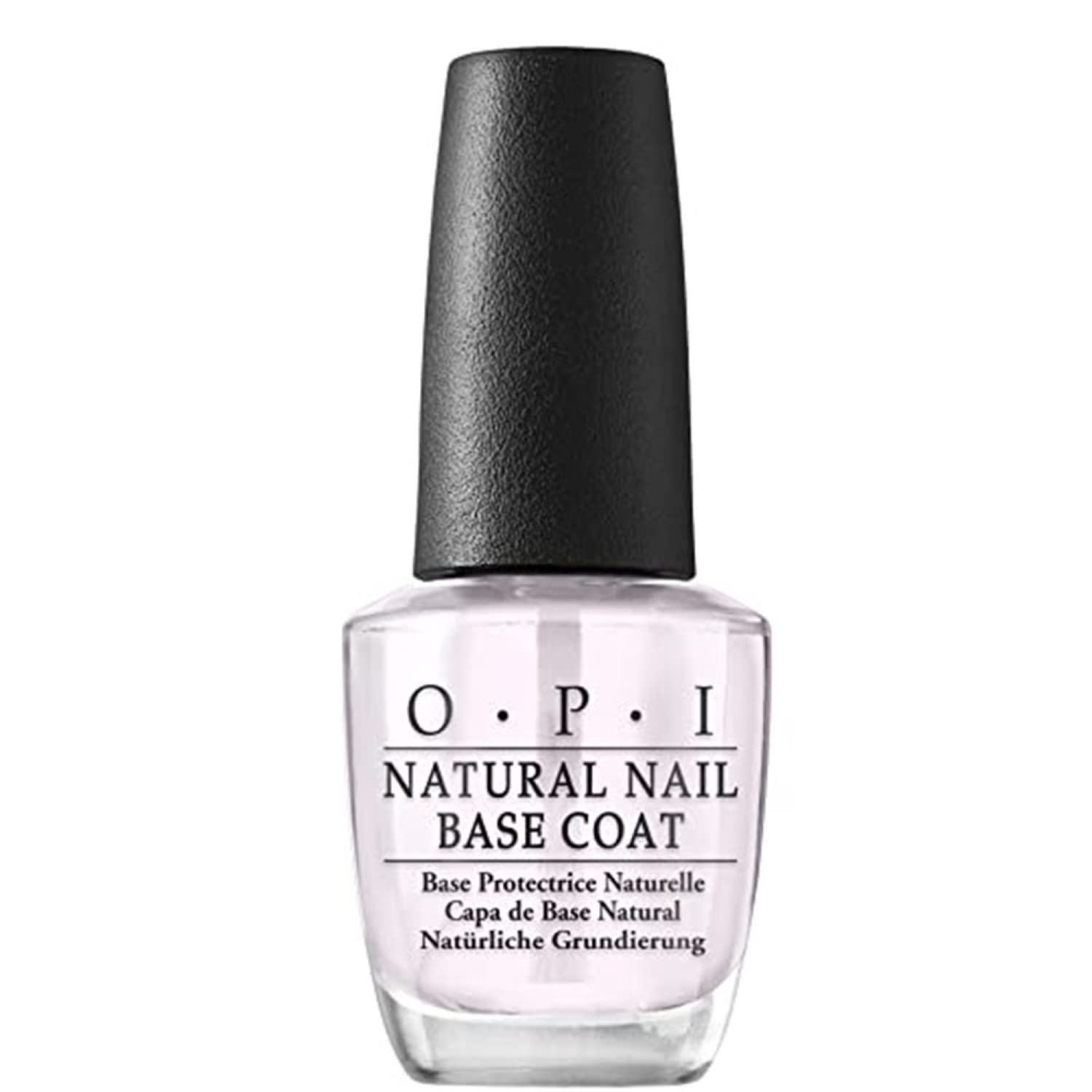
Standard Air-Dry Base Coats
These conventional formulations evaporate rapidly in ambient air. They rely on solvent evaporation (ethyl acetate or butyl acetate) to leave behind a thin, tacky film of nitrocellulose resin. They work best with traditional air-dry nail lacquers.
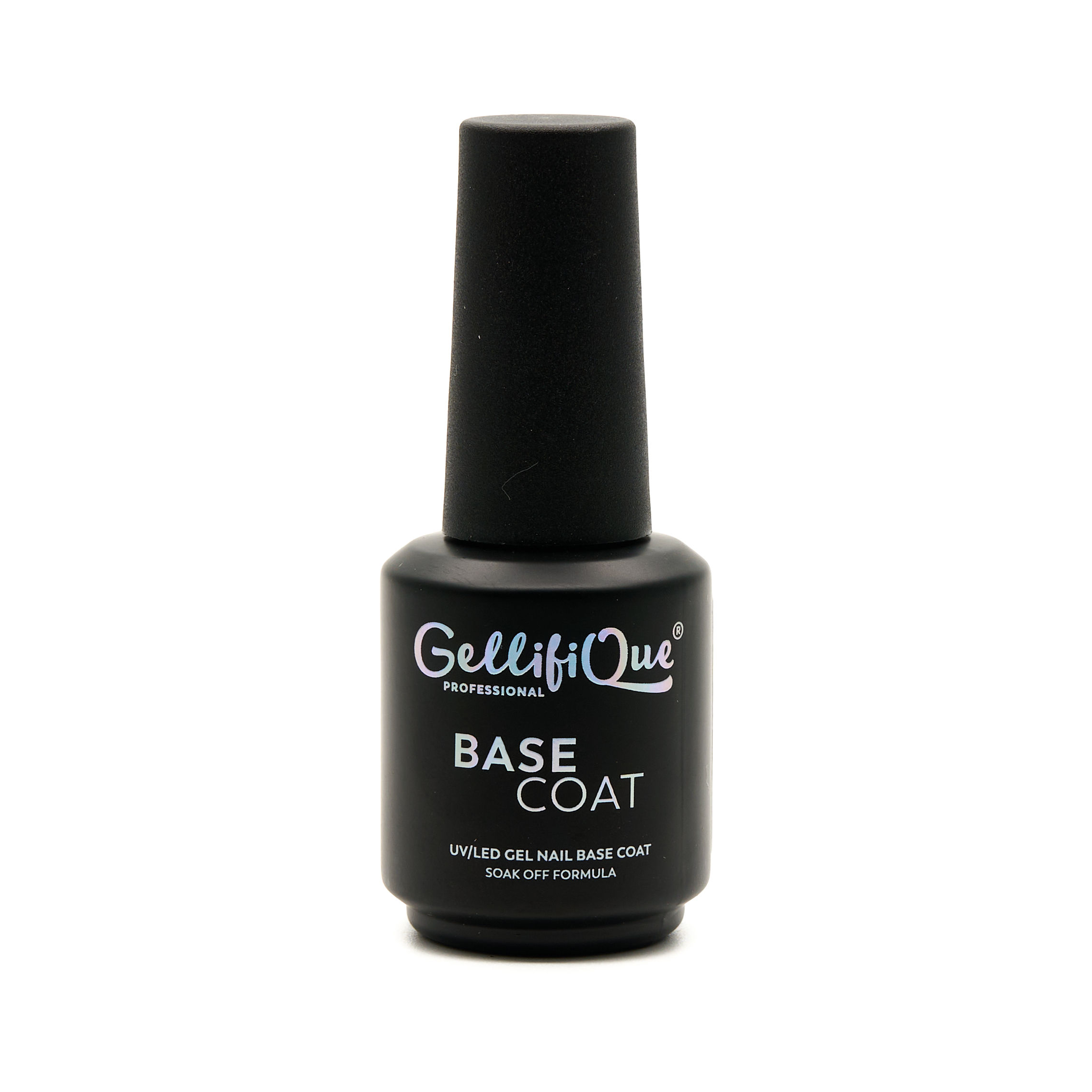
UV/LED Gel Base Coats
Designed specifically for gel manicure systems, gel base coats contain photoinitiators and oligomers that require curing under ultraviolet (UV) or light-emitting diode (LED) lamps. Upon exposure to specific light wavelengths, the gel undergoes polymerization, creating a tight chemical bond with the nail plate and providing an oxygen-inhibited (tacky) surface layer that fuses chemically with subsequent gel color coats.
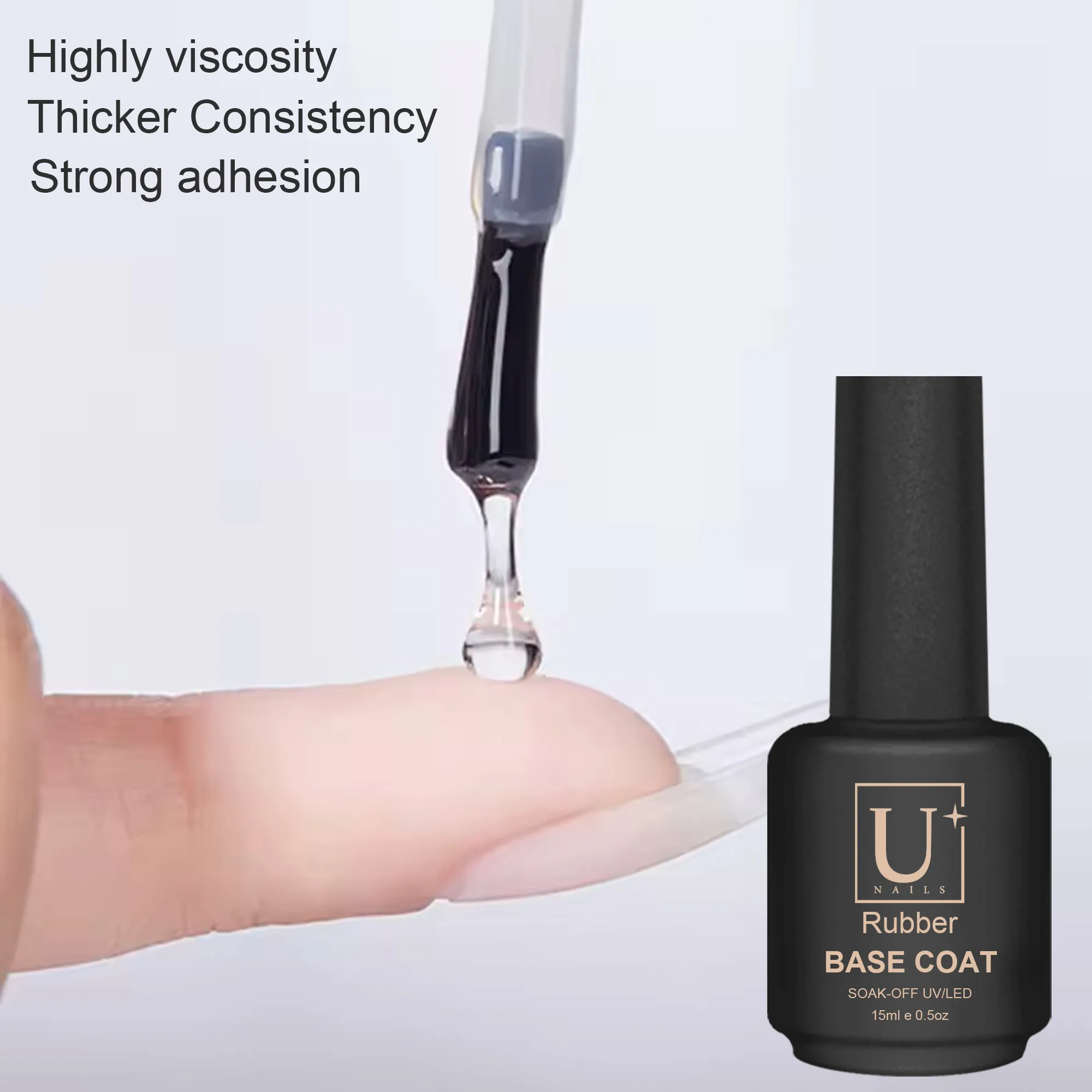
Rubber Base Coats and Builder Bases (BIAB)
Rubber base coats are thick, highly elastic gel base coats formulated with rubberized polymers. They are designed for weak, thin, or bendable nails that tend to pop off traditional hard gel or acrylic treatments. Rubber base coats provide maximum flexibility, absorbing physical impacts and allowing for minor structural apex building (BIAB or Builder in a Bottle techniques) without cracking.
Peel-Off Base Coats
Peel-off base coats are water-based latex or vinyl formulations designed for short-term wear, glitter polish removal, or easy manicure changes. They eliminate the need for acetone or harsh solvents, allowing the color coat to be cleanly peeled away from the nail plate without mechanical damage.
What Is a Base Coat Used For in Automotive Painting?
In the automotive refinishing and original equipment manufacturing (OEM) industries, a "base coat" carries a distinct technical meaning within the universal Three-Stage Base Coat / Clear Coat System.
- Clear Coat (Gloss, UV Protection, Scratch Resistance)
BASE COAT <<< (Color Pigment, Metallic Flakes, Effect)
- Primer / Sealer (Corrosion Protection, Surface Uniformity)
- Vehicle Metal / Composite Substrate
In automotive paint chemistry:
- The Primer Layer protects raw steel or aluminum from corrosion and levels out sanding scratches.
- The Base Coat Layer provides visual color, opacity, tint, and visual effects (such as metallic flake orienters, mica pearl shift particles, or matte color tones).
- The Clear Coat Layer is a transparent polyurethane topcoat that provides physical gloss, chemical resistance, and ultraviolet (UV) light protection.
Primary Functions of an Automotive Base Coat:
- Color and Visual Effects: The automotive base coat contains all color pigments, aluminum flakes, or pearl powders. It is specifically formulated without high-gloss resins so that metallic flakes align evenly without sagging or drifting during application.
- Fast Flashing and Recoat Efficiency: Automotive base coats dry (or "flash off") rapidly through solvent or water evaporation, leaving a dull, matte surface ready for clear coat application within 10 to 30 minutes.
- Adhesion Interface: The base coat establishes an inter-coat adhesive bond between the underlying epoxy/polyester primer sealer and the overlying polyurethane clear coat.
Because an automotive base coat dries matte and has minimal weather or UV resistance on its own, it must be topped with a high-durability clear coat. Without the clear coat protection, an exposed automotive base coat would rapidly oxidize, absorb water, and break down under direct sunlight exposure.
Base Coats in Construction, Stucco, and Wall Finishing
In architectural construction, plastering, and Exterior Insulation and Finish Systems (EIFS), a base coat refers to an engineered cementitious or acrylic layer applied directly over insulation boards, lath mesh, or porous masonry.
- Topcoat Finish (Texture, Color, Weatherproofing)
BASE COAT <<< (Cementitious Layer with Fiberglass Mesh)
- Substrate (EPS Insulation Board, Concrete, or Sheathing)
Key Functions of Construction Base Coats:
- Structural Reinforcing Embedment: In synthetic stucco and EIFS systems, fiberglass reinforcing mesh is embedded directly into a wet cementitious base coat. This creates a strong, flexible composite layer capable of absorbing building expansion, contraction, and minor impacts.
- Waterproofing and Vapor Permeability: Base coat renders act as weather-resistant barriers that keep liquid water out of structural wall assemblies while permitting internal water vapor to escape.
- Substrate Neutralization: When painting interior or exterior walls, specialized masonry or drywall base coat primers seal porous drywall paper, joint compound, or concrete, preventing uneven paint absorption ("flashing") across the finished surface.
Comparison of Base Coat Characteristics Across Industries
To clearly understand how base coat applications differ in function, composition, and drying mechanism, review the technical breakdown below:
| Industry / Application | Primary Substrate | Main Function | Key Active Ingredients / Resins | Requires Topcoat? |
|---|---|---|---|---|
| Nail Care (Standard) | Natural Keratin Nail Plate | Prevents staining, enhances polish adhesion | Nitrocellulose, plasticizers, ethyl acetate | Yes (Color polish & protective topcoat) |
| Nail Care (Gel/LED) | Etched Keratin Nail Plate | Creates chemical bond via photo-polymerization | Methacrylate oligomers, photoinitiators | Yes (Gel color & high-shine gel topcoat) |
| Automotive Finishing | Primed Metal / Composite Body | Delivers color pigment, metallic/pearl effects | Acrylic polyurethane resins, solvent/water carrier | Yes (Polyurethane UV clear coat) |
| Construction (EIFS/Stucco) | Insulation Board / Masonry | Structural reinforcement mesh embedment | Cementitious binder, acrylic polymers, silica | Yes (Textured acrylic finish coat) |
| Architectural Painting | Raw Drywall / Wood / Masonry | Seals porosity, neutralizes stain migration | Acrylic latex, alkyd resins, titanium dioxide | Yes (Architectural interior/exterior paint) |
Best Practices for Applying Base Coats Correctly
Whether working on nail cosmetics, automotive painting, or structural wall prep, proper execution determines whether the coating system succeeds or fails.
Applying Nail Base Coats
Step 1: Clean & Dehydrate Nail
Step 2: Apply Thin Base Coat Layer (Capping Free Edge)
Step 3: Cure (UV/LED) or Dry Completely (Air-Dry)
Step 4: Proceed to Color Polish Application
Thorough Substrate Preparation: Remove surface oils, dust, and moisture. For nails, clean with 99% isopropyl alcohol or a specialized nail dehydrator after gentle surface buffing.
Apply Thin, Even Layers: Avoid thick, heavy application. Thin coats dry or cure more evenly, preventing pooling in sidewalls or cuticle areas.
Cap the Free Edge: Coat the exposed front tip of the nail plate. This seals the edge against water intrusion, which is the primary cause of premature polish lifting.
Allow Proper Drying or Curing: For air-dry systems, let the base coat become touch-dry before adding color. For gel systems, cure under an LED/UV lamp for the manufacturer-recommended duration (typically 30–60 seconds). Do not wipe away the sticky residue layer after curing gel base coat, as this sticky layer facilitates chemical bonding with the gel color layer.
Applying Automotive Base Coats
- Final Surface Cleaning: Wipe down primed panels with a solvent wax and grease remover, followed by a light pass with a tack cloth to capture static dust.
- Maintain Correct Spray Distance and Flash Time: Spray using consistent overlap patterns. Allow full flash-off time between coats until the wet film turns uniform matte before applying subsequent base layers or clear coats.
- Avoid Over-Thickness: Excessive base coat thickness leads to solvent trapping, resulting in clear coat blistering, die-back, or soft paint finishes.
Frequently Asked Questions
Can you use a top coat as a base coat?
No, you should not use a top coat as a base coat. Top coats are formulated with hard, glossy resins designed for surface scratch resistance and shine. They lack the sticky, flexible adhesive polymers required to grip raw surfaces or human nail keratin. Using a top coat on bare nails or unprimed surfaces frequently leads to rapid peeling and color staining.
What happens if you skip the base coat when painting nails?
Skipping the base coat reduces manicure lifespan significantly, often causing color polish to chip or peel within 24 to 48 hours. Additionally, direct contact between dark color pigments and the natural nail plate leads to stubborn yellow or brown staining on the natural nail.
Does a base coat dry clear?
Most standard and gel nail base coats dry completely clear or with a translucent pink tint. Specialized ridge-filling or color-correcting base coats may dry with an opaque milky or nude finish to mask severe nail discoloration and smooth surface texture.
How long should a base coat dry before applying color?
For standard air-dry nail base coats, drying takes approximately 1 to 2 minutes. For UV/LED gel base coats, curing takes 30 to 60 seconds depending on lamp wattage. In automotive applications, base coats generally require 10 to 25 minutes of flash time at room temperature before clear coat application.
Is rubber base coat better than standard base coat?
Rubber base coat is superior for individuals with thin, brittle, flexible, or severely damaged nails. Because of its rubberized elasticity and higher viscosity, it flexes alongside the natural nail without cracking or lifting. However, for normal, healthy nails undergoing standard nail polish manicures, a traditional air-dry base coat is entirely sufficient.
Practical Recommendations
To achieve the best results when working with base coats, tailor your application method to the specific material system:
- For Everyday Nail Care: Invest in a dedicated double-duty system: a high-adhesion flexible base coat combined with a separate glossy topcoat, rather than 2-in-1 combination products which compromise both adhesive and shine capabilities.
- For Damaged or Bumpy Nails: Utilize a calcium-infused ridge-filling base coat or a soak-off rubber base gel to level the surface profile prior to applying color.
- For Automotive Refinishing: Always follow the paint manufacturer's technical data sheets regarding flash times and paint film thickness, ensuring that base coat layers are completely flashed before applying protective clear coats.
Image Gallery