Understanding the Available Dividends in Life Insurance
Life insurance dividends are a partial return of premiums paid to policyholders of participating whole life insurance policies. These payments represent a share of the insurance company’s surplus earnings, generated when the insurer’s...
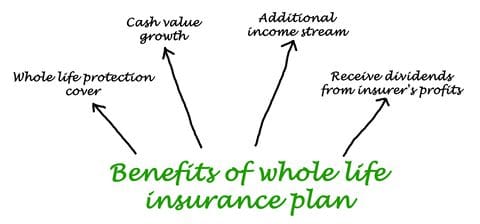
Life insurance dividends are a partial return of premiums paid to policyholders of participating whole life insurance policies. These payments represent a share of the insurance company’s surplus earnings, generated when the insurer’s actual mortality costs, investment returns, and operating expenses are more favorable than originally projected. Policyholders can typically receive these dividends as cash, use them to reduce premiums, or reinvest them to increase the policy’s value.
Contents
Life insurance is often viewed as a static financial product—a contract where premiums are paid in exchange for a death benefit. However, for those holding participating policies, life insurance functions as a dynamic asset capable of generating annual returns known as dividends. In 2026, as interest rate environments stabilize and mutual insurers continue to refine their portfolio strategies, understanding how to maximize these dividends is essential for long-term wealth preservation and estate planning.
Dividends are not merely "extra cash." They are a reflection of the policyholder’s status as a partial owner of the insurer’s "par" (participating) fund. To effectively manage a whole life policy, one must understand the mechanics of dividend generation, the specific options available for their distribution, and the tax implications of each choice.
The Mechanism of Participating Life Insurance
Not all life insurance policies pay dividends. They are almost exclusively associated with participating life insurance, typically issued by mutual insurance companies. Unlike stock insurance companies, which are owned by shareholders and prioritize returning profits to those investors, mutual companies are owned by their policyholders. When the mutual company achieves a financial surplus, it distributes a portion of that surplus back to the policy owners.
The calculation of a dividend scale is a complex actuarial process. In 2026, insurers continue to use a "three-factor" formula to determine the surplus available for distribution:
- Mortality Experience: If fewer policyholders died during the year than the company’s actuarial tables predicted, the money set aside for death claims remains in the surplus.
- Investment Performance: Mutual insurers invest premium dollars primarily in high-quality corporate bonds, mortgages, and government securities. If the portfolio's actual yield exceeds the guaranteed interest rate credited to the policies, the excess contributes to the dividend.
- Operating Expenses: If the company operates more efficiently than budgeted—spending less on administration, commissions, and overhead—the savings are added to the dividend pool.
It is important to note that while many top-tier mutual insurers have paid dividends every year for over a century, dividends are not guaranteed. They are declared annually by the company’s board of directors based on the prior year's performance and future projections.
Available Dividend Options
When a dividend is declared on a participating policy, the policyholder must decide how those funds will be applied. Most insurance contracts allow the owner to change their dividend election at any time, though some choices have long-term structural impacts on the policy.
1. Cash Payments
The simplest option is to receive the dividend as a direct payment. The insurer issues a check or an electronic transfer to the policyholder. While this provides immediate liquidity, it is often considered the least efficient use of a dividend for long-term growth. By taking the cash, the policyholder removes capital from the tax-advantaged environment of the life insurance policy, preventing those funds from compounding in the future.
2. Premium Reduction
Under this election, the insurer applies the annual dividend toward the next scheduled premium payment. For example, if a policyholder owes a $5,000 annual premium and receives a $1,200 dividend, they only need to pay $3,800 out of pocket. As the policy matures and the dividend scale grows, it is possible for the dividend to eventually cover the entire premium, effectively making the policy "self-funding."
3. Accumulate at Interest
The policyholder can choose to leave the dividends with the insurance company in a side account that earns interest. These funds are separate from the policy’s cash value. The interest rate paid on these accumulations is set by the company and is usually competitive with short-term savings rates. However, unlike the cash value growth within the policy, the interest earned on accumulated dividends is taxable as ordinary income in the year it is credited.
4. Paid-Up Additions (PUAs)
Widely considered the most powerful option for wealth accumulation, Paid-Up Additions involve using the dividend to purchase additional "miniature" whole life policies. These additions have their own immediate cash value and increase the total death benefit.
- No Underwriting: PUAs are purchased without a medical exam, regardless of changes in the insured's health.
- Compounding Growth: Because PUAs have their own cash value, they also earn dividends. This creates a powerful compounding effect where dividends buy PUAs, which then generate even larger dividends the following year.
- Efficiency: PUAs are generally "net" of commissions, meaning more of the dividend goes directly into the cash value compared to a standard premium payment.
5. One-Year Term Insurance
Also known as the "Fifth Dividend Option," this allows the policyholder to use the dividend to purchase one-year term insurance equal to the policy's current cash value. This is often used by business owners or those using the "Infinite Banking" concept to maximize the death benefit during the early years of a policy when the cash value is still growing.
Comparison of Dividend Options
The following table compares the primary dividend options based on their impact on policy growth, liquidity, and taxation.
| Dividend Option | Impact on Death Benefit | Impact on Cash Value | Tax Status (General) | Primary Benefit |
|---|---|---|---|---|
| Cash | No Change | No Change | Non-taxable* | Immediate liquidity |
| Premium Reduction | No Change | No Change | Non-taxable* | Lower out-of-pocket cost |
| Paid-Up Additions | Increases | Increases | Non-taxable* | Maximum compounding growth |
| Accumulate at Interest | No Change | No Change | Interest is Taxable | Guaranteed interest rate |
| One-Year Term | Significant Increase | No Change | Non-taxable* | High temporary protection |
*Dividends are generally considered a return of premium and are not taxable until the total dividends received exceed the total premiums paid into the policy (the "cost basis").
Tax Treatment of Life Insurance Dividends
The Internal Revenue Service (IRS) generally treats life insurance dividends as a return of premium rather than a capital gain or investment income. This classification provides a significant tax advantage. Because you are essentially receiving back money you already paid into the contract (which was presumably paid with after-tax dollars), the dividend is not subject to income tax.
However, there are three critical exceptions to this tax-free status that policyholders must monitor in 2026:
- Exceeding Cost Basis: If a policy has been in force for many decades and the total amount of dividends taken in cash (or used to reduce premiums) exceeds the total amount of premiums ever paid, any excess is taxed as ordinary income.
- Modified Endowment Contracts (MECs): If a policy is overfunded and loses its status as a life insurance contract under IRS Section 7702, dividends may become taxable. This typically occurs if the policy is structured to build cash value too quickly.
- Interest on Accumulations: As mentioned previously, if dividends are left to accumulate at interest, the interest portion—not the dividend itself—is taxable annually.
Strategic Selection of Dividend Options
The "best" dividend option depends entirely on the policyholder's current financial stage and objectives.
For a young professional focused on long-term wealth, Paid-Up Additions are almost universally recommended. The ability to increase the death benefit and cash value simultaneously without medical underwriting is a unique feature of participating whole life that cannot be replicated in other asset classes. In 2026, as inflation remains a consideration for many, the expanding death benefit provided by PUAs helps the policy's value keep pace with the rising cost of living.
Conversely, a retiree might shift their election to Cash or Premium Reduction. If the policy is no longer needed for maximum death benefit protection, the dividends can provide a tax-free stream of supplemental income. Alternatively, using dividends to pay premiums can help preserve a senior's fixed income for other expenses.
Common Mistakes and Misconceptions
One frequent error is confusing the Dividend Interest Rate with the Internal Rate of Return (IRR) of the policy. If an insurance company announces a 6.00% dividend scale, the policyholder does not see a 6% increase in their total cash value. The dividend scale is a gross rate applied to the company's divisible surplus after expenses and mortality costs are deducted. The actual net growth on the policy's cash value will always be lower than the stated dividend scale.
Another mistake is failing to review dividend elections periodically. A choice made at age 30 may no longer be appropriate at age 60. Most insurers provide an annual "Policy Illustration" or "In-Force Illustration" upon request. This document projects how the policy will perform based on the current dividend scale and allows the owner to test how different dividend options would impact their future values.
Professional Advice Limitation: This article provides general information regarding life insurance dividends and does not constitute legal, tax, or financial advice. Tax laws and insurance regulations are subject to change and vary by jurisdiction. Always consult with a qualified tax professional or licensed insurance advisor before making changes to your financial strategy or insurance contracts.
Frequently Asked Questions
Can the insurance company take back dividends once they are paid?
No. Once a dividend is credited to your policy, it becomes part of the policy's guaranteed value (if used for PUAs) or is yours to keep (if taken as cash). However, the future dividend scale can be reduced. If the company's financial performance declines, they may pay a lower dividend in subsequent years.
Do I have to pay taxes on dividends used to buy Paid-Up Additions?
Generally, no. When dividends are used to purchase Paid-Up Additions, they are considered a reinvestment of a return of premium. This process remains tax-deferred, and the cash value within those additions grows without annual taxation, similar to the core policy’s cash value.
Why does the dividend scale change from year to year?
The dividend scale is adjusted based on the insurer's real-world experience. In 2026, factors such as the yield on the 10-year Treasury note, the company's claims experience (mortality), and its ability to manage administrative costs via automation and AI impact the surplus. If these factors improve, the scale may rise; if they worsen, it may fall.
Can I use dividends to pay off a policy loan?
Yes. Most insurers allow you to direct your annual dividends toward the principal or interest of an outstanding policy loan. This is an effective way to "self-heal" a policy where the owner has borrowed against the cash value, ensuring the death benefit remains intact for beneficiaries.
Final Recommendation
To maximize the utility of your life insurance policy, default to the Paid-Up Additions (PUA) option during your working years. This choice ensures the most efficient compounding of your capital and provides the greatest flexibility for the future. As you approach retirement or if your cash flow needs change, request an in-force illustration from your carrier to model the impact of switching to premium reduction or cash payments. Consistent monitoring of the insurer's financial strength and dividend history is the key to ensuring your policy remains a reliable pillar of your financial plan.
Image Gallery