Illinois Auto Transport: How to Choose the Right Service for Your Vehicle
Choosing the right Illinois auto transport service requires verifying a provider's Federal Motor Carrier Safety Administration (FMCSA) registration, understanding the difference between broker-managed and carrier-direct logistics, and...
Choosing the right Illinois auto transport service requires verifying a provider's Federal Motor Carrier Safety Administration (FMCSA) registration, understanding the difference between broker-managed and carrier-direct logistics, and confirming specific insurance coverage for your vehicle type. By evaluating carrier reliability, pricing transparency, and regional expertise in Illinois' unique geography, you can ensure a secure and compliant transit process for your car.
Contents
Understanding the Illinois Auto Transport Landscape
Illinois serves as a central hub for logistics in the United States, particularly due to the intersection of major interstates like I-55, I-80, I-90, and I-94 in the Chicago metropolitan area. Because of this high-volume traffic, the state hosts a dense network of auto transport companies. However, this density creates a complex market where consumers must distinguish between reputable carriers and high-volume lead-generation brokers.
When evaluating your options, you must first determine if you are working with an actual motor carrier—a company that owns and operates the trucks—or a broker. Brokers act as intermediaries, connecting you with independent owner-operators. While brokers often provide more flexibility in scheduling, carriers provide direct accountability. Knowing which entity is responsible for your vehicle at each stage of the transit is the foundational step in mitigating risk.
Essential Verification Steps
Before signing any service agreement, you must perform a due diligence check on the company’s legal standing. The United States government mandates that any company moving vehicles across state lines must be registered with the FMCSA.
- Verify the USDOT Number: Every legitimate transport company must possess a United States Department of Transportation (USDOT) number. You can verify this number through the FMCSA SAFER system.
- Check Operating Authority: Ensure the company has an active "Motor Carrier" or "Broker" authority status. If the status is listed as "Inactive" or "Unauthorized," do not proceed.
- Review Insurance Coverage: Ask for a Certificate of Insurance (COI). A reputable company will provide this upon request. Your primary concern is the carrier's "cargo insurance." Verify that the policy covers the full value of your vehicle and check if there is a high deductible that might interfere with your ability to make a claim in the event of damage.
- Research Complaints: Beyond general star ratings on review sites, check the Better Business Bureau (BBB) for unresolved complaints specifically related to Illinois service routes or contractual disputes.
Choosing Between Open and Enclosed Transport
Your choice of transport method significantly influences the cost and safety of your vehicle during transit.
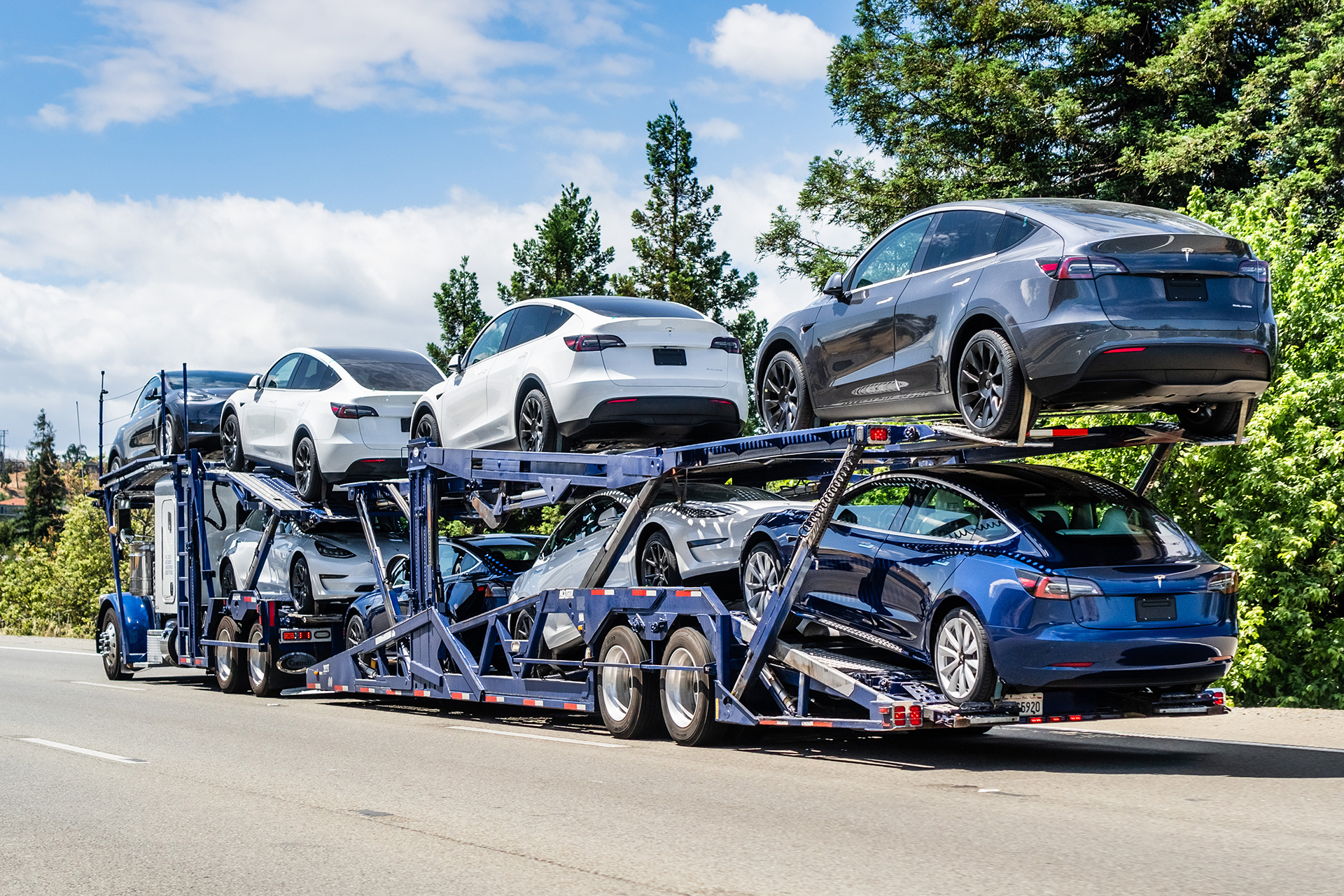
- Open Carrier Transport: This is the industry standard for most consumer vehicles. It involves loading your car onto an open trailer, similar to those used by car dealerships. It is the most cost-effective option and readily available throughout Illinois. However, it exposes your vehicle to road debris, weather conditions, and seasonal salt exposure—a major consideration if you are transporting your vehicle during the harsh Illinois winter months.
- Enclosed Carrier Transport: This method uses a fully covered trailer, protecting the vehicle from all external elements. This is the preferred method for luxury, classic, or high-value vehicles. While it provides superior protection, you should expect to pay a premium of 30% to 60% more than the cost of open transport.
Comparing Transport Service Models
| Feature | Broker-Managed Services | Carrier-Direct Services |
|---|---|---|
| Accountability | Varies; broker manages logistics. | Direct; carrier manages transit. |
| Pricing | Often competitive due to bidding. | Fixed based on operational costs. |
| Communication | Centralized through broker. | Directly with the truck driver. |
| Flexibility | Higher; access to large networks. | Limited to specific fleet routes. |
| Risk Exposure | Depends on carrier vetting process. | Direct responsibility of the carrier. |
Strategic Planning for Illinois Logistics
Geography plays a critical role in how you should approach your transport. If you are shipping from a rural part of downstate Illinois, expect higher costs and longer wait times compared to shipping from the Chicago area. Carriers prefer high-density, easily accessible urban centers. If you live in a location with narrow residential streets or restricted bridge heights, the carrier may require you to meet them at a more accessible location, such as a large parking lot or a truck stop.
Furthermore, timing is a critical factor. The auto transport industry experiences peak seasons. In Illinois, demand spikes during the "snowbird" season when residents migrate south for the winter. Booking your service at least two to four weeks in advance during these peak windows can prevent significant price surges and ensure your vehicle is prioritized on a route.
Common Red Flags to Avoid
During your vetting process, be wary of companies that engage in "bait-and-switch" pricing. Some companies offer an unusually low quote to secure your deposit, only to call you days later to explain that they cannot find a driver at that price, demanding more money.
- Pressure Tactics: Avoid companies that demand full payment upfront before a carrier is assigned to your vehicle.
- Vague Contracts: Ensure the contract clearly states the pickup and delivery windows. While exact times are rarely guaranteed due to traffic and mechanical variables, an open-ended contract without a defined "last possible delivery date" provides you with no legal recourse for delays.
- Lack of Inspection Reports: A professional carrier will conduct a Bill of Lading (BOL) inspection at pickup and delivery. If a company does not perform this, you will have no evidence to support an insurance claim for damage that occurred during transit.
Frequently Asked Questions
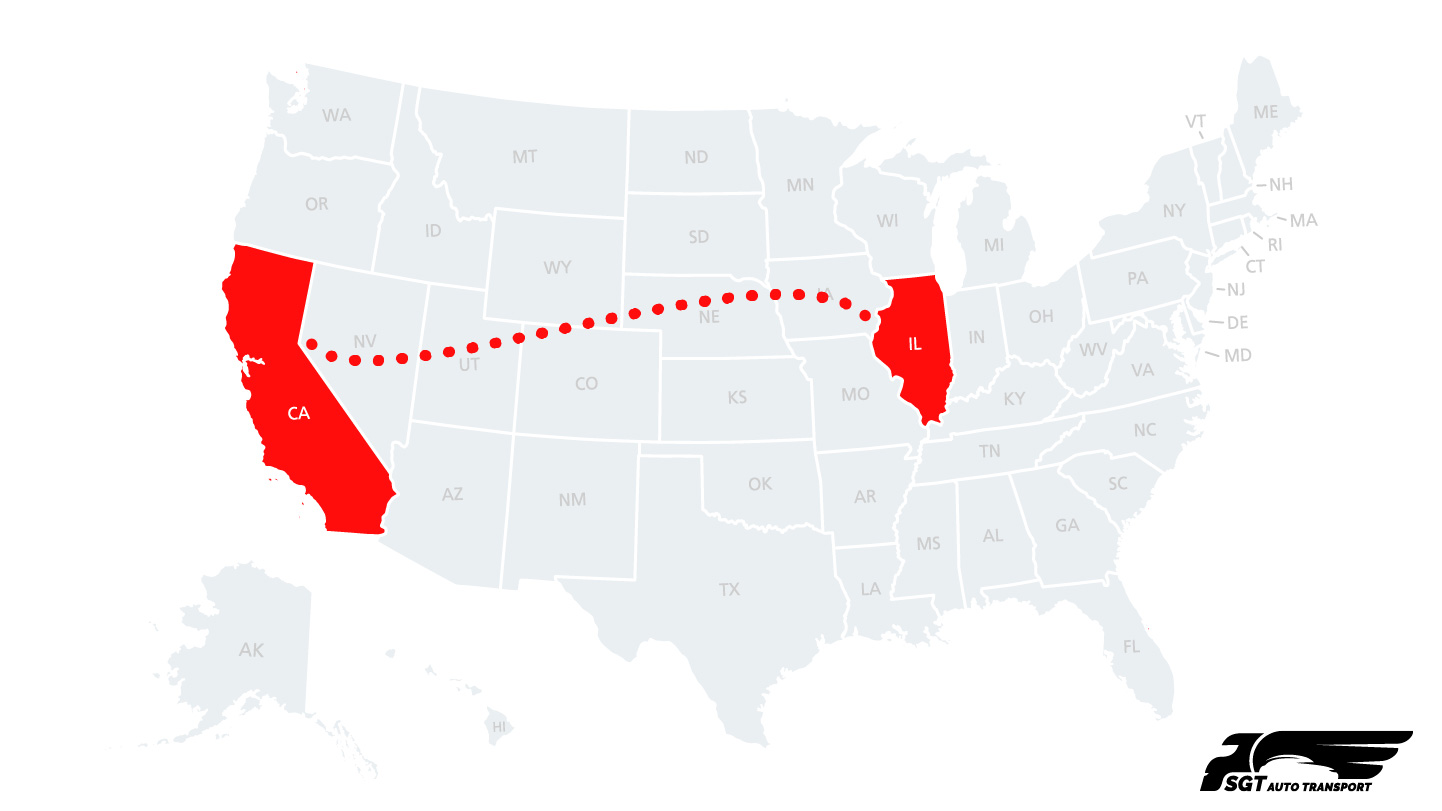
What is the average cost to ship a car in Illinois? Costs vary based on distance, vehicle size, and the current price of diesel. As of 2026, standard open-carrier shipments within the Midwest typically range from $600 to $1,200, while cross-country shipments can range from $1,500 to $2,500. Always request a "binding quote" to lock in the rate.
Should I wash my car before transport? Yes. A clean vehicle allows for an accurate, documented inspection at the time of pickup. Damage such as scratches or dents is much harder to identify on a dirty vehicle, and you want to ensure the BOL accurately reflects the condition of your car before it touches the truck.
Can I pack personal items inside my car? Most FMCSA-regulated carriers prohibit this. Carriers are only licensed to transport vehicles, not household goods. If your car is damaged or inspected by authorities, personal items can cause legal complications or be excluded from the carrier's insurance coverage.
What happens if my car is damaged during transport? Document the damage immediately on the Bill of Lading at the time of delivery. Take high-resolution photographs of the damage while the vehicle is still on the trailer or immediately upon unloading. Notify the carrier in writing and initiate a claim through their provided insurance documentation.
Does weather affect my transport timeline in Illinois? Illinois winters, specifically heavy snow and ice storms, can ground transport fleets. If you are shipping during the winter, build extra time into your schedule to account for potential road closures and reduced visibility for drivers.
Next Steps for Secure Transit
Once you have vetted your potential carriers and compared quotes, select a provider that offers a clear, written agreement. Ensure this document includes the total cost, the type of insurance coverage, and the pickup/delivery windows. Before the driver arrives, remove all personal items, document the car's condition with date-stamped photos, and confirm that the driver has the correct contact information for both the pickup and delivery locations. By adhering to these verification standards, you ensure the protection of your vehicle throughout the transport process.
Image Gallery