How Many First Class Seats Does the Alaska 737-900 Have?
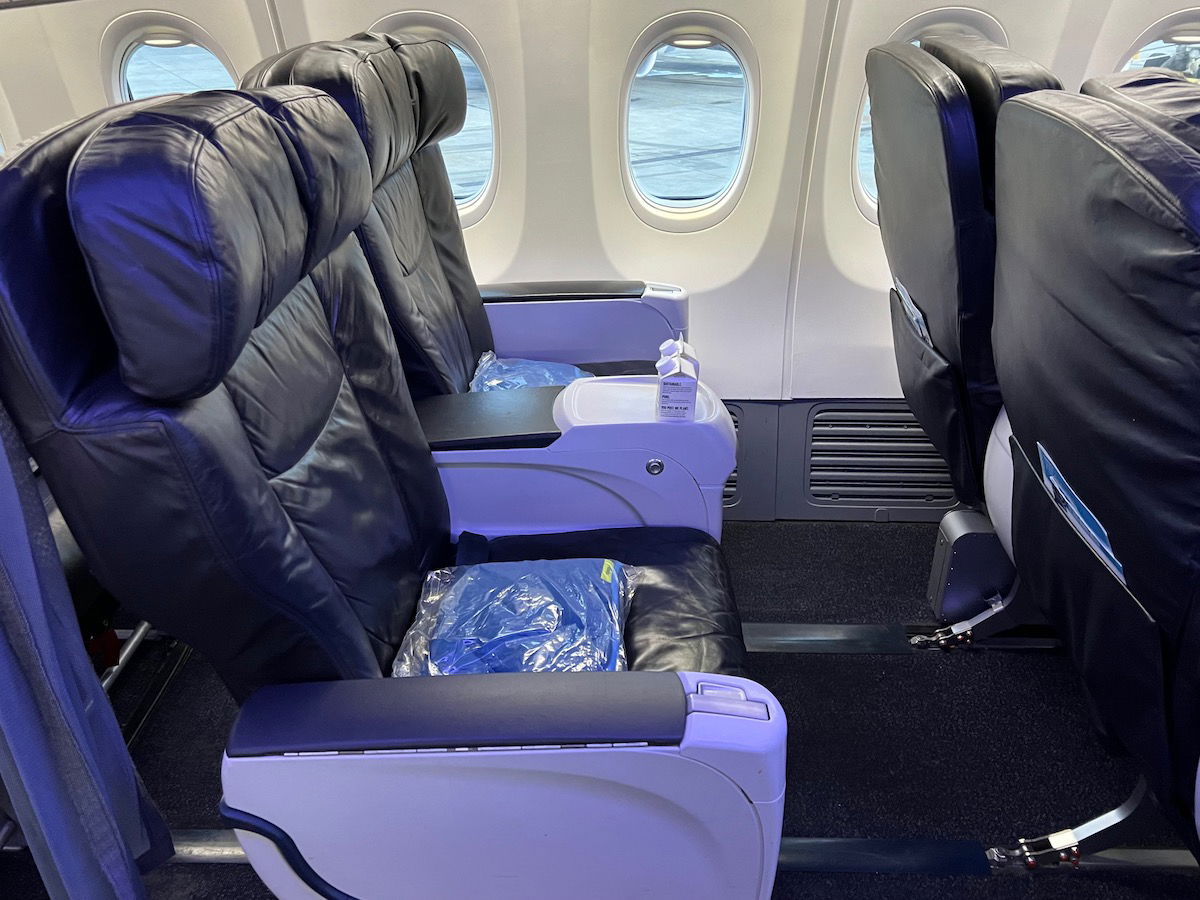
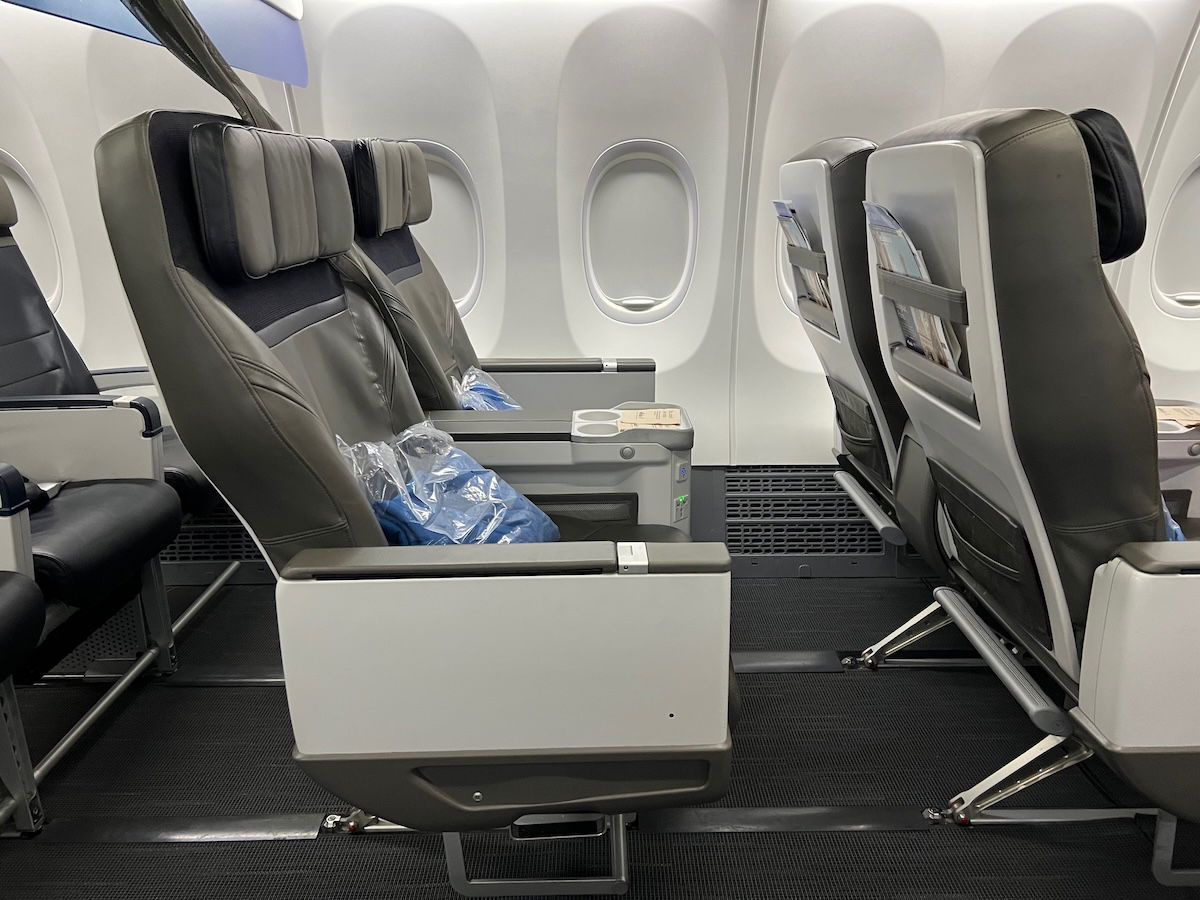
Alaska Airlines Boeing 737-900 and 737-900ER aircraft feature 16 First Class seats. These seats are arranged in a 2x2 configuration across four rows (Rows 1 through 4) at the front of the aircraft. Every First Class passenger enjoys a...
Alaska Airlines Boeing 737-900 and 737-900ER aircraft feature 16 First Class seats. These seats are arranged in a 2x2 configuration across four rows (Rows 1 through 4) at the front of the aircraft. Every First Class passenger enjoys a wide leather recliner seat, premium food and beverage service, and dedicated overhead storage.
Contents
Seat Breakdown and Cabin Layout of the Alaska Airlines Boeing 737-900
Alaska Airlines operates two main variants of the Boeing 737 Next-Generation flagship stretched aircraft: the standard 737-900 and the 737-900ER (Extended Range). Across both aircraft types, Alaska Airlines maintains a standardized cabin configuration designed to provide consistent service and space across its transcontinental and high-density West Coast routes.
The First Class cabin occupies Rows 1 through 4 at the very front of the airplane. Unlike the Economy (Main Cabin) section, which uses a 3x3 layout with six seats per row, First Class utilizes a spacious 2x2 seat arrangement. This leaves four seats per row, designated as A, C, D, and F (omitting B and E to reflect the missing middle seats).
[Cockpit] Row 1: [ 1A | 1C ] --- Aisle --- [ 1D | 1F ] (Bulkhead Row) Row 2: [ 2A | 2C ] --- Aisle --- [ 2D | 2F ] Row 3: [ 3A | 3C ] --- Aisle --- [ 3D | 3F ] Row 4: [ 4A | 4C ] --- Aisle --- [ 4D | 4F ] [Galley Divider / Closet / Premium Class Starts at Row 6]
With 16 seats dedicated to First Class out of a total capacity of 178 seats on the 737-900/900ER, First Class represents approximately 9% of the overall passenger accommodation. Directly behind Row 4 sits a hard bulkhead partition or soft divider wall, which separates First Class from the Premium Class cabin starting at Row 6 (Alaska Airlines skips Row 5 in its seat numbering system across most 737 aircraft).
Understanding this physical layout is essential for passengers booking upgrades or selecting seat assignments. Because the cabin contains only 16 seats, competition for complimentary elite upgrades and paid upgrades can be intense, especially on popular business routes between Seattle (SEA), Portland (PDX), Anchorage (ANC), Los Angeles (LAX), and New York (JFK).
First Class Seat Specifications and Comfort Amenities
The First Class seats on Alaska's Boeing 737-900 fleet are designed for domestic travel, featuring plush leather upholstery, adjustable headrests, and expanded legroom compared to the main cabin. While they are recliners rather than lie-flat suites, they provide significant comfort for long-haul transcontinental flights.
Seat Dimensions and Legroom
- Seat Pitch: 41 inches (104.1 cm). Seat pitch is the distance between a point on one seat and the exact same point on the seat in front of it. Alaska's 41-inch pitch is generous for domestic First Class, offering several inches more legroom than many legacy carriers.
- Seat Width: 21 inches (53.3 cm). The extra width provides comfortable shoulder and hip room without feeling cramped next to an aisle mate.
- Seat Recline: Approximately 5 to 6 inches of recline, allowing passengers to lean back comfortably without excessively intruding on the space of the passenger behind them.
In-Seat Power and Electronic Connectivity
In modern air travel, power and device integration are critical amenities. Alaska Airlines equips every First Class seat on the 737-900 with:
- Dedicated 110V AC Power Outlets: Located near the center console or lower seat frame, allowing passengers to charge laptops, tablets, and medical equipment.
- USB-A Ports: Built into the seat structure or armrest area for charging smartphones and smaller electronics.
- Personal Device Holders: Integrated into the seatback table design on modern recaro configurations, positioning phones or tablets at eye level for comfortable viewing.
Alaska Airlines does not feature seatback seat-mounted video screens on its 737-900 fleet. Instead, the airline utilizes a Bring Your Own Device (BYOD) model powered by Alaska Beyond Entertainment. Passengers connect their personal smartphones, tablets, or laptops to the onboard Wi-Fi network to stream a library of movies, television shows, and live TV channels free of charge. High-speed satellite Wi-Fi is also available for purchase across the 737-900 fleet.
Alaska 737-900 Fleet Seating Specs Comparison
To better understand how First Class compares to the rest of the cabin on the Boeing 737-900, the table below outlines the dimensions, power access, and service inclusions across all three cabin classes offered by Alaska Airlines.
| Cabin Class | Total Seats | Seat Configuration | Seat Pitch | Seat Width | In-Seat Power | Included Amenities |
|---|---|---|---|---|---|---|
| First Class | 16 | 2 x 2 | 41 inches | 21.0 inches | 110V AC + USB-A | Hot meals (1,100+ mi), premium drinks, priority boarding, 2 free checked bags |
| Premium Class | 24 | 3 x 3 | 35 inches | 17.0 inches | USB-A / 110V AC | Extra legroom, complimentary beer, wine, and spirits, early boarding |
| Main Cabin | 138 | 3 x 3 | 31–32 inches | 17.0 inches | USB-A / 110V AC (select) | Free soft drinks/snacks, streamable inflight entertainment |
Choosing the Best First Class Seat on the Boeing 737-900
Not all 16 seats in the Alaska Airlines 737-900 First Class section offer the exact same passenger experience. Specific seating preferences often depend on whether a traveler prioritizes legroom, storage, or recline.
Row 1 (Bulkhead Seats: 1A, 1C, 1D, 1F)
- Pros: There is no seat in front of you, meaning no passenger will recline into your personal space. You are also the very first to be served meals and drinks by the flight crew.
- Cons: Because there is a solid wall directly in front of Row 1, you cannot store personal items (such as backpacks, laptop bags, or purses) under a seat during takeoff and landing; all carry-on items must be placed in the overhead bins. Furthermore, tall passengers may find that they cannot fully stretch their legs forward due to the rigid bulkhead wall.
Rows 2 and 3 (Mid-Cabin Seats: 2A–3F)
- Pros: These seats are widely considered the "sweet spot" of the 737-900 First Class cabin. They offer under-seat storage for personal items, allowing continuous access to bags throughout the flight. They also provide the full benefit of the 41-inch pitch, letting passengers extend their legs beneath the seat ahead.
- Cons: Passengers in Row 1 or Row 2 ahead of you may recline their seats, slightly reducing your visual clearance when watching videos on a personal device.
Row 4 (Last Row of First Class: 4A, 4C, 4D, 4F)
- Pros: You can recline your seat fully without worrying about disrupting an economy passenger behind you, as a divider partition separates Row 4 from Premium Class (Row 6). You can also store your personal items under Row 3.
- Cons: Row 4 is located directly in front of the Premium Class section and galley/lavatory transitions, which can sometimes lead to slight foot-traffic noise or light intrusion from the main cabin behind. Additionally, meal choices may occasionally run out by the time flight attendants reach Row 4 on high-demand flights if ordering was not completed in advance.
First Class Service & Onboard Experience
Securing one of the 16 First Class seats on an Alaska Boeing 737-900 unlocks a full suite of elevated airport and inflight services designed to streamline travel.
Airport Benefits and Baggage Privileges
A First Class ticket on Alaska Airlines grants access to several priority services on the ground:
- Free Checked Baggage: First Class passengers are permitted two free checked bags weighing up to 50 pounds (23 kg) each.
- Priority Check-In and Security: Passengers can use dedicated First Class check-in counters at major airports and access Priority Security lanes where available.
- Priority Boarding: First Class travelers are called to board during Group 1, immediately following pre-boarding for passengers needing extra assistance and military personnel.
- Priority Baggage Delivery: Checked bags receive special priority tags so they are among the first offloaded onto the baggage carousel upon arrival.
In-Flight Meals and Beverage Service
The dining experience in First Class varies depending on the distance and duration of the flight:
- Flights over 1,100 miles: Passengers receive a full, warm meal service. Alaska Airlines frequently collaborates with West Coast chefs and regional food brands to offer fresh, seasonal options, such as hazelnut-crusted chicken, plant-based grain bowls, or regional breakfast scrambles. Passengers can pre-order their meal selection via the Alaska Airlines mobile app or website starting 14 days up to 20 hours prior to departure.
- Flights under 1,100 miles: Depending on the flight length and time of day, passengers receive premium fresh snacks, warm nuts, or light snack baskets.
- Beverages: All alcoholic and non-alcoholic beverages are complimentary in First Class. This includes West Coast wines, craft beers from Pacific Northwest microbreweries, premium spirits, Starbucks coffee, and Teavana teas.
How to Book or Upgrade to Alaska 737-900 First Class
Because the Boeing 737-900 only has 16 First Class seats, obtaining a seat requires strategy—especially for frequent flyers relying on complimentary upgrades.
1. Direct Purchase and Award Tickets
The most reliable way to guarantee a seat in the 16-seat First Class cabin is to purchase a First Class ticket outright using cash or Alaska Airlines Mileage Plan miles. First Class fares are sold under fare classes J, C, D, I, and Z.
2. Elite Status Complimentary Upgrades
Members of Alaska Airlines' Mileage Plan who hold elite status receive complimentary upgrades to First Class when seats are available. The upgrade clearance window operates based on elite tier level:
- MVP Gold 100K & MVP Gold 75K: Eligible for upgrades starting up to 120 hours (5 days) before departure.
- MVP Gold: Eligible for upgrades starting up to 72 hours (3 days) before departure.
- MVP: Eligible for upgrades starting up to 48 hours (2 days) before departure.
Complimentary upgrades process automatically based on status tier, fare class purchased, and booking date. If First Class seats remain unsold closer to departure, the system continues processing upgrades down the waitlist until all 16 seats are filled.
3. Paid First Class Upgrades
If First Class seats are still unreserved within 24 hours of departure, Alaska Airlines may offer paid instant upgrades to non-elite passengers during online check-in or at the airport kiosk. Upgrade prices depend on the flight distance, typically ranging from $49 for short regional flights up to several hundred dollars for transcontinental or Hawaiian routes.
Frequently Asked Questions
Do all Alaska Airlines Boeing 737-900 aircraft have 16 First Class seats?
Yes. Alaska Airlines maintains a standard configuration across its Boeing 737-900 and 737-900ER aircraft, featuring exactly 16 First Class seats arranged in 4 rows of 2x2 seating.
Does Alaska Airlines offer lie-flat First Class seats on the 737-900?
No. Alaska Airlines does not offer lie-flat seats on any of its aircraft, including the Boeing 737-900. All 16 First Class seats are wide, plush leather recliners offering 41 inches of seat pitch and 5 to 6 inches of recline.
Which is better on the Alaska 737-900: Row 1 or Row 2 in First Class?
Row 2 is generally preferred by most travelers. While Row 1 has no seat reclining into your space, it features a solid wall that restricts full leg extension for tall passengers and requires all carry-on items to be stored overhead during takeoff and landing. Row 2 allows under-seat storage and full leg extension underneath Row 1.
Do First Class tickets on Alaska 737-900 flights include lounge access?
It depends on the fare type and distance. Passengers flying on paid First Class tickets or mileage award tickets covering flights of 2,100 miles or more receive complimentary access to the Alaska Lounge on the day of travel. Passengers on shorter flights or those who received complimentary elite upgrades do not automatically receive free lounge access, though they can purchase a discounted day pass if space allows.
How many seats total are on an Alaska 737-900?
The standard configuration for Alaska's Boeing 737-900 and 737-900ER aircraft features 178 total seats: 16 in First Class, 24 in Premium Class, and 138 in the Main Cabin.
Practical Recommendations for Passengers
When planning travel on an Alaska Airlines Boeing 737-900, keep these practical tips in mind to maximize your comfort and upgrade potential:
- Pre-Order Your Meal Early: If you are seated in one of the 16 First Class seats on a flight over 1,100 miles, use the Alaska mobile app to select your meal up to 20 hours before departure to ensure you receive your top menu choice.
- Target Mid-Cabin Seats: Choose Rows 2 or 3 (seats 2A–3F) during seat selection for the optimal balance of legroom, recline, and under-seat storage access.
- Monitor the Upgrade List: If you are an MVP elite member hoping for one of the 16 First Class seats, check the Alaska Airlines app starting 24 hours before departure to track your rank on the upgrade list and monitor seat availability in real time.
Image Gallery