Is It Good for a Man to Masturbate? Benefits, Risks, and Health Evidence
From a medical and psychological standpoint, masturbation is a normal, healthy, and safe sexual behavior for men. Scientific research indicates that regular self-stimulation provides distinct physical and mental health benefits, includ...
From a medical and psychological standpoint, masturbation is a normal, healthy, and safe sexual behavior for men. Scientific research indicates that regular self-stimulation provides distinct physical and mental health benefits, including stress reduction, improved sleep quality, and a reduced risk of prostate cancer, provided it does not interfere with daily function or interpersonal relationships.
Contents
Medical Disclaimer: The information provided in this article is for educational purposes only and does not constitute formal medical advice. Individuals experiencing persistent pain, severe anxiety, or compulsive behaviors related to sexual health should consult a qualified urologist, primary care physician, or mental health professional.
Physical Health Benefits of Male Masturbation
For decades, medical researchers have investigated how sexual release affects the male body. Ejaculation through solo sexual activity triggers physiological responses involving the nervous system, endocrine system, and reproductive tract.
Prostate Health and Reduced Cancer Risk
One of the most widely discussed physical benefits of male masturbation involves prostate health. The prostate gland secretes a fluid that nourishes and transports sperm. During ejaculation, this fluid is flushed out of the system alongside sperm cells.
A long-term study conducted by researchers at the Harvard T.H. Chan School of Public Health and published in European Urology examined the ejaculation frequency of over 30,000 men over an 18-year period. The findings revealed that men who ejaculated at least 21 times per month had a significantly lower risk of developing prostate cancer compared to those who ejaculated four to seven times per month.
Medical researchers hypothesize that frequent ejaculation helps clear potentially harmful carcinogens, metabolic waste, and calcifications from the prostatic ducts. This phenomenon, often referred to as the "prostate flushing hypothesis," suggests that maintaining clear fluid pathways within the prostate gland reduces localized inflammation and cellular mutation over time.
Cardiovascular and Immune Function
Sexual arousal and orgasm stimulate the cardiovascular system, elevating heart rate and blood pressure temporarily in a manner similar to light-to-moderate physical exercise. While solo sexual activity is not a replacement for aerobic exercise, it engages heart muscle tissue and promotes systemic vasodilation.
Additionally, ejaculation stimulates the endocrine system to release oxytocin, cortisol, and prolactin. Studies investigating neuroendocrine responses to sexual climaxes have demonstrated mild, temporary boosts in white blood cell counts, specifically natural killer (NK) cells. This transient immune response suggests that regular, low-stress sexual release helps regulate systemic inflammation and stress-induced immune suppression.
Sleep Enhancement and Natural Pain Relief
Ejaculation initiates a cascade of neurochemical changes in the brain. During and immediately following orgasm, the brain releases a combination of neurotransmitters and hormones:
- Dopamine: Creates feelings of pleasure and reward.
- Oxytocin: Promotes feelings of calmness, relaxation, and emotional stability.
- Endorphins: Act as natural analgesics to reduce pain perception.
- Prolactin: Induces sleepiness and signals the refractory period.
The surge of prolactin combined with oxytocin directly alters brain wave activity, shifting the central nervous system from a sympathetic ("fight-or-flight") state to a parasympathetic ("rest-and-digest") state. For men struggling with mild insomnia or restless sleep, masturbating before bed can act as a natural sleep aid without the side effects associated with pharmaceutical interventions.
Psychological and Emotional Impact
Beyond physical mechanics, self-stimulation plays a significant role in mental health and psychological balance.
Visualizing the Neurochemical Cycle During Masturbation: [ Arousal Phase ] ---> Release of Dopamine & Nitric Oxide (Focus & Blood Flow) [ Orgasm Phase ] ---> Surge of Oxytocin & Endorphins (Pain Relief & Bonding) [ Resolution Phase ] ---> Peak Prolactin Release (Relaxation & Sleep Readiness)
Stress Reduction and Cortisol Regulation
Chronic stress leads to persistently high levels of cortisol, a hormone that, in excess, contributes to hypertension, weight gain, anxiety, and impaired immune function. Engaging in solo sexual activity lowers cortisol levels by counterbalancing them with endorphins and oxytocin.
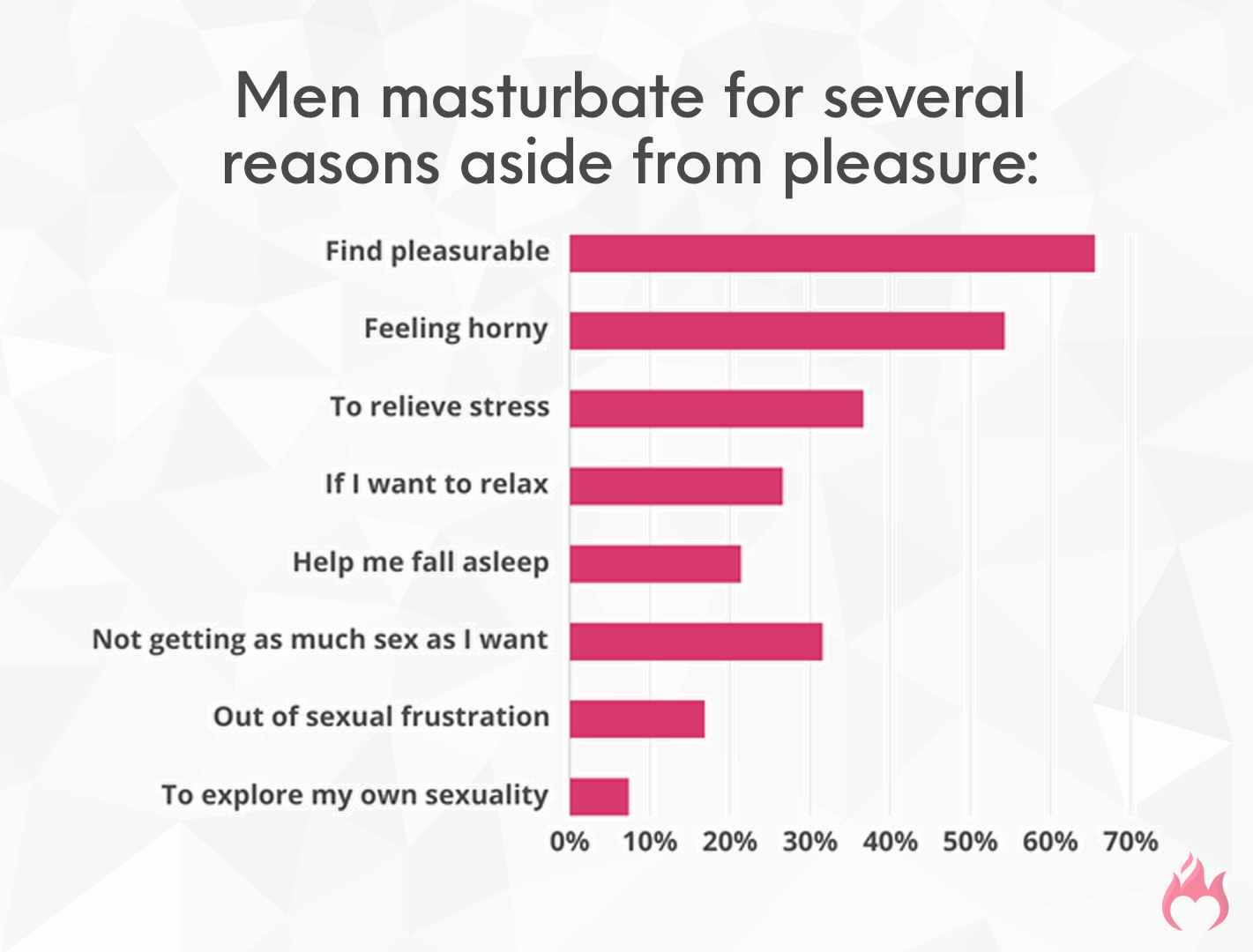
This neurochemical shift provides immediate psychological relief from daily stressors. Many men use masturbation as a constructive tool to release tension, regain emotional focus, and manage mild anxiety symptoms.
Body Awareness and Sexual Self-Knowledge
Masturbation serves as an important avenue for sexual self-discovery. Through self-stimulation, men learn about their specific physical preferences, touch sensitivity, arousal thresholds, and ejaculatory control.
Understanding one's own anatomy and response cycles leads to greater sexual confidence and improved communication with sexual partners. Men who understand how their body reaches climactic thresholds are generally better equipped to manage ejaculatory timing and convey their preferences during partnered intimacy.
Potential Risks and Signs of Excessive Masturbation
While masturbation is inherently safe, excessive frequency or aggressive physical techniques can lead to localized discomfort or psychological issues.
Physical Irritation and Desensitization
The most common physical complications arising from masturbation stem from excessive friction or improper technique:
- Chafing and Skin Lesions: Repeated friction without adequate lubrication can cause painful skin irritation, minor tear abrasions, or penile swelling (edema).
- Temporary Desensitization: Gripping the penis too tightly—a habit sometimes referred to as "death grip syndrome"—can condition the nerve endings in the penile shaft to respond only to extreme pressure. Over time, this can make it difficult to achieve or maintain an erection during partnered intercourse, where pressure is naturally lower and more diffuse.
- Peyronie's Disease Aggravation: While masturbation does not directly cause Peyronie's disease (a condition characterized by painful curvature of the penis due to scar tissue), violent or forcefully bent manipulation during erection can traumatize the tunica albuginea, leading to localized plaque formation.
Compulsive Sexual Behavior Disorder (CSBD)
The World Health Organization recognizes Compulsive Sexual Behavior Disorder in the International Classification of Diseases (ICD-11). Masturbation becomes problematic when it shifts from a healthy, voluntary activity into an uncontrollable compulsion.
Key warning signs that masturbation has become compulsive or problematic include:
- Interference with Daily Responsibilities: Neglecting work, school, social commitments, or family duties to engage in self-stimulation.
- Relationship Strain: Preferring solo masturbation to the complete exclusion of intimacy with a willing partner, or hiding the behavior due to severe relationship conflict.
- Physical Distress: Continuing to masturbate despite feeling physical pain, skin soreness, or open lesions.
- Coping Mechanism Dependency: Relying on masturbation as the only available strategy to manage negative emotions, such as sadness, anger, or boredom.
Debunking Common Myths About Male Masturbation
Historical stigmas and misinformation continue to generate unnecessary worry around male self-stimulation. Modern medical research from organizations like the American Urological Association refutes these long-standing myths.
| Myth | Scientific Fact | Clinical Reality |
|---|---|---|
| Causes Blindness or Blind Spots | False | Masturbation has zero impact on optical nerves or eye structure. |
| Triggers Hair Loss (Alopecia) | False | Male pattern baldness is driven by genetics and dihydrotestosterone (DHT) receptors, not ejaculation frequency. |
| Permanently Lowers Testosterone | False | Testosterone fluctuates briefly during orgasm but returns to baseline within hours; overall baseline levels remain unaffected. |
| Depletes Sperm Count Permanently | False | The testes continuously produce sperm; short-term counts drop briefly after ejaculation but replenish rapidly. |
| Causes Physical Weakness/Stunted Growth | False | Ejaculation does not drain essential body nutrients or impair musculoskeletal development. |
The Testosterone Fallacy
A persistent myth across online fitness forums suggests that abstaining from masturbation ("semen retention") dramatically raises baseline testosterone and enhances physical performance.
Scientific evidence shows that while testosterone levels experience a temporary spike around day seven of complete abstinence, they quickly plateau and return to baseline. Long-term studies confirm that regular masturbation neither reduces overall serum testosterone levels nor hinders muscle growth, strength development, or athletic potential.
How Frequent Is "Normal"? Finding a Healthy Balance
There is no universally prescribed or "medically normal" number of times a man should or can masturbate. Sexual drive (libido) varies widely based on age, genetics, stress levels, overall physical health, and relationship status.
For some men, masturbating multiple times a week or daily is typical and completely healthy. For others, engaging in self-stimulation once a month or not at all feels completely natural.
Rather than focusing on a specific number, health professionals evaluate healthiness based on impact on quality of life. If the practice feels enjoyable, causes no physical discomfort, and does not interfere with personal responsibilities or partnered relationships, the frequency is considered normal for that individual.
When to Consult a Medical Professional
While self-stimulation is generally benign, certain symptoms warrant evaluation by a healthcare provider:
- Persistent Penile Pain: Sharp or dull aching in the shaft, testicles, or pelvic floor during or after ejaculation.
- Blood in the Semen (Hematospermia): While often harmless, finding blood in ejaculatory fluid should be evaluated by a urologist to rule out infections or vascular issues.
- Sudden Erectile Changes: Inability to achieve or maintain an erection adequate for desired sexual activity.
- Severe Guilt or Shame: Psychological distress driven by religious, cultural, or personal beliefs that impairs self-esteem or daily mood.
Primary care doctors, urologists, and licensed sex therapists can provide non-judgmental guidance and tailored treatment plans for both physical and psychological concerns.
Frequently Asked Questions
Can masturbation cause erectile dysfunction (ED)?
No, masturbation itself does not cause physiological erectile dysfunction. However, using extremely tight grip pressure or relying exclusively on specific, unrealistic visual media can create psychological conditioning. This can make achieving erections with a human partner more difficult. Adjusting technique and reducing high-intensity pressure generally restores normal sensitivity.
Does masturbation lower sperm count or cause infertility?
Masturbation causes a temporary, short-term drop in the concentration of sperm stored in the epididymis. However, healthy testes continuously produce millions of new sperm daily. Within 24 to 48 hours, sperm counts return to baseline levels. Masturbation does not cause long-term infertility.
Does masturbation affect athletic performance or workout gains?
There is no medical evidence that ejaculating before athletic activity impairs physical strength, stamina, or muscle growth. While the immediate post-ejaculation refractory period brings temporary relaxation due to prolactin release, energy levels recover quickly. Some athletes prefer to avoid ejaculation immediately prior to competition simply to maintain mental focus.
Is it normal for men in committed relationships to masturbate?
Yes, it is entirely normal and common. Masturbation in a relationship does not inherently signal dissatisfaction with a partner. It often serves distinct purposes, such as quick stress relief, immediate sleep aid, or personal sexual exploration. Open communication with one's partner helps prevent misunderstandings about solo sexual habits.
Why do some men feel guilty after masturbating?
Post-ejaculatory guilt is typically psychological and cultural rather than biological. It often stems from ingrained social stigmas, conservative religious teachings, or personal beliefs that label sexual feelings as harmful. Working with a counselor or mental health provider can help individuals dismantle unhelpful shame cycles and develop a healthy mindset toward sexual wellness.
Practical Recommendations and Summary
Masturbation is an advantageous, normal component of male sexual health when practiced mindfully. To maintain a safe and fulfilling routine:
- Use Adequate Lubrication: Prevent skin friction, tearing, and irritation by using water-based or silicone lubricants designed for sexual health.
- Vary Pressure and Speed: Avoid developing excessive pressure habits ("death grip") to preserve peripheral nerve sensitivity for partnered intimacy.
- Listen to Your Body: If you experience soreness, tenderness, or physical fatigue, take a break for several days to allow tissue recovery.
- Prioritize Balance: Ensure solo sexual activity supports—rather than replaces—your daily responsibilities, social life, and partner relationship goals.
If you ever experience pain, structural changes, or emotional distress regarding your sexual habits, consult a doctor or urologist for clear, confidential clinical guidance.
Image Gallery