Comprehensive Guide to Japan Rural Real Estate and Akiya Acquisitions
Purchasing rural real estate in Japan, particularly "akiya" (abandoned houses), offers a low-cost entry into property ownership for domestic and foreign buyers alike. While Japan has no legal restrictions on foreign land ownership, suc...
Purchasing rural real estate in Japan, particularly "akiya" (abandoned houses), offers a low-cost entry into property ownership for domestic and foreign buyers alike. While Japan has no legal restrictions on foreign land ownership, success requires navigating local akiya banks, understanding complex agricultural land laws, and budgeting for significant renovation costs and ongoing fixed asset taxes.
Contents
The Landscape of Rural Japan Real Estate in 2026
As of 2026, the Japanese rural real estate market continues to be defined by a massive surplus of inventory. According to data trends from the Ministry of Internal Affairs and Communications, the number of vacant dwellings (akiya) has surpassed 10 million nationwide. This surplus is driven primarily by Japan’s aging population and the continued migration of younger generations to metropolitan hubs like Tokyo, Osaka, and Fukuoka.
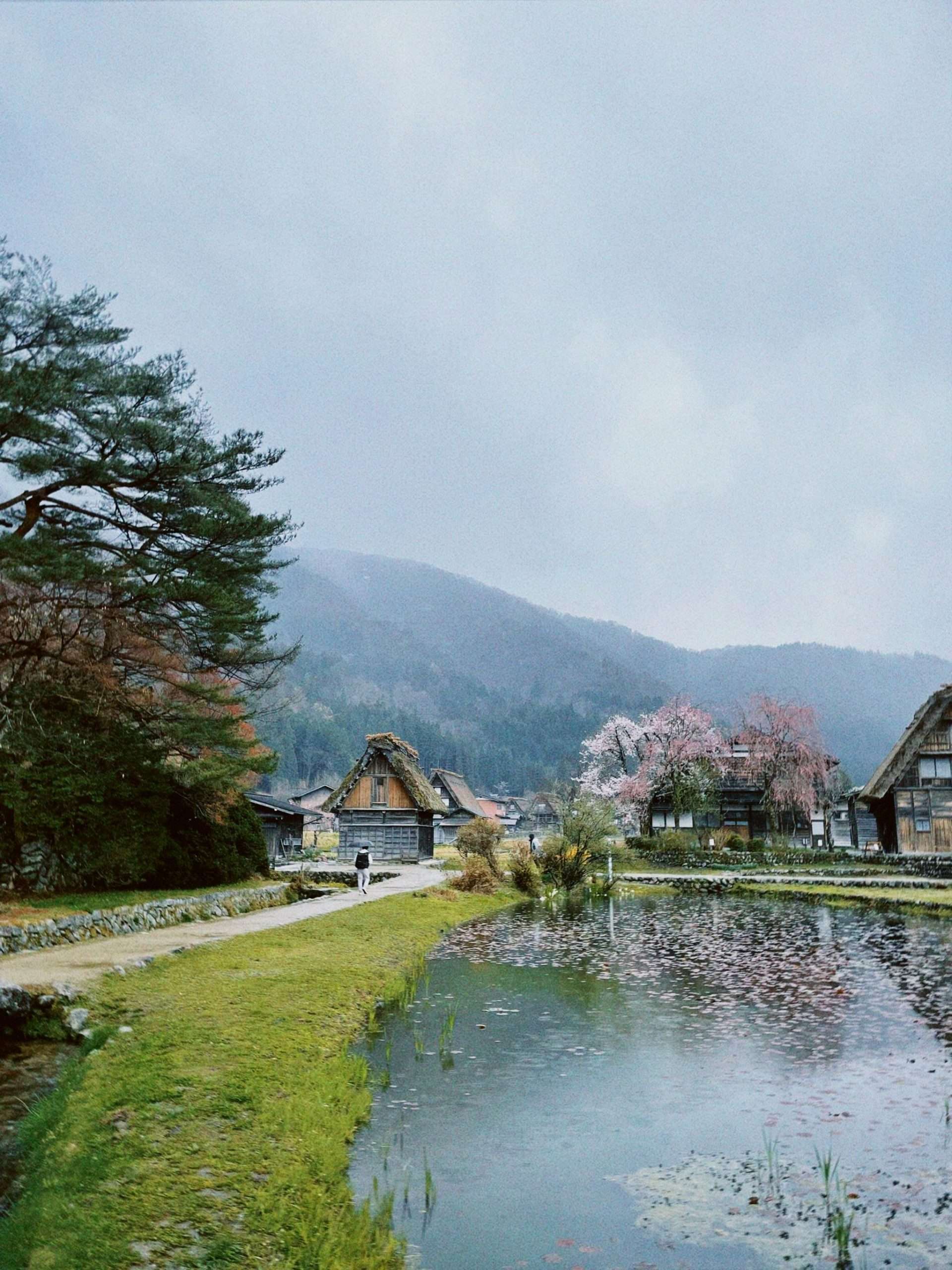
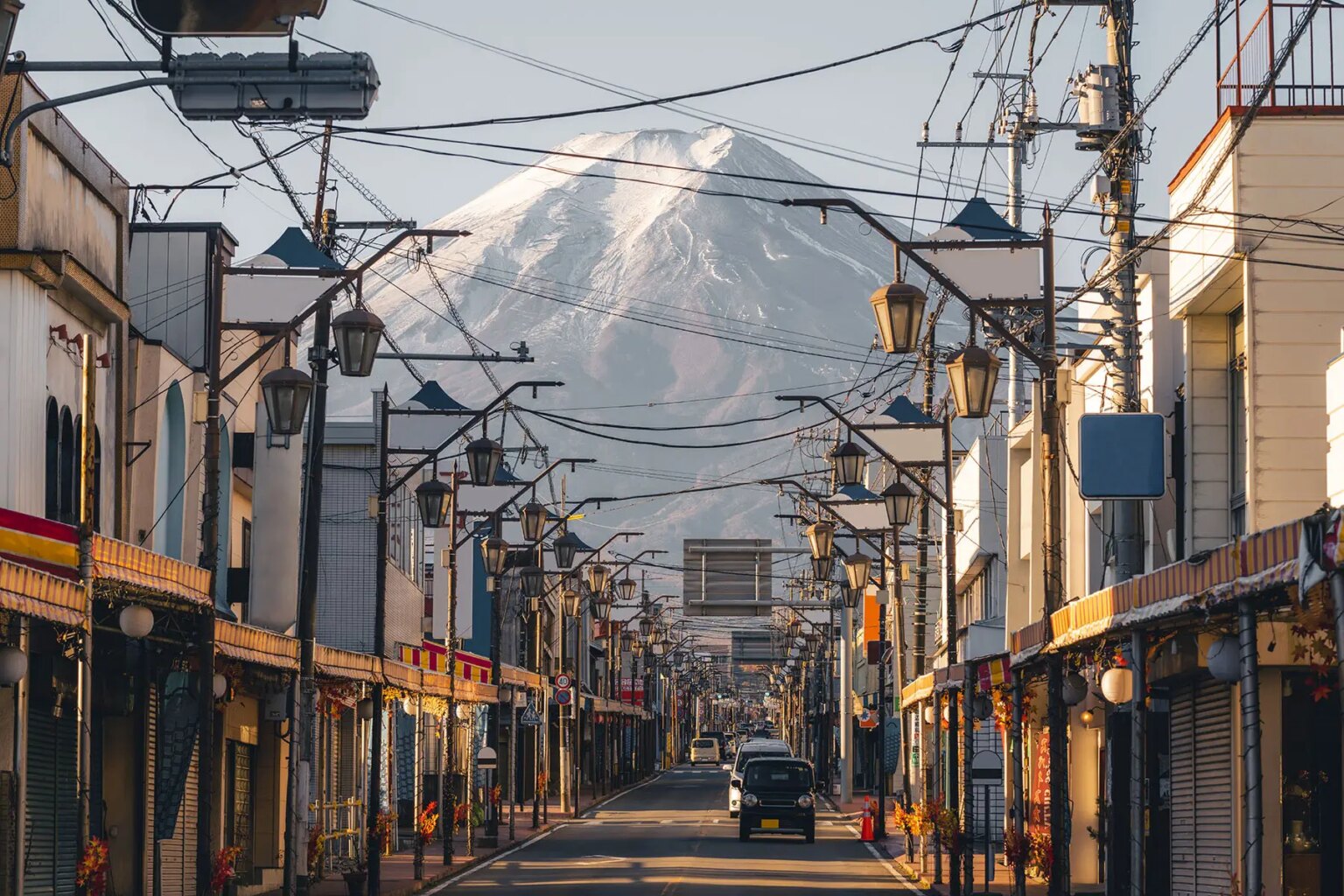
For a prospective buyer, this creates a unique "buyer's market" where the primary hurdle is not the purchase price, but the long-term viability and maintenance of the asset. Rural properties are frequently located in areas experiencing "shutter towns" (commercial decline), yet they offer high-quality traditional architecture, such as kominka (traditional farmhouses), at a fraction of the cost of urban condos.
The 2026 market is also shaped by the "Telework Era." High-speed fiber optic expansion and satellite internet services have made remote work viable in even the most mountainous regions of Nagano, Gifu, and Hokkaido. Consequently, demand is bifurcated: properties in "accessible rural" areas (within two hours of a major city) are seeing slight price stabilization, while "deep rural" properties continue to depreciate.
Legal Requirements and Foreign Ownership Rights
Japan remains one of the most liberal real estate markets in Asia regarding foreign ownership. Unlike many neighboring countries, Japan allows non-residents and foreign nationals to own both the structures and the land beneath them in perpetuity (freehold).
The Foreign Exchange and Foreign Trade Act
While ownership is permitted, the Ministry of Finance requires certain reporting under the Foreign Exchange and Foreign Trade Act. If a non-resident purchases real estate, they must typically file a report with the Bank of Japan within 20 days of the transaction if the purchase price exceeds certain thresholds or if the land is of strategic importance.
Visa Status vs. Property Ownership
A common misconception is that purchasing rural real estate grants the buyer a residency visa. As of 2026, there is no "Golden Visa" equivalent tied directly to property acquisition in Japan. Ownership is a private civil right, whereas residency is a separate administrative process. Owners must still comply with standard tourist visa durations or apply for Business Manager, Highly Skilled Professional, or Long-Term Resident visas through traditional channels.
Mandatory Inheritance Registration
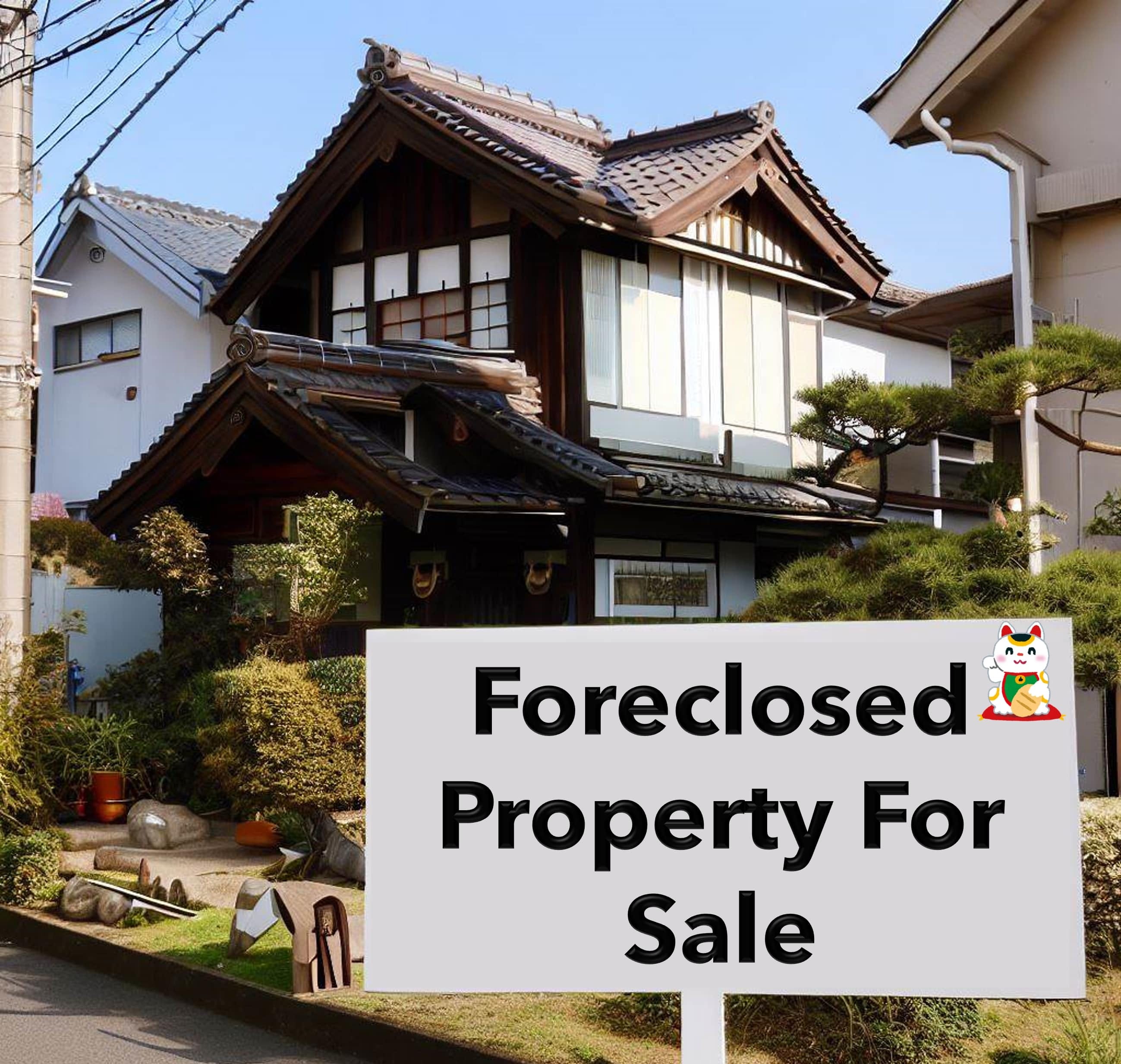
In 2024, the Japanese government implemented a law making the registration of inherited property mandatory. By 2026, this has significantly improved the "cleanliness" of titles in rural areas. Previously, many rural properties had "untraceable owners" because families skipped registration to avoid taxes. The new penalties for non-registration have forced many families to settle titles and list properties for sale, increasing the supply of legally "clear" real estate.
Understanding the Akiya Bank System
Most rural real estate transactions occur through "Akiya Banks." These are not actual financial institutions but are online databases managed by local municipal governments (City Halls).
- Function: They connect owners of abandoned or vacant homes with potential buyers.
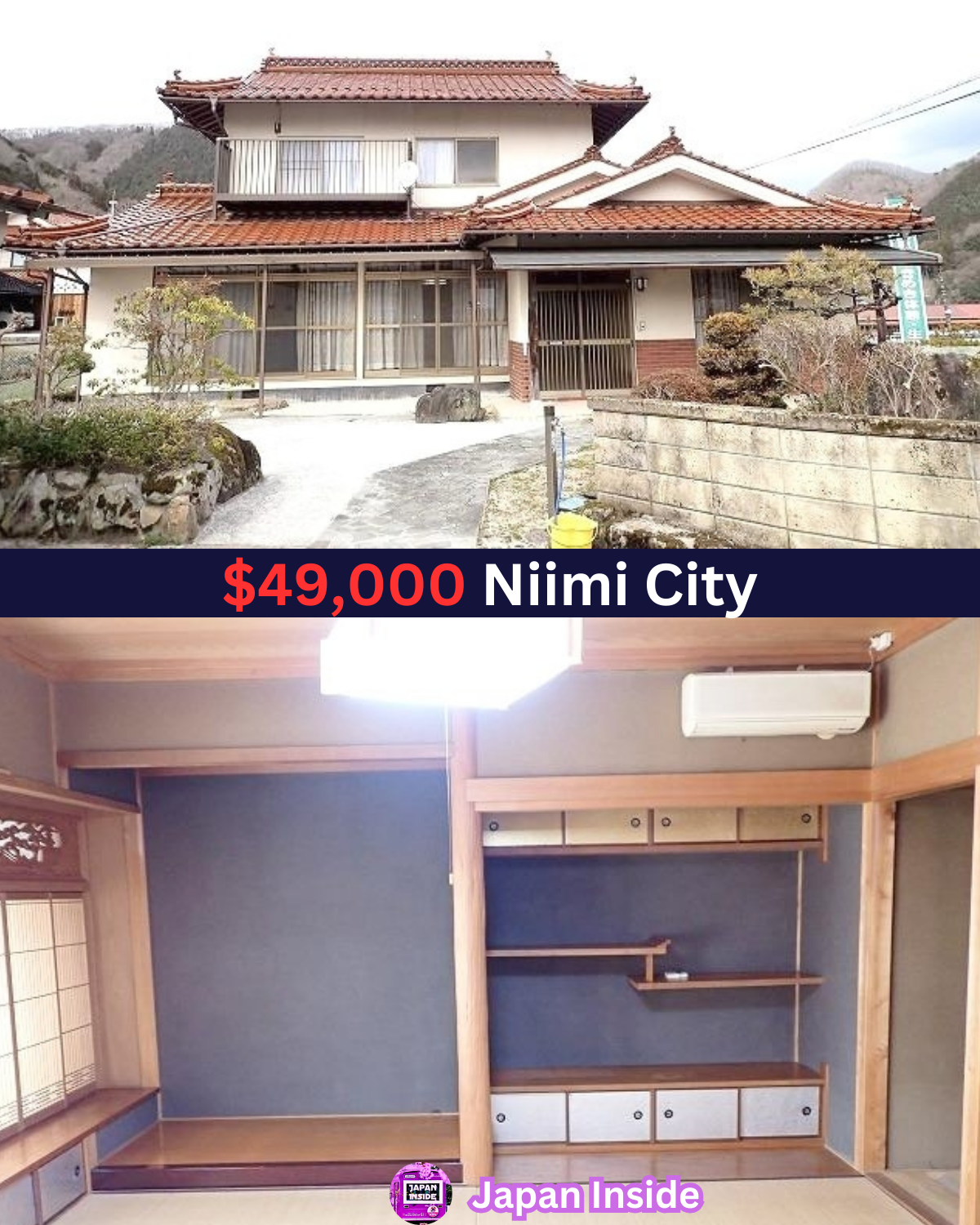
- Pricing: Prices on Akiya Banks are often significantly lower than commercial listings on portals like Suumo or Lifull Home's. Some properties are even listed for "zero yen" (free), though these usually come with significant "hidden" costs.
- Local Involvement: Because these are government-run, the process often involves an interview with local officials. Municipalities are not just looking for buyers; they are looking for residents who will contribute to the local community, pay taxes, and maintain the landscape.
To access these, search for the name of a specific prefecture or town followed by "Akiya Bank" (空き家バンク). While some larger prefectures (like Nagano) have consolidated portals, many smaller towns still maintain individual, Japanese-language-only websites.
The Financial Reality: Costs Beyond the Purchase Price
The "sticker price" of a rural Japanese home is often misleading. Buyers must account for transaction taxes, professional fees, and significant renovation budgets.
Initial Acquisition Costs
| Cost Component | Typical Rate/Amount | Notes |
|---|---|---|
| Brokerage Fee | 3% + 60,000 JPY | Regulated by law; applied to both buyer and seller. |
| Registration & License Tax | 1.5% - 2.0% | Based on the property's "Assessed Value" (hyoka-gaku). |
| Real Estate Acquisition Tax | 3% - 4% | A one-time tax issued by the prefecture months after purchase. |
| Judicial Scrivener Fee | 50,000 - 150,000 JPY | For handling the legal transfer of title (touki). |
| Stamp Duty | 5,000 - 30,000 JPY | Dependent on the contract price. |
Ongoing Ownership Costs
Once the property is acquired, the owner is liable for the Fixed Asset Tax (kotei shisan zei) and the City Planning Tax. In rural areas, these are generally low because the assessed value of the land is minimal. However, if a house is demolished, the land tax can actually increase significantly, as "residential land" with a standing structure receives a heavy tax discount.
The Renovation "Trap"
Many rural properties built before 1981 do not meet current earthquake resistance standards (shin-taishin). Renovating a traditional kominka to modern standards for insulation, plumbing, and seismic safety can easily cost between 10 million and 25 million JPY. Furthermore, finding licensed contractors willing to travel to remote rural areas is becoming increasingly difficult and expensive in 2026 due to labor shortages in the construction sector.
Critical Challenges: Agricultural Land and Resale
One of the most significant barriers in rural Japan is the Agricultural Land Act. Much of the land surrounding rural houses is classified as nouchi (farmland).
- Strict Controls: You cannot simply buy farmland. Acquisition requires permission from the local Agricultural Committee (Nogyo Iinkai).
- Farmer Status: To get permission, you generally must prove you are a farmer or intended to farm at a certain scale, which involves specific qualifications and minimum land use requirements.
- Conversion: Converting farmland into residential land (takuchi) is possible but strictly regulated and often denied in "Agricultural Promotion Areas."
Prospective buyers should ensure the property's "Land Category" (chumoku) is listed as "Residential" before proceeding, or they may find themselves owning a house but being legally unable to own the garden surrounding it.
Furthermore, buyers must accept that rural real estate in Japan is generally a "depreciating asset." Unlike in the US or UK, where property values tend to rise over time, rural Japanese houses are often valued at zero after 22–30 years. The purchase should be viewed as a lifestyle choice or a "consumption" of housing, rather than a speculative financial investment.
Practical Steps for Acquisition
- Define Your Region: Focus on climate and accessibility. Hokkaido offers vast land but brutal winters; Kyushu is warmer but prone to typhoons.
- Engage a Judicial Scrivener (Shiho Shoshi): This is the most important professional in your transaction. They verify the title and ensure there are no hidden liens or unresolved inheritance claims.
- Conduct a "Home Inspection": Professional inspections are still relatively new in Japan. It is vital to check for termites (shiroari), water damage in the foundation, and roof integrity.
- Local Community Consent: In small Japanese villages (buraku), your neighbors have a massive impact on your quality of life. Some areas have "neighborhood associations" (jichikai) with mandatory fees and community work days (cleaning gutters, mowing roadsides).
- Finalize the Sales Contract: Ensure the contract is translated. While the Ministry of Land, Infrastructure, Transport and Tourism (MLIT) provides standard templates, rural contracts may have specific clauses regarding communal water rights or forest management.
Comparison: Rural Akiya vs. Regional City Real Estate
| Feature | Rural Akiya (Deep Rural) | Regional City (e.g., Shizuoka, Okayama) |
|---|---|---|
| Price Range | 0 - 5,000,000 JPY | 15,000,000 - 40,000,000 JPY |
| Infrastructure | Often septic tank/well water | Public sewer/city water |
| Resale Potential | Extremely Low | Moderate |
| Maintenance | High (Vegetation/Wildlife) | Low to Moderate |
| Access | Car mandatory | Public transit available |
Frequently Asked Questions
Can I get a mortgage for a rural property in Japan as a foreigner?
Securing a mortgage for a rural property—especially an akiya—is extremely difficult for non-residents and even for foreign residents without permanent residency (eijuusha). Japanese banks generally view rural properties as having zero collateral value. Most rural acquisitions are conducted as "cash buys."
Are there government subsidies for renovating old houses?
Yes, many local municipalities offer subsidies ranging from 500,000 to 2,000,000 JPY for earthquake retrofitting, insulation upgrades, or for "young families" moving into the area. These programs vary wildly by town and often require using local contractors.
What is the "Zero Yen" property catch?
A "zero yen" property usually has a "negative value." This means the cost of back taxes, the cost of demolishing a structure that is a safety hazard, or the cost of clearing overgrown land exceeds the market value of the property. Always perform a title search to check for unpaid taxes before accepting a "free" house.
Is it possible to manage a rural property while living abroad?
It is difficult. In rural Japan, vegetation grows at an incredible rate during the summer. If a property is left untended, it can become a fire hazard or a nuisance to neighbors, leading to fines or forced intervention by the local government. You will likely need to hire a local management company or a neighbor to maintain the exterior.
How do I check for "Hazard Zones" in rural areas?
Japan is prone to landslides and flooding. You should always check the "Hazard Map" (hazado mappu) provided by the local city hall. These maps detail areas at risk of dousekiryu (mudflows) and flooding. Properties in "Red Zones" (high risk) may be impossible to insure or rebuild in the future.
Final Recommendation
For those seeking a rural life in Japan in 2026, the most sustainable path is to target "Regional Cities" or their outskirts rather than "Deep Rural" areas. This provides a balance of low-cost housing with access to hospitals, stores, and reliable infrastructure. If you are determined to purchase a traditional kominka or an akiya, ensure you have a "Renovation Reserve" at least double the purchase price and hire a bilingual judicial scrivener to verify that the property title is clear of historical inheritance complications.
Image Gallery