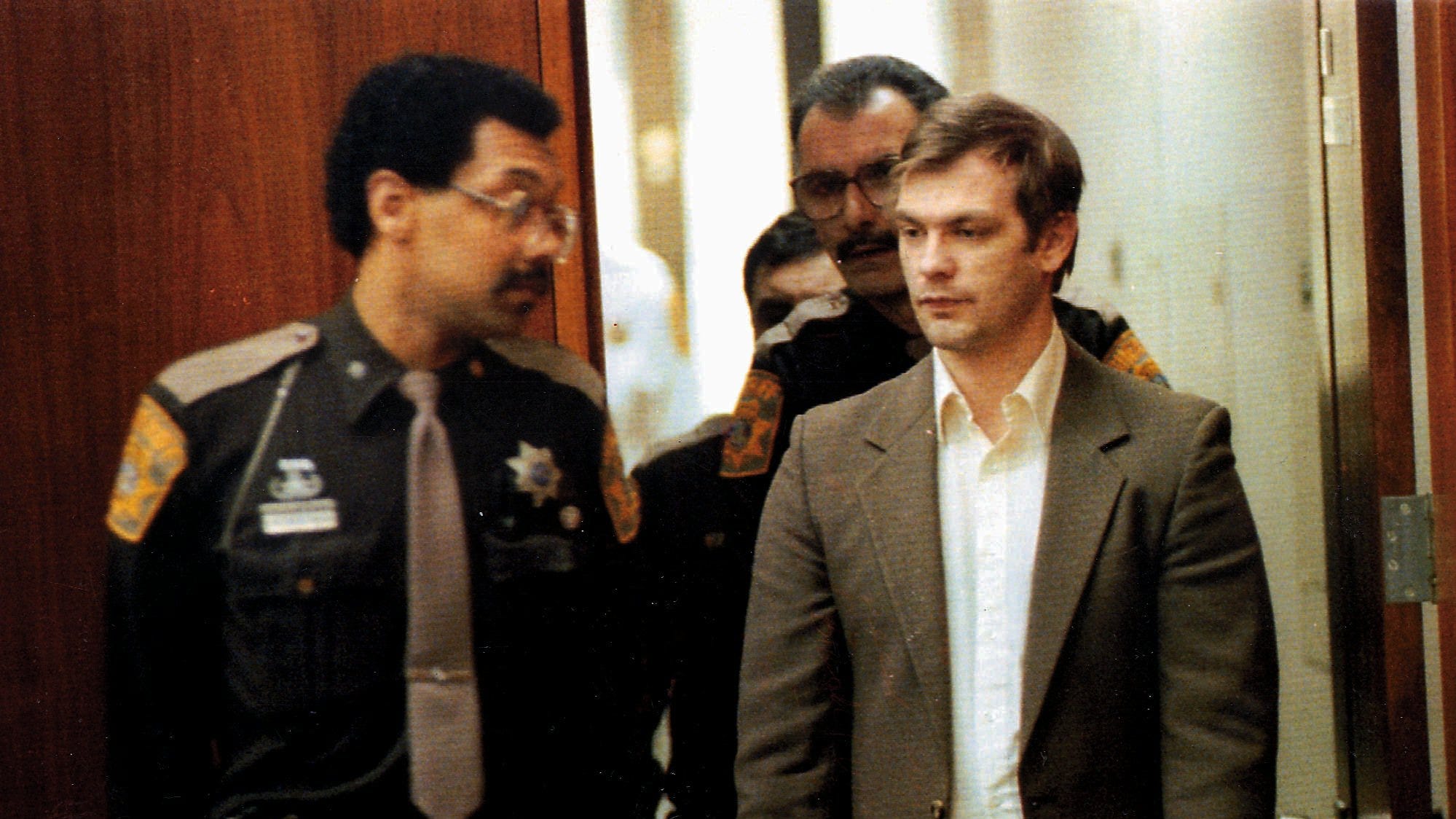
Billy Capshaw and the Jeffrey Dahmer Case: The Untold Military Allegations
Billy Capshaw was a fellow soldier and roommate of Jeffrey Dahmer during their deployment in West Germany from 1979 to 1981. Capshaw has come forward with detailed allegations of extreme physical, psychological, and sexual abuse perpet...
Billy Capshaw was a fellow soldier and roommate of Jeffrey Dahmer during their deployment in West Germany from 1979 to 1981. Capshaw has come forward with detailed allegations of extreme physical, psychological, and sexual abuse perpetrated by Dahmer during their time in the Army. These accounts provide a critical window into Dahmer's early escalations and the missed opportunities for intervention by military authorities.
Contents
The Historical Context: Dahmer’s Transition to the Military
To understand the connection between Billy Capshaw and Jeffrey Dahmer, one must look at the timeline following Dahmer’s first murder. In June 1978, Jeffrey Dahmer murdered Steven Hicks in Ohio. Following a period of heavy drinking and academic failure at Ohio State University, Dahmer’s father, Lionel Dahmer, pressured him to enlist in the United States Army.
Dahlmer enlisted in January 1979 and was trained as a combat medic at Fort Sam Houston. By July 1979, he was stationed in Baumholder, West Germany, assigned to the 2nd Battalion, 59th Air Defense Artillery. It was here that he met Billy Capshaw, a young recruit from Texas who was only 17 years old when he entered the service.
The Baumholder military base at the time was known for its isolation and high rates of alcohol consumption among troops. For Dahmer, this environment provided a veil of secrecy. While the public history of Dahmer often skips from his first murder in 1978 to his spree in Milwaukee starting in 1987, Capshaw’s testimony fills a nearly two-year gap that suggests Dahmer was actively predatory long before his return to the United States.
The Relationship Between Billy Capshaw and Jeffrey Dahmer
Billy Capshaw and Jeffrey Dahmer were assigned as roommates in the barracks at Baumholder. According to Capshaw, the relationship was not one of mutual friendship but one of terror. Capshaw describes himself as a "small, scrawny kid" who was easily intimidated by the older, larger Dahmer.
The dynamic was defined by a severe power imbalance. Dahmer was not only physically stronger but utilized his medical training and access to pharmaceutical substances to maintain control. Capshaw’s accounts suggest that the barracks environment—often unsupervised and fueled by the pervasive "drinking culture" of the Cold War-era military—allowed Dahmer to operate without fear of discovery.
Nature of the Allegations
Capshaw’s allegations, which gained significant public attention following the release of various documentaries and the 2022 Netflix dramatization of Dahmer's life, include:
- Systematic Drugging: Capshaw claims that Dahmer frequently drugged him, using substances he had access to as a medic. This resulted in periods of consciousness where Capshaw was paralyzed or semi-conscious but unable to resist.
- Physical Restraint: There are reports of Capshaw being bound to his bunk, a precursor to the "shackling" techniques Dahmer would later use on his victims in Milwaukee.
- Sexual Assault and Torture: Capshaw alleges he was subjected to repeated sexual violence. He has described instances of extreme cruelty that left him with long-term physical and psychological trauma.
- Psychological Warfare: Dahmer reportedly used threats and his "nice guy" persona to gaslight Capshaw and ensure he did not report the incidents to their commanding officers.
Why the Military Failed to Intervene
One of the most pressing questions regarding Billy Capshaw and the Jeffrey Dahmer case is why the U.S. Army did not detect or stop the abuse. Several factors contributed to this systemic failure:
The "Alcoholic" Cover
Dahmer’s primary struggle in the eyes of his superiors was his alcoholism. He was known to be a heavy drinker, often showing up to duty intoxicated. In the military culture of 1980, alcoholism was frequently treated with a "slap on the wrist" or eventual discharge rather than an intensive psychological investigation. Dahmer was eventually given an honorable discharge in March 1981 under the "Failure to Adapt" and alcohol abuse criteria.
The Stigma of Reporting
For Billy Capshaw, reporting the abuse carried immense risk. During that era, admitting to being a victim of same-sex sexual assault within the military carried a heavy stigma and could result in the victim being discharged or harassed. Capshaw has stated in interviews that he feared no one would believe him, especially given Dahmer’s ability to appear calm and articulate when confronted by authority figures.
Lack of Oversight
The 59th Air Defense Artillery was a high-stress unit. The focus of the leadership was on Cold War readiness and the maintenance of anti-aircraft systems. Internal barracks discipline was often left to lower-ranking non-commissioned officers who may have overlooked "roughhousing" or strange behavior as long as the soldiers were present for formation.
Comparing Baumholder to the Milwaukee Crimes
The allegations made by Billy Capshaw are significant because they demonstrate that Dahmer’s modus operandi was developed much earlier than previously thought. Many criminologists who have reviewed Capshaw’s claims note the striking similarities between the behavior in West Germany and the later crimes in Milwaukee:
| Feature | Baumholder Allegations (1979-1981) | Milwaukee Crimes (1987-1991) |
|---|---|---|
| Method of Control | Use of drugs/sedatives to incapacitate. | Use of Halcion/sleeping pills in drinks. |
| Restraint Type | Tying to bunk beds/barracks furniture. | Use of handcuffs and physical ligatures. |
| Victim Profile | Younger, smaller, or vulnerable peers. | Young men, often from marginalized groups. |
| Legal Outcome | Honorable Discharge (Alcoholism). | Life imprisonment (15 consecutive terms). |
| Authority Interaction | Evaded detection via "polite" demeanor. | Evaded detection via manipulation of police. |
This comparison suggests that the time Dahmer spent in West Germany was not a period of dormancy, but rather a "testing ground" where he refined the techniques of drugging and subduing victims.
Billy Capshaw’s Path to Advocacy and Healing
For decades, Billy Capshaw remained silent about his experiences in West Germany. It was only as he approached later life, and as the public fascination with Dahmer reached a fever pitch in the early 2020s, that he felt compelled to speak his truth.
As of 2026, Capshaw has become a vocal advocate for veterans who have suffered from Military Sexual Trauma (MST). His story has highlighted the need for better psychological screening in the military and a more robust reporting system that protects victims rather than punishing them.
Impact of the 2022 Netflix Series
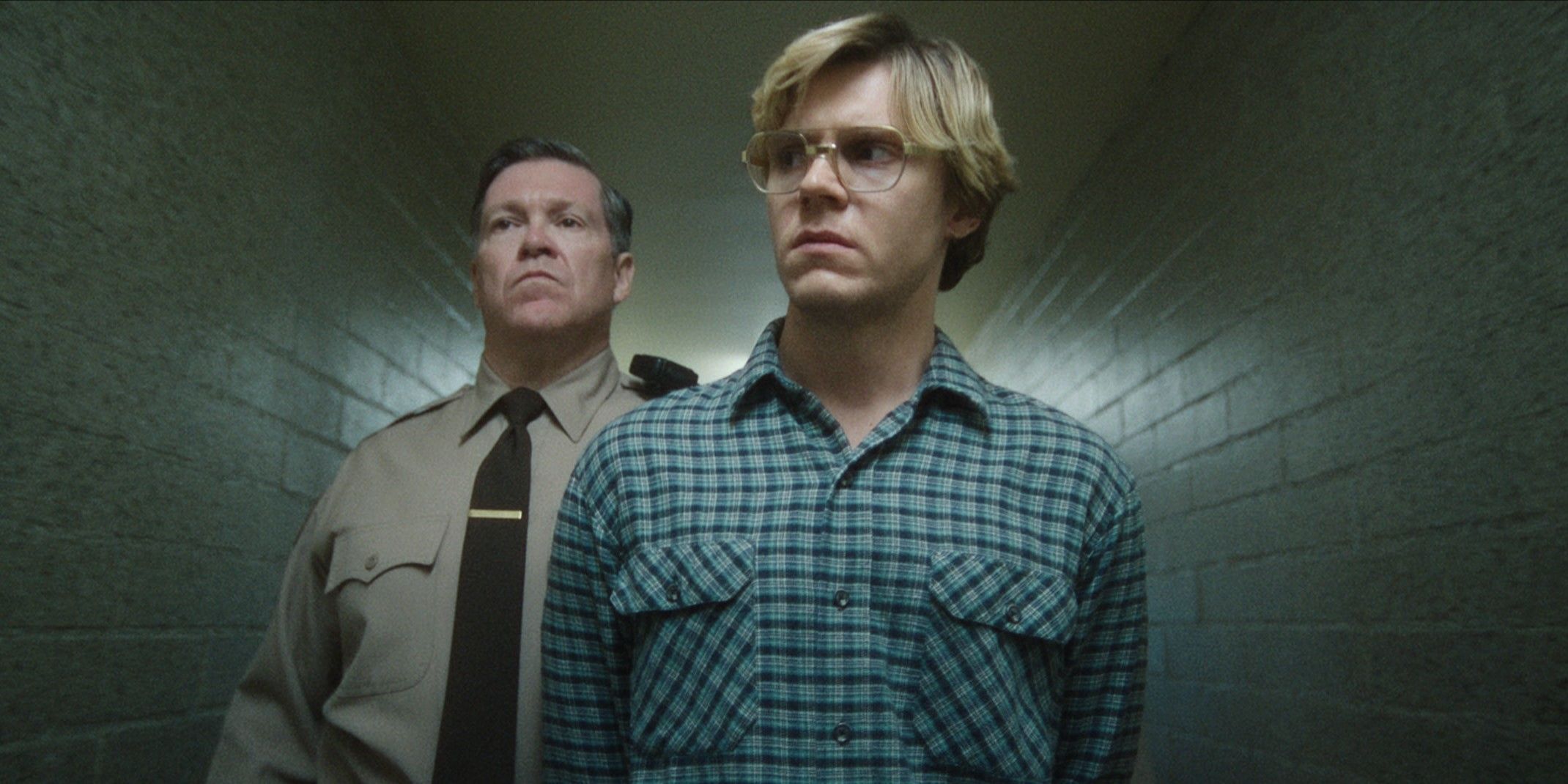
The release of the series Monster: The Jeffrey Dahmer Story acted as a catalyst for Capshaw. While the series focused heavily on the Milwaukee victims, it prompted survivors and those who knew Dahmer in the military to come forward. Capshaw has expressed both the pain of reliving the trauma and the necessity of ensuring that the "military gap" in Dahmer's history is acknowledged by historians and criminal psychologists.
Legal and Medical Limitations
It is important to note that while Billy Capshaw’s accounts are detailed and consistent, Jeffrey Dahmer was never charged or convicted for the alleged crimes in West Germany. Dahmer was killed in prison in 1994, meaning there is no opportunity for a legal rebuttal or a criminal trial regarding these specific claims.
From a medical perspective, Capshaw has been diagnosed with severe Post-Traumatic Stress Disorder (PTSD) related to his military service. His efforts to seek compensation and recognition from the Department of Veterans Affairs (VA) have been part of a broader struggle faced by many survivors of MST from the pre-1990s era.
Frequently Asked Questions
Did Jeffrey Dahmer kill anyone while in the Army?
There is no verified evidence that Jeffrey Dahmer committed murder while stationed in West Germany. While Billy Capshaw alleges severe abuse and torture, no missing persons cases or unsolved homicides in the Baumholder area from 1979 to 1981 have been definitively linked to Dahmer. However, some researchers remain skeptical given his prior murder of Steven Hicks.
Was Billy Capshaw the only victim in Germany?
Capshaw has suggested that he may not have been the only one, but he is the only soldier from that unit who has come forward with such extensive and specific allegations of abuse. Other soldiers from the unit have recalled Dahmer’s strange behavior and his "zombie-like" state due to alcoholism, but have not corroborated specific acts of violence against others.
Why was Jeffrey Dahmer honorably discharged?
Dahmer received an honorable discharge (specifically under provisions for alcohol abuse and failure to meet military standards) because his command viewed his issues as medical and behavioral rather than criminal. At the time, his superiors were unaware of the 1978 murder or the alleged abuse of Capshaw.
How did Billy Capshaw eventually go public?
Capshaw began sharing his story in detail through independent documentaries and interviews with major news outlets around 2021 and 2022. He has stated that his goal is to provide a complete record of Dahmer’s history and to bring attention to the failures of the military justice system.
What is the current status of Billy Capshaw’s claims?
As of 2026, Capshaw’s story is widely accepted in the true crime community as a credible account of Dahmer’s early predatory behavior. His testimony is frequently cited in updated biographies and psychological profiles of Dahmer to explain the progression of his pathology.
Final Recommendation
For those researching the life of Jeffrey Dahmer, it is essential to look beyond the Milwaukee years. The testimony of Billy Capshaw serves as a vital historical record of how early warning signs can be missed by institutional structures. Readers interested in the systemic issues of military oversight should consult resources regarding Military Sexual Trauma (MST) and the history of the Uniform Code of Military Justice (UCMJ) during the Cold War era to understand the environment that allowed such events to occur.
Image Gallery