US Post Office Mail Drop Guide: Rules, Collection Times, and Drop Box Locations
A United States Postal Service (USPS) mail drop—commonly referred to as a blue collection box, lobby drop slot, or package drop receptacle—allows senders to deposit pre-paid letters and parcels for pickup. Mail items bearing paper post...
A United States Postal Service (USPS) mail drop—commonly referred to as a blue collection box, lobby drop slot, or package drop receptacle—allows senders to deposit pre-paid letters and parcels for pickup. Mail items bearing paper postage stamps that weigh over 10 ounces or exceed one-half inch in thickness cannot be placed in outdoor collection boxes and must be presented in person to a postal clerk.
Contents
Understanding USPS Mail Drop Options: Blue Boxes vs. Lobby Drops
The United States Postal Service operates several distinct types of collection receptacles designed for varying mail volumes, item sizes, and security levels. Selecting the appropriate mail drop ensures timely dispatch and prevents processing delays or security rejections under postal regulations.
Outdoor Blue Collection Boxes
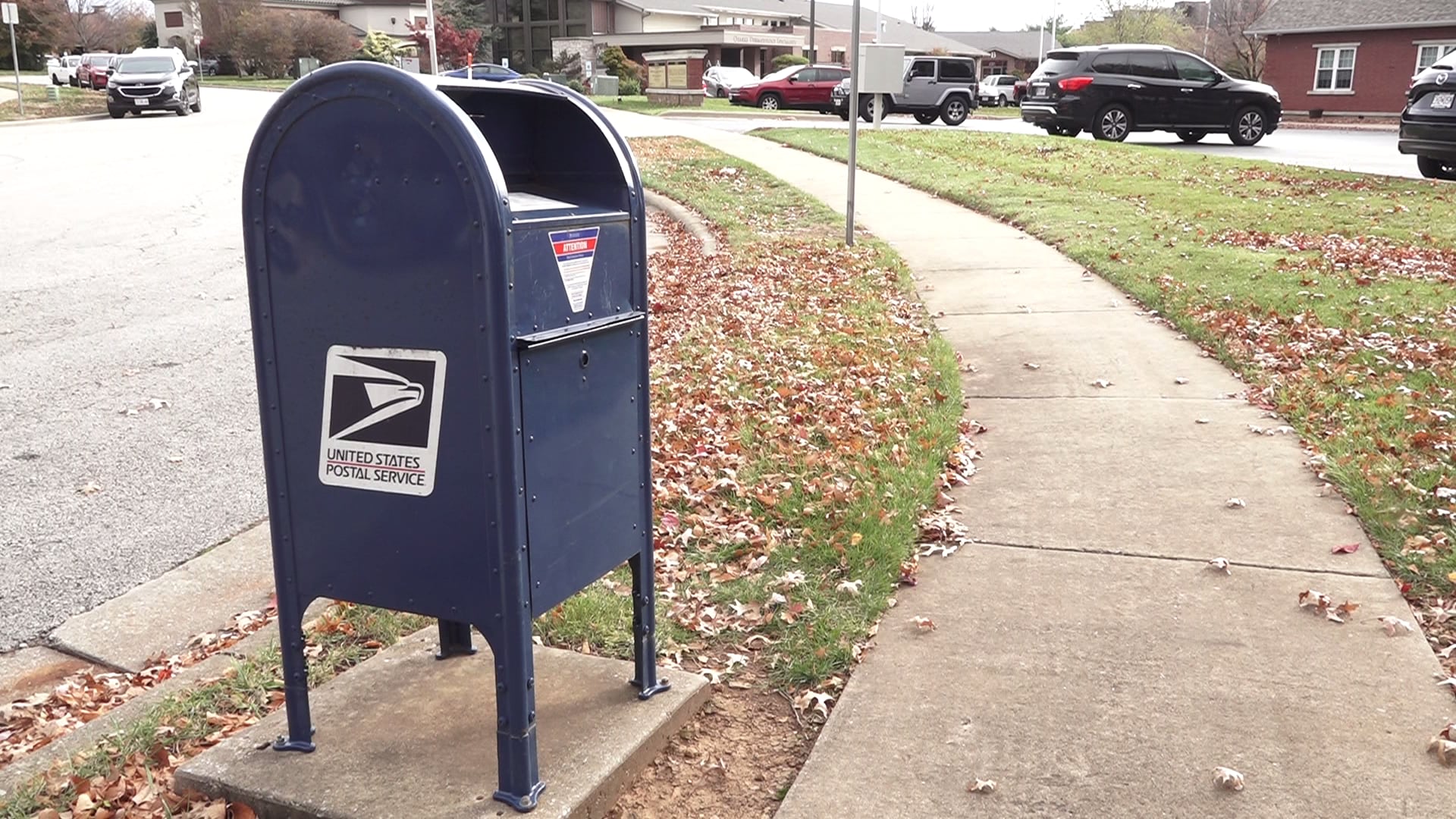
Blue street collection boxes are standard receptacles positioned on public sidewalks, near municipal centers, and outside post office facilities. These receptacles feature a pull-down hopper door engineered to prevent weather intrusion and unauthorized retrieval. Blue collection boxes accept standard letters, post cards, and small pre-paid packages. However, physical opening dimensions limit item volume, and strictly enforced security regulations govern what items may be deposited inside them.
Indoor Post Office Lobby Mail Drops
Located inside the service lobbies of USPS retail facilities, indoor mail drops provide direct internal access to postal sorting areas. These drops typically feature separate slots for First-Class letters, Priority Mail, and local zip codes. Because indoor lobby drops sit within secure postal facilities, they offer higher security against vandalism and climate elements compared to outdoor street boxes. Many post office lobbies remain open 24 hours a day, allowing after-hours deposits even when retail counters are closed.
Automated Package Drop Receptacles and Self-Service Kiosks
To accommodate growing e-commerce shipping volumes, many post office facilities feature dedicated package drop drums or automated Self-Service Kiosks (SSKs). These heavy-duty drop receptacles handle larger boxes bearing pre-printed electronic postage labels. When paired with a Self-Service Kiosk, customers can scan package bar codes to generate an immediate initial acceptance receipt before dropping the parcel into the secure collection drum.
USPS Drop-Off Regulations and Weight Limits
Postal security frameworks established by the United States Postal Inspection Service mandate strict rules regarding physical mail drops. Non-compliance can result in items being returned to sender or delayed for safety inspection.
Anonymous Mail Security Mandate Under USPS Domestic Mail Manual (DMM) security rules, any mailpiece bearing only paper postage stamps that weighs more than 10 ounces or measures more than one-half inch in thickness is classified as Anonymous Mail. Senders cannot deposit these items in blue street collection boxes or lobby drop slots. They must be presented directly to a USPS retail clerk at a post office counter.
Prepaid Shipping Labels vs. Postage Stamps
The strict weight restrictions applied to stamped mail do not apply to packages utilizing barcoded, pre-paid postage generated online. Electronic postage contains traceable customer account data, satisfying postal security criteria. Senders using official electronic postage channels—such as USPS Click-N-Ship or authorized postage vendor platforms—may deposit packages of any weight into dedicated package drops or blue collection boxes, provided the items physically fit without forcing the drop mechanism.
Hazardous Materials and Restricted Contents
USPS regulations strictly prohibit dropping hazardous materials (HAZMAT) into standard mail drops. Prohibited drop items include:
- Lithium-ion batteries not properly installed within equipment or exceeding package limits.
- Flammable liquids, perfume containing alcohol, aerosols, and matches.
- Biological substances, medical waste, or regulated chemical compounds.
- Firearms, ammunition, and explosive materials.
All HAZMAT shipments requiring surface transportation labels (such as Ground Advantage with Hazardous Materials declarations) must be declared at a retail counter to ensure proper handling and placarding.
How Collection Times and Pickup Schedules Work
Every public USPS collection box displays a physical schedule decal on its front hopper face or side panel. This decal lists the precise pickup times authorized for that specific location.
Reading the Collection Schedule Decal
The schedule plate indicates Monday through Friday collection times, Saturday schedule modifications, and explicitly notes whether Sunday or federal holiday collection occurs. If a blue box displays a single morning time (for example, 9:00 AM), mail deposited after that time will not be retrieved until the following business day. Fast-transit arterial boxes located outside central processing hubs often feature multiple daily collection times, ending with a late-afternoon or early-evening final collection (frequently between 4:30 PM and 6:00 PM).
Local Pickup Cut-Off Times and Express Mail
For time-sensitive shipments like Priority Mail Express, relying on a street collection box can lead to missed service guarantees. Priority Mail Express items deposited in a blue box after the posted Express cut-off time will not meet overnight delivery deadlines. To secure guaranteed delivery schedules, customers should present Priority Mail Express directly to a retail clerk before the facility's daily Express cut-off hour.
Detailed Comparison: USPS Mail Drop Channels and Capabilities
| Drop Location Type | Accepted Postage Types | Weight & Size Limits | Security Level | Pickup Frequency |
|---|---|---|---|---|
| Outdoor Blue Collection Box | Stamps (under 10 oz & 1/2" thick) or Pre-paid Barcoded Labels | Must fit hopper slot; max 10 oz for stamped mail | Moderate (Outdoor, tamper-resistant lock) | 1 to 2 times daily (Mon–Sat) |
| Indoor Lobby Slot | Stamps (under 10 oz & 1/2" thick) or Pre-paid Barcoded Labels | Restricted by slot width (typically letter/flat size) | High (Inside facility structure) | Multiple times daily during processing shifts |
| Lobby Package Drop Drum | Pre-paid Barcoded Labels Only (Click-N-Ship, Commercial) | Varies by drum opening; max weight up to 70 lbs if item fits | High (Monitored internal postal lobby) | Daily at facility close or continuous shift sorting |
| Self-Service Kiosk Drop | Pre-paid Labels & Kiosk-Printed Barcoded Postage | Receptacle bin size limit (up to 70 lbs physical load) | High (Kiosk integration with receipt tracking) | Cleared continuously during operating hours |
| Post Office Retail Counter | All Postage Types (Stamps, Metered, HAZMAT, Manual Payment) | Up to 70 lbs; up to 108 inches combined length + girth | Highest (Direct chain-of-custody handoff) | Immediate real-time acceptance scan |
Step-by-Step Guide to Safely Dropping Off Mail and Packages
Following a standardized procedure prevents lost items, rejected packages, and unexpected delivery delays when using postal mail drops.
Step 1: Verify Postage and Label Accuracy
Ensure your package displays complete recipient and return address details. If using printable shipping labels, place the label flat on the largest side of the box, ensuring tape does not cover or obscure barcode scan lines. Confirm that the selected service level matches the weight and dimensions of the container.
Step 2: Confirm Physical Weight and Postage Type
Weigh your item before heading to the collection box. If using traditional paper postage stamps and the package weighs 10.1 ounces or more, do not place it in a collection box. Set it aside for retail counter presentation. If using digital postage with a scannable barcode, verify that the postage balance fully covers the package weight.
Step 3: Locate an Appropriate Drop Receptacle
Use official USPS location finder tools to identify an authorized mail drop. Select a location that offers collection hours suited to your schedule:
- For standard letters: Any street blue box or lobby letter drop.
- For pre-paid packages: An indoor package collection drum or blue box with a large drop hopper.
- For scanned proof of acceptance: A Self-Service Kiosk drop or retail service counter.
Step 4: Securely Deposit the Mailpiece
Pull the drop handle completely open, place the item flat inside the collection hopper, and allow the door to return to its fully closed position. Re-open the door slightly to visually confirm that the package dropped into the lower internal vault and did not remain stuck inside the hopper mechanism.
Step 5: Track Your Shipment Online
If your item includes tracking (such as Ground Advantage, Priority Mail, or Certified Mail), monitor the tracking number on the official USPS website. Initial tracking updates usually appear once the item reaches the local processing facility during evening sorting shifts.
What to Do If Your Mail Drop Deposit Is Delayed or Jammed
Problems occasionally occur at public mail drops, ranging from physical box jams to missing initial acceptance scans.
Crucial Operational Notice Never attempt to reach into a mail collection box door or force a jammed hopper open using tools or hands. Interfering with federal mail receptacles is a federal offense under 18 U.S.C. § 1705. Report jammed drop boxes immediately to facility staff or local postal authorities.
Handling Overstuffed or Jammed Drop Boxes
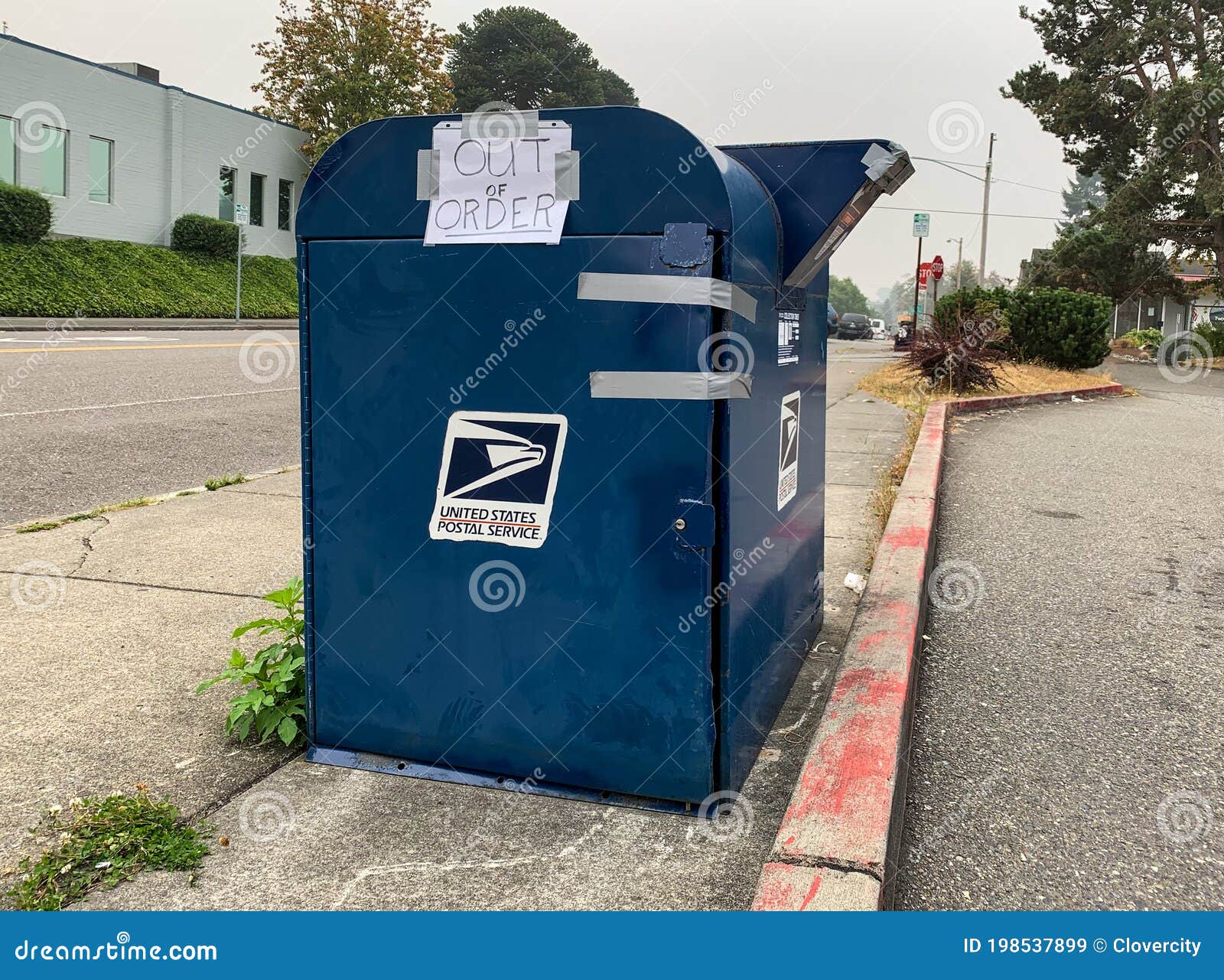
If a collection box hopper door will not close or displays visible mail blockage, do not insert your item. Overstuffed boxes expose mail to rain, theft, and mechanical damage. Locate an alternate collection box or bring the mail item directly inside the nearest post office facility. Notify the station manager or call USPS customer service to report the blocked receptacle.
Items Deposited by Mistake
If you accidentally drop an item into a mail box—such as dropping personal keys, an unlabeled envelope, or an item with an incorrect address—do not wait at the box attempting to retrieve it yourself. Postal carriers cannot hand back deposited mail at the curb without verification. Contact the station manager of the post office listed on the collection box schedule plate immediately, present government-issued photo identification, and provide precise description details for retrieval verification.
Tracking Packages Deposited Without an Initial Retail Scan
When dropping pre-paid parcels into a street blue box or lobby drum, the first scan may not occur until the package reaches a Regional Network Distribution Center (NDC) or Local Processing and Distribution Center (P&DC). If your package tracking displays "Pre-Shipment Info Sent" for 24 to 48 hours after drop-off, allow time for evening container sorting. If no tracking event appears after two full business days, submit a search request through the USPS Missing Mail portal.
Frequently Asked Questions
Can I drop a prepaid package in a USPS blue mailbox?
Yes, you can drop a prepaid package in a blue mailbox provided it physically fits inside the drop hopper and bears a scannable, pre-printed electronic shipping label. Packages utilizing traditional paper postage stamps that weigh over 10 ounces or exceed one-half inch in thickness cannot be placed in blue collection boxes and must be handed to a clerk at a post office counter.
What happens if I drop mail in a blue box after the last pickup time?
Mail deposited after the posted final collection time remains securely locked inside the collection box until the next scheduled pickup day. For example, if the box schedule indicates a final pickup at 4:00 PM on Friday, items dropped at 5:00 PM Friday will be collected during the scheduled Saturday collection shift.
Why can't stamped packages over 10 ounces go into blue collection boxes?
The restriction on stamped mail over 10 ounces or one-half inch thick is a federal aviation security regulation established by the United States Postal Inspection Service. Because paper stamps are untraceable and anonymous, larger stamped packages must be verified in person by a retail clerk to protect air and ground transport networks.
How do I find the nearest USPS mail drop location?
You can locate authorized USPS mail drops, blue collection boxes, and facility drop slots by using the official USPS Location Finder tool online. Filter search options by "Collection Boxes" or "Post Offices" to view address listings, physical accessibility details, and daily collection schedules.
Are USPS blue collection boxes safe for certified or sensitive mail?
USPS collection boxes feature anti-phishing drop mechanisms, heavy-gauge steel walls, and federal security locks designed to prevent theft and weather damage. However, for high-value items, Registered Mail, or legal documents requiring immediate physical proof of mailing, presenting your mailpiece directly at a retail counter to obtain a stamped receipt is recommended.
Optimize Your Package Drop-Off Routine
Whether sending routine business mail or processing e-commerce shipments, using authorized USPS mail drops correctly saves time while adhering to postal security guidelines. Always verify weight limits for stamped items, double-check daily collection cut-off schedules, and use pre-printed electronic postage labels whenever possible to streamline your dispatch workflow. For time-critical shipments, high-value parcels, or items requiring immediate acceptance documentation, bring your packages directly to a local USPS retail service window.
Image Gallery