How to Rescue Deer Safely: A Comprehensive Guide for 2026
To rescue a deer safely, your first priority must be personal safety and professional consultation. Contact a licensed wildlife rehabilitator or state wildlife agency before attempting physical contact. If a fawn is found alone and app...
To rescue a deer safely, your first priority must be personal safety and professional consultation. Contact a licensed wildlife rehabilitator or state wildlife agency before attempting physical contact. If a fawn is found alone and appears healthy, it should usually be left undisturbed. For injured adults, maintain a safe distance to avoid life-threatening kicks or antler strikes while waiting for expert assistance.
Contents
Human-wildlife interactions are increasingly common as suburban sprawl encroaches on natural habitats. While the instinct to help an injured or seemingly abandoned animal is noble, deer present unique physiological and safety challenges that require specialized knowledge. In 2026, wildlife management protocols place a heavy emphasis on mitigating the spread of disease and preventing a fatal condition in deer known as capture myopathy. This guide provides the technical depth and step-by-step procedures required to navigate a deer rescue safely and legally.
The Golden Rule: Human Safety and Risk Assessment
Before intervening, you must acknowledge that an adult deer is a powerful, unpredictable wild animal. Even when severely injured, a deer’s "fight or flight" response remains active. A single kick from a deer’s hind legs can shatter human bone or cause internal organ damage. Furthermore, the risk of zoonotic diseases—illnesses that can jump from animals to humans—is a primary concern for rescuers in 2026.
The Dangers of Physical Contact
Deer use their hooves as primary weapons. They are capable of "boxing" with their front legs or delivering explosive kicks with their rear legs. When a deer is pinned or cornered, it will lash out indiscriminately. Antlers, even on younger bucks, can cause puncture wounds.
Beyond physical trauma, rescuers must be aware of:
- Ticks and Lyme Disease: Deer are primary hosts for black-legged ticks. Any close contact increases the risk of transmission.
- Chronic Wasting Disease (CWD): In 2026, CWD remains a significant concern across North America. Many jurisdictions have strict "no-transport" laws to prevent the spread of this prion disease. Touching a deer potentially exposed to CWD requires specific decontamination protocols.
- Q Fever and Other Pathogens: While rare, deer can carry various bacterial infections that can be transmitted through contact with bodily fluids.
The Concept of Capture Myopathy
One of the most critical reasons to avoid unnecessary handling is capture myopathy. This is a complex physiological response to extreme stress, fear, or physical overexertion. When a deer is chased or restrained, its muscles work into a state of metabolic acidosis. This leads to muscle necrosis (death) and, eventually, multi-organ failure. A deer may appear "calm" or "subdued" during a rescue, only to die of heart failure days later due to the damage sustained during the intervention. Professional rehabilitators use specific sedatives and cooling techniques to mitigate this risk—tools that the average citizen does not possess.
Assessing Whether a Deer Actually Needs Help
Many "rescues" are actually unintended abductions, particularly regarding fawns. Understanding deer biology is essential for determining if intervention is necessary.
The Case of the "Abandoned" Fawn
White-tailed deer and other species use a survival strategy called "hiding." A doe will leave her fawn alone for up to 12 hours at a time while she forages. This reduces the scent profile around the fawn, protecting it from predators.
- Normal Behavior: The fawn is lying quietly, curled up, with its ears straight. It may be in tall grass or even a backyard.
- Distress Signs: The fawn is "crying" (a high-pitched bleat) incessantly, wandering aimlessly, or is covered in fly eggs (which look like small grains of white rice). "Curled" ears (the tips are slightly folded) can also be a sign of severe dehydration.
Identifying Injuries in Adult Deer
Adult deer should only be considered for rescue if they meet specific criteria:
- Obvious Fractures: A limb that is dangling or at an unnatural angle.
- Severe Hemorrhage: Active, pulsing blood loss.
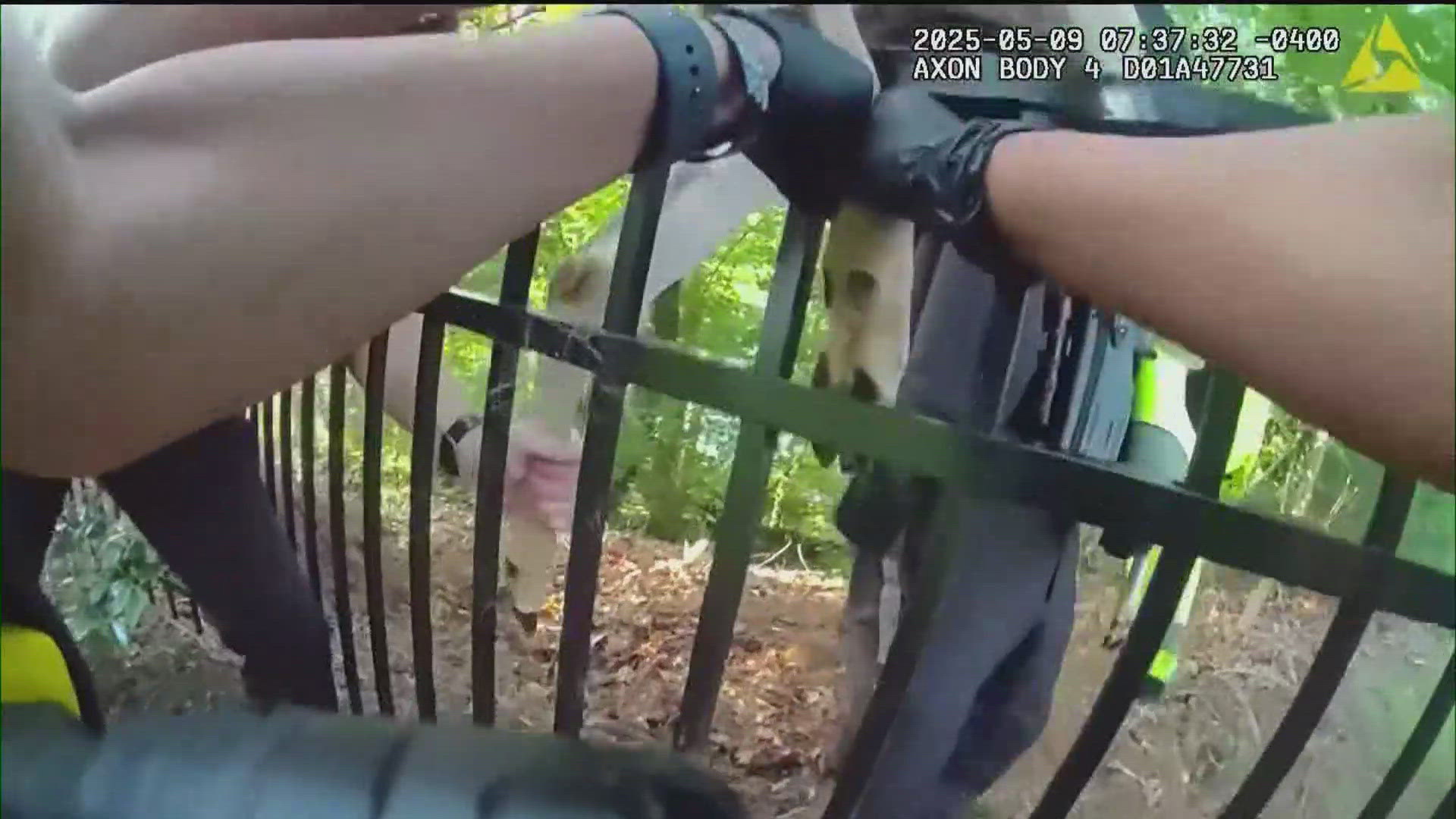
- Entanglement: The deer is caught in a fence, soccer net, or discarded wire and cannot free itself.
- Neurological Distress: The deer is walking in circles, falling over, or showing no fear of humans (which could also indicate CWD).
Legal Considerations and Jurisdictional Rules
In almost all regions, it is illegal to possess or transport a wild deer without a specific permit. In 2026, state and provincial wildlife agencies (such as the National Wildlife Rehabilitators Association or local Departments of Natural Resources) have updated their guidelines to address the CWD crisis.
Before you move a deer:
- Verify Legal Status: In many CWD-positive zones, it is illegal to move a deer across county lines, even for veterinary care.
- Identify Licensed Professionals: Only a licensed wildlife rehabilitator is legally protected and trained to provide care. General veterinarians are often not equipped or legally allowed to house adult deer.
| Scenario | Recommended Action | Risk Level |
|---|---|---|
| Healthy fawn found alone | Do not touch; leave the area immediately. | Low |
| Fawn covered in ticks/flies | Call a rehabilitator; do not move until instructed. | Moderate |
| Adult deer hit by car (mobile) | Observe from a distance; report location to authorities. | High |
| Adult deer hit by car (immobile) | Call wildlife police or 911 for safety/euthanasia. | Very High |
| Deer entangled in a fence | Call professional animal control or a rescue team. | Very High |
Step-by-Step Guide for Safe Intervention
If a licensed professional has instructed you to assist or if you must act in an emergency, follow these technical steps to minimize harm to both the animal and yourself.
Step 1: Secure the Scene
If the deer is near a roadway, park your vehicle to shield the animal and yourself from traffic. Use hazard lights and road flares. Ensure that curious bystanders are kept at least 50 feet away to keep the animal’s stress levels as low as possible.
Step 2: Use Personal Protective Equipment (PPE)
If you must handle a small fawn or a restrained animal, wear:
- Thick work gloves (leather is preferred to prevent punctures).
- Long sleeves and pants to protect against ticks.
- A face mask (N95 or higher) if the animal shows signs of respiratory distress, to prevent inhalation of aerosolized pathogens.
Step 3: Visual Obstruction (The "Cover" Technique)
The most effective way to calm a distressed deer is to remove its visual stimuli. If the deer is immobile or trapped, gently place a dark, heavy blanket or a large towel over its head. Once the deer cannot see, its heart rate will often drop significantly. Do not cover the nostrils or mouth.
Step 4: Restraint (Fawns Only)
Never attempt to physically restrain an adult deer by hand. For a fawn that truly needs rescue:
- Approach from behind.
- Gently but firmly scoop the fawn up, supporting the chest and hindquarters.
- Place the fawn in a well-ventilated cardboard box or a pet carrier lined with a soft cloth.
- Keep the carrier in a warm, dark, and silent environment. Do not talk to the animal or play music, as human voices are terrifying to deer.
Step 5: Dealing with Entanglements
If a deer is caught in a fence, do not approach with wire cutters alone. A deer that is suddenly freed will often "explode" into movement. If you cut the wire, the deer may leap into you or back into the fence.
- The Safe Approach: Call a professional who can use a dart gun for chemical immobilization.
- Emergency Only: If help is hours away, use a long-handled pole pruner to cut the entanglement from a distance. Never stand in the "kick zone" behind the deer.
Modern Resources for Wildlife Rescue in 2026
Technology has simplified the process of finding help. In 2026, several platforms provide real-time access to licensed experts:
- Animal Help Now (AHNow): A primary digital resource (app and website) used to locate the nearest wildlife rehabilitator based on your GPS coordinates and the species involved.
- State Wildlife Agency Directories: Most state websites now feature interactive maps of rehabilitators with specific "Deer" certifications.
- Local Law Enforcement: While police are not rehabilitators, they can provide the necessary safety perimeter or perform humane euthanasia if the animal is suffering from non-survivable injuries.
Common Mistakes to Avoid
- Offering Food or Water: Never give a rescued deer milk, formula, or water. Fawns have highly specific digestive requirements; cow’s milk or even standard "pet" formula can cause fatal bloat or diarrhea. Furthermore, an injured animal in shock cannot process food, and forcing fluids can lead to aspiration pneumonia.
- Petting or Comforting: Deer do not find human touch "soothing." To them, you are a predator. Every stroke of their fur increases their cortisol levels and the risk of capture myopathy.
- Using Your Own Vehicle for Adult Deer: Never put a conscious adult deer in the backseat of a car. If the animal regains its strength while you are driving, it can cause a catastrophic accident or kill the driver.
Frequently Asked Questions
Can I keep a fawn and raise it myself?
No. In almost all jurisdictions, keeping a wild deer is a violation of state and federal law. Beyond the legalities, deer raised by humans become "habituated." A habituated buck loses its fear of humans and, upon reaching maturity, may attack people during the rut (mating season). These animals usually have to be euthanized because they can no longer survive in the wild or live safely near humans.
What should I do if a deer is hit by a car but still trying to get up?
Stay back. A deer with broken legs can still use its front legs to drag itself or its back legs to kick. If it is in the road, call the police to manage traffic. Do not attempt to drag the deer off the road unless it is clearly deceased. If it is alive, your presence will only cause it to struggle more, potentially causing further internal injury.
How do I know if a rehabilitator is "licensed"?
A legitimate wildlife rehabilitator will be listed on an official state government website (such as the Department of Fish and Wildlife). They will have a permit number and often belong to professional organizations like the International Wildlife Rehabilitation Council (IWRC).
Is it safe to touch a deer in a CWD-affected area?
If you must touch a deer in these areas, you must use gloves and wash all clothing in hot water immediately afterward. Prion diseases are extremely resilient. While there is no definitive proof of CWD jumping to humans as of 2026, the CDC and other health organizations recommend a "safety-first" approach, treating all deer in CWD zones as potentially infectious.
Next Steps for a Successful Rescue
The most effective action you can take to rescue a deer safely is to act as a professional observer. Document the animal’s location, the exact nature of its injuries, and its behavior. Take a short video from a safe distance to send to a rehabilitator; this visual data is invaluable for their triage process. Once you have made the call to a professional, your role is to ensure the animal is not further stressed by humans or domestic pets until expert help arrives.
Image Gallery