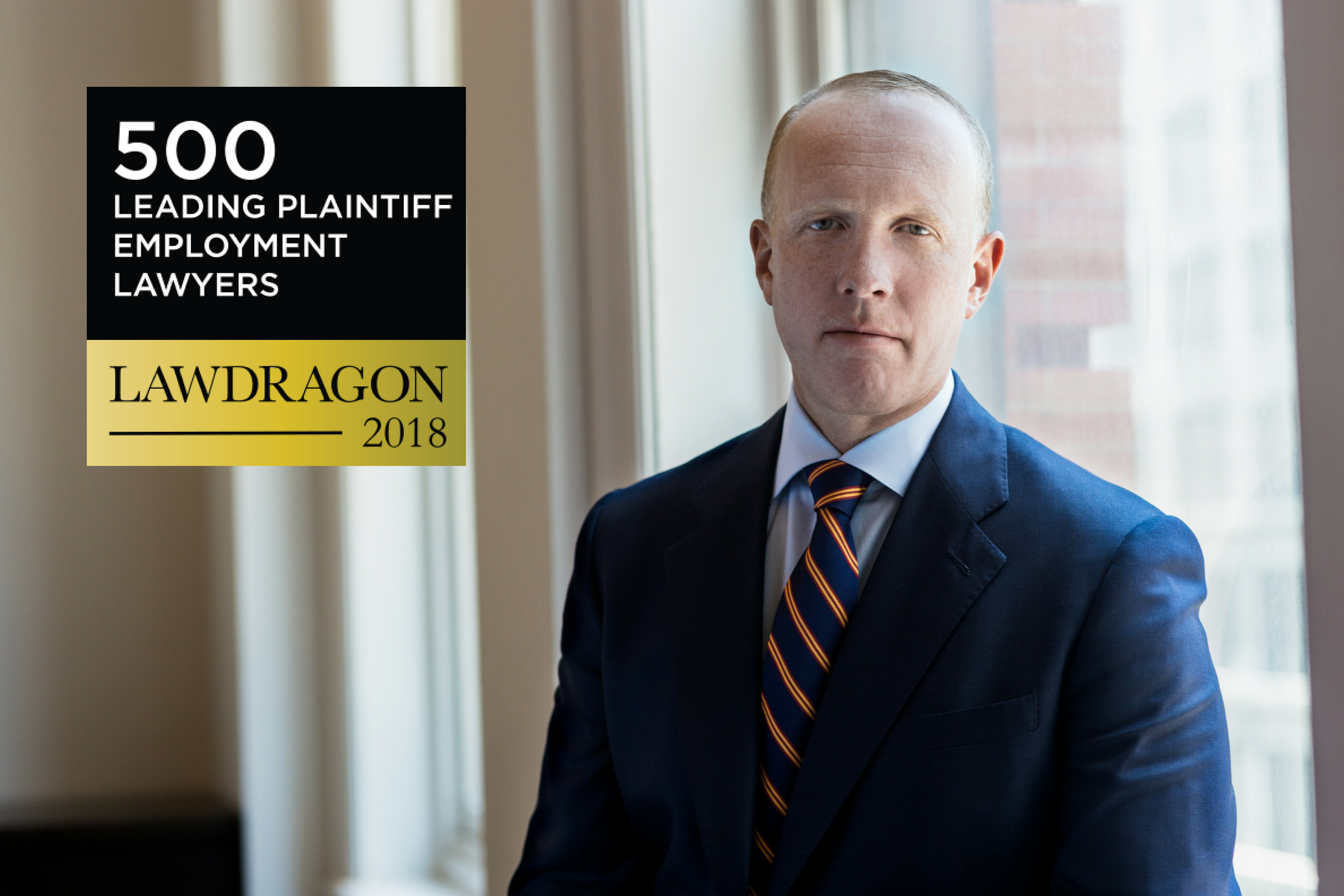
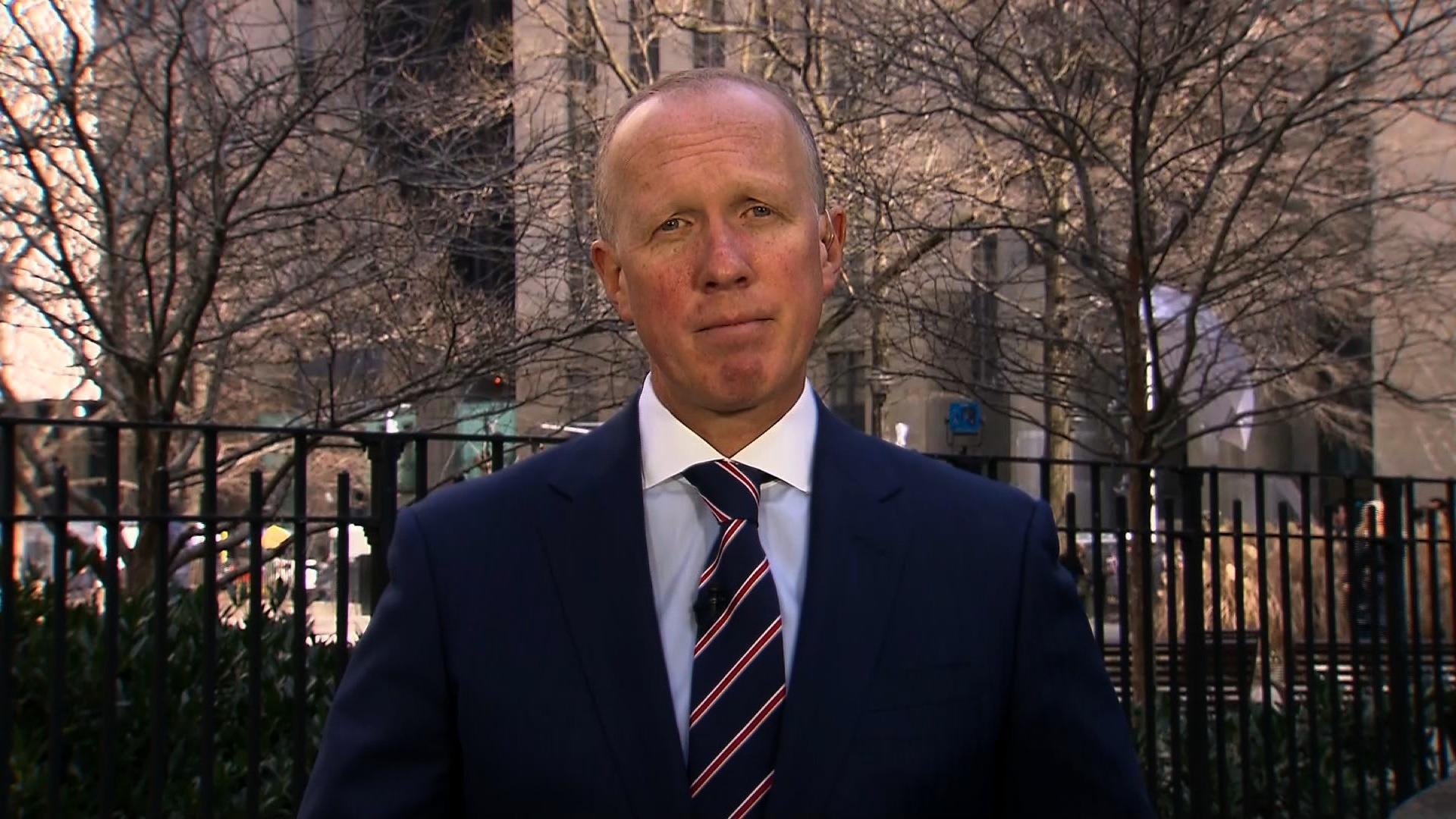
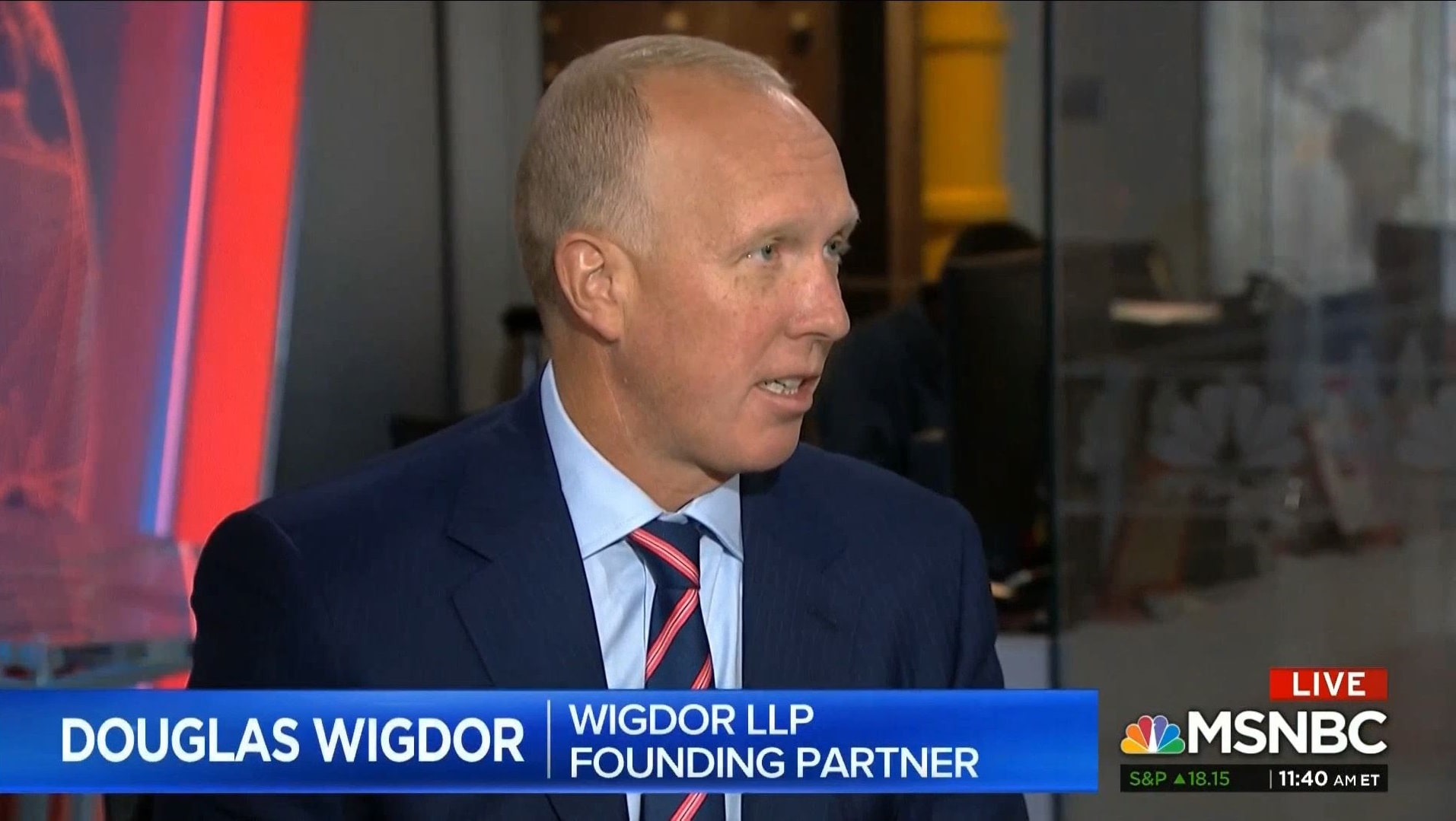
Douglas Wigdor Net Worth in 2025: Financial Analysis, Legal Settlements, and Career Overview
Prominent trial attorney Douglas Wigdor has an estimated net worth between $30 million and $50 million as of 2025. As the founding partner of the New York-based litigation firm Wigdor LLP, his financial standing stems primarily from mu...
Prominent trial attorney Douglas Wigdor has an estimated net worth between $30 million and $50 million as of 2025. As the founding partner of the New York-based litigation firm Wigdor LLP, his financial standing stems primarily from multi-million-dollar contingency legal settlements, jury verdicts, and executive compensation disputes negotiated against major media companies, financial institutions, and high-profile public figures.
Contents
Who Is Douglas Wigdor? Educational Background and Career Trajectory
Douglas H. Wigdor is widely recognized as one of the most influential employment litigation and trial attorneys in the United States. His path to commercial and financial success built upon a rigorous academic background and strategic early career choices that positioned him to handle complex, high-stakes legal disputes.
Wigdor completed his undergraduate studies at Washington University in St. Louis, earning a Bachelor of Arts. He subsequently pursued advanced legal and criminology studies in the United Kingdom and the United States, earning a Master’s degree in Criminology from the University of Oxford and a Juris Doctor (J.D.) from the Columbus School of Law at The Catholic University of America, where he served as an editor on the law review.
Career Progression Pathway:
- Assistant District Attorney (Suffolk County, NY)
- Defense Litigation Associate (Morgan, Lewis & Bockius LLP)
- Founding Partner (Wigdor LLP - 2003 to Present)
Before establishing his own firm, Wigdor developed fundamental trial skills as an Assistant District Attorney in Suffolk County, New York, prosecuting felony criminal matters. He later joined the international defense law firm Morgan, Lewis & Bockius LLP, representing corporate management in labor and employment disputes. This defense-side experience provided him with valuable operational insight into corporate litigation playbooks, human resources risk management, and institutional defense strategies—knowledge he later utilized when advocating for high-profile plaintiffs.
In 2003, Wigdor co-founded the law firm that evolved into Wigdor LLP. Over more than two decades, the boutique firm expanded into a leading practice for employment discrimination, sexual harassment, breach of contract, and executive severance litigation in the United States.
How Douglas Wigdor Built His Wealth: Revenue Streams and Law Firm Economics
Understanding an attorney’s net worth requires examining the revenue mechanics of private trial practice. Unlike corporate executives whose compensation relies heavily on public stock options, SEC Form 4 equity filings, and base salary structures, high-profile trial attorneys generate wealth through law firm profit distributions and fee-earning arrangements.
1. Contingency Fee Arrangements
The primary catalyst for multi-million-dollar trial lawyer wealth is the contingency fee structure. In civil rights, sexual harassment, personal injury, and whistleblower actions, Wigdor LLP typically operates under agreements where the firm receives a percentage of the total recovery—usually ranging between 33.3% and 40% of gross trial verdicts or confidential pre-trial settlements.
When a high-profile matter settles for tens of millions of dollars, the legal fees generated from that single case can yield millions of dollars directly to the law firm. After deducting direct case expenses (such as expert witness fees, forensic depositions, and court filings), net fee proceeds are distributed to the equity partners.
2. High-Value Executive Compensation and Severance Retainers
In addition to contingency litigation, Wigdor represents senior C-suite executives, hedge fund managers, and investment bankers in non-public employment disputes. These matters include:
- Pre-suit executive severance negotiations.
- Non-compete and restrictive covenant disputes.
- Retaliatory termination and whistleblower claims under Sarbanes-Oxley or Dodd-Frank regulations.
In these matters, attorneys may charge premium hourly rates—often exceeding $1,000 to $1,500 per hour—or negotiate fee-shifting arrangements where the corporate employer covers the executive's legal fees during exit negotiations.
3. Partnership Profit Distributions (Profits Per Equity Partner)
As the founding and managing partner of Wigdor LLP, Douglas Wigdor maintains the single largest equity stake in the partnership. In boutique litigation firms that consistently litigate high-value matters, Profits Per Equity Partner (PEP) often match or surpass average partner distributions at large global law firms. By maintaining a lean operational footprint relative to global mega-firms, boutique partners retain a significantly higher proportion of gross fee receipts.
High-Profile Cases Driving Financial Success and Industry Standing
Douglas Wigdor’s financial growth mirrors his firm’s involvement in some of the most publicly discussed civil litigations of the past two decades. Key legal matters that contributed to his reputation and legal fee revenue include:
Nafissatou Diallo v. Dominique Strauss-Kahn (2011–2012)
Wigdor represented hotel housekeeper Nafissatou Diallo in a civil suit against former International Monetary Fund (IMF) Managing Director Dominique Strauss-Kahn following alleged sexual assault inside a New York hotel suite. After criminal charges were dropped by prosecutors, Wigdor pursued civil litigation that resulted in a confidential multi-million-dollar settlement in late 2012.
Fox News Workplace Harassment and Discrimination Claims (2016–2020)
Wigdor represented over 20 former employees, contributors, and executives in sexual harassment, racial discrimination, and retaliation claims against Fox News, its parent entities, and key network executives. The combined settlements across these matters totaled tens of millions of dollars, generating significant fee revenue for the firm while cementing Wigdor’s position as a prominent employment litigation counsel.
Cassie (Casandra Ventura) v. Sean "Diddy" Combs (2023)
In November 2023, Wigdor represented recording artist Casandra Ventura in a federal lawsuit filed under the New York Adult Survivors Act, alleging decade-long physical abuse, sexual assault, and sex trafficking against music mogul Sean Combs. The case achieved a comprehensive, confidential resolution within 24 hours of filing, drawing widespread international press coverage.
Brian Flores v. National Football League et al. (2022–Present)
Wigdor filed a landmark class-action lawsuit on behalf of former Miami Dolphins head coach Brian Flores and other Black coaches, alleging systemic racial discrimination in head coaching and executive hiring practices across the NFL and its member franchises. This systemic litigation highlights the firm's capacity to litigate long-term structural civil rights actions alongside monetary damage claims.
Wall Street Executive & Institutional Matters
Beyond media figures, Wigdor frequently represents senior executives at financial institutions such as Goldman Sachs, Morgan Stanley, and Citigroup in confidential arbitration and litigation. These claims often involve high-stakes incentive compensation disputes, equity clawbacks, and gender discrimination allegations within financial markets.
Financial Breakdown: Drivers of Law Firm Revenue and Net Worth
The following table summarizes the structural revenue drivers that contribute to the net worth estimations for equity partners running national boutique litigation practices:
| Revenue Driver / Asset Category | Commercial Mechanism | Impact on Net Worth Estimation |
|---|---|---|
| Contingency Settlements & Verdicts | 33.3%–40% share of multi-million-dollar recoveries | Primary source of high-margin, variable annual capital injections |
| Executive Hourly & Retainer Fees | Hourly rates ($1,000–$1,500+/hr) and fixed exit retainers | Provides baseline recurring operating income for the partnership |
| Law Firm Partnership Equity | Ownership interest in Wigdor LLP’s brand, receivables, and firm profits | Represents structural enterprise asset value beyond personal legal practice earnings |
| Real Estate & Asset Portfolio | Investment in New York metro commercial/residential real estate | Delivers long-term asset diversification and equity appreciation |
| Philanthropic & Academic Endowments | Oxford University scholarship funding, legal aid support | Reflects tax-managed wealth allocation and institutional endowment contributions |
Estimating Net Worth: Private Practice Limits and Valuation Methodology
Accurately establishing the net worth of a private law firm equity partner requires navigating financial privacy dynamics. Unlike public company executives bound by Securities and Exchange Commission (SEC) reporting requirements, attorneys practicing in private partnerships are under no legal obligation to publicly disclose personal balance sheets, bank deposits, or private investment holdings.
Legal publications and financial analysts estimate equity partner wealth using comparative legal industry metrics:
- Aggregated Settlement Volume: Analyzing published court dockets, public trial verdicts, and reported settlement figures provides a floor estimate for total gross legal fees collected by a firm over a given period.
- Firm Operational Expense Ratios: Boutique litigation firms generally maintain lower overhead expenditures than global mega-firms with dozens of international offices. Lower corporate overhead results in higher net profit margins for senior equity partners.
- Peer Benchmark Analysis: Financial models compare boutique performance against published industry data, such as The American Lawyer (AmLaw) Profits Per Equity Partner (PEP) benchmarks. Top-tier trial boutiques regularly generate PEP figures in the $2 million to $6 million range annually.
Given Wigdor’s 20-plus years of managing high-value contingency recoveries, combined with institutional asset accumulation and legal practice equity, industry estimates place his net worth in the $30 million to $50 million range as of 2025.
Philanthropy, Public Service, and Professional Recognition
Wealth accumulation in senior legal practice frequently intersects with charitable foundation contributions and educational endowments. Douglas Wigdor has engaged in several philanthropic and educational initiatives:
- Oxford University Endowments: Established the Douglas H. Wigdor Scholarship at the University of Oxford (St. Hilda’s College) to support graduate students pursuing degrees in law and criminology.
- Academic Lectureships: Regular speaker and panelist at legal education forums, including law schools, bar association conventions, and continuing legal education (CLE) symposiums focusing on employment law and civil litigation tactics.
- Charitable Support: Contributions to pediatric health institutions, including St. Jude Children's Research Hospital, as well as local legal aid organizations providing access to justice for indigent litigants.
Legal and Financial Advice Limitations
Disclaimer: Financial estimates presented in this profile are derived from public court filings, media reporting on legal settlements, academic profiles, and legal industry standard profit-per-partner models. They represent independent analysis rather than official financial disclosures, tax audit records, or audited corporate balance sheets. This material is prepared for informational purposes only and does not constitute financial, tax, or legal counsel.
Frequently Asked Questions (FAQs)
What is Douglas Wigdor's estimated net worth in 2025?
Douglas Wigdor's net worth in 2025 is estimated to be between $30 million and $50 million. This wealth has been accumulated through over two decades of leading Wigdor LLP, securing high-value contingency legal settlements, and representing executives in lucrative employment disputes.
How do trial lawyers like Douglas Wigdor earn their income?
Trial attorneys operating boutique litigation firms primarily earn income through contingency fee arrangements—taking a percentage (typically 33.3% to 40%) of financial recoveries in civil suits—alongside hourly retainers for executive counseling and equity distributions from law firm profits.
What are the most notable cases handled by Wigdor LLP?
Key cases include representing Nafissatou Diallo against former IMF chief Dominique Strauss-Kahn, multiple high-profile harassment and discrimination claims against Fox News, the landmark NFL racial discrimination class action led by coach Brian Flores, and Cassie Ventura’s civil litigation against Sean "Diddy" Combs.
Is Wigdor LLP a public or private company?
Wigdor LLP is a privately held partnership based in New York City. As a private law firm, its internal financial records, partner profit-sharing ratios, and exact annual revenue figures are not subject to public corporate disclosure rules.
Where did Douglas Wigdor complete his legal education?
Douglas Wigdor earned his Juris Doctor (J.D.) from the Columbus School of Law at The Catholic University of America. He also holds a Master's degree in Criminology from the University of Oxford and a Bachelor of Arts from Washington University in St. Louis.
Summary and Practical Takeaways for Litigants
For individuals evaluating legal representation or studying the economics of private legal practice, several practical conclusions emerge:
- Evaluate Fee Structures Carefully: Prospective clients should evaluate whether a contingency fee, hourly retainer, or hybrid arrangement best aligns with their legal goals and financial resources.
- Recognize Resource Demands in Contingency Cases: High-stakes civil litigation requires law firms to advance substantial capital for forensic experts, depositions, and litigation research before collecting fees upon case completion.
- Focus on Track Record Over Net Worth Metrics: An attorney's net worth is a byproduct of past trial performance and business ownership; clients choosing legal counsel should focus primarily on relevant subject-matter expertise, recent case outcomes, and courtroom trial experience.
Image Gallery