George Michael Died on Christmas Day: The Full Story of His Life, Death, and Legacy
George Michael died on Christmas Day, December 25, 2016, at the age of 53. The legendary singer-songwriter was found at his home in Goring-on-Thames, Oxfordshire. His death was attributed to natural causes, specifically dilated cardiom...
George Michael died on Christmas Day, December 25, 2016, at the age of 53. The legendary singer-songwriter was found at his home in Goring-on-Thames, Oxfordshire. His death was attributed to natural causes, specifically dilated cardiomyopathy with myocarditis and a fatty liver, following a comprehensive post-mortem investigation.
Contents
The passing of George Michael was a moment of profound irony and sadness for the music world. As the voice behind "Last Christmas," one of the most successful holiday songs of all time, Michael’s departure on the holiday itself created a permanent association between his legacy and the season. Now, in 2026, as we reflect on the decade following his passing, the details of that day and the subsequent revelations about his life continue to paint a picture of a complex, deeply generous, and immensely talented individual.
The Events of December 25, 2016
On the morning of Christmas Day, George Michael was discovered unresponsive in his bed by his partner, Fadi Fawaz. According to initial reports and statements from Thames Valley Police, emergency services were called to his property, Mill Cottage, in Goring-on-Thames at 1:42 PM. At the time, the death was described by authorities as "unexplained but not suspicious."
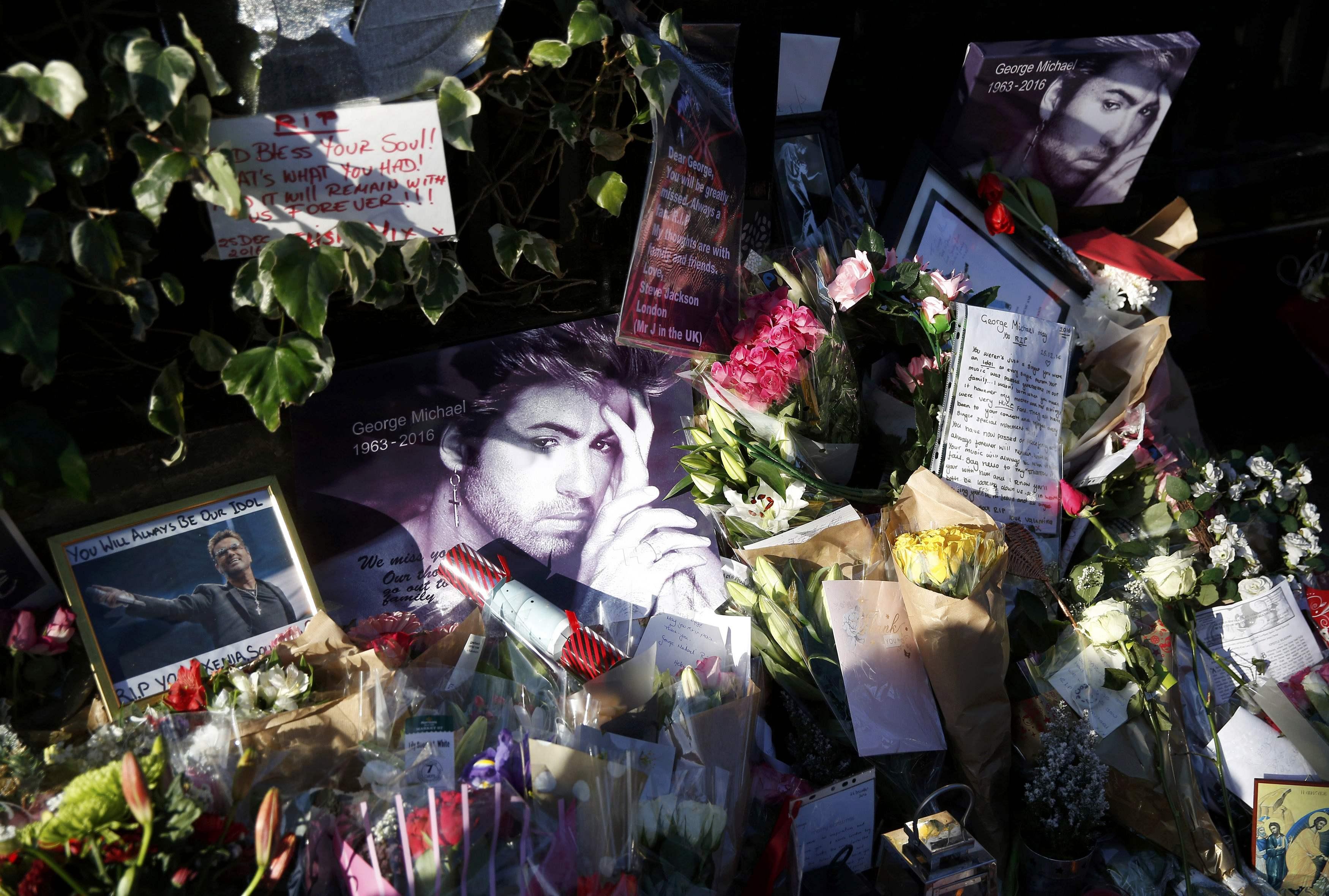
The news broke to the public late that evening, sent via a statement from his publicist: "It is with great sadness that we can confirm our beloved son, brother and friend George passed away peacefully at home over the Christmas period." The world was immediately plunged into mourning, with fans gathering outside his homes in both Oxfordshire and Highgate, North London, to leave flowers, candles, and handwritten notes.
Because the initial post-mortem examination, conducted shortly after his death, was "inconclusive," a period of uncertainty followed. Speculation in the media grew regarding the cause of death, but it wasn’t until March 2017 that the senior coroner for Oxfordshire, Darren Salter, released the final findings.
Official Cause of Death: Medical Breakdown
The official coroner's report confirmed that George Michael died of natural causes. The specific medical conditions cited were dilated cardiomyopathy, myocarditis, and fatty liver. To understand the physical toll these conditions took, it is necessary to examine each one individually.
Dilated Cardiomyopathy
Dilated cardiomyopathy is a condition where the heart's ability to pump blood is decreased because the heart's main pumping chamber, the left ventricle, is enlarged and weakened. This prevents the heart muscle from contracting normally, which can eventually lead to heart failure. Symptoms often include shortness of breath, swelling of the legs, and extreme fatigue. For Michael, this condition likely developed over several years, exacerbated by various lifestyle factors and previous health scares.
Myocarditis
Myocarditis is the inflammation of the heart muscle (myocardium). This inflammation can reduce the heart's ability to pump and cause rapid or abnormal heart rhythms (arrhythmias). Myocarditis is often caused by a viral infection, but it can also result from a reaction to a drug or be part of a wider inflammatory condition. When combined with dilated cardiomyopathy, the risk of sudden cardiac arrest increases significantly.
Fatty Liver (Hepatic Steatosis)
A fatty liver, or hepatic steatosis, is an accumulation of fat in the liver cells. While it is common and often asymptomatic in its early stages, it can lead to liver inflammation (steatohepatitis) and eventual scarring (cirrhosis). The presence of a fatty liver in the coroner’s report suggested metabolic stress, which can be linked to diet, alcohol consumption, or other underlying health issues.
The Poignant Irony of "Last Christmas"
Perhaps no song in George Michael’s catalog is as synonymous with his name as "Last Christmas," recorded with Wham! and released in 1984. The song had been a staple of the holiday season for over 30 years by the time of his death. The fact that George Michael died on Christmas Day added a layer of tragic permanence to the track.
In the years following 2016, "Last Christmas" saw a massive resurgence in popularity. In a historic moment for British music, the song finally reached the Number 1 spot on the UK Official Singles Chart in January 2021—exactly 36 years after its release. This was largely driven by a fan-led campaign to honor Michael’s memory. As of 2026, the song remains a dominant force on streaming platforms every December, serving as an annual memorial to the artist.
Secret Philanthropy: The Real George Michael
One of the most remarkable developments following Michael’s death was the sudden outpouring of stories regarding his anonymous charitable work. During his life, Michael was known to be generous, but the sheer scale of his giving was kept strictly private to avoid publicity.
After his passing, individuals and organizations came forward to reveal:
- Major Donations: He was the largest individual donor to Childline, a counseling service for children and young people. Founder Esther Rantzen revealed that Michael had given millions over the years, stipulating that no one should know.
- Personal Acts of Kindness: Stories emerged of Michael tipping a student nurse thousands of pounds to help her with debt, or calling a contestant on Deal or No Deal who needed money for IVF treatment and anonymously paying for the procedure.
- The Terrence Higgins Trust: He was a long-time supporter of HIV/AIDS charities, frequently donating royalties from his records to the Terrence Higgins Trust and Project Angel Food.
These revelations shifted the public narrative from his tabloid-covered struggles to his character as a humanitarian. This legacy of "stealth philanthropy" remains one of the most respected aspects of his life in 2026.
Key Facts and Timeline
The following table summarizes the critical details surrounding George Michael's death and its aftermath.
| Category | Details |
|---|---|
| Date of Passing | December 25, 2016 |
| Time of Discovery | Approximately 1:42 PM (Emergency Call) |
| Location | Mill Cottage, Goring-on-Thames, Oxfordshire, UK |
| Confirmed Cause | Dilated Cardiomyopathy, Myocarditis, Fatty Liver |
| Final Coroner Report | Released March 7, 2017 |
| Funeral Date | March 29, 2017 |
| Burial Site | Highgate Cemetery (West), London |
| Estimated Estate | Approximately £97 Million |
The Impact on the Music Industry
George Michael was not just a pop star; he was a pioneer for artist rights. His high-profile legal battle with Sony Music in the 1990s, although he initially lost, set the stage for modern discussions about creative control and the "ownership" of artists by corporations.
Following his death, his peers—including Elton John, Adele, and Chris Martin—performed tributes at major awards shows like the Grammys and the BRITs. These performances highlighted his vocal range and his skill as a songwriter. By 2026, his influence is still seen in the soulful pop of contemporary artists who emulate his ability to blend dance music with deeply emotional, personal lyrics.
Estate Management and Posthumous Releases
Managing the estate of a star as big as George Michael is a complex endeavor. His will, which was not made public until 2019, left the bulk of his £97 million estate to his sisters, Yioda and Melanie, and his father, Kyriacos. Notably, his former partners Fadi Fawaz and Kenny Goss were not included in the will, leading to various legal disputes that were eventually settled.
The George Michael Entertainment estate has been careful with his brand. Unlike some artists whose estates release every unfinished demo, Michael’s team has focused on high-quality reissues (like the Listen Without Prejudice Vol. 1 box set) and the 2019 film Last Christmas, which featured the unreleased track "This Is How (We Want You to Get High)."
FAQ: Common Questions About George Michael’s Death
Was there any foul play involved in George Michael’s death?
No. While the death was initially described as "unexplained," the coroner’s investigation concluded that he died of natural causes. There was no evidence of toxicological factors or suspicious circumstances. The police officially closed the case in March 2017.
Where is George Michael buried?
George Michael is buried at Highgate Cemetery in North London. He was laid to rest in the West Cemetery, next to his mother, Lesley Angold Panayiotou, who passed away in 1997. His sister, Melanie Panayiotou, who died exactly three years after George on Christmas Day 2019, is also buried nearby. For privacy reasons, his grave was not marked with a headstone for several years, though a simple inscription was eventually added.
Why did it take so long to announce the cause of death?
The initial post-mortem on December 30, 2016, did not provide a definitive cause of death. Consequently, the coroner ordered further toxicological tests and histology (the study of tissues). These tests take several weeks to process. The delay was necessary to ensure that all natural and external factors were thoroughly explored.
Did George Michael have a history of health issues?
Yes. In 2011, he nearly died from a severe bout of pneumonia while on tour in Vienna. He underwent a tracheotomy and was in a coma for a time. He later admitted that it was "touch and go" for his survival. Additionally, he struggled with substance abuse issues at various points in his life, which can contribute to the long-term strain on the cardiovascular system and the liver.
Who inherited George Michael’s London home?
His sister, Yioda Panayiotou, inherited a significant portion of his property, including his Highgate mansion. The Oxfordshire home where he passed away was eventually sold. The estate has been managed with a focus on preserving his privacy and the integrity of his musical catalog.
Final Perspective and Recommendations
George Michael’s death on Christmas Day remains a watershed moment in music history. It marked the end of an era for a performer who successfully transitioned from a teen idol in Wham! to a sophisticated, Grammy-winning solo artist. His death also served as a reminder of the physical toll that a high-pressure career and underlying health conditions can take.
For those looking to honor his memory in 2026, the best approach is to revisit his body of work beyond the hits. Albums like Older and Listen Without Prejudice Vol. 1 offer deep insights into his artistry and personal struggles. Additionally, supporting the charities he championed—such as Childline or the Terrence Higgins Trust—continues the legacy of kindness that he worked so hard to keep hidden during his lifetime.
Image Gallery