Understanding the Customers of Nike: Demographics, Loyalty, and Market Segmentation
Nike’s customer base is a global, multi-generational demographic primarily composed of active individuals aged 15 to 45 who value performance, innovation, and brand status. While rooted in athletic excellence, the brand’s reach extends...
Nike’s customer base is a global, multi-generational demographic primarily composed of active individuals aged 15 to 45 who value performance, innovation, and brand status. While rooted in athletic excellence, the brand’s reach extends significantly into lifestyle and fashion-conscious segments through a sophisticated Direct-to-Consumer (DTC) ecosystem and the integrated Nike Membership program.
Contents
The Evolution of the Nike Consumer Profile in 2026
The profile of a Nike customer has transitioned from a purely sports-focused individual to a lifestyle-oriented consumer who seeks a blend of functionality and aesthetic appeal. As of 2026, Nike’s market dominance is sustained by its ability to appeal to "the athlete in everyone," a philosophy that has successfully lowered the barrier to entry for the brand while maintaining its prestige among elite performers.
Nike’s strategy relies on a deep understanding of consumer behavior across three primary dimensions: demographic data, psychographic motivations, and digital engagement patterns. By leveraging its Consumer Direct Acceleration strategy, the company has bypassed traditional retail intermediaries to build a direct line to its audience, allowing for real-time adjustments to product lines and marketing messages.
Demographic Breakdown: Who is Buying Nike?
Historically, Nike’s core audience was male athletes, but the demographic landscape has shifted significantly. Today, the customer base is more balanced and diverse.
- Age Groups: The largest segment remains Gen Z and Millennials (ages 15–40). These groups prioritize brand ethics, digital connectivity, and "streetwear" culture. However, Nike has seen substantial growth in "Gen Alpha" as parents increasingly invest in high-performance footwear for youth sports and school attire.
- Income Levels: Nike targets a broad middle-to-upper-class demographic. While the brand offers entry-level products (such as the Revolution or Downshifter lines), its high-margin revenue comes from "sneakerheads" and performance athletes willing to pay $150 to $300 for Vaporfly runners or limited-edition Jordan Brand releases.
- Geographic Reach: North America remains Nike’s largest market, but Greater China and the EMEA (Europe, Middle East, and Africa) regions are the fastest-growing. In 2026, Nike’s ability to localize products—such as Lunar New Year collections in Asia or football-centric apparel in Europe—is a key driver of international customer retention.
Psychographic Segmentation: The Mindset of "Just Do It"
Nike does not just sell shoes; it sells a mindset. The psychographic profile of a Nike customer is defined by an aspirational drive toward self-improvement and excellence. This is categorized into three distinct "mindset" segments.
1. The Performance-Driven Athlete
These customers are motivated by technical specifications. They are marathon runners, basketball players, and fitness enthusiasts who require the latest in foam technology (such as ZoomX) or moisture-wicking fabrics (Dri-FIT). They view Nike as a tool for competitive advantage and are the most loyal to specific product franchises like the Pegasus or the LeBron signature series.
2. The Lifestyle and "Sneakerhead" Culture
This segment views Nike as a vehicle for self-expression and social status. Driven by the "hype" economy, these customers frequent the SNKRS app and are deeply influenced by collaborations with artists, luxury fashion houses (e.g., Louis Vuitton or Tiffany & Co.), and cultural icons. For this group, the scarcity and history of the product are more important than its athletic utility.
3. The Conscious Consumer
A growing segment in 2026 focuses on the "Move to Zero" initiative. These customers are environmentally aware and prioritize products made from recycled materials (like Nike Grind or Space Hippie collections). They hold the brand accountable for its supply chain ethics and carbon footprint, making transparency a prerequisite for their loyalty.
The Nike Membership Ecosystem: Driving Customer Retention
The modern Nike customer is rarely a one-time purchaser. The company has built a "walled garden" of digital services that incentivize repeat business and collect valuable first-party data. This ecosystem is centered around the Nike Membership program, which provides exclusive access to products, events, and training tools.
Digital Engagement Touchpoints
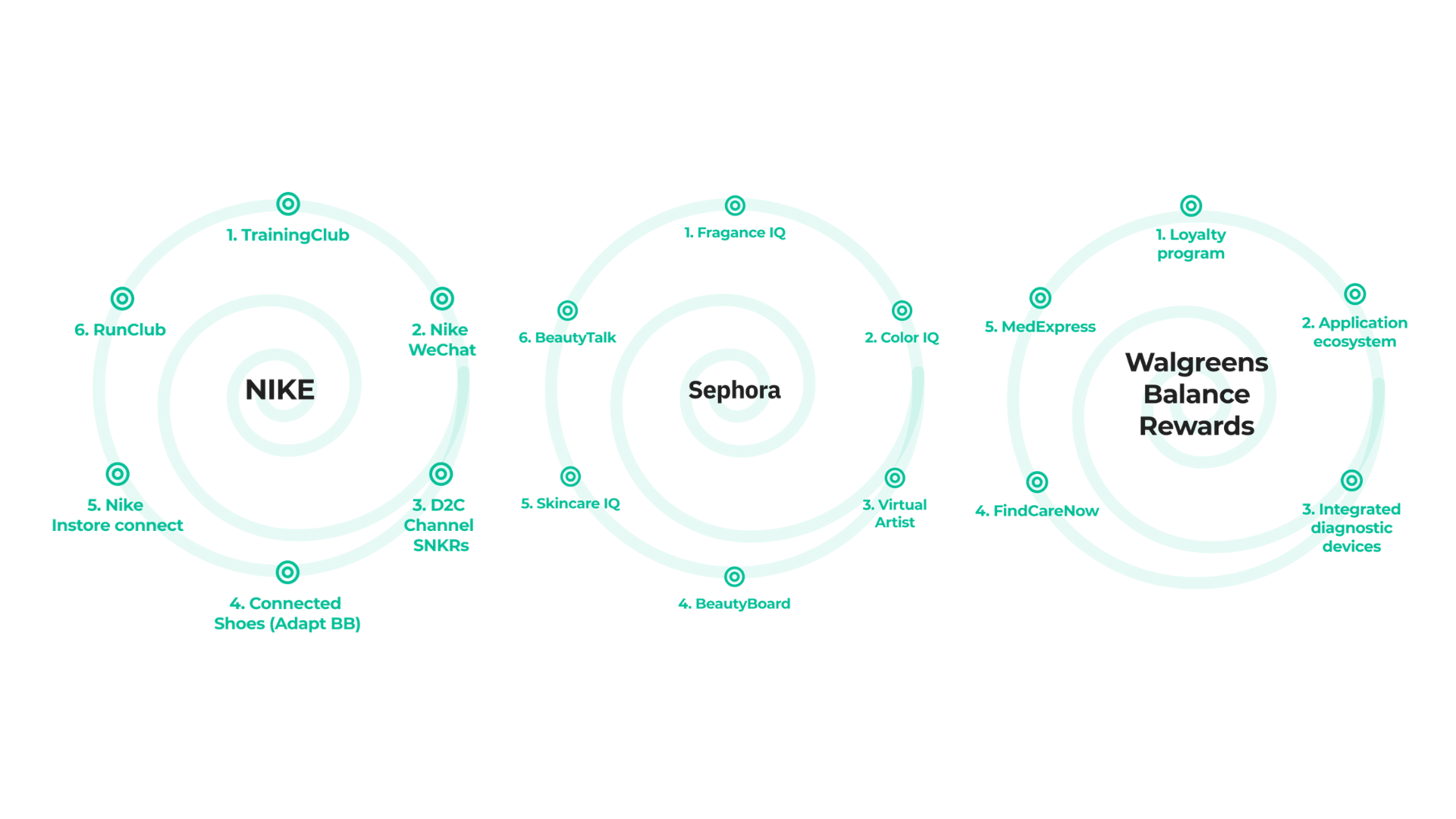
Nike interacts with its customers through four primary digital pillars:
- Nike App: The central hub for shopping, personalized recommendations, and "Member Rewards."
- SNKRS App: Dedicated to high-demand drops and storytelling, catering to the collector community.
- Nike Training Club (NTC): Offers workouts and wellness advice, positioning the brand as a lifestyle partner rather than just a vendor.
- Nike Run Club (NRC): Builds a community of runners who track their progress and compete in global challenges, fostering brand affinity through shared goals.
By integrating these apps, Nike ensures that even when a customer is not shopping, they are engaging with the brand. This constant presence increases the Customer Lifetime Value (CLV) and reduces the cost of customer acquisition compared to traditional advertising.
Comparison of Key Nike Customer Segments
The following table outlines the differences between the primary segments that contribute to Nike’s global revenue.
| Segment Attribute | Performance Athlete | Lifestyle/Fashion Enthusiast | The Casual/Family Buyer |
|---|---|---|---|
| Primary Motivator | Goal achievement & comfort | Status, style, & exclusivity | Value, durability, & brand trust |
| Key Products | Alphafly, Metcon, Pro Apparel | Air Jordan 1, Dunk, Air Max | Pegasus, Revolution, Sportswear |
| Shopping Channel | Nike.com & Specialty running stores | SNKRS App & Boutique retailers | Big-box retail & Nike Outlets |
| Price Sensitivity | Low (Investment in performance) | Low (Willing to pay resale premiums) | High (Look for sales/discounts) |
| Engagement Level | High (Uses NRC/NTC apps) | High (Social media & hype cycles) | Medium (Seasonal purchases) |
Challenges and Shifts in Customer Loyalty
While Nike enjoys high brand equity, the customer of 2026 is increasingly fickle. The rise of "challenger brands" like On Running, Hoka, and Lululemon has forced Nike to defend its market share in specific niches.
The Rise of Brand Switching
In the running category, customers are more willing to experiment with brands that offer specialized orthopedic benefits or different aesthetic profiles. To counter this, Nike has reinvested in "ground-up" innovation to ensure their performance specs remain the industry benchmark.
The Impact of Direct-to-Consumer (DTC)
Nike's move away from many third-party retailers (like Foot Locker or regional sporting goods stores) has changed how customers access the brand. While this allows Nike to control the brand experience and pricing, it has also created "friction" for customers who prefer multi-brand shopping environments. To mitigate this, Nike has opened "Live" and "Rise" concept stores that serve as physical hubs for their digital members.
Frequently Asked Questions
What is the average age of a Nike customer?
The core Nike customer is typically between 15 and 45 years old. However, the brand maintains a "cradle-to-grave" strategy, marketing heavily to youth through school sports and to older demographics through walking shoes and wellness-focused apparel.
How does Nike use customer data to influence sales?
Through the Nike Membership program and its suite of apps (NTC, NRC, SNKRS), Nike collects data on workout habits, shoe size, style preferences, and purchase frequency. This allows the brand to send personalized notifications and "Early Access" offers, which significantly increase conversion rates compared to generic marketing.
Why do "sneakerheads" represent such a vital customer segment?
Although they may buy fewer units than the casual consumer, "sneakerheads" drive the brand's cultural relevance. Their engagement on the SNKRS app and social media creates an aura of exclusivity and "hype" that trickles down, making even basic Nike products more desirable to the general public.
How has Nike's customer base changed regarding sustainability?
In 2026, a significant portion of Nike's audience, particularly Gen Z, considers sustainability a non-negotiable factor. This has led to the success of "Nike Refurbished" and "Move to Zero" product lines, where customers prioritize recycled materials and the longevity of the product.
Is Nike's customer base mostly male or female?
Historically male-dominated, Nike has aggressively expanded its women's segment. As of 2026, the gender split is nearing parity in many Western markets, driven by specialized investments in women’s football (soccer), yoga apparel, and maternity activewear.
Summary and Practical Recommendation
For businesses or analysts looking to understand or emulate the Nike customer model, the key takeaway is the importance of emotional connectivity. Nike does not view its customers as mere purchasers of footwear; it views them as members of a global community.
Recommendation: To build a similar level of loyalty, organizations should focus on developing a robust digital ecosystem that provides value beyond the transaction. By offering utility (like training apps or community events) and rewarding loyalty through exclusive access, brands can transform casual buyers into lifelong advocates. In 2026, the most successful brands are those that use data not just to sell, but to serve the specific lifestyle goals of their audience.
Image Gallery