Navigating Chicago Internet Providers: Options, Prices, and Coverage
Finding the right home internet service in Chicago requires balancing neighborhood availability, infrastructure types, speed needs, and budget constraints across providers like Xfinity, AT&T, RCN, and emerging fiber options. Selecting...
Finding the right home internet service in Chicago requires balancing neighborhood availability, infrastructure types, speed needs, and budget constraints across providers like Xfinity, AT&T, RCN, and emerging fiber options.
Contents
Selecting an internet service provider (ISP) in a major metropolitan area like Chicago can feel overwhelming due to the mosaic of neighborhood infrastructures, competing technologies, and shifting promotional rates. Whether you are moving into a high-rise in the Loop, a historic greystone in Logan Square, or a single-family home in Beverly, your choices depend heavily on physical wireline availability at your specific address. Understanding the distinct types of networks—ranging from traditional cable and high-speed DSL to cutting-edge fiber-to-the-home and fixed wireless—enables you to match your bandwidth demands with the right plan without overpaying for unused speed.
Understanding Chicago's Internet Infrastructure Landscape
The infrastructure supporting internet connectivity across Chicago varies dramatically depending on the neighborhood, building age, and density. Unlike suburban developments that may feature uniform utility layouts, Chicago's urban core contains a mix of legacy underground copper lines, extensive coaxial cable networks, and increasingly dense fiber-optic installations.
Cable broadband, historically the dominant medium in the city, utilizes hybrid fiber-coaxial (HFC) networks. These systems deliver high download speeds by running fiber-optic cables to neighborhood nodes and completing the final connection to the home via coaxial lines. While cable provides robust speeds suitable for multi-user households, its upload speeds are typically lower than its download capacities.
Fiber-optic internet represents the gold standard of modern connectivity, transmitting data via pulses of light through glass strands. Fiber delivers symmetrical speeds, meaning your upload bandwidth matches your download bandwidth, which is essential for remote work video conferencing, large cloud backups, and real-time interactive applications. However, fiber availability in Chicago is often concentrated in newer developments, select multi-dwelling units (MDUs), and specific neighborhoods where providers have undertaken costly capital excavation projects.
Wireless alternatives, including 5G home internet and fixed wireless services provided by major cellular carriers, have also altered the landscape. These services bypass physical wireline requirements by transmitting signals from cell towers directly to a gateway device inside your home, offering a viable alternative where traditional wired infrastructure is lacking or subscription prices are uncompetitive.
Major Internet Service Providers in Chicago
Chicago residents typically choose from a mix of national cable giants, telecommunications heavyweights, and regional or independent providers. Evaluating these options requires looking beyond flashy marketing claims to examine actual service reliability, equipment fees, and contract stipulations.
Xfinity (Comcast)
As the primary cable provider across most of Chicago, Xfinity boasts the widest geographical footprint in the city. Their network covers nearly all residential neighborhoods, offering download speeds ranging from basic entry-level tiers up to 1,200 Mbps (1.2 Gbps) or higher via DOCSIS 3.1 and emerging technologies. Xfinity plans frequently feature introductory pricing tied to one- or two-year agreements, after which standard rates apply. Customers should also account for data caps on certain plans (typically 1.2 terabytes per month), beyond which overage fees or unlimited data add-on costs apply.
AT&T Internet and Fiber
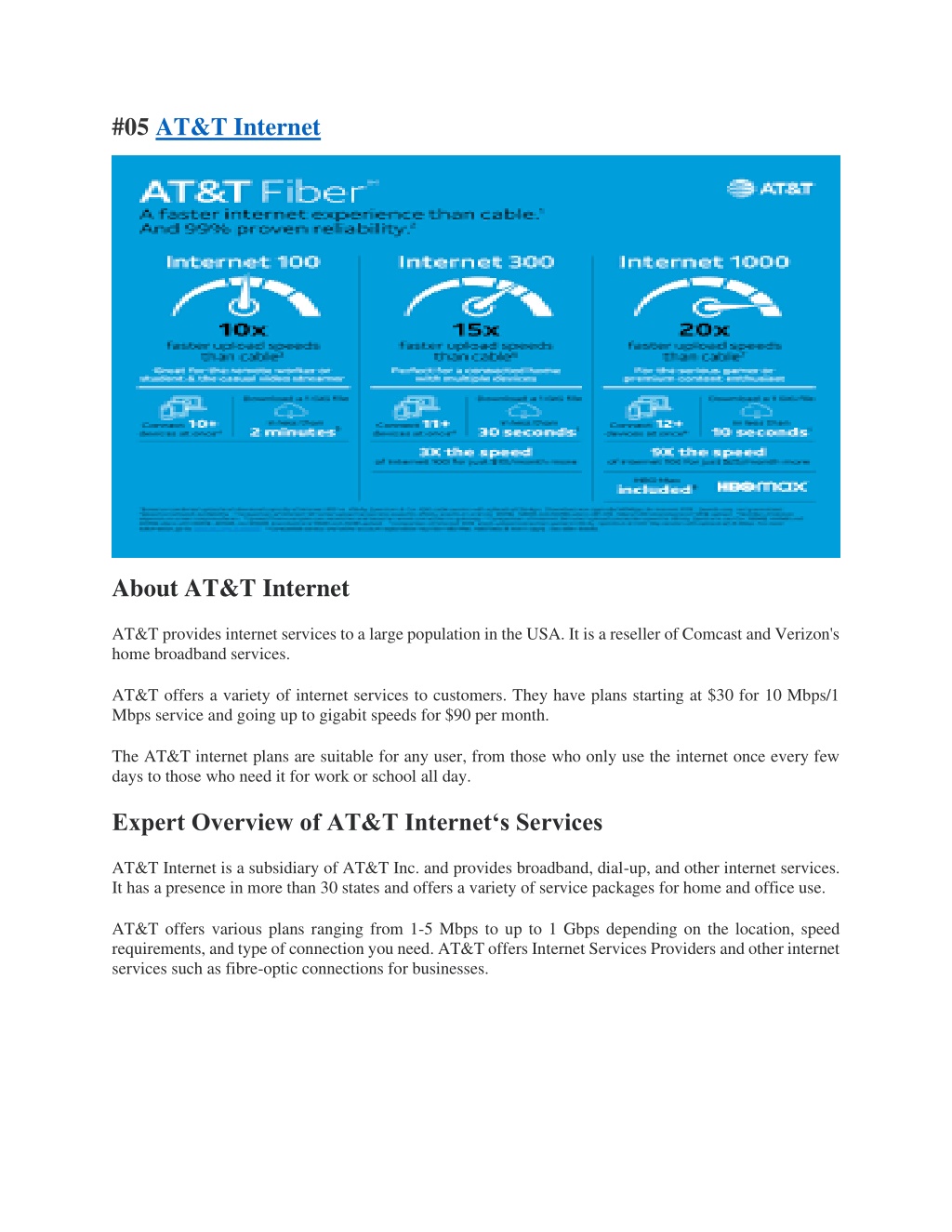
AT&T operates a dual-pronged network in Chicago, maintaining legacy copper-based DSL infrastructure (branded as AT&T Internet) alongside their expanding direct-to-home fiber network (AT&T Fiber). While legacy DSL speeds are often limited and increasingly phased out in favor of faster options, AT&T Fiber offers symmetrical gigabit-plus speeds with no data caps and no annual contracts. Availability for AT&T Fiber varies significantly by neighborhood and building type; older apartment buildings often lack the necessary internal wiring to receive fiber services.
Astound Broadband (formerly RCN)
Astound Broadband provides cable internet services to significant portions of the Chicago North Side, including neighborhoods like Lincoln Park, Lakeview, Uptown, and parts of the Loop. Known historically for competitive pricing and lower reliance on strict promotional pricing traps compared to larger conglomerates, Astound offers high-speed cable packages that compete directly with Xfinity. Their plans often appeal to cord-cutters and budget-conscious households looking for contract-free options.
T-Mobile and Verizon 5G Home Internet
Cellular-based home internet has carved out a substantial niche in Chicago. Utilizing mid-band 5G spectrums, these providers offer flat-rate pricing with no equipment rental fees, no data caps, and no annual contracts. While performance depends heavily on your proximity to local cell towers and structural interference from heavy masonry buildings common in Chicago, these services provide a straightforward, no-frills alternative for moderate internet users.
Comparing Chicago Internet Options, Pricing, and Speeds
To assist in evaluating your choices, the following table outlines the general service tiers, typical introductory price ranges, technology types, and notable conditions associated with major Chicago providers.
| Provider | Technology Type | Typical Download Speeds | Price Range (Monthly)* | Key Considerations |
|---|---|---|---|---|
| Xfinity | Cable / Fiber-Hybrid | 150 Mbps – 1,200+ Mbps | $30 – $85+ | Widespread availability; 1.2 TB data cap on most plans; promotional rates require contracts. |
| AT&T Fiber | Fiber-to-the-Home | 300 Mbps – 5,000 Mbps | $55 – $180 | Symmetrical speeds; no data caps; no contracts; availability limited by address. |
| Astound Broadband | Cable | 300 Mbps – 1,500 Mbps | $25 – $75 | Concentrated on the North Side; competitive contract-free pricing; regional coverage. |
| T-Mobile Home Internet | 5G Fixed Wireless | 70 Mbps – 245+ Mbps (Variable) | $40 – $50 (with AutoPay) | Flat pricing; no data caps; performance tied to local cellular network congestion. |
*Note: Pricing reflects standard promotional rates and base tiers current as of 2026. Equipment fees, taxes, and promotional expiration terms may alter monthly totals.
Neighborhood Coverage and Address Verification
Internet availability in Chicago is hyper-local. Two apartment buildings on the same block may have entirely different provider ecosystems based on exclusive landlord agreements, legacy wiring, or whether utilities were buried during neighborhood development.
When searching for coverage, do not rely solely on city-wide coverage maps provided by marketing departments. Always perform a direct address lookup on the official provider websites. For renters in multi-family buildings, check with your landlord or property management office to confirm whether the building has an exclusive wiring arrangement with a specific provider, as this can restrict your ability to install competing services.
If you live in a high-rise condominium or apartment building, the internal distribution system (often managed by companies like Honest Networks or local boutique fiber providers) may grant you access to gigabit-tier dedicated connections that are unavailable to single-family homes just down the street. Conversely, older courtyard buildings in neighborhoods like Rogers Park or Hyde Park may experience bandwidth bottlenecks if the physical copper or coaxial infrastructure has not been recently upgraded by the servicing utility.
Hidden Costs, Equipment Fees, and Contract Traps
When budgeting for home internet in Chicago, the advertised monthly price is rarely the final amount billed. Navigating hidden fees requires careful reading of service agreements before signing up:
- Gateway and Router Rentals: Many providers charge a monthly rental fee (ranging from $10 to $18 per month) for their combination modem and Wi-Fi router. Purchasing your own compatible third-party modem and router can eliminate this recurring charge over time, though cable providers may still charge minor maintenance fees if network issues stem from customer-owned hardware.
- Data Overages: Cable providers like Xfinity enforce monthly data allotments. Exceeding these limits typically triggers automatic charges for additional data blocks unless you pay an extra monthly fee for unlimited data.
- Promotional Expiration: Introductory rates usually expire after 12 or 24 months, resulting in significant price hikes. Setting a calendar reminder to renegotiate your rate or switch providers when your promotion ends is an effective way to control long-term expenses.
- Installation Fees: Professional installation fees can range from $50 to $100, though self-installation kits are frequently offered for free or at a reduced cost if the home already has active cable or phone jacks.
Frequently Asked Questions
Which internet provider offers the fastest speeds in Chicago?
AT&T Fiber offers the fastest maximum symmetrical speeds in Chicago, with plans reaching up to 5 Gbps in select fiber-wired areas. Cable providers like Xfinity also offer download speeds exceeding 1 Gbps, but their upload speeds remain significantly lower than fiber options due to architectural limitations of cable networks.
Are there data caps on home internet in Chicago?
Data caps depend entirely on the provider and technology. AT&T Fiber and 5G home internet providers like T-Mobile and Verizon generally do not enforce data caps. However, Xfinity cable internet plans typically include a 1.2 TB monthly data allowance unless you upgrade to an unlimited data plan or subscribe to specific higher-tier packages.
How can I check which internet providers service my specific Chicago address?
The most accurate method is to visit the official websites of major providers (Xfinity, AT&T, Astound) and input your exact street address and unit number. Additionally, independent broadband comparison tools and the Federal Communications Commission (FCC) National Broadband Map allow consumers to view federally reported provider data by specific geographic coordinates.
Is 5G home internet reliable in Chicago?
5G home internet is generally reliable for moderate use, streaming, and remote work, provided you have a strong signal from a nearby cell tower. However, heavy masonry buildings, dense urban high-rises, and extreme weather can sometimes disrupt signals, making wired cable or fiber a more stable choice for households requiring uninterrupted, high-bandwidth connectivity.
Can my landlord dictate which internet provider I use in Chicago?
Landlords and property management companies can enter into marketing or wiring agreements with specific providers, but under FCC rules, exclusive service contracts that prevent competing providers from servicing tenants are generally prohibited. If you prefer a provider not currently wired into your apartment, you can request that the provider coordinate with your landlord to evaluate installation feasibility, though landlords are not legally obligated to permit structural modifications to the building.
Choosing the Best Plan for Your Household
Selecting the optimal internet service in Chicago ultimately comes down to an honest assessment of your household's digital habits. If your home consists of remote professionals sharing heavy video files, competitive gamers, and multiple 4K streaming devices simultaneously, prioritizing a fiber connection with symmetrical upload speeds is your best course of action. If fiber is unavailable at your address, a high-tier cable plan from Xfinity or Astound will easily handle heavy bandwidth demands. Conversely, for single occupants or light internet users who primarily browse the web and stream casual video, a budget-friendly cable tier or a flat-rate 5G home internet plan provides sufficient performance without unnecessary monthly expenses. Always verify your address directly, audit your equipment rental fees, and keep track of promotional expiration dates to secure the best long-term value.
Image Gallery