SpongeBob SquarePants’ House: A Deep Dive into the Iconic Pineapple Under the Sea
SpongeBob SquarePants lives at 124 Conch Street in the underwater city of Bikini Bottom. His residence is a massive, hollowed-out orange pineapple that features three distinct floors, a rooftop garden, and various rooms including a lib...
SpongeBob SquarePants lives at 124 Conch Street in the underwater city of Bikini Bottom. His residence is a massive, hollowed-out orange pineapple that features three distinct floors, a rooftop garden, and various rooms including a library and a garage. This organic structure is situated between the homes of Squidward Tentacles and Patrick Star.
Contents
The pineapple house is more than just a quirky backdrop; it is a central character in the SpongeBob SquarePants universe. Since the show’s debut in 1999, the house has undergone various destructions, reconstructions, and magical transformations, yet it always returns to its iconic form. As of 2026, the pineapple remains the most recognizable piece of real estate in animation history, representing the whimsical and optimistic nature of its owner.
The Origin Story of 124 Conch Street
The presence of a terrestrial fruit at the bottom of the Pacific Ocean is a logistical anomaly that the show addresses through multiple origin stories. The most widely accepted lore, established in the episode "Truth or Square," reveals that the pineapple was originally a real fruit that fell off a ship traversing the ocean's surface.
Before SpongeBob moved in, he was an aspiring fry cook looking for the perfect home. After rejecting several other residences—including a literal "recycled" bucket—he witnessed the pineapple fall from the surface and land perfectly on its current plot. This "fated" arrival suggests that the house chose SpongeBob as much as he chose it.
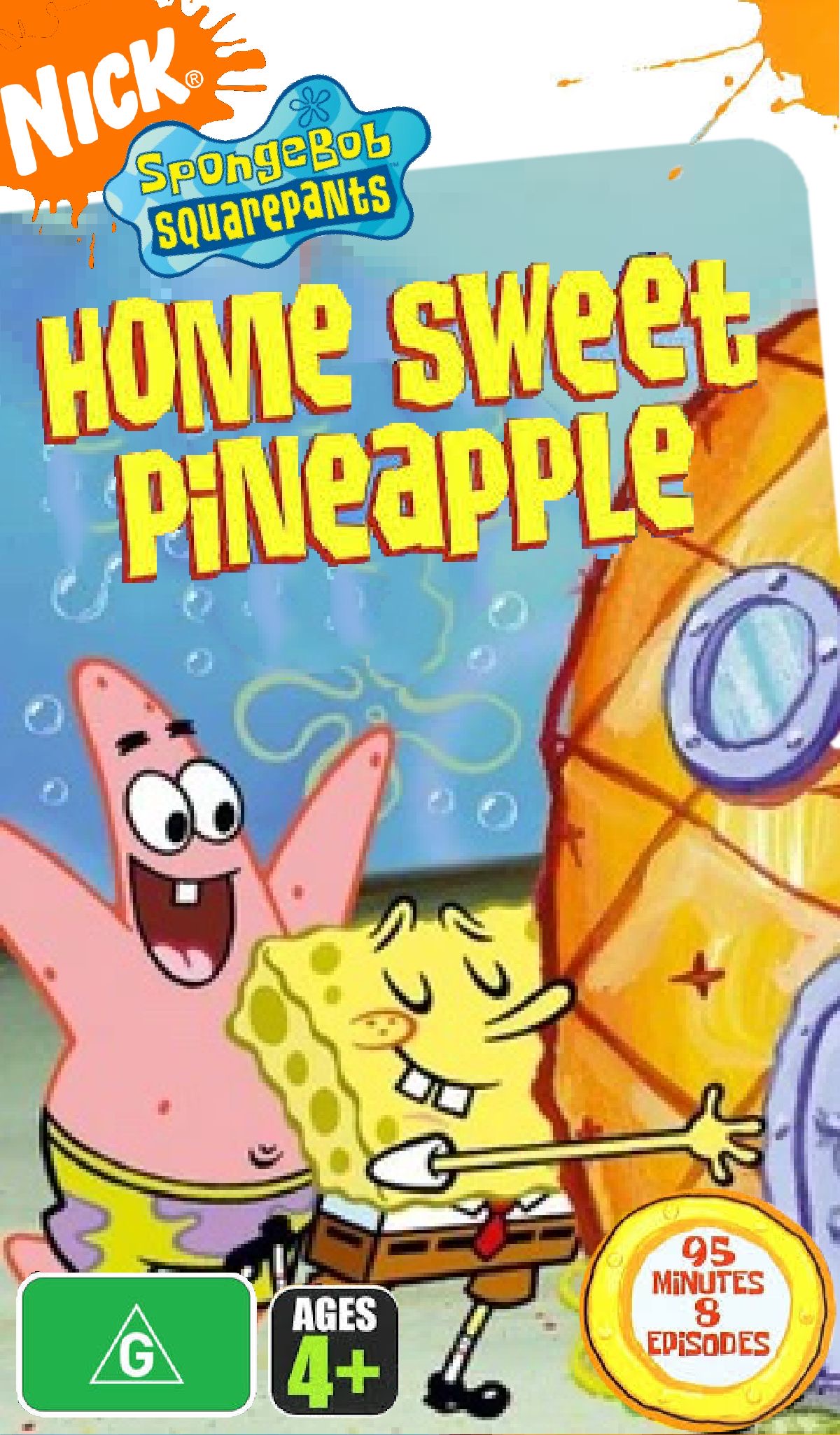
In another classic episode, "Home Sweet Pineapple," the house is consumed by hungry nematodes, leaving nothing but a tiny pebble (the "seed"). Through SpongeBob’s tears and the magical logic of Bikini Bottom, the pebble regrows into the full-sized pineapple overnight. This biological resilience is a recurring theme, ensuring that no matter what catastrophe strikes Bikini Bottom, 124 Conch Street remains a permanent fixture of the neighborhood.
Exterior Architecture and Design
The exterior of SpongeBob’s home is designed to resemble a tropical pineapple, but with industrial and seafaring modifications that allow it to function as a dwelling.
The Biological Shell
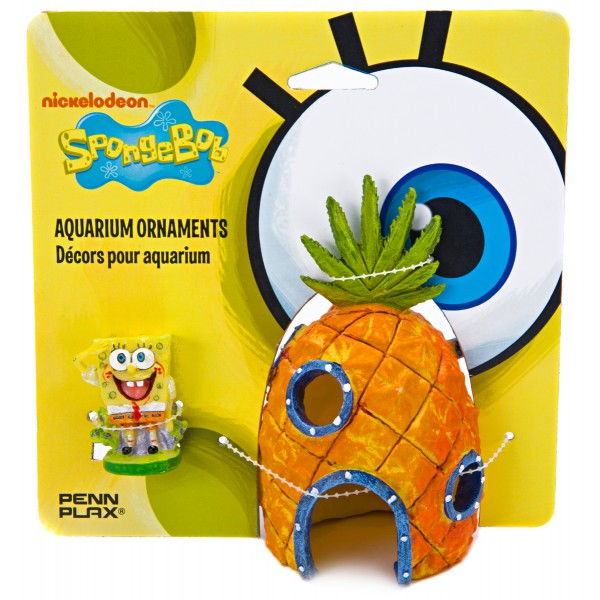
The "walls" of the house are the textured, diamond-patterned skin of a pineapple. In higher-definition episodes released leading up to 2026, the texture is often rendered with a metallic or ceramic sheen, suggesting the fruit has undergone a process of "oceanic fossilization" or reinforcement to withstand deep-sea pressure. The orange hue is vibrant, contrasting sharply with the blue-green environment of the ocean floor.
Functional Attachments
- The Door: A round, heavy metal door with a porthole window, reminiscent of a submarine hatch. It features a simple handle and a traditional doorbell that often emits a foghorn sound.
- The Windows: Several porthole-style windows are scattered across the exterior. These provide natural (albeit refracted) light to the various rooms inside.
- The Chimney: A curved, metal exhaust pipe protrudes from the side, shaped like a snorkel. This is used for ventilation, especially when SpongeBob is grilling Krabby Patties at home.
- The Foliage: At the very top of the house are large, green succulent leaves. These serve as a rooftop terrace or lookout point, where SpongeBob is occasionally seen surveying the neighborhood or playing with Gary.
A Floor-by-Floor Interior Layout
Despite the exterior’s compact appearance, the interior of 124 Conch Street is surprisingly spacious, often defying the laws of physics—a common trait in Bikini Bottom architecture.
The First Floor: Living and Dining
Upon entering, guests find themselves in the living room. This area is characterized by its green, plush sofa and a large, round television set. The floor is typically covered in a patterned rug, and the walls are decorated with maritime-themed art.
Adjacent to the living room is the kitchen and dining area. This is where SpongeBob prepares his meals. It features a large, green refrigerator, a stove, and a table. A notable feature in this area is the foghorn alarm clock, which is loud enough to wake the entire neighborhood. The kitchen also leads to a small laundry room and a garage where SpongeBob keeps his "boatmobile" (or tries to, given his lack of a driver’s license).
The Second Floor: The Library and Bathroom
The second floor is perhaps the most mysterious part of the house. It contains a massive library filled with thousands of books. The library is many times larger than the house itself, featuring high ceilings and a sliding ladder. This room highlights SpongeBob’s intellectual side and his appreciation for literature and history.
The bathroom is also located on this level. It features a shell-themed bathtub and standard plumbing fixtures that somehow work underwater. The decor remains consistent with the nautical-kitsch aesthetic found throughout the home.
The Third Floor: The Bedroom
The top floor is dedicated to SpongeBob’s bedroom. The centerpiece of this room is his bed, which is designed to look like a diving board over a mattress. The room also features a large treasure chest for storage and a specific area for Gary the Snail, complete with a bowl and a sleeping mat. The third floor offers the best views through the upper portholes and provides direct access to the rooftop foliage.
Comparative Neighborhood Real Estate
To understand the uniqueness of SpongeBob’s home, one must look at it in the context of the Conch Street trio. The architectural styles of the three neighbors represent their personalities perfectly.
| Feature | 124 Conch Street (SpongeBob) | 122 Conch Street (Squidward) | 120 Conch Street (Patrick) |
|---|---|---|---|
| Primary Material | Biological/Organic Pineapple | Stone/Moai Statue | Solid Sea Rock |
| Style | Whimsical/Nautical | Easter Island/Modernist | Minimalist/Subterranean |
| Interior Complexity | High (Multi-room/Library) | Medium (Art Studio/Gallery) | Low (Single room under rock) |
| Unique Feature | Regrowable "Seed" basis | Sound-sensitive acoustics | Furniture made of sand |
| Occupant Pet | Gary the Snail | None (formerly Snellie) | None |
Real-Life Replicas and Tourism in 2026
The popularity of SpongeBob’s home has transitioned from the screen to the real world. For fans looking to experience the pineapple house firsthand, several options have emerged over the decades.
The Nickelodeon Hotels & Resorts (Punta Cana)
The most famous real-life version of the house is "The Pineapple" villa at the Nickelodeon Resort in the Dominican Republic. As of 2026, this remains a premier destination for families. The villa’s exterior is an exact replica of the cartoon home, while the interior is a luxury two-bedroom suite. While the layout inside is designed for hotel comfort rather than cartoon accuracy, the foyer is a pixel-perfect recreation of SpongeBob’s living room, including the shell phone and the green chair.
Fan-Made Structures and VR Experiences
With the advancement of virtual reality (VR) by 2026, many fans use highly detailed "digital twins" of Bikini Bottom to explore the pineapple house. These VR experiences allow users to walk through the library, check Gary's bowl, and even interact with the foghorn alarm clock. Additionally, architectural enthusiasts have built "tiny home" versions of the pineapple in various themed parks and private residences globally, though none are as functional as the Dominican Republic resort.
The Cultural Significance of the Pineapple
The choice of a pineapple as a home was not accidental. In maritime history, the pineapple was often a symbol of hospitality and welcome. For SpongeBob, the house represents his eternal optimism and his "open door" policy toward his friends.
Architecturally, the house stands as a symbol of surrealism in animation. It breaks the mold of traditional house shapes, teaching viewers that a home can be anything—from a rock to a statue to a piece of fruit—as long as it is filled with character. The fact that the house is frequently destroyed (only to reappear in the next episode) also reinforces the show's status as a "reset" sitcom, where the status quo is a comfort to the audience.
Frequently Asked Questions
What is the official address of SpongeBob’s house?
The official address is 124 Conch Street, Bikini Bottom, Pacific Ocean. It is located between Squidward Tentacles' house (122 Conch Street) and Patrick Star's house (120 Conch Street).
How many rooms are in the pineapple house?
The house typically contains a living room, kitchen, laundry room, garage, bathroom, library, and bedroom. However, the internal dimensions frequently change based on the needs of the episode's plot, sometimes featuring extra closets or hidden hallways.
Why does SpongeBob live in a pineapple?
Lore-wise, it fell off a ship and he found it to be the perfect fit. Artistically, creator Stephen Hillenburg wanted a unique, organic shape that stood out against the more structured designs of the city, reflecting SpongeBob's bubbly and unconventional personality.
Does the pineapple house grow?
Yes, it has been shown to grow from a small seed or pebble. In the episode "Home Sweet Pineapple," the house regrows after being eaten by nematodes. This suggests the house is a living biological entity or at least possesses magical properties.
Is the real-life Pineapple Villa in Punta Cana still open in 2026?
Yes, as of 2026, the Nickelodeon Hotels & Resorts in Punta Cana continues to operate "The Pineapple" as its flagship signature suite. It remains one of the most booked themed hotel rooms in the world.
Practical Recommendation for Fans
If you are planning to celebrate the legacy of SpongeBob in 2026, the best way to "visit" the home is through the official Nickelodeon VR Bikini Bottom Tour. It provides the most geographically accurate representation of the interior rooms, including the massive library that is rarely shown in full during the television episodes. For those seeking a physical experience, booking the Punta Cana villa at least 12 months in advance is recommended due to its continued high demand.
Image Gallery