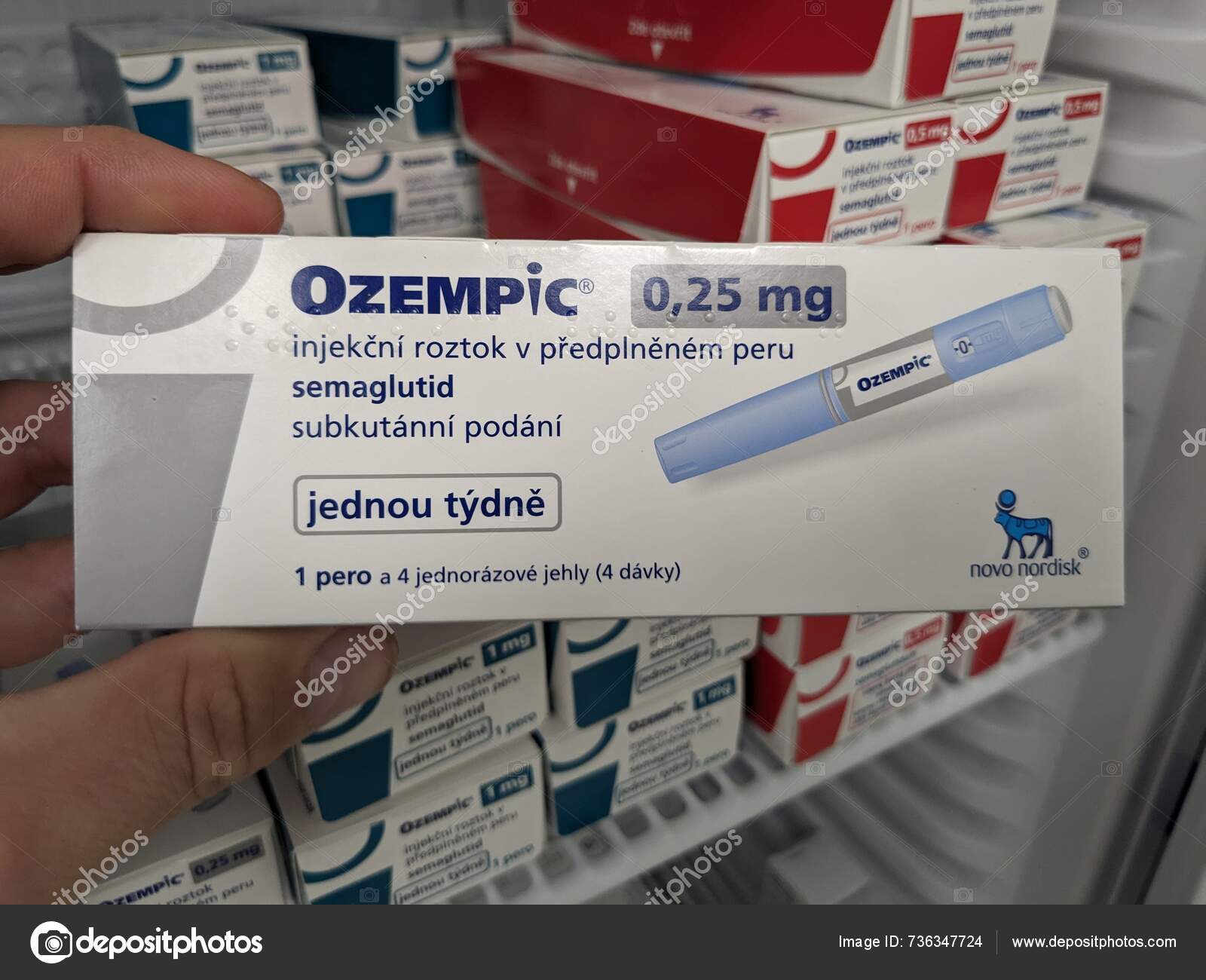
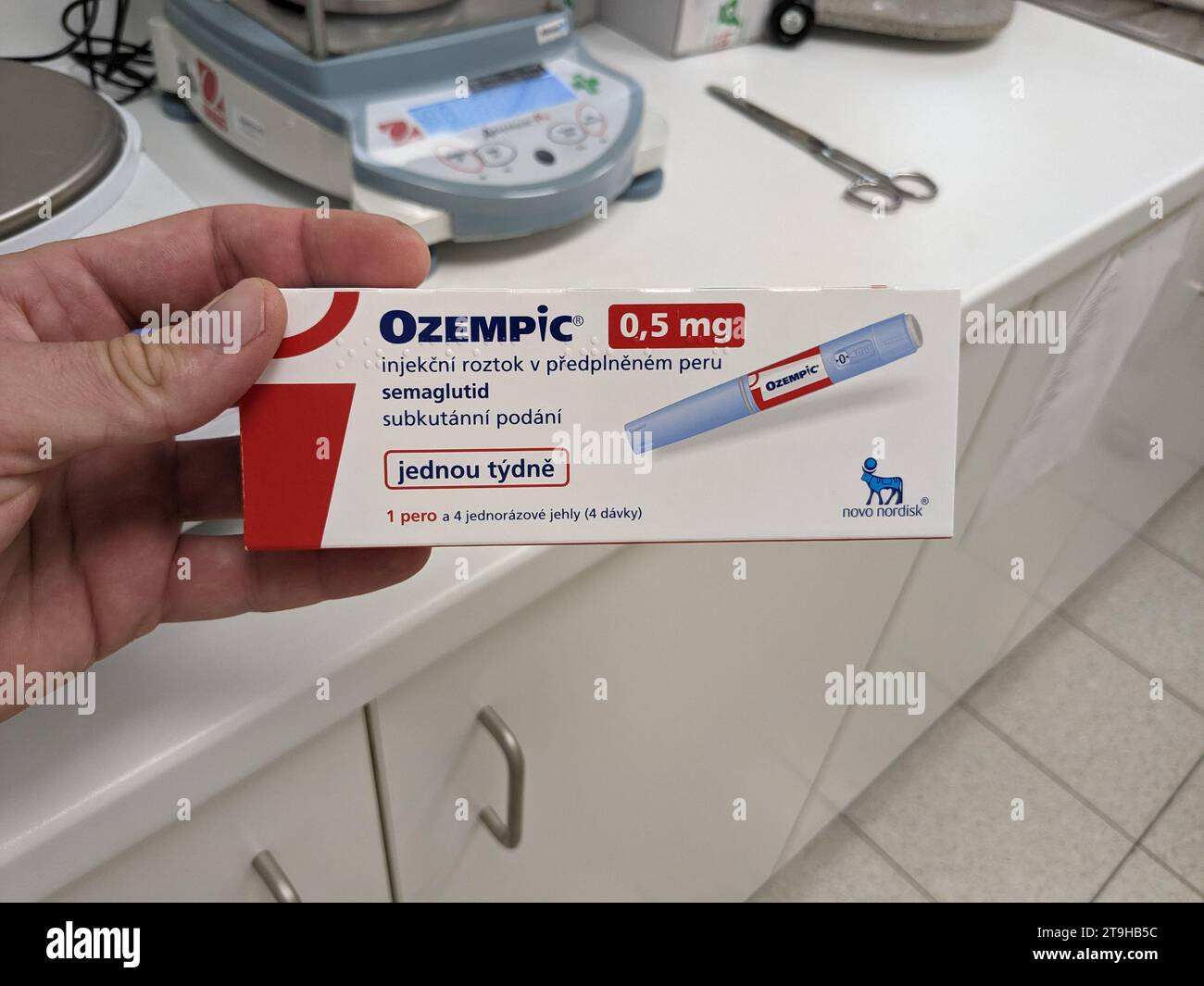
Understanding the Pill Version of Ozempic: A Guide to Oral Semaglutide in 2026
The pill version of Ozempic is a medication called Rybelsus, which contains the same active ingredient, semaglutide. While Ozempic is administered via a weekly injection, Rybelsus is a daily tablet approved to improve blood sugar contr...
The pill version of Ozempic is a medication called Rybelsus, which contains the same active ingredient, semaglutide. While Ozempic is administered via a weekly injection, Rybelsus is a daily tablet approved to improve blood sugar control in adults with Type 2 diabetes and, in higher doses, for chronic weight management.
Contents
As we move through 2026, the landscape of GLP-1 (glucagon-like peptide-1) receptor agonists has expanded significantly. While the "Ozempic" brand remains synonymous with the once-weekly injectable for diabetes, the pharmaceutical evolution has shifted heavily toward oral delivery systems. These oral versions provide an alternative for patients who have "needle phobia" or those who find the cold-chain storage requirements of injectables difficult to manage during travel or daily life.
What is the Pill Version of Ozempic?
To understand the pill version, one must first understand semaglutide. Semaglutide is a GLP-1 receptor agonist that mimics a hormone naturally produced in the small intestine. This hormone performs three primary functions: it stimulates insulin secretion, suppresses glucagon (which prevents the liver from releasing too much sugar), and slows gastric emptying to make the patient feel full longer.
The primary pill version currently on the market is Rybelsus. It was the first oral GLP-1 treatment approved by the FDA. In the years leading up to 2026, clinical research, specifically the OASIS trials, has further expanded the use of oral semaglutide. While Rybelsus was initially launched in 7 mg and 14 mg doses for diabetes, higher-dose versions (up to 50 mg) have been developed specifically to match the weight-loss efficacy of the injectable Wegovy (the weight-loss-branded version of Ozempic).
The Relationship Between Ozempic, Rybelsus, and Wegovy
All three medications are manufactured by Novo Nordisk and utilize the same base molecule: semaglutide. The distinction lies entirely in the delivery method and the FDA-approved indication:
- Ozempic: Injectable, approved for Type 2 diabetes and cardiovascular risk reduction.
- Wegovy: Injectable, approved for chronic weight management (obesity).
- Rybelsus: Oral tablet, approved for Type 2 diabetes.
- High-Dose Oral Semaglutide: Often colloquially called the "Ozempic pill" for weight loss, these higher doses (25 mg and 50 mg) have transitioned from clinical trials into broader clinical use by 2026.
The Science of Absorption: How a Peptide Becomes a Pill
One of the greatest challenges in modern pharmacology was turning semaglutide into a pill. Peptides are typically broken down by stomach acid and enzymes before they can be absorbed into the bloodstream. This is why insulin and many other biologic drugs must be injected.
To overcome this, the pill version of Ozempic uses a specialized absorption enhancer called SNAC (salcaprozate sodium). This technology works in two ways:
- Local pH Neutralization: It temporarily increases the pH level in the immediate vicinity of the tablet in the stomach, protecting the semaglutide from acidic degradation.
- Permeability Enhancement: It facilitates the transport of the semaglutide molecules across the stomach lining and into the bloodstream.
Because this absorption process is highly sensitive, the oral version has very strict administration guidelines. Even a small amount of food or too much water can interfere with the SNAC technology, rendering the medication ineffective. This is a critical distinction from the injectable version, which has a bio-availability of nearly 90% regardless of food intake.
Efficacy Comparison: Pills vs. Injections
A common question for patients in 2026 is whether the pill is as effective as the "gold standard" injection. The answer depends on the dose and the intended outcome (blood sugar vs. weight loss).
For Blood Sugar (A1c) Control
In clinical trials like the PIONEER program, 14 mg of oral semaglutide was found to be comparable to 0.5 mg and 1.0 mg of injectable Ozempic in reducing HbA1c levels. For most patients with Type 2 diabetes, the pill provides sufficient glycemic control.
For Weight Management
For a long time, the injection held a clear lead in weight loss. However, the introduction of high-dose oral semaglutide has closed that gap. Data from the OASIS 1 clinical trial demonstrated that a 50 mg daily oral dose resulted in weight loss percentages (approximately 15% over 68 weeks) that are virtually identical to those achieved by the 2.4 mg Wegovy injection.
| Feature | Rybelsus (Standard) | High-Dose Oral Semaglutide | Ozempic / Wegovy (Injection) |
|---|---|---|---|
| Active Ingredient | Semaglutide | Semaglutide | Semaglutide |
| Administration | Daily Oral Tablet | Daily Oral Tablet | Weekly Injection |
| Standard Doses | 3mg, 7mg, 14mg | 25mg, 50mg | 0.25mg to 2.4mg |
| Primary Goal | Diabetes Control | Weight Loss / Diabetes | Diabetes / Weight Loss |
| Storage | Room Temp (Blister Pack) | Room Temp (Blister Pack) | Refrigerated (Pens) |
| Absorption Rate | Low (~1%) | Low (~1%) | High (~89%) |
Administration Requirements: Why Timing Matters
The oral version of semaglutide requires significantly more discipline than the injection. To ensure the medication reaches the bloodstream, patients must follow a strict three-step protocol:
- Empty Stomach: The pill must be taken immediately upon waking.
- Specific Water Volume: It should be swallowed with no more than 4 ounces (120 ml) of plain water. Using coffee, juice, or even too much water can dilute the SNAC enhancer and prevent absorption.
- The 30-Minute Wait: Patients must wait at least 30 minutes before eating, drinking anything else, or taking other oral medications.
By 2026, many healthcare providers emphasize that failing to follow this window is the number one reason for "treatment failure" with the pill version. If the 30-minute window is cut short, the amount of medication absorbed can drop to nearly zero.
Side Effects and Safety Considerations
The side effect profile for the pill version is very similar to the injectable version, as the systemic effects of the drug are the same once it enters the blood. However, some patients report more localized gastrointestinal issues with the pill due to the direct contact of the tablet and the SNAC enhancer with the stomach lining.
Common side effects include:
- Nausea: Most common during the first few weeks of dose escalation.
- Abdominal Pain: Often described as a feeling of fullness or bloating.
- Diarrhea or Constipation: GLP-1s significantly slow down the digestive tract.
- Reduced Appetite: While this is a desired effect for weight loss, it can sometimes lead to "food aversion."
Serious Risks: As with all semaglutide products, there are boxed warnings regarding the risk of Thyroid C-cell tumors. Patients with a personal or family history of Medullary Thyroid Carcinoma (MTC) or Multiple Endocrine Neoplasia syndrome type 2 (MEN 2) should not use the medication. Additionally, there are risks of pancreatitis, gallbladder problems, and kidney injury, which require monitoring by a physician.
Cost, Insurance, and Market Availability in 2026
By 2026, the supply chain issues that plagued GLP-1 medications in 2023 and 2024 have largely stabilized. However, cost remains a primary factor for many patients.
- Insurance Coverage: Most commercial insurance plans cover Rybelsus for Type 2 diabetes. Coverage for the high-dose oral versions for weight loss varies by employer and plan type. Many plans require "prior authorization" and proof of a specific Body Mass Index (BMI).
- List Price: Without insurance, the pill version can cost between $900 and $1,200 per month. Manufacturers often offer savings cards that can reduce the cost to as little as $10–$25 for eligible patients with commercial insurance.
- Medicare/Medicaid: In 2026, Medicare generally covers the pill for diabetes (Part D), but statutory limitations still restrict the coverage of medications specifically indicated for weight loss, though recent legislative shifts have begun to expand access for patients with comorbid cardiovascular disease.
FAQ: Frequently Asked Questions
1. Is the pill version as effective as the injection?
Yes, for blood sugar control, the 14 mg Rybelsus pill is comparable to the standard 1.0 mg Ozempic injection. For weight loss, the newer 50 mg oral dose has shown parity with the 2.4 mg Wegovy injection in clinical trials. However, the pill's effectiveness is highly dependent on following strict fasting rules.
2. Can I switch from Ozempic injections to the pill?
Many patients make this switch. Generally, doctors recommend a "washout period" or a specific transition schedule. For example, a patient on 0.5 mg of Ozempic might transition to 7 mg or 14 mg of Rybelsus. Always consult a healthcare provider before switching, as the dosing is not a 1:1 ratio.
3. Why is there no "generic" version of the Ozempic pill yet?
Semaglutide is protected by several patents held by Novo Nordisk. While some components of the SNAC technology have older origins, the specific combination and the semaglutide molecule itself are not expected to see generic competition until closer to the 2030s.
4. What happens if I forget to take the pill in the morning?
If you miss the morning window and have already eaten, it is usually recommended to skip that day's dose and resume the next morning. Taking the pill after food significantly reduces its absorption, making it essentially ineffective.
5. Does the pill version need to be refrigerated?
No. Unlike Ozempic pens, which require refrigeration before their first use and should be kept cool, Rybelsus and other oral semaglutide tablets are shelf-stable at room temperature. They must, however, be kept in their original blister packaging to protect them from moisture.
Practical Recommendation: Is the Pill Right for You?
Choosing between the pill version and the injection comes down to lifestyle and biological response. If you have a consistent morning routine and can adhere to the 30-minute fasting requirement, the pill offers a needle-free existence and easier storage. However, if your mornings are chaotic or you find that the pill causes more stomach upset than the injection, the once-weekly Ozempic or Wegovy pen may be a better fit.
For those seeking the pill specifically for weight loss in 2026, ensure you are discussing the high-dose oral semaglutide options with your doctor, as the standard 7 mg or 14 mg doses intended for diabetes may not provide the "weight loss" results seen in the OASIS trials. Always verify your insurance coverage beforehand, as the "off-label" use of diabetes pills for weight loss is increasingly scrutinized by payers.
Image Gallery