What Is a Market Order in Stocks? A Comprehensive Guide for 2026
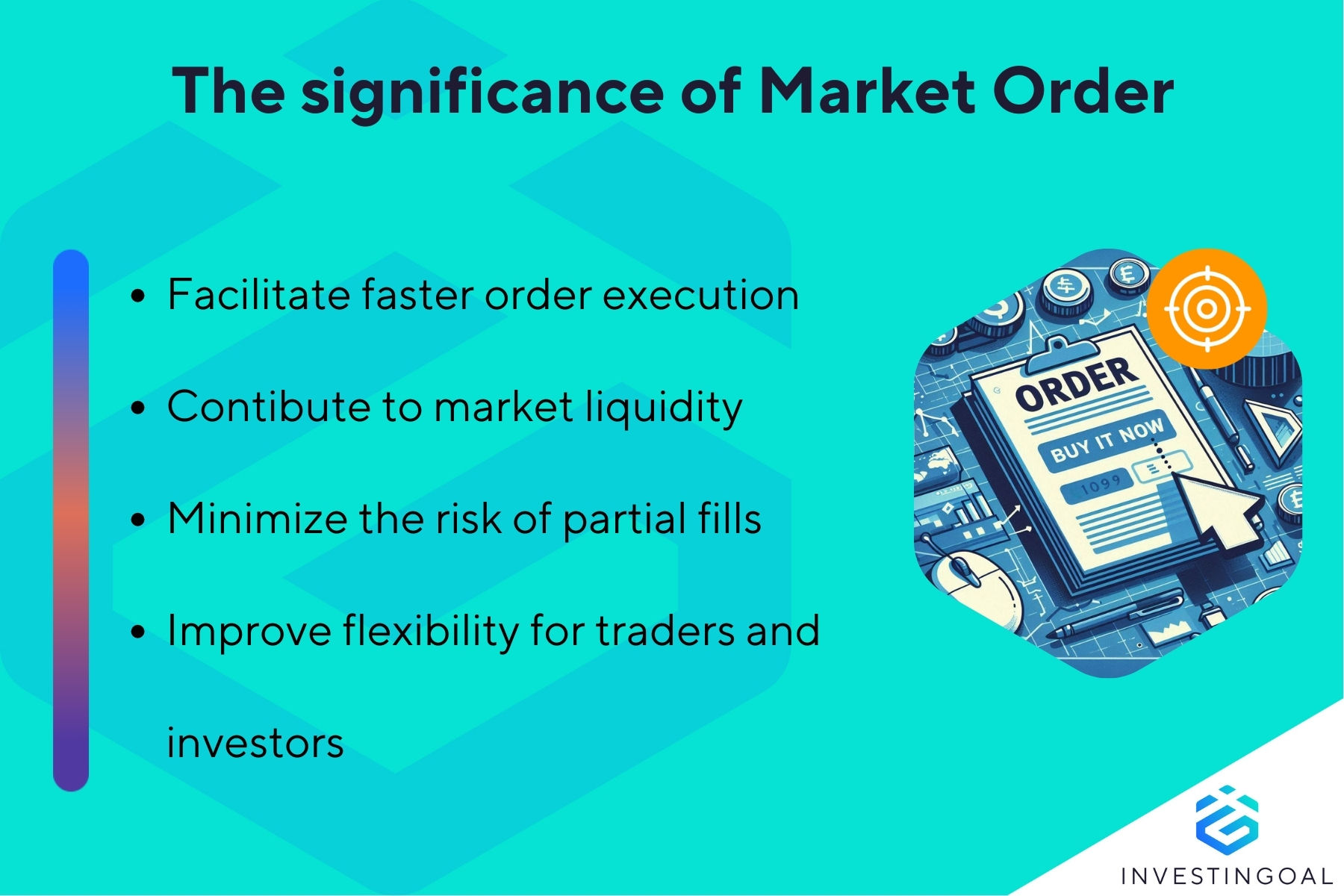
A market order is an instruction by an investor to a brokerage to buy or sell a stock immediately at the best available current price. Because it prioritizes execution speed over a specific price point, a market order ensures the trade...
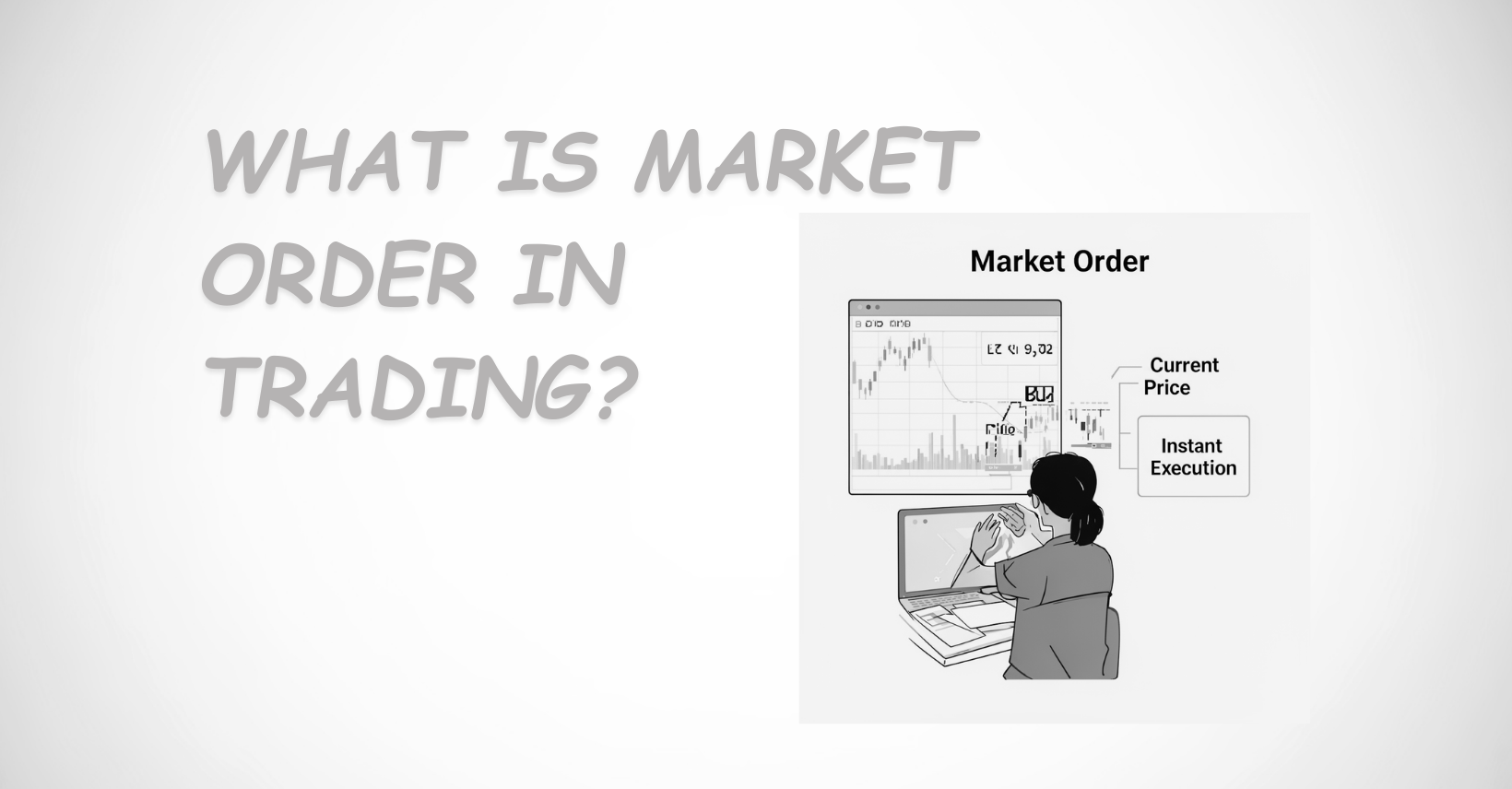
A market order is an instruction by an investor to a brokerage to buy or sell a stock immediately at the best available current price. Because it prioritizes execution speed over a specific price point, a market order ensures the trade is completed quickly, typically during active market hours.
Contents
When you enter the world of stock trading, the "market order" is often the first tool you encounter. It is the default setting on most retail trading platforms in 2026 because of its simplicity. However, beneath its straightforward exterior lies a mechanism that relies on liquidity, the bid-ask spread, and real-time market dynamics. Understanding how these factors influence your final execution price is essential for any investor looking to manage their portfolio effectively.
How a Market Order Works in the 2026 Equity Market
A market order functions as a "fill at any cost" command. When you submit a market order to buy, you are telling your broker to find the cheapest available seller and execute the trade right now. Conversely, a market order to sell tells the broker to find the highest-paying buyer currently waiting in the wings.
The Role of the Bid-Ask Spread
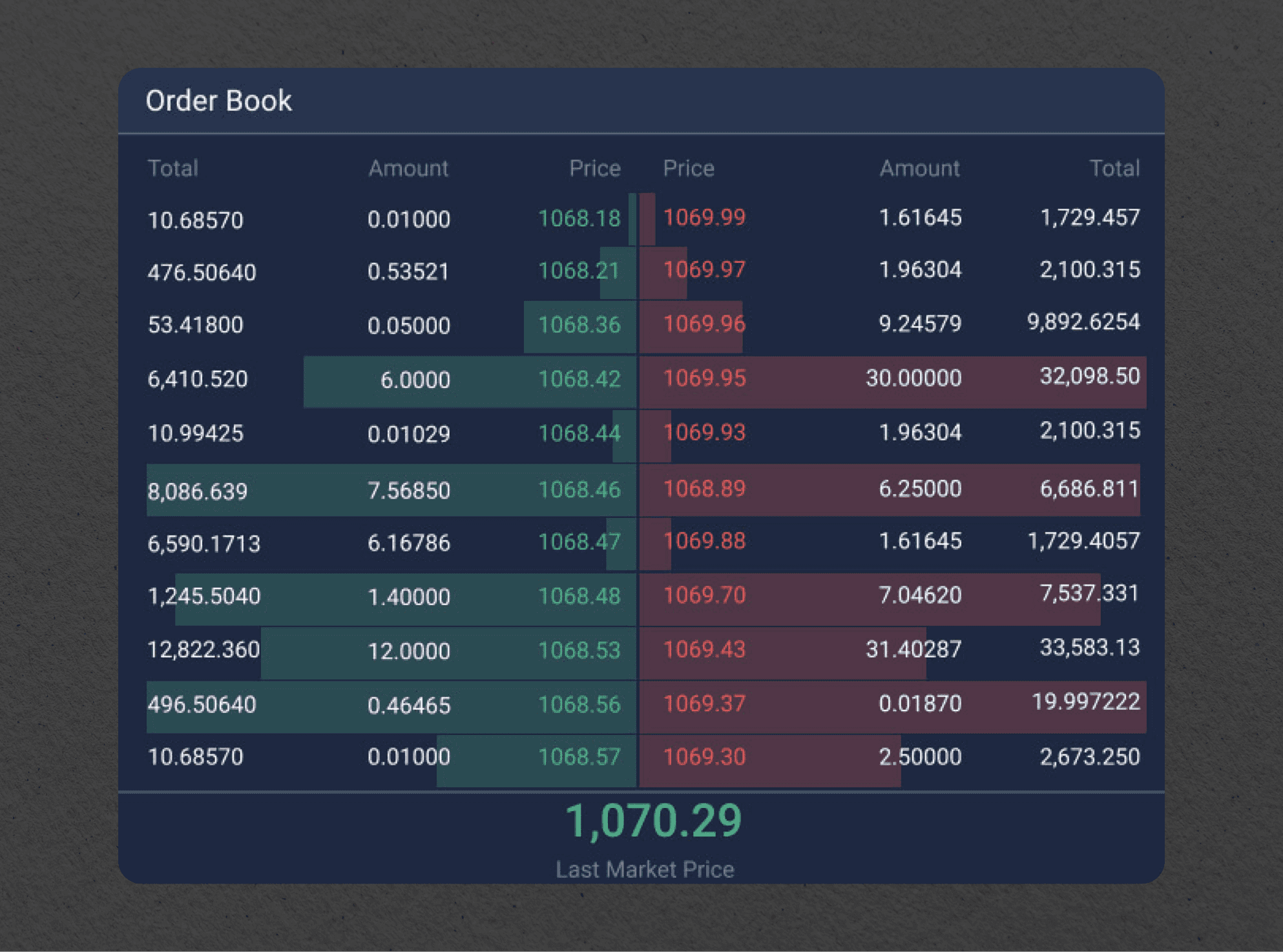
To understand the execution of a market order, one must understand the bid-ask spread. At any given moment, there are two primary prices for a stock:
- The Bid: The highest price a buyer is willing to pay.
- The Ask (or Offer): The lowest price a seller is willing to accept.
When you place a market buy order, you will usually be filled at the ask price. When you place a market sell order, you will usually be filled at the bid price. The difference between these two is the spread, which essentially acts as a transaction cost. In 2026, for highly liquid stocks like Apple (AAPL) or Microsoft (MSFT), this spread is often just a penny. For less liquid "small-cap" stocks, the spread can be significantly wider, meaning a market order could result in a much worse price than the last "traded price" you saw on your screen.
Execution Priority and the NBBO
Brokers are legally obligated under the National Best Bid and Offer (NBBO) regulation to provide investors with the best available price across all exchanges. When you hit "buy" via a market order, the system scans various exchanges (such as the NYSE, NASDAQ, and various "dark pools") to ensure your order hits the absolute best price available at that microsecond. In the high-frequency environment of 2026, this process happens in milliseconds.
Market Orders vs. Limit Orders: The Fundamental Choice
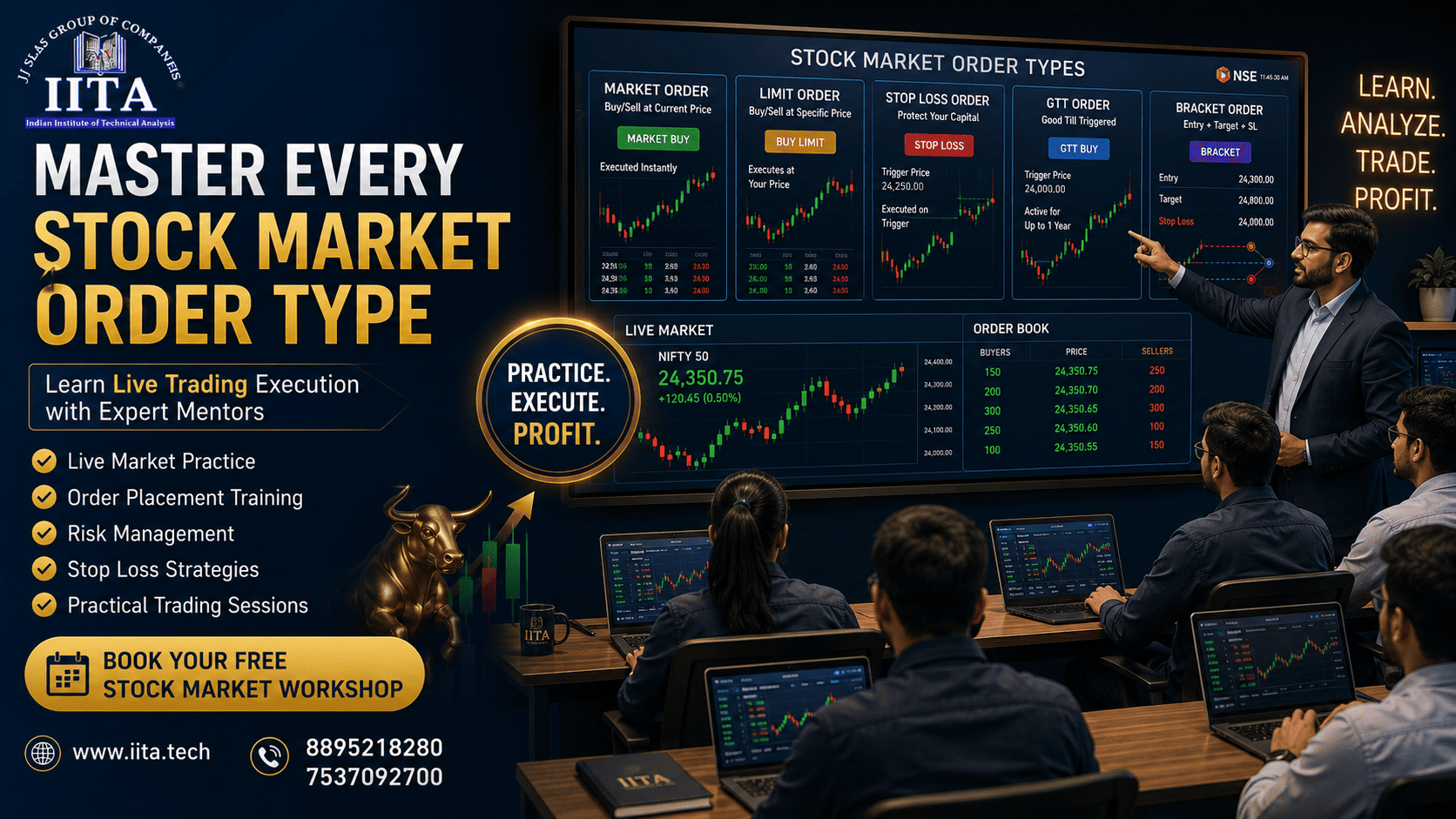
The most common point of confusion for new investors is deciding between a market order and a limit order. The choice boils down to a trade-off between certainty of execution and certainty of price.
Priority of Execution
With a market order, you are guaranteed that your trade will be executed (assuming there is someone on the other side of the trade). You have no guarantee of what that price will be. In a fast-moving market, the price could jump several cents or even dollars between the time you click "submit" and the time the order is filled.
Priority of Price
A limit order allows you to set a maximum price you are willing to pay (for a buy) or a minimum price you are willing to accept (for a sell). The trade-off is that if the stock never hits your specified price, the order will never execute. You gain control over your entry or exit point, but you risk "missing the boat" if the stock moves away from your limit.
| Feature | Market Order | Limit Order |
|---|---|---|
| Execution Speed | Immediate (during market hours) | Delayed or may never execute |
| Price Certainty | Low; price can fluctuate | High; executes at your price or better |
| Primary Goal | To get in or out of a position now | To control the cost or profit of a trade |
| Best Use Case | Large-cap stocks with high liquidity | Volatile stocks or low-volume securities |
| Risk | Price slippage in volatile markets | Opportunity cost (missing the trade) |
The Risks of Market Orders: Slippage and Gapping
While market orders are convenient, they are not without significant risks, particularly during periods of high volatility or in "thinly traded" stocks.
1. Price Slippage
Slippage occurs when the price at which your order is executed is different from the price you expected. This usually happens because the "market" moved faster than your order could be processed, or because your order was large enough to exhaust the available shares at the current best price, forcing the broker to fill the rest of your order at a less favorable price.
For example, if you place a market order to buy 1,000 shares of a small biotech company, there might only be 200 shares available at $10.00. The next 800 shares might be priced at $10.10 or higher. Your "market order" would sweep through these prices, resulting in an average cost higher than $10.00.
2. Market Gapping
Gapping occurs when a stock price jumps significantly from one trade to the next, often happening between the market close and the next day's open. If you place a market order while the market is closed, it will execute at the opening price the following morning. If the company releases bad news overnight, the stock might "gap down." A market sell order placed the night before would execute at that new, lower opening price, potentially far below where you intended to sell.
3. Flash Volatility
In rare instances, algorithmic trading can cause "flash" events where liquidity disappears for seconds. A market order placed during such a moment could execute at an irrational price before the market stabilizes. While 2026 trading safeguards are robust, the risk remains inherent to the "fill at any price" nature of the order.
When Should You Use a Market Order?
Despite the risks, market orders remain a vital tool for specific scenarios. Experienced traders and long-term investors use them when the following conditions are met:
- Trading Highly Liquid Stocks: If you are buying a "Blue Chip" stock with millions of shares traded daily, the bid-ask spread is negligible, and slippage is unlikely for standard retail sizes.
- Urgency is Paramount: If a stock is moving rapidly and you believe it will continue to trend in that direction, getting filled immediately is often more important than haggling over a few cents.
- Small Position Sizes: For a small investor buying just a few shares, the difference between a market and limit order is often just pennies, making the simplicity of the market order preferable.
- Exiting a Losing Position: If a trade has gone against you and you need to "get out now" to preserve capital, a market order ensures you are no longer holding the bag.
Market Orders in Different Trading Sessions
It is important to note that market orders behave differently depending on when they are placed.
During Regular Market Hours (9:30 AM – 4:00 PM ET)
This is the "gold standard" for market orders. Liquidity is at its peak, and market makers are actively providing quotes. Market orders are executed almost instantaneously.
Pre-Market and After-Hours Trading
Most brokerages do not allow market orders during extended-hours trading. This is because the volume of shares being traded is much lower, and the bid-ask spreads are much wider. To protect investors from extreme slippage, brokers typically require limit orders for any trades placed outside of standard exchange hours. If you submit a market order while the market is closed, it is usually "queued" to execute as soon as the market opens at 9:30 AM the next business day.
Technical Execution and Brokerage Handling
In 2026, the path of a market order from your smartphone to the exchange is complex. When you tap "Buy," the order goes to your broker's router. Many retail brokers use Payment for Order Flow (PFOF), sending your order to wholesale market makers like Citadel Securities or Virtu Financial.
These wholesalers often provide "price improvement," executing your buy order at a price slightly lower than the public ask price. This allows brokers to offer commission-free trading while still satisfying the legal requirement of "best execution." According to the U.S. Securities and Exchange Commission (SEC), brokers must have established procedures to ensure they are obtaining the most favorable terms reasonably available for their customers' orders.
Practical Example: A Market Order in Action
Imagine you are looking at "Company X," which is currently quoted with a Bid of $50.00 and an Ask of $50.05. The "Last Price" shown on your ticker is $50.02.
- Placement: You decide you want to own 100 shares of Company X immediately. You select "Market Order" and "Buy."
- Execution: Your broker routes the order. Since you are a buyer, you are matched with the lowest seller (the Ask).
- The Result: You are filled for 100 shares at $50.05.
- Analysis: Even though the "Last Price" was $50.02, you paid $50.05 because that was the actual price available from a seller at that moment. The $0.03 difference per share is the cost of immediate liquidity.
Frequently Asked Questions
Can I cancel a market order?
In theory, yes, but in practice, no. Because market orders are processed in milliseconds, by the time you click "cancel," the order has likely already been executed. Only in very rare cases of exchange-wide delays could you successfully cancel a market order after submission.
Are market orders better for beginners?
Market orders are the easiest for beginners to understand, but they are not always the "better" choice. Beginners should use market orders for large, liquid stocks but switch to limit orders for volatile or low-volume stocks to avoid unexpected losses from slippage.
Why was my market order filled at a price I didn't see on my screen?
Stock quotes on some free platforms can be delayed by up to 15 minutes. Additionally, even with real-time quotes, the price can change in the fraction of a second it takes for your order to reach the exchange. This is why the execution price may differ from your screen price.
Does a market order expire?
Market orders are "Day Orders" by default. If you place one while the market is open, it executes immediately. If you place it when the market is closed, it stays active until the market opens and executes then. Unlike limit orders, they do not stay "open" for multiple days because they fill instantly.
Is there a fee for market orders in 2026?
Most major U.S. retail brokerages continue to offer $0 commission for market orders on stocks and ETFs in 2026. However, the "hidden" cost remains the bid-ask spread and any potential slippage.
Final Recommendation for Investors
As we navigate the markets in 2026, the market order remains a fundamental tool, but it should be used with precision. For long-term investors buying high-volume ETFs or S&P 500 stocks, a market order is perfectly acceptable and efficient. However, if you are trading during periods of extreme news-driven volatility or dealing with less popular stocks, always consider using a limit order instead. This simple switch puts you back in control of your capital, ensuring that you never pay more—or receive less—than you intended.
Image Gallery