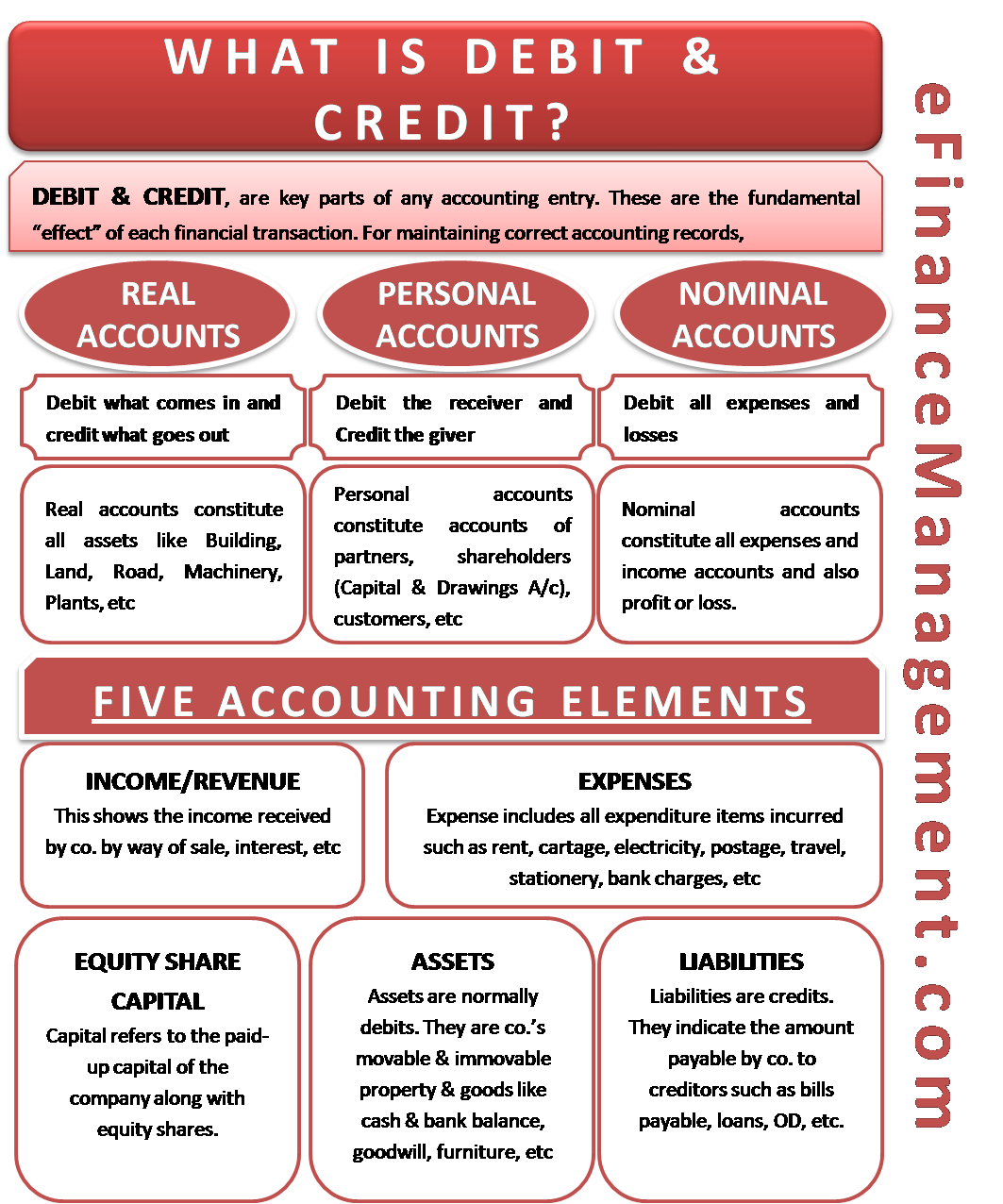
Accounting for Payments: When You Paid Cash on Account, Is It a Debit or Credit?
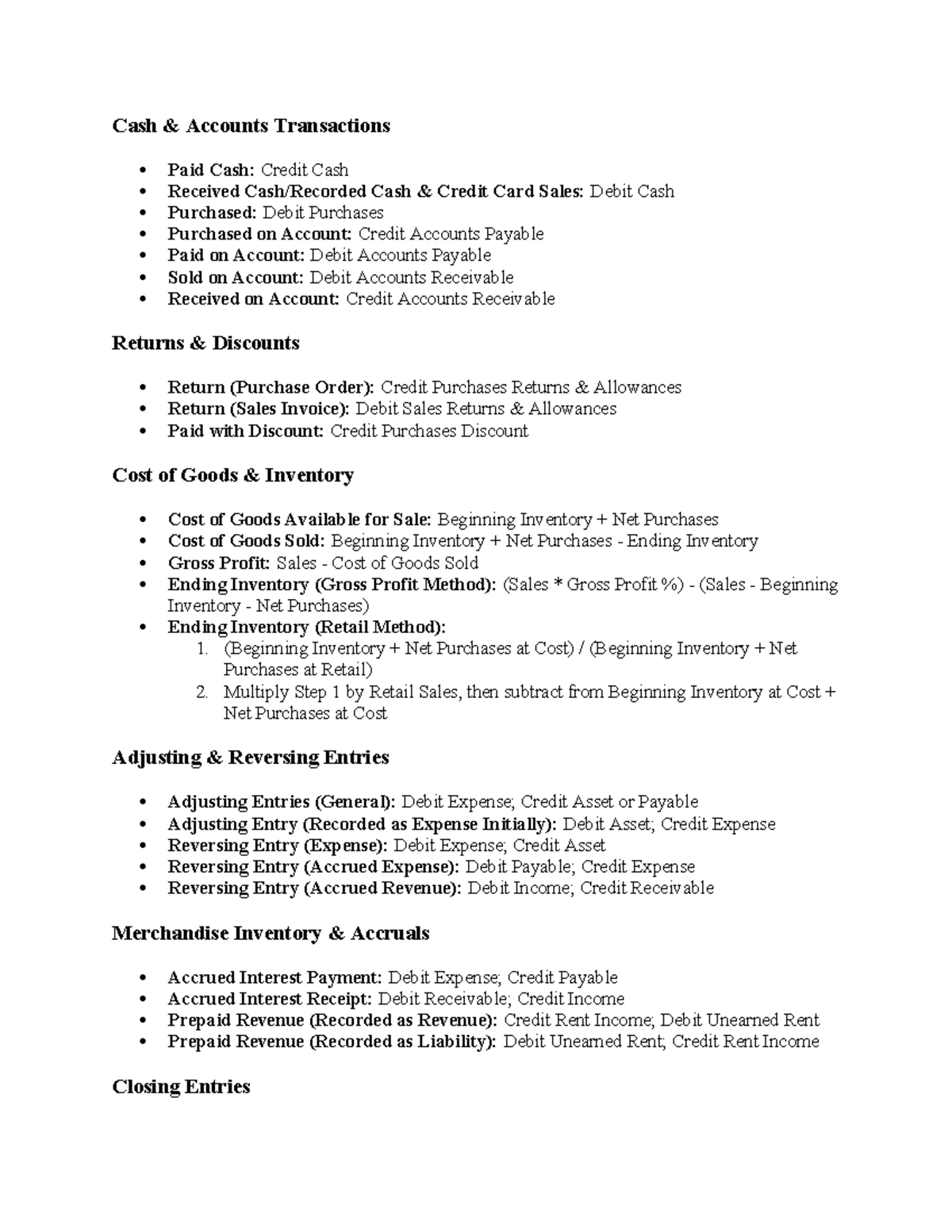
When you pay cash on account, you debit Accounts Payable and credit Cash. This transaction reflects the settlement of a prior debt, resulting in a decrease in your company’s liabilities (Accounts Payable) and a corresponding decrease i...
When you pay cash on account, you debit Accounts Payable and credit Cash. This transaction reflects the settlement of a prior debt, resulting in a decrease in your company’s liabilities (Accounts Payable) and a corresponding decrease in your company’s assets (Cash) within the double-entry bookkeeping system.
Contents
The phrase "paid cash on account" is a foundational concept in accrual-basis accounting. It describes the specific moment when a business fulfills its financial obligation to a vendor or creditor for goods or services previously received. Understanding why these specific debits and credits occur requires a look at the rules of the accounting equation and the lifecycle of credit transactions.
The Fundamental Journal Entry for Cash Payments on Account
In the current 2026 fiscal landscape, businesses continue to rely on the double-entry system to maintain accurate financial records. Every transaction must affect at least two accounts to keep the accounting equation—Assets = Liabilities + Equity—in balance.
When a transaction states that a business "paid cash on account," the journal entry is recorded as follows:
- Debit: Accounts Payable
- Credit: Cash
Why Debit Accounts Payable?
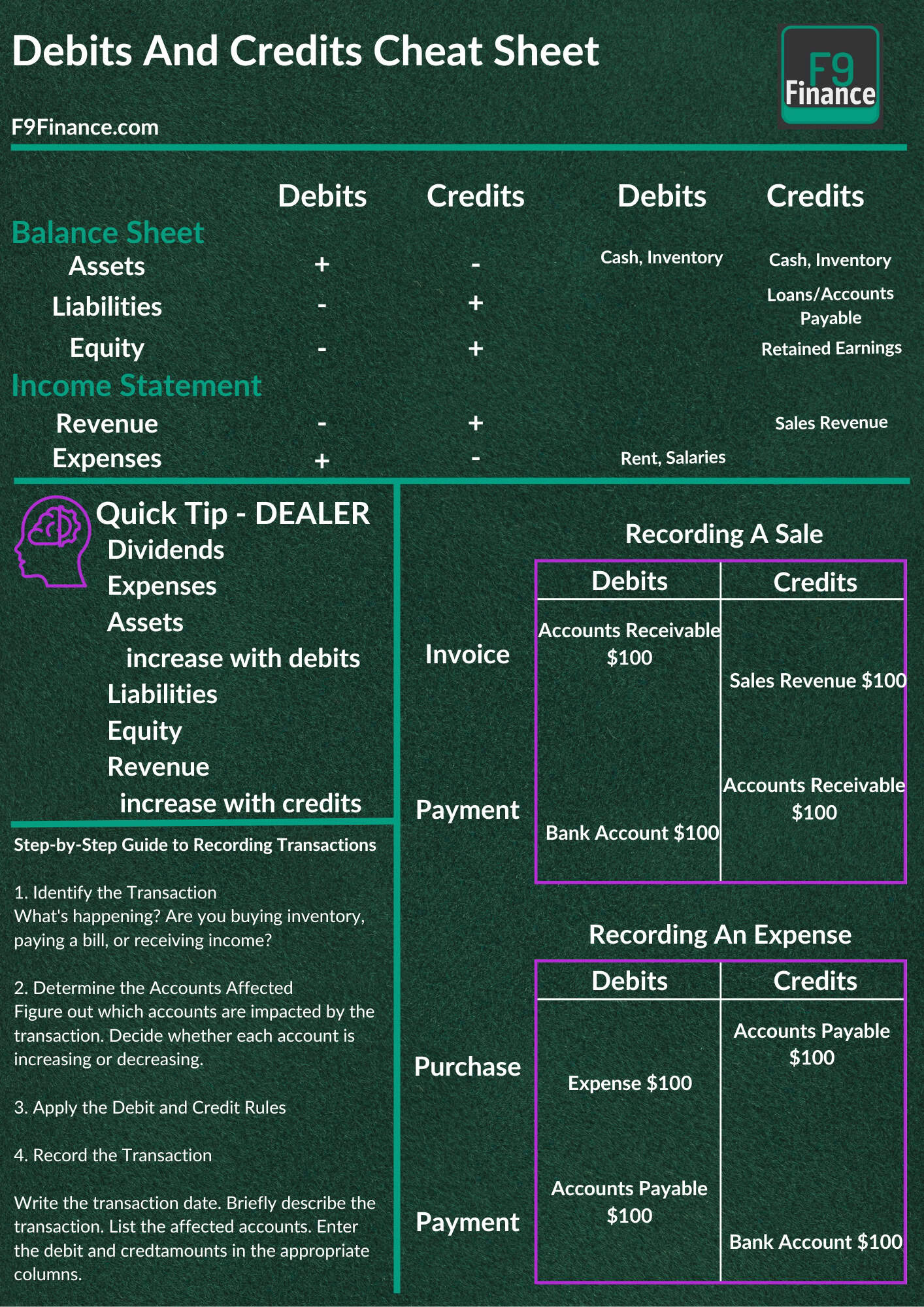
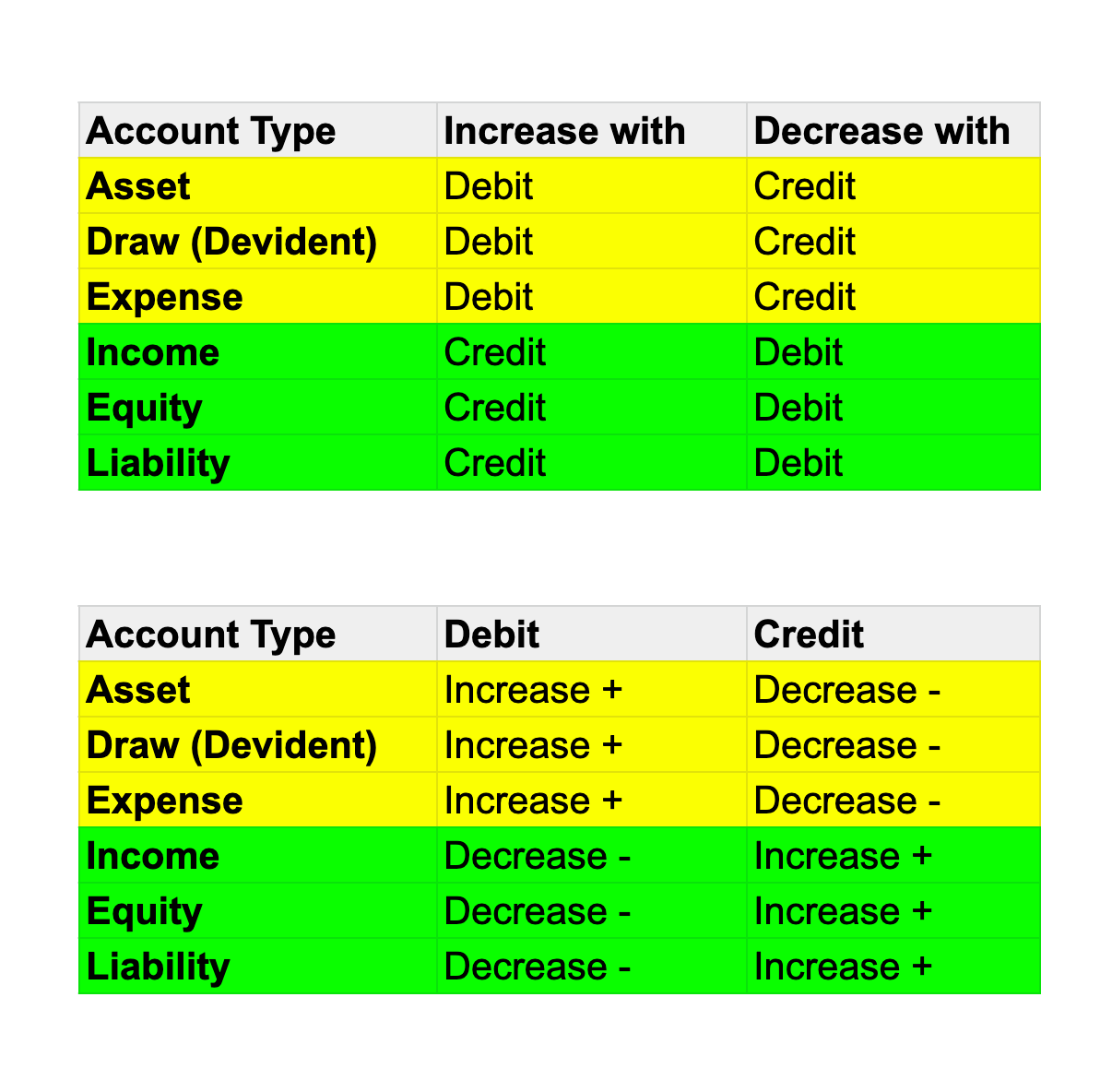
Accounts Payable is a liability account. Under the rules of accounting, liabilities have a "normal credit balance," meaning they increase with a credit and decrease with a debit. When you pay a vendor, you are reducing the amount of money you owe. Therefore, to show a decrease in a liability, you must debit the account.
Why Credit Cash?
Cash is an asset account. Assets have a "normal debit balance," meaning they increase with a debit and decrease with a credit. Because you are physically or electronically transferring money out of the business to pay the bill, your cash balance is decreasing. To record a decrease in an asset, you must credit the account.
Understanding the Dual Impact on the Accounting Equation
To visualize how this payment affects the broader financial picture, we look at the accounting equation. When you pay cash on account, the equation remains balanced because both sides decrease by the same amount.
- Assets (Cash): Decreases
- Liabilities (Accounts Payable): Decreases
- Equity: Remains Unchanged
It is a common misconception that paying a bill is an expense. However, in accrual accounting, the expense was already recorded at the time the goods or services were received (e.g., Debit: Supplies Expense, Credit: Accounts Payable). The act of paying the cash is merely the settlement of the liability created by that previous expense. Therefore, paying on account does not affect the Income Statement; it only affects the Balance Sheet.
The Lifecycle of an "On Account" Transaction
To master this entry, one must understand what happens before the payment is made. Most business-to-business (B2B) transactions occur on credit, often referred to as "buying on account."
Phase 1: The Initial Purchase
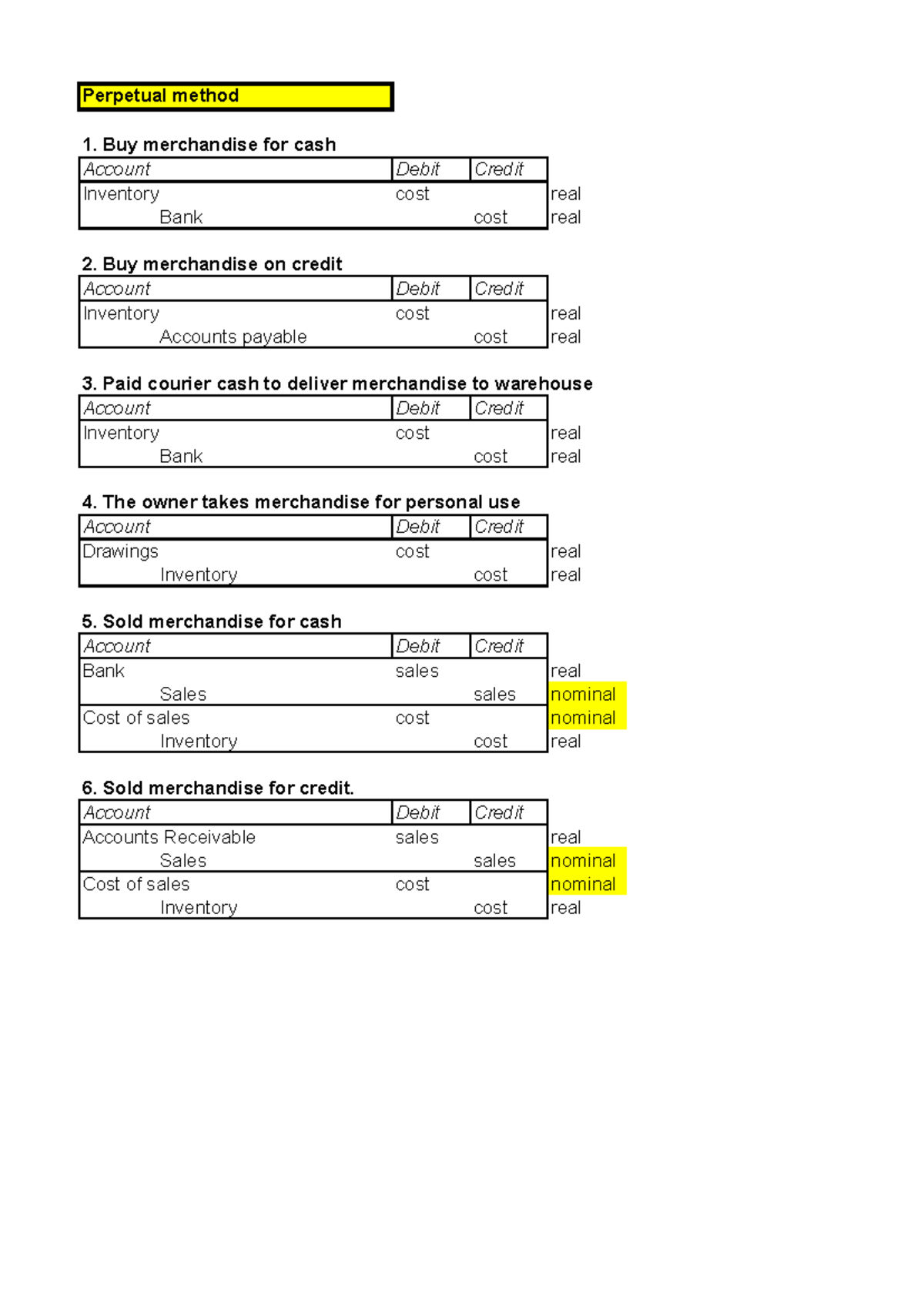
A business orders $2,000 worth of inventory in January with "net 30" terms. This means the payment is due in 30 days. At the time of delivery, the accountant records:
- Debit: Inventory ($2,000)
- Credit: Accounts Payable ($2,000)
At this stage, the business has the asset (inventory) but has not yet parted with any cash.
Phase 2: Paying the Bill
Thirty days later, the business issues a payment for the $2,000. This is the "paid cash on account" moment:
- Debit: Accounts Payable ($2,000)
- Credit: Cash ($2,000)
By the end of this lifecycle, the Accounts Payable balance for this specific vendor returns to zero, and the Cash account reflects the outflow.
Handling Special Scenarios: Discounts and Partial Payments
Not every payment on account is a straightforward 1:1 settlement. As of 2026, many vendors offer incentives for early payment or allow for staggered payment schedules.
Early Payment Discounts
Vendors often use terms like "2/10, n/30." This means the buyer can take a 2% discount if they pay within 10 days; otherwise, the full amount is due in 30 days. If a business pays a $1,000 invoice within the discount period, the entry changes:
- Debit: Accounts Payable ($1,000) — You must clear the full liability.
- Credit: Cash ($980) — The actual cash sent.
- Credit: Inventory (or Purchase Discounts) ($20) — To balance the entry and reduce the recorded cost of the goods.
Partial Payments
If a business is managing cash flow and only pays half of a $5,000 balance, the entry only reflects the amount paid.
- Debit: Accounts Payable ($2,500)
- Credit: Cash ($2,500)
The remaining $2,500 stays in the Accounts Payable ledger until a future payment is made.
Summary of Journal Entries for "On Account" Transactions
The following table compares different scenarios involving "on account" transactions to help distinguish between paying and receiving.
| Transaction Type | Scenario | Primary Debit | Primary Credit | Effect on Financials |
|---|---|---|---|---|
| Purchased on Account | Buying supplies on credit | Asset or Expense | Accounts Payable | Increases Assets & Liabilities |
| Paid Cash on Account | Settling a vendor bill | Accounts Payable | Cash | Decreases Assets & Liabilities |
| Sold on Account | Providing service on credit | Accounts Receivable | Revenue | Increases Assets & Equity |
| Received Cash on Account | Customer pays their bill | Cash | Accounts Receivable | Shifts Asset from AR to Cash |
Common Errors and How to Troubleshoot Them
Even experienced bookkeepers can make mistakes when recording these entries. Identifying these early ensures that bank reconciliations and year-end audits proceed smoothly.
1. Reversing the Entry
The most frequent error is crediting Accounts Payable and debiting Cash. This mistake implies that you received cash and increased your debt, which is the opposite of a payment. If your Accounts Payable balance is growing despite making payments, check for reversed entries.
2. Recording as an Expense Twice
Because the initial purchase was likely recorded as an expense (e.g., "Utilities Expense"), recording the payment as an expense again (Debit: Utilities Expense, Credit: Cash) results in double-counting the cost. This understates your net income and misrepresents your liabilities.
3. Mixing up Payable and Receivable
If you "Paid Cash on Account," you are the debtor. If you "Received Cash on Account," you are the creditor. Ensure you are using the Accounts Payable subsidiary ledger for outgoing payments. Using Accounts Receivable for a payment will lead to significant reconciliation discrepancies.
The Role of Modern Accounting Software in 2026
In 2026, most businesses utilize automated ERP (Enterprise Resource Planning) systems or cloud-based accounting software. When you trigger a payment through these systems—whether via ACH, digital wallet, or virtual card—the software typically generates the journal entry automatically.
However, the "under the hood" logic remains the same. When the software "matches" a bank transaction to an open invoice, it is performing a Debit to Accounts Payable and a Credit to Cash. Understanding this manual logic is essential for troubleshooting "broken" syncs between bank feeds and the general ledger.
FAQ: Paying Cash on Account
Does paying on account affect the Income Statement?
No. Under accrual accounting, the expense is recognized when it is incurred, not when the cash is paid. Paying the cash only impacts the Balance Sheet by reducing an asset and a liability. If you are using cash-basis accounting, you wouldn't have an "Accounts Payable" account to begin with.
Is "Accounts Payable" an asset or a liability?
Accounts Payable is a current liability. It represents money that the business owes to its suppliers or vendors for purchases made on credit that must be paid back within a short period, usually 30 to 90 days.
What is the difference between "Paid on Account" and "Cash Purchase"?
A cash purchase happens at the "Point of Sale," where Cash is credited and an Asset/Expense is debited immediately. "Paid on Account" implies there was a delay between receiving the item and paying for it, requiring the use of the Accounts Payable bridge.
How do I verify that my payment on account was recorded correctly?
Check your Vendor Ledger Report or the Accounts Payable Aging Report. After the payment is posted, the balance for that specific vendor should decrease. Additionally, perform a bank reconciliation to ensure the credit to the cash account matches the actual withdrawal from your bank statement.
What happens if I overpay an account?
If you pay more than the balance in Accounts Payable, the account will have a temporary debit balance. In accounting terms, this creates a "vendor credit," which acts as an asset because the vendor now owes you money or services.
Final Recommendation for Accurate Record-Keeping
To maintain high-quality financial records in 2026, always ensure that your payments are linked to specific invoices. Rather than simply recording a "Debit: Accounts Payable" in a general journal, use the Pay Bills function in your accounting suite. This ensures that the sub-ledger for the specific vendor is updated simultaneously with the General Ledger. This practice prevents "ghost" balances where the general ledger looks correct, but individual vendor records show unpaid bills that were actually settled months ago.
Image Gallery