Selecting the Perfect Backpack for Traveling in 2026: A Comprehensive Guide
The perfect backpack for traveling combines carry-on compliance, ergonomic support, and durable weather-resistant materials. In 2026, the ideal choice is typically a 35 to 45-liter clamshell-opening pack featuring a dedicated laptop co...
The perfect backpack for traveling combines carry-on compliance, ergonomic support, and durable weather-resistant materials. In 2026, the ideal choice is typically a 35 to 45-liter clamshell-opening pack featuring a dedicated laptop compartment, sustainable fabrics like recycled nylon, and integrated tracking capabilities to ensure security and organization across diverse global environments.
Contents
Defining the "Perfect" Travel Backpack
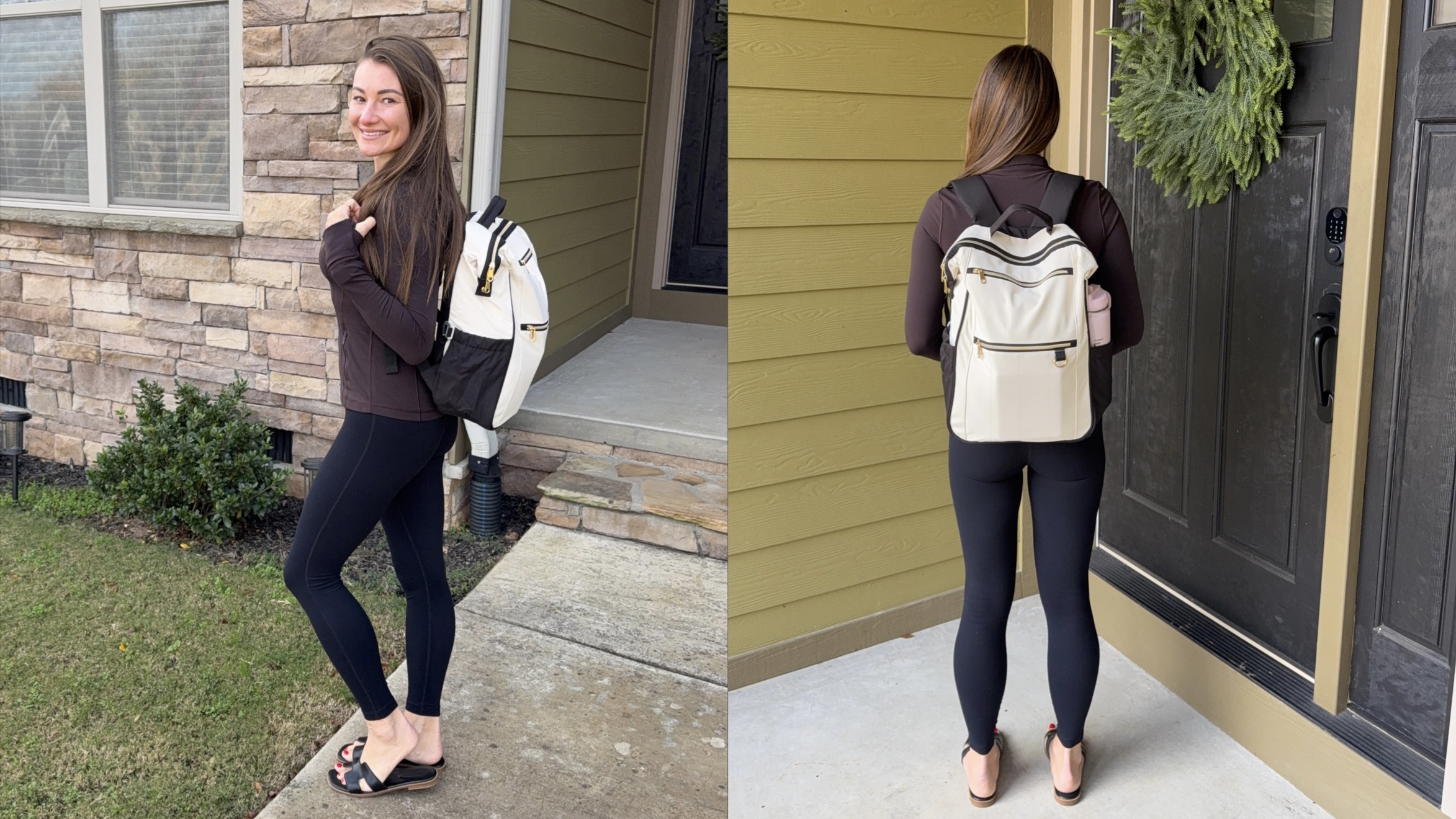
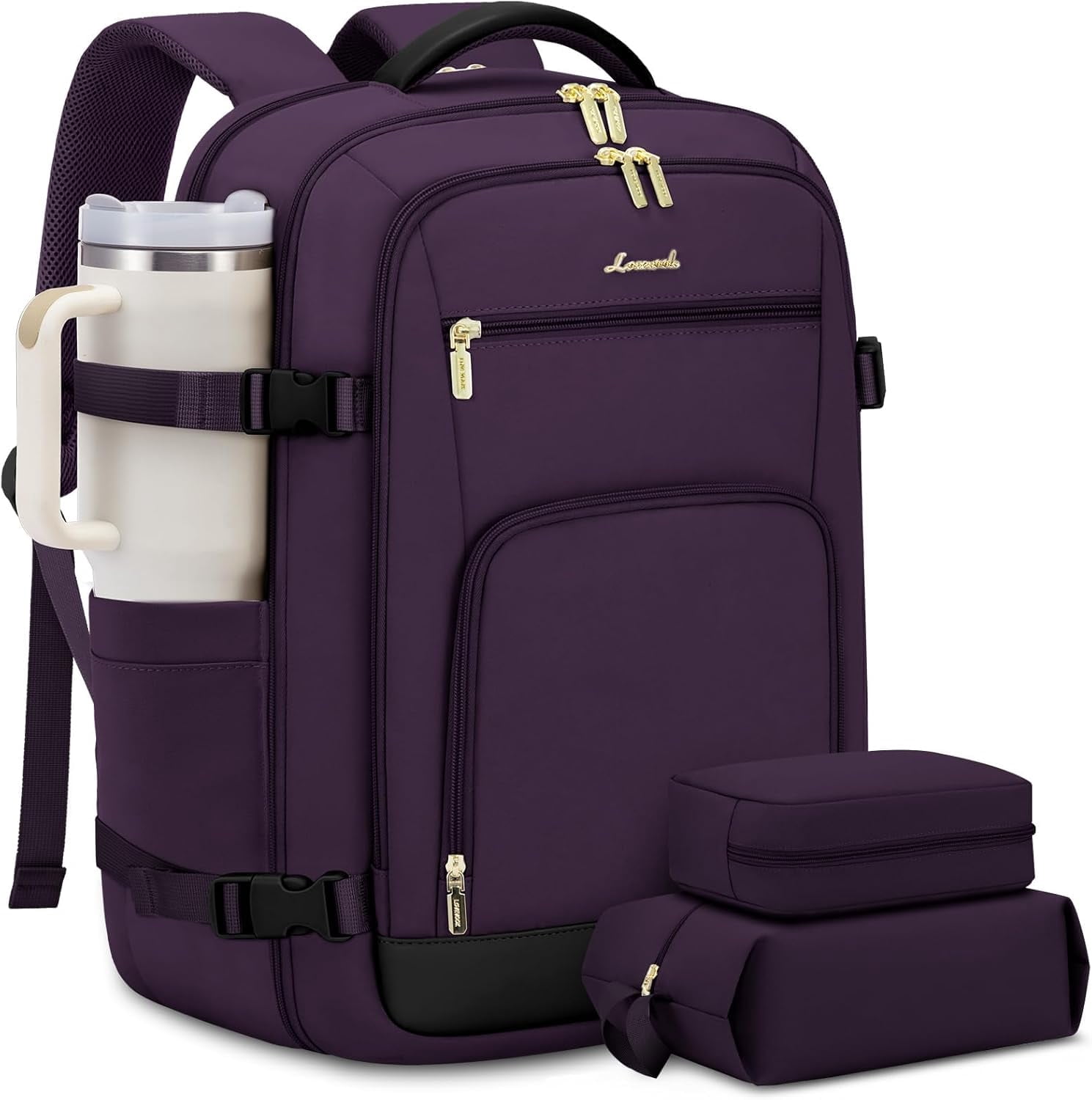
In the current landscape of 2026, the concept of a perfect backpack has shifted away from "one size fits all" toward highly specialized, modular designs. For most travelers, the perfect bag is the one that allows them to bypass checked luggage fees while protecting their technology and providing comfort during long transits. The convergence of textile science and ergonomic engineering has reached a point where a single bag can reasonably serve as a mobile office, a wardrobe, and a hiking companion.
To identify your specific perfect pack, you must first evaluate the "One Bag" philosophy. This movement prioritizes mobility and simplicity, encouraging travelers to use a single carry-on-sized backpack for all their needs. The benefits include faster airport exits, reduced risk of lost luggage, and greater ease when navigating public transit or cobblestone streets. However, achieving this requires a pack with a sophisticated internal architecture that maximizes every cubic inch of space without becoming a burden on the wearer’s skeletal system.
Capacity and Dimensions: Navigating 2026 Airline Standards
Capacity is the most critical technical specification to consider. In 2026, airline regulations have become more stringent regarding weight and external dimensions. Most international carriers adhere to a standard carry-on size of approximately 22 x 14 x 9 inches (55 x 35 x 23 cm). Choosing a bag that exceeds these dimensions risks a forced gate-check and additional fees.
The 35L to 45L Sweet Spot
For the majority of travelers, a capacity between 35 and 45 liters is optimal. A 35L pack is generally considered "universally compliant" for almost all airlines, including budget carriers. A 45L pack offers more room for specialized gear—such as photography equipment or cold-weather clothing—but may require the user to utilize compression straps to meet stricter size templates.
Weight Distribution and the "Empty Weight" Factor
As of 2026, many airlines have implemented stricter 7kg (15lb) or 10kg (22lb) limits for carry-on items. Therefore, the "dry weight" of the backpack itself is a vital metric. A perfect pack should ideally weigh between 2.5 and 4 lbs (1.1 to 1.8 kg). If a bag is too heavy while empty due to excessive padding or heavy-duty frames, it significantly eats into your allowable gear weight.
Structural Integrity: Materials and Durability
The longevity of a travel backpack is determined by its exterior fabric and hardware. In 2026, the industry has moved toward eco-conscious materials that do not sacrifice performance.
High-Performance Fabrics
- Recycled CORDURA® and Ballistic Nylon: These remain the gold standard for abrasion resistance. 500D to 1000D (Denier) ratings indicate high durability.
- X-Pac and Dyneema: These ultra-lightweight, waterproof laminates are increasingly popular in 2026. While more expensive, they provide an exceptional strength-to-weight ratio and natural water resistance without the need for toxic coatings.
- TPU Coating: Thermoplastic Polyurethane coatings are used on "black hole" style bags to provide a wipeable, highly water-resistant surface ideal for adventure travel.
Essential Hardware Standards
A backpack is only as strong as its weakest zipper. The perfect travel pack must utilize YKK #10 or #8 RC (Racquet Coil) zippers, which are designed specifically for luggage to resist bursting under pressure. Additionally, look for hardware from reputable brands like Duraflex or ITW Nexus for buckles and adjustment points, as these are less likely to shatter in cold temperatures or under high stress.
Ergonomics and the Suspension System
Comfort is non-negotiable. If a backpack is painful to wear for 30 minutes, it is not the perfect bag, regardless of its features. A high-quality suspension system consists of several integrated components.
Shoulder Straps and Load Lifters
Shoulder straps should be contoured (S-curve or J-curve) to fit the natural shape of the human torso. High-density EVA foam is preferred over soft open-cell foam, as it provides better support over time and won't bottom out. Load lifters—the small adjustable straps located at the top of the shoulder straps—are essential for pulling the weight of the pack closer to your center of gravity, preventing the bag from pulling backward.
The Role of the Hip Belt
For any pack over 30 liters, a functional hip belt is mandatory. A well-designed hip belt transfers up to 80% of the bag's weight from the shoulders to the stronger pelvic bones. In 2026, many "perfect" packs feature removable hip belts, allowing users to strip the bag down for shorter urban commutes or when the pack is not fully loaded.
Back Panel Ventilation
Travel often involves walking through humid climates or crowded terminals. A back panel with air-mesh channels or a suspended mesh frame (common in hybrid trekking-travel packs) is vital for minimizing perspiration. The goal is to create a gap or a breathable interface between the fabric and the wearer's back.
Internal Architecture and Organization
Modern travel demands more than just a large empty cavity. The internal layout determines how efficiently you can access your belongings.
Clamshell vs. Top-Loading
The "perfect" travel backpack almost always utilizes a clamshell opening (also known as suitcase-style). This allows the front panel to zip open entirely, providing immediate access to everything inside without having to dig through the top. Top-loading bags are generally reserved for dedicated hiking, where gear is packed once and not touched until the end of the day.
Tech Protection and Compartmentalization
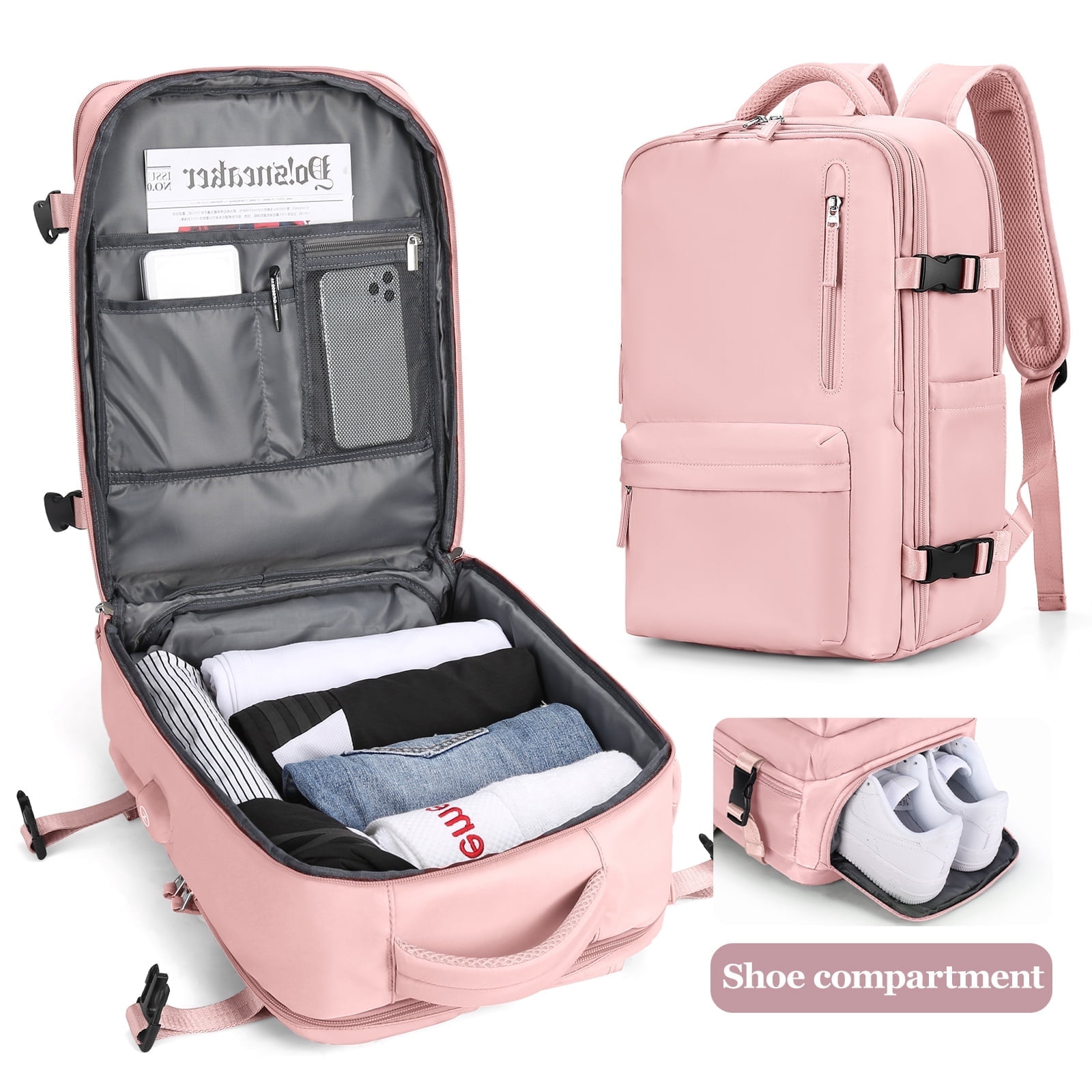
In 2026, digital nomadism and remote work are standard. A dedicated, suspended laptop compartment is a requirement. "Suspended" means the laptop sleeve stops an inch or two above the bottom of the bag, protecting the device from impact when the bag is dropped on the floor.
Other essential organizational features include:
- Hidden Security Pocket: A small, zippered pocket against the back panel for passports and emergency cash.
- Quick-Access Top Pocket: For items like headphones, sunglasses, and liquids that need to be removed quickly at security checkpoints.
- Internal Compression: Straps or mesh dividers that keep clothes from shifting and help compress the load.
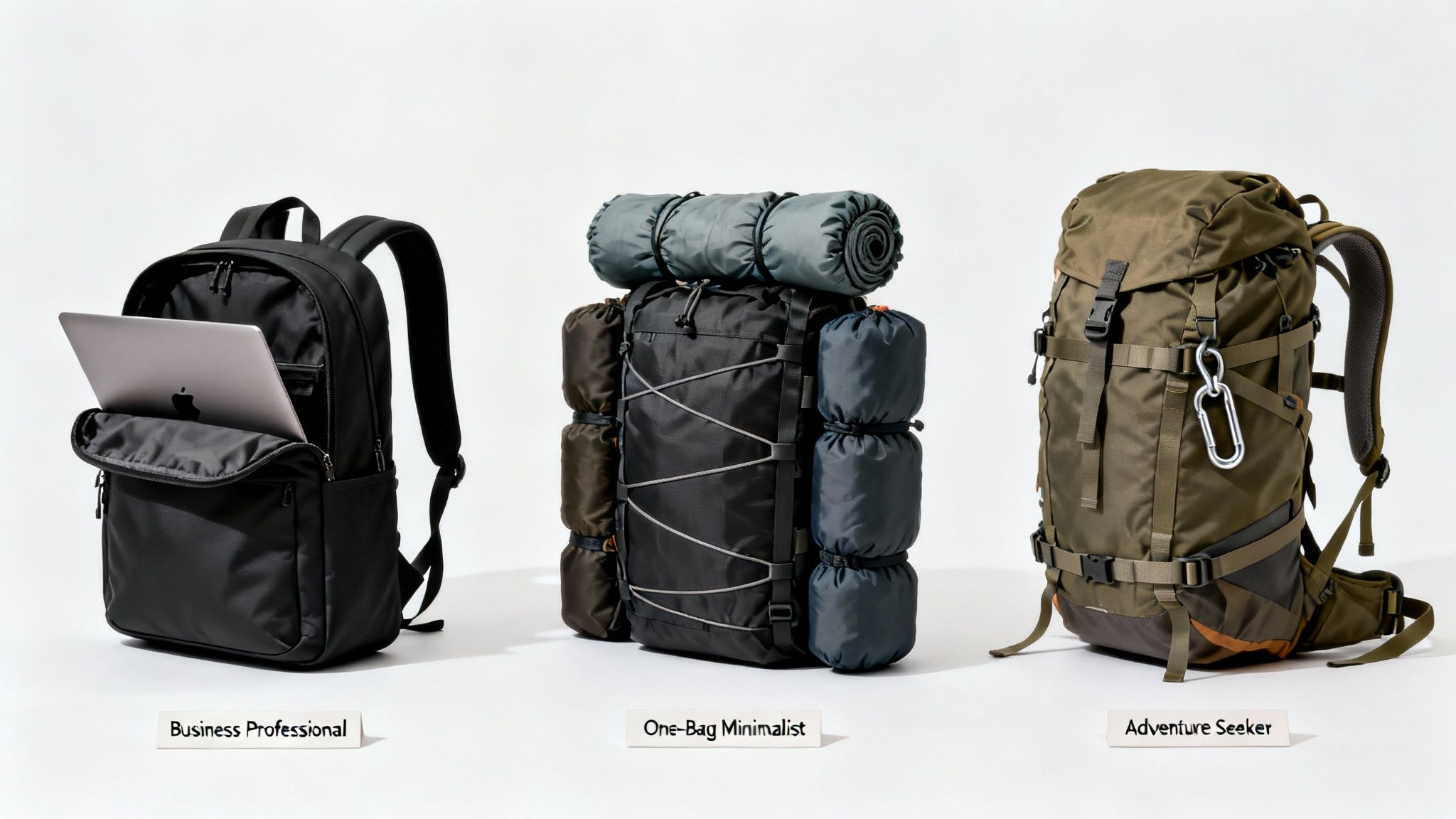
Comparison of Travel Backpack Categories in 2026
| Feature | Urban/Business Traveler | Digital Nomad/Long-Term | Adventure/Hybrid |
|---|---|---|---|
| Typical Volume | 28L - 35L | 35L - 42L | 40L - 50L |
| Primary Material | Sleek Ballistic Nylon | X-Pac or Cordura | TPU Coated Ripstop |
| Laptop Sleeve | Padded, up to 16" | Padded + Tablet Sleeve | Minimal/Removable |
| Suspension | Minimalist/Hideaway | Robust with Hip Belt | Full Internal Frame |
| Aesthetic | Professional/Stealth | Technical/Modern | Rugged/Outdoor |
Advanced Features and Security
Security remains a top priority for international travelers. While "slash-proof" mesh is available, it often adds unnecessary weight. Instead, focus on mechanical security. Lockable zippers that allow a TSA-approved padlock to pass through the sliders are the most effective deterrent against opportunistic theft.
Furthermore, 2026 models often include integrated pockets specifically designed for tracking devices like Apple AirTags or specialized GPS units. These are sewn into discrete locations within the lining, making them difficult for a thief to find and discard.
Common Mistakes to Avoid
Many travelers fail to find their perfect pack because they prioritize aesthetics over utility or vice versa. Avoid these frequent pitfalls:
- Over-Buying Volume: Buying a 65L bag "just in case" ensures you will overpack, leading to physical strain and extra airline fees.
- Ignoring Torso Length: Backpacks are like shoes; they come in sizes. A bag that is too long for your torso will cause the hip belt to sit on your glutes, rendering it useless.
- Neglecting Water Resistance: Even if a bag isn't "waterproof," it should be "weather-resistant." Ensure the zippers have DWR (Durable Water Repellent) coatings or that the bag includes a stowable rain fly. According to industry standards at the International Air Transport Association (IATA), maintaining the integrity of your belongings during transit is a primary responsibility of the traveler.
Frequently Asked Questions
Is a 40L backpack too big for a carry-on?
In 2026, a 40L backpack is generally the maximum size allowed for most standard international flights. However, it may be too large for specific "ultra-low-cost" carriers that have smaller sizer boxes. Always check the dimensions (usually 22x14x9 inches) rather than the liter count alone, as some 40L bags are taller and thinner than others.
Do I really need a hip belt for a travel backpack?
If your total pack weight exceeds 15 lbs (7kg), a hip belt is highly recommended. It significantly reduces the strain on your trapezius muscles and lower back. If you primarily take taxis from the airport to your hotel, you might skip it, but for any traveler using public transit or walking more than a mile, it is essential.
What is the difference between a travel backpack and a hiking backpack?
Travel backpacks are designed with suitcase-style openings, laptop compartments, and "hideaway" straps for overhead bins. Hiking backpacks are typically top-loading, have more external attachment points (for ice axes or tents), and use thinner, more breathable materials that might not survive the rigors of airport conveyor belts.
How do I clean and maintain my travel backpack?
Avoid machine washing, as it can damage the waterproof coatings and internal frames. Use lukewarm water, a mild soap, and a soft brush for the exterior. For the interior, a damp cloth is usually sufficient. Always air dry the bag completely before storing it to prevent mold and mildew growth.
Are "smart" backpacks with built-in batteries still allowed?
Most airlines in 2026 permit backpacks with battery compartments only if the battery is easily removable. Integrated batteries that cannot be detached are generally banned from both the cabin and the cargo hold due to fire safety regulations.
Final Recommendation
To find your perfect backpack for traveling, start by measuring your torso length and checking the carry-on requirements of the airlines you fly most frequently. For a balanced experience, look for a 35L to 40L clamshell pack made from 500D Recycled Nylon or X-Pac, featuring YKK zippers and a removable hip belt. This configuration offers the greatest versatility for the diverse travel demands of 2026, ensuring you remain mobile, organized, and comfortable regardless of your destination.
Image Gallery