Comprehensive Guide to Dentist Keywords for 2026 Patient Acquisition
Dentist keywords are specific search terms and phrases that prospective patients use in search engines to find oral healthcare providers, treatments, and dental information. These keywords form the backbone of a dental practice’s digit...
Dentist keywords are specific search terms and phrases that prospective patients use in search engines to find oral healthcare providers, treatments, and dental information. These keywords form the backbone of a dental practice’s digital marketing strategy, enabling local clinics to appear in search results when users seek services ranging from routine cleanings to complex restorative surgery.
Contents
Understanding the Intent Behind Dentist Keywords
In 2026, search engine algorithms have evolved to prioritize user intent over simple word matching. For a dental practice, understanding whether a user is looking for information, a specific location, or an immediate appointment is critical for effective SEO. Keywords are no longer just strings of text; they are signals of a patient's current stage in the "patient journey."
Informational Intent
These queries are typically top-of-funnel. Users are searching for answers to questions like "why do my gums bleed?" or "how long do dental implants last?" While these keywords may not lead to an immediate booking, they establish the practice as an authority. In the current search landscape, providing comprehensive, AI-optimized answers to these questions can help a practice appear in AI Overviews and featured snippets, building trust before a patient even looks for a local office.
Navigational Intent
Navigational keywords occur when a patient is looking for a specific practice or practitioner. Examples include "[Practice Name] login" or "Dr. Smith dental office hours." Optimizing for these ensures that existing patients can find the information they need quickly, reducing friction and improving patient retention.
Transactional and Local Intent
This is the most valuable category for growth. Keywords like "dentist near me," "emergency tooth extraction," or "affordable Invisalign in [City]" indicate a high readiness to book. Because dentistry is a localized service, nearly all transactional dental keywords have a geographic component, whether explicitly stated or inferred by the search engine’s location tracking.
Categorizing High-ROI Dental Keywords
To build a robust keyword list, practices must categorize terms by the services they provide. A one-size-fits-all approach often leads to high traffic with low conversion. By segmenting keywords, a practice can allocate its marketing budget more effectively toward high-value treatments.
General and Preventative Dentistry
These are the "bread and butter" keywords for any clinic. They have high search volume but also high competition.
- Keywords: Dental checkup, teeth cleaning, family dentist, pediatric dentist, dental X-rays.
- Strategic Value: These terms attract long-term patients who provide steady, recurring revenue through hygiene appointments and preventative care.
Cosmetic Dentistry
Cosmetic services often have higher profit margins and are sought after by patients with higher discretionary income.
- Keywords: Teeth whitening, porcelain veneers, smile makeover, composite bonding, dental crowns.
- Strategic Value: These queries often involve more research. Content supporting these keywords should focus on visual results, testimonials, and financing options.
Restorative and Surgical Dentistry
These keywords often represent high-ticket items and urgent needs.
- Keywords: Dental implants, root canal therapy, wisdom teeth removal, dentures, all-on-4 implants.
- Strategic Value: Precision is key here. Patients searching for "dental implants" are looking for expertise and advanced technology.
Emergency Dentistry
Emergency keywords are unique because the conversion window is extremely short.
- Keywords: Emergency dentist open now, broken tooth repair, toothache relief, urgent dental care.
- Strategic Value: For these keywords, the speed of your website and the visibility of your "Click-to-Call" button are just as important as the ranking itself.
A Comparison of Dental Keyword Categories and Performance Metrics
The following table outlines the typical performance characteristics of various keyword types based on 2026 search trends.
| Keyword Category | Average Competition | Conversion Potential | Content Type Needed |
|---|---|---|---|
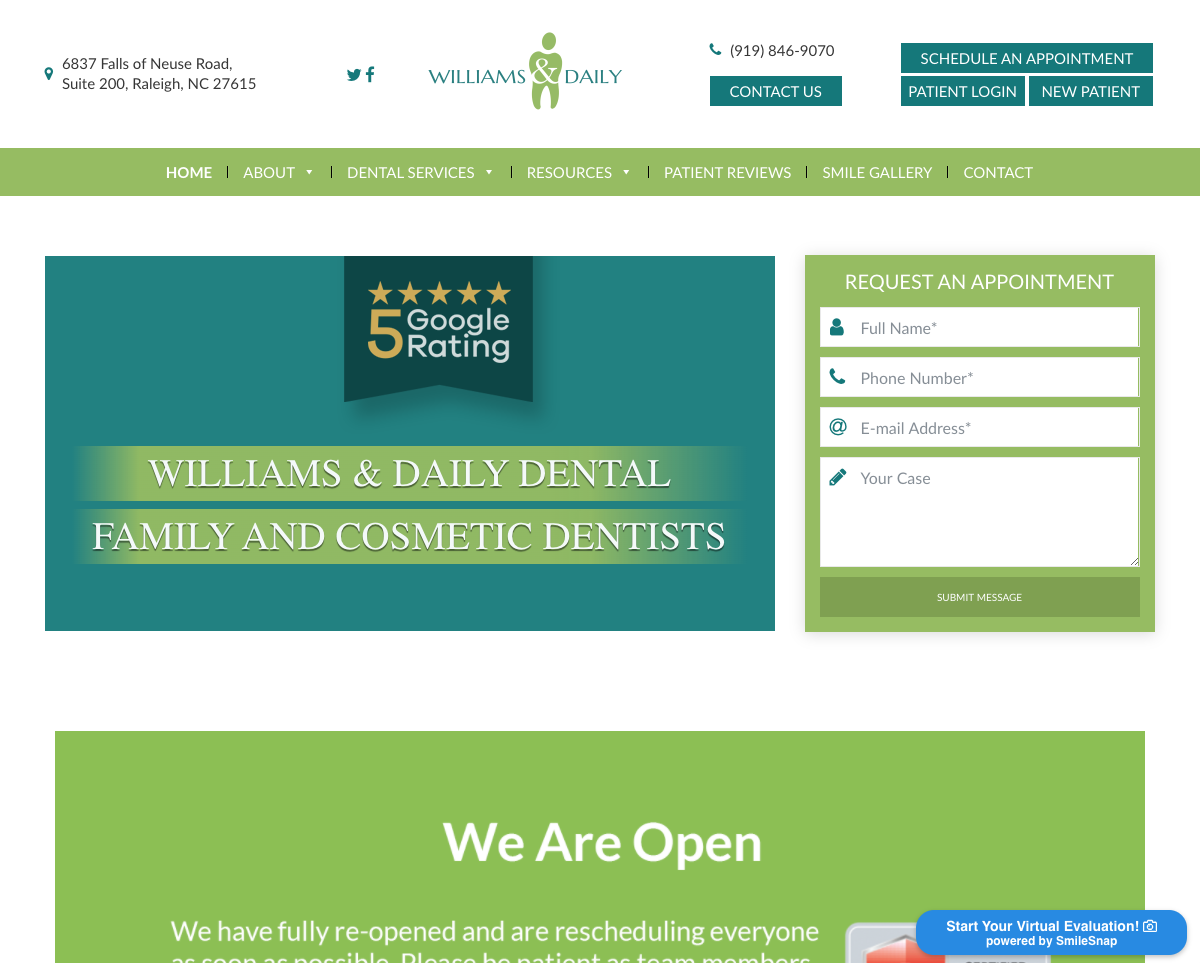
| Local/Branded | Low | Very High | Homepage / Contact Page |
| Emergency | High | Extreme | Service Page with CTA |
| Cosmetic | Very High | Medium-High | Gallery / Case Studies |
| Informational/Blog | Medium | Low-Medium | Comprehensive FAQ / Guides |
| Specialized (e.g., Sedation) | Low-Medium | High | Technical Detail Pages |
The Evolution of Search in 2026: Semantic and Voice Queries
Search behavior has shifted significantly toward natural language. With the prevalence of voice-activated assistants and sophisticated AI models, patients are more likely to ask full questions than type fragmented keywords.
Instead of searching "dentist Chicago," a user in 2026 is more likely to ask, "Siri, find a pediatric dentist near me that takes Cigna insurance and is open on Saturdays." To capture this traffic, dental websites must optimize for long-tail keywords. These are longer, more specific phrases that may have lower individual search volume but collectively account for a significant portion of highly qualified traffic.
Semantic Search Clusters
Search engines now group keywords into "entities" and "topics." A website that only mentions "dentist" repeatedly will be outperformed by a site that covers the entire "semantic cluster." For example, if you want to rank for "dental implants," your content must also naturally include related terms like "titanium post," "abutment," "osseointegration," and "bone grafting." This proves to the search engine that the content is exhaustive and authoritative.
Strategic Implementation: Where to Use Keywords
Identifying the right dentist keywords is only half the battle; the other half is strategic placement. Over-optimization, or "keyword stuffing," is heavily penalized in 2026. Instead, keywords should be integrated into the technical and visible layers of the website.
- Title Tags and
Researching and Selecting Your Keywords
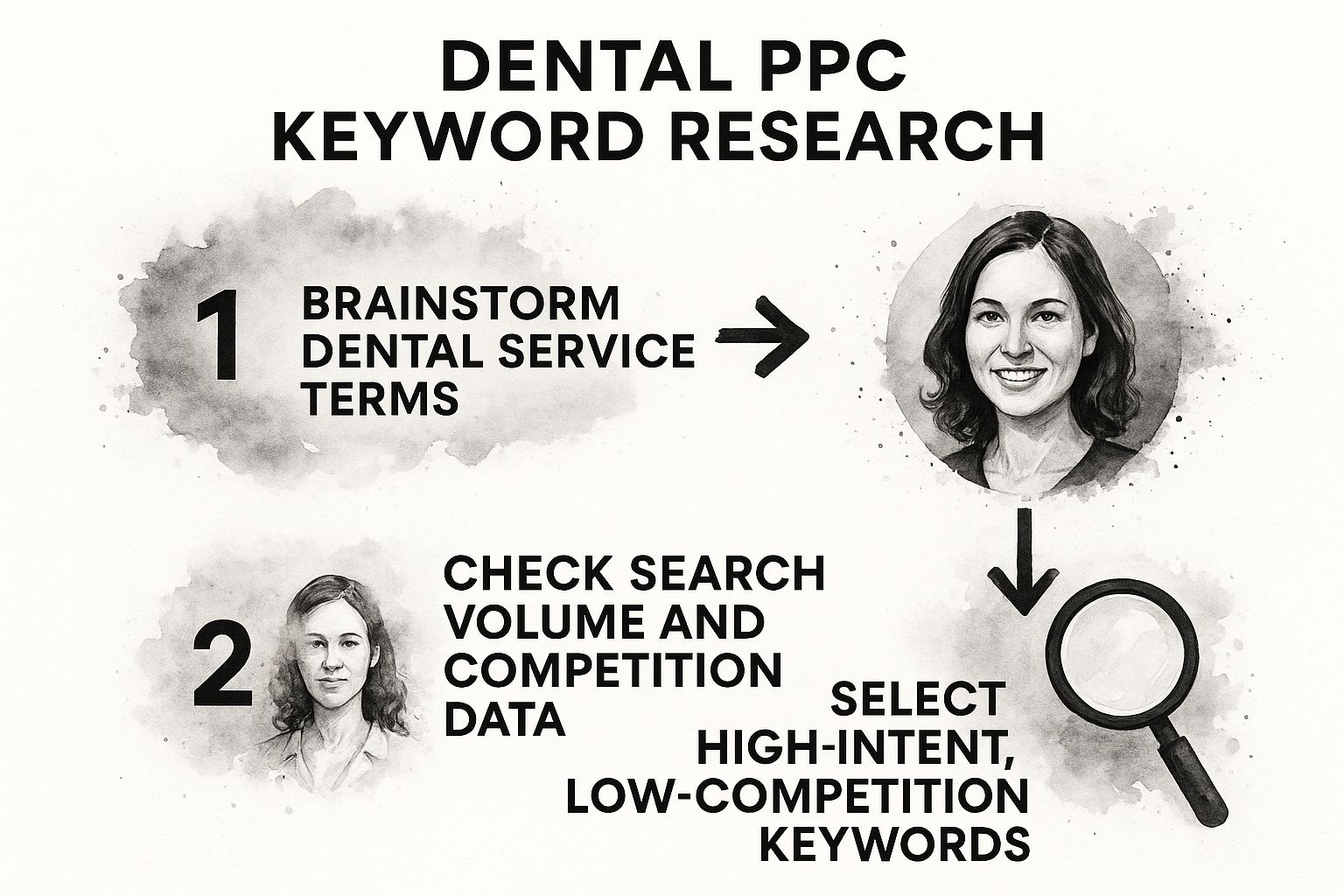
To build a competitive list for 2026, practices should utilize a mix of traditional tools and modern data analysis.
- Google Search Console (GSC): This is the most accurate source for seeing what terms are already driving traffic to your site. Look for keywords where you have high impressions but low clicks; these are opportunities for content improvement.
- Competitor Gap Analysis: Tools like SEMrush or Ahrefs allow you to see which keywords your direct local competitors are ranking for that you are not.
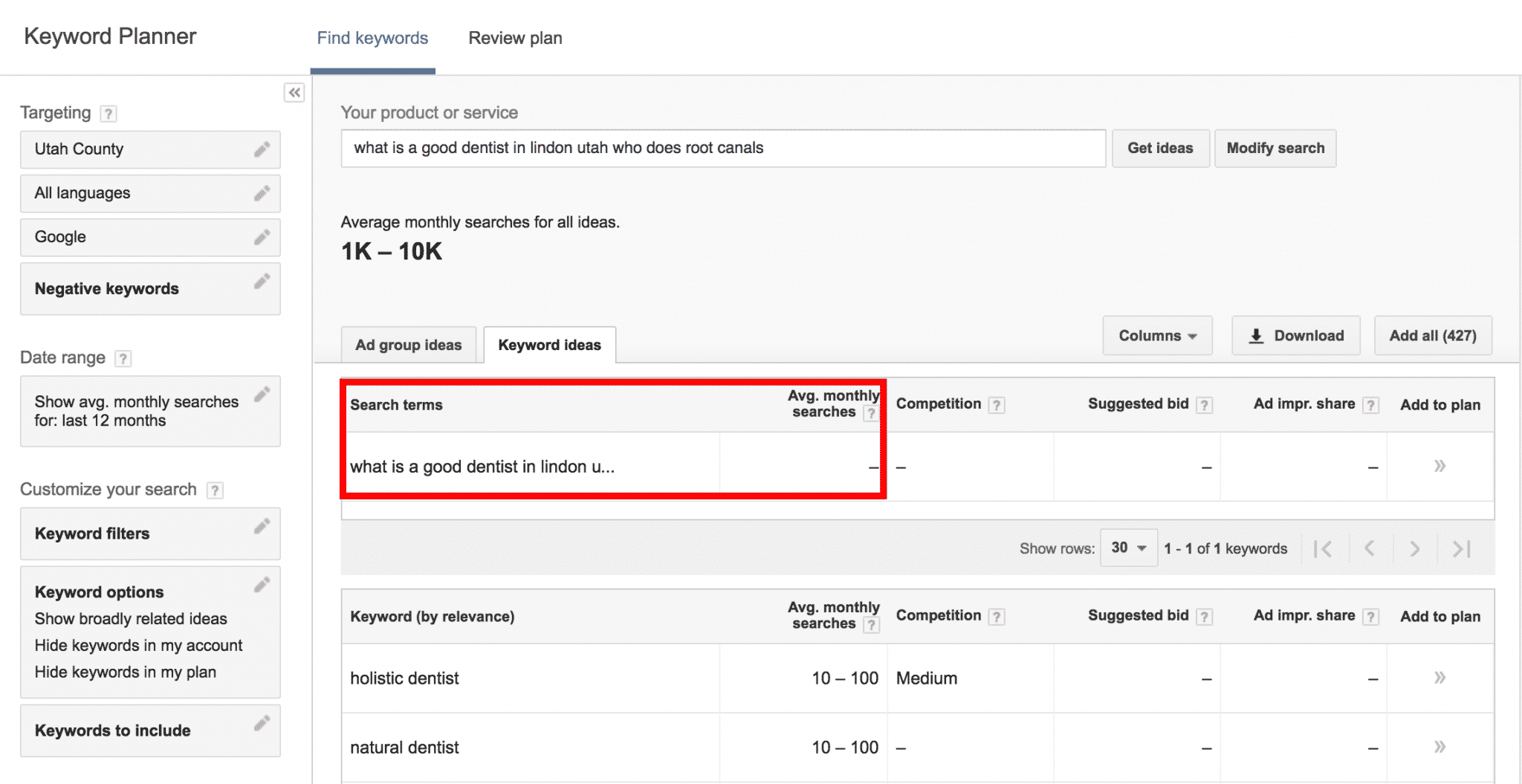
- Google Keyword Planner: While primarily for Google Ads, it provides invaluable data on local search volumes and the "bid price" of keywords, which indicates their commercial value.
- Patient Inquiries: One of the most overlooked sources of keywords is your own front desk. What questions are patients asking on the phone? What terms do they use to describe their pain or goals? These are the exact phrases you should target.
Common Mistakes in Dental Keyword Strategy
Even with the right keywords, certain tactical errors can undermine an SEO campaign.
Ignoring "Negative Keywords" in PPC: If you are running paid ads, you must exclude keywords that indicate the user isn't a fit. For example, if you don't offer Medicaid, "Medicaid dentist" should be a negative keyword to avoid wasting your budget.
Targeting Keywords with Too Much Competition: A new practice trying to rank for "dentist" nationally will fail. The focus must remain on geo-modified terms (e.g., "dentist in [Neighborhood Name]") where the competition is limited to local rivals.
Neglecting User Experience (UX): Bringing a patient to your site via a high-value keyword like "emergency root canal" is useless if the page takes 10 seconds to load. Google's Core Web Vitals are now a significant ranking factor; keyword relevance cannot overcome a poor technical experience.
FAQ: Dentist Keywords and SEO
Which dental keywords have the highest cost-per-click (CPC)?
Typically, restorative and cosmetic keywords such as "dental implants," "Invisalign," and "all-on-4 dentures" have the highest CPC. These treatments are expensive, making the "lifetime value" of a new patient high enough to justify aggressive bidding by competitors.
How many keywords should I target per page?
Focus on one primary keyword per page and 3-5 secondary, related keywords. For example, a page about "Teeth Whitening" should also naturally include "professional whitening," "brighten smile," and "in-office bleaching."
Does the "dentist near me" keyword still work in 2026?
Yes, "near me" remains one of the most searched phrases. However, you don't necessarily need to write the phrase "dentist near me" on your website. Google uses the user's GPS location and your office's address on your Google Business Profile and website to make that connection.
How long does it take to rank for new dentist keywords?
For a new keyword with moderate competition, it typically takes 3 to 6 months to see significant movement in organic rankings. Local SEO results can sometimes appear faster if the Google Business Profile is well-optimized and receives frequent positive reviews.
Should I use keywords in my blog posts?
Absolutely. Blog posts are the ideal place for informational keywords. By answering questions like "how to stop tooth sensitivity," you attract users early in the funnel and can lead them toward booking an appointment through internal links to your service pages.
Moving Forward with Your Keyword Strategy
To dominate the local dental market in 2026, practices must move beyond static keyword lists. The most successful strategies will be those that prioritize local relevance and user intent. Start by auditing your current website traffic via Google Search Console to identify your "low-hanging fruit." Simultaneously, update your Google Business Profile to ensure your service list matches the high-value keywords identified in your research.
By consistently creating high-quality content that answers the specific questions of your local community, you will not only rank higher but also build the authority necessary to convert searchers into lifelong patients.
Image Gallery