Understanding the MLB Farm System: Structure, Development, and Operations in 2026
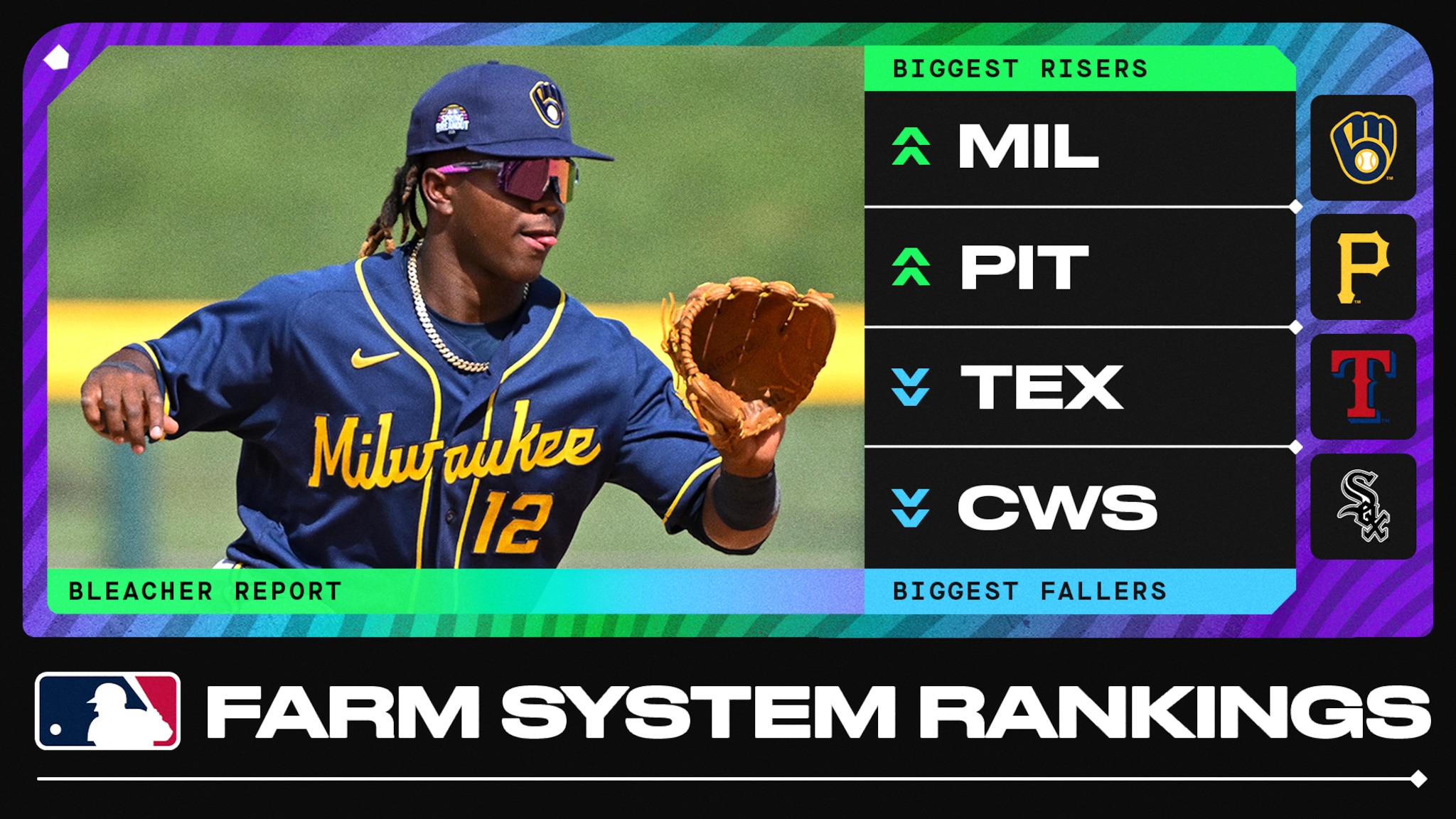
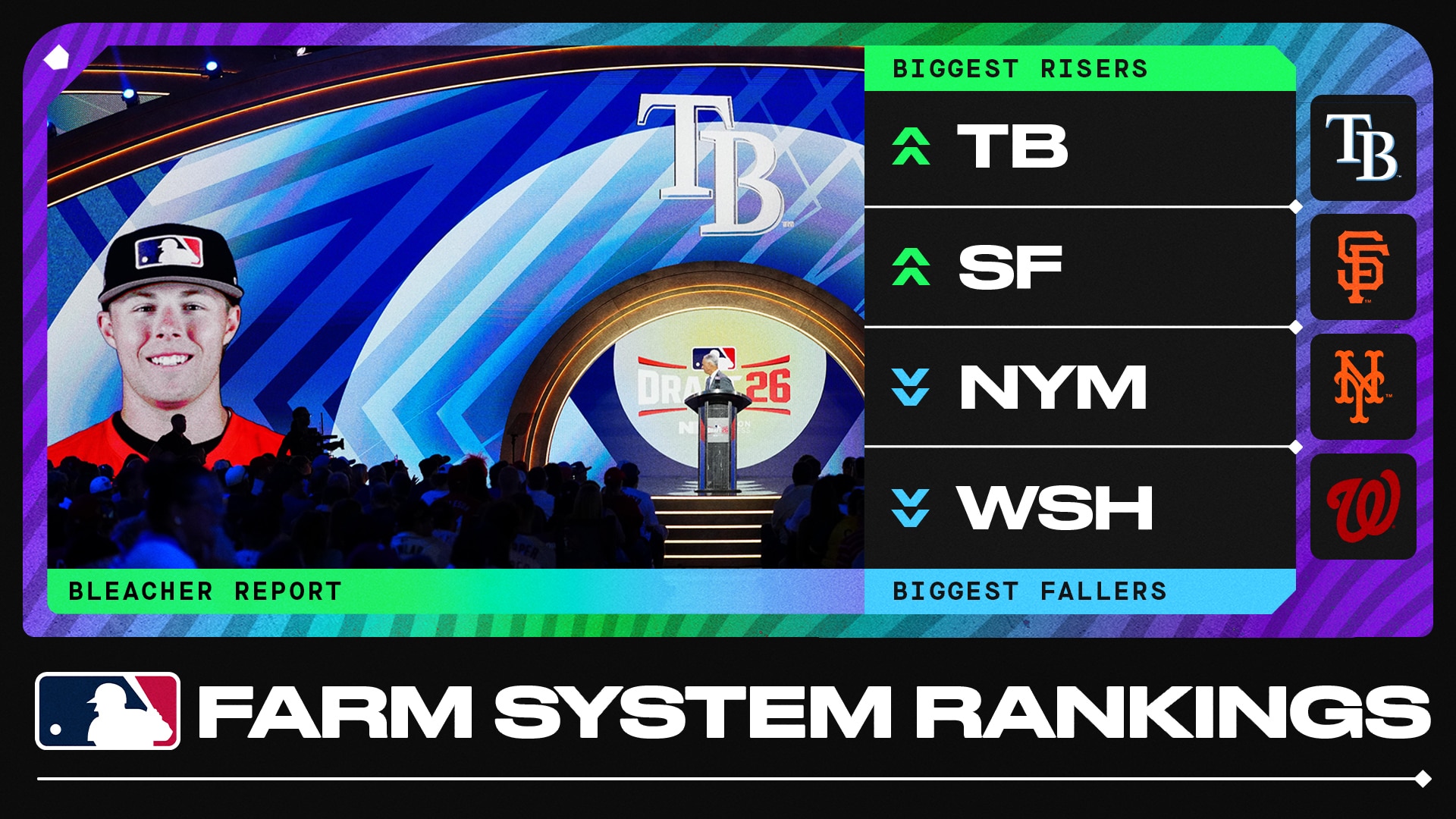
The MLB farm system is the tiered network of Minor League Baseball (MiLB) teams where players are developed for the Major Leagues. Each of the 30 MLB franchises oversees four primary full-season affiliates, plus complex-based rookie te...
The MLB farm system is the tiered network of Minor League Baseball (MiLB) teams where players are developed for the Major Leagues. Each of the 30 MLB franchises oversees four primary full-season affiliates, plus complex-based rookie teams, using this pipeline to cultivate talent through instruction, data-driven training, and competitive play.
Contents
The Modern Architecture of Minor League Baseball
The current landscape of the MLB farm system is defined by the Professional Development League (PDL) structure, which was established in 2021 and remains the operational standard in 2026. Prior to this restructuring, the relationship between Major League clubs and their minor league counterparts was governed by a complex web of two- and four-year agreements. Under the modern system, MLB exercise significantly more control over the facilities, travel standards, and player working conditions across 120 licensed full-season affiliates.
Each Major League team maintains a direct "Player Development License" (PDL) with four specific affiliates. This streamlined approach ensures that a player’s progression is handled with consistency. The 120-team limit was designed to improve the quality of competition and ensure that every minor league player receives professional-grade coaching and medical support. By 2026, these standards have led to a more centralized development model where the "farm" is an extension of the parent club’s philosophy rather than a collection of independent entities.
The farm system is not merely a waiting room; it is a multi-billion dollar investment in human capital. Teams spend millions annually on scouting, signing bonuses, and the sophisticated technology required to turn raw athletic talent into a consistent Major League contributor. This investment is necessary because, unlike professional basketball or football, very few baseball players are prepared for the top tier of competition immediately after being drafted.
Breaking Down the Hierarchy: The Levels of Development
The farm system is organized into a vertical hierarchy. As a player demonstrates mastery at one level, they are promoted to the next, facing increasingly difficult competition and more refined tactical challenges.
Triple-A (AAA)
The Triple-A level is the final stepping stone to the Major Leagues. The two primary leagues at this level are the International League and the Pacific Coast League. In 2026, Triple-A serves two main functions: it hosts top prospects who are one adjustment away from the big leagues, and it acts as a "taxi squad" for veteran players who provide depth in case of injuries. The style of play at Triple-A closely mimics MLB, including the use of the Automated Ball-Strike (ABS) system and advanced scouting reports.
Double-A (AA)
Many scouts consider Double-A to be the most critical level in the farm system. While Triple-A often features older players with "Major League polish," Double-A is typically where the most elite young prospects are tested. The Eastern, Southern, and Texas Leagues are home to pitchers with high-velocity fastballs and hitters with elite bat speed. If a player can excel in Double-A, they are generally considered to have "Major League utility," meaning they are likely to at least reach the big leagues in some capacity.
High-A and Single-A
These levels represent the foundation of full-season ball. Single-A is often the first stop for high school draft picks and international signings who have graduated from the complex leagues. High-A (formerly Advanced-A) serves as a bridge, where players are expected to refine their fundamental skills. At these levels, the focus is less on win-loss records and more on specific developmental goals, such as a pitcher learning a new grip or a hitter improving their plate discipline.
Complex Leagues and the Dominican Summer League
Before reaching a full-season affiliate, many players begin their journey in "Rookie Ball." These leagues, such as the Arizona Complex League (ACL) and Florida Complex League (FCL), operate at the MLB teams' spring training facilities. Additionally, the Dominican Summer League (DSL) remains a vital entry point for international talent, allowing young players from Latin America to begin their professional careers in a controlled, educational environment before moving to the United States.
The Player Acquisition Pipeline
To understand the farm system, one must understand how players enter it. There are three primary avenues for talent acquisition, each governed by strict MLB regulations.
- The Rule 4 Draft: Commonly known as the MLB Draft, this event takes place every July. It involves the selection of high school and college players from the United States, Canada, and U.S. territories. In 2026, the draft remains a 20-round event, with teams receiving "slot values" for their picks to manage signing bonus expenditures.
- International Free Agency: This is the primary method for signing talent from countries like the Dominican Republic, Venezuela, and Japan (though Japanese stars often use the "Posting System"). Teams are allocated an international signing bonus pool each year. Most players signed through this window are between the ages of 16 and 18.
- Undrafted Free Agents and Trades: Players not selected in the draft can sign with any team, usually for a modest bonus. Additionally, the farm system is frequently used as "currency" in trades. Rebuilding MLB teams will often trade established stars to contenders in exchange for "prospects"—the high-ceiling players currently developing in the minors.
Roster Management and Technical Rules
Navigating the farm system requires an understanding of the legal and administrative rules that govern player movement. These rules are designed to prevent teams from "hoarding" talent indefinitely.
| Term | Level/Context | Definition/Purpose |
|---|---|---|
| 40-Man Roster | MLB/AAA | The group of players eligible to play in the Major Leagues. Any player on the 40-man but not the 26-man active roster is "on option" in the minors. |
| Minor League Options | AA/AAA | A player on the 40-man roster has three "option years." Each year, they can be sent to the minors an unlimited number of times (with specific window limits) without being exposed to other teams. |
| Rule 5 Draft | MiLB | An annual draft that allows teams to select players from other organizations who have been in the minors for 4-5 years but are not on a 40-man roster. |
| PDC (Player Development Contract) | Organization-wide | The agreement between the MLB club and the minor league city ensuring facility standards and operational funding. |
| Service Time | MLB/MiLB | The clock that determines when a player becomes eligible for salary arbitration and eventually free agency. |
The "Option" System and Outrighting
When a player is on a team’s 40-man roster but is sent down to the minors, it is referred to as being "optioned." A player generally has three option years. In 2026, teams are limited in how many times a player can be sent down and called up within a single season (five times) to prevent the "shuttle" effect that once exhausted relief pitchers. If a team wants to send a player to the minors but that player is out of options, they must be "designated for assignment" (DFA) and cleared through waivers, where any other team can claim them.
The Rule 5 Draft and Protection
The Rule 5 Draft is a crucial mechanism for talent circulation. If a player was signed at age 18 or younger and has spent five seasons in the minors (or four seasons if signed at 19 or older) and is not on the 40-man roster, they are eligible to be drafted by another team. To "protect" a prospect from this draft, the parent club must add them to the 40-man roster. This creates a constant tension between wanting to keep young talent and having enough space for active Major Leaguers.
The Role of Data and Technology in 2026
By 2026, the farm system has become a laboratory for performance science. Gone are the days of scouts relying solely on a "gut feeling." Every minor league stadium is equipped with sophisticated tracking technology.
- Hawk-Eye and Trackman: These systems capture the ball's flight, spin rate, and exit velocity. A pitcher in Single-A knows the exact vertical break of his slider within seconds of throwing it.
- Biomechanics Labs: Most teams have integrated biomechanical sensors into their development complexes. This helps in identifying mechanical flaws that could lead to injury or in optimizing a hitter's swing path for maximum power.
- Virtual Reality (VR): Minor league hitters often use VR headsets to "face" the pitchers they will see in that night's game, allowing them to recognize release points and pitch shapes before they ever step into the batter's box.
This data-driven approach has shortened the development timeline for some "high-floor" prospects while helping "high-ceiling" players overcome specific mechanical hurdles that might have stalled their careers a decade ago.
Lifestyle and Economics for Minor Leaguers
The economics of being a "farmhand" have shifted significantly in recent years. Following the 2023 Collective Bargaining Agreement (CBA) and subsequent updates leading into 2026, minor league salaries have seen substantial increases. Furthermore, MLB teams are now required to provide furnished housing for players at all levels of the farm system, eliminating one of the most significant financial burdens for young athletes.
Despite these improvements, the life of a minor leaguer is demanding. Travel is often conducted via bus, especially at the Single-A and High-A levels, and the schedule is grueling—typically six games a week with Mondays off. The goal for every player is the "Major League minimum" salary, which is exponentially higher than even the best Triple-A paycheck. This financial incentive drives the intense competition found at every level of the system.
Common Questions About the MLB Farm System
How many teams does each MLB team have in the minors?
Each Major League team is affiliated with four primary full-season teams: one at the Triple-A, Double-A, High-A, and Single-A levels. Additionally, teams operate "complex" teams in the Arizona or Florida Complex Leagues and usually one or two teams in the Dominican Summer League. In total, a franchise usually manages 5 to 7 developmental rosters.
What is the difference between an "Affiliate" and the "Parent Club"?
The "Parent Club" is the Major League team (e.g., the New York Yankees). The "Affiliate" is the minor league team located in a different city (e.g., the Scranton/Wilkes-Barre RailRiders). The Parent Club pays the players' salaries and provides the coaching staff, while the Affiliate's local ownership typically handles the stadium operations, ticket sales, and local marketing.
Can a player be skipped over certain levels?
Yes, though it is rare. Truly elite prospects, often referred to as "generational talents," may jump from Double-A directly to the Majors, bypassing Triple-A entirely. Some college-drafted pitchers might also skip Single-A if their skill set is already advanced. However, almost every player spends at least some time at multiple levels to adjust to the speed of the professional game.
What happens to players who don't make it to the MLB?
The reality of the farm system is that only a small percentage of players (roughly 10-15%) ever reach the Major Leagues for even a single day. Those who do not make it may continue playing in independent leagues, pursue coaching opportunities, or transition into scouting and front-office roles. The skills learned in the system—discipline, teamwork, and data analysis—often translate well to post-athletic careers.
Why do some teams have "better" farm systems than others?
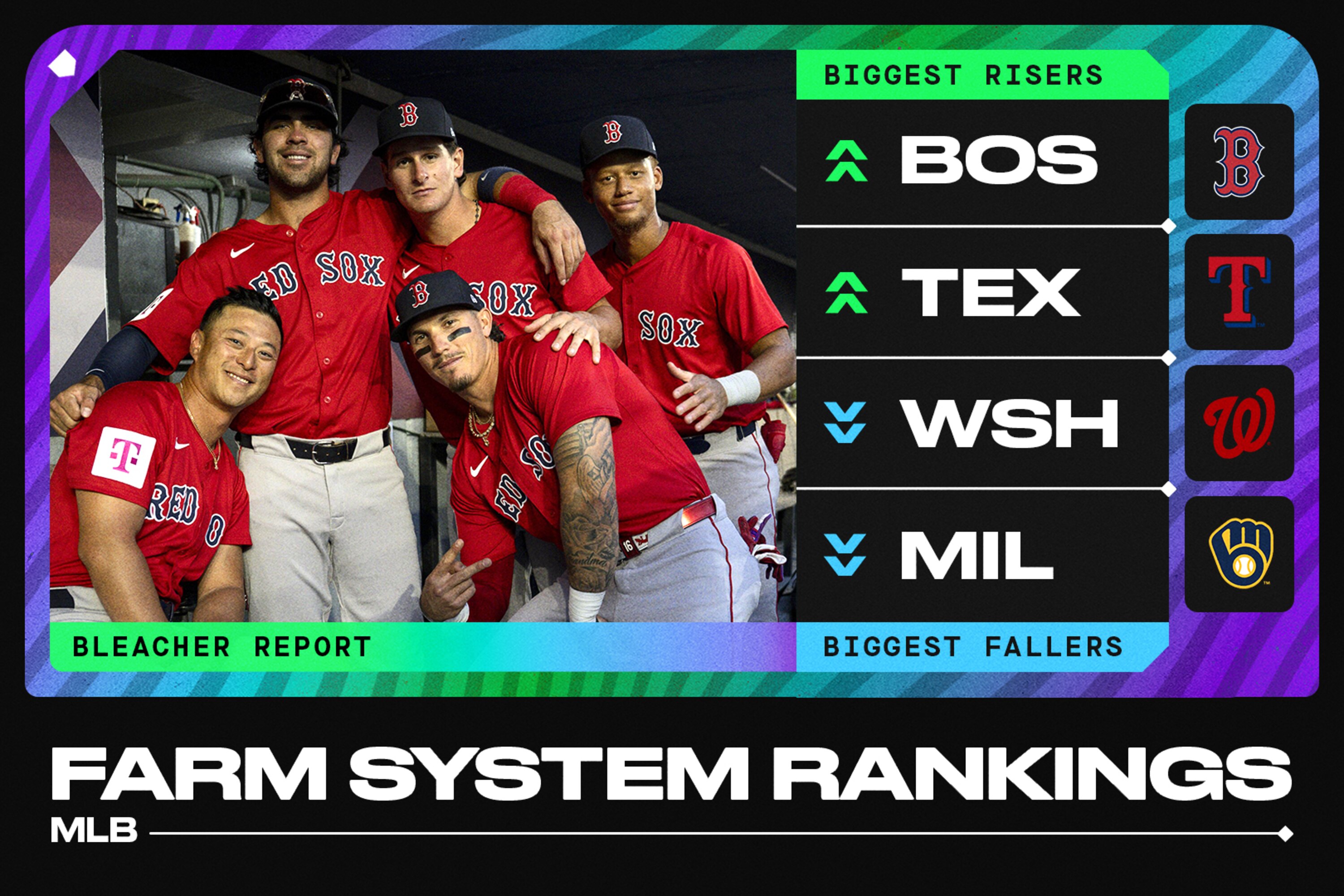
A "top-ranked" farm system is usually the result of several years of successful drafting and international signings. Teams that are struggling at the Major League level often trade their expensive stars for multiple high-ranking prospects to "restock" their farm system. This cycle of "rebuilding" allows teams to create a new window of contention with young, inexpensive talent.
Strategic Recommendation for Following the System
For fans or analysts looking to monitor the health of an MLB franchise, the most effective strategy is to focus on Double-A (AA) performance and 40-man roster flexibility. While Triple-A stats can be inflated by veteran presence, the talent density in Double-A provides the clearest picture of a team's future. Additionally, keep a close watch on the Rule 5 eligibility list every November; this is the primary window where teams are forced to make difficult decisions about which prospects they truly value. Monitoring these "protection" moves offers an inside look at how a team's front office views their own developmental progress.
Image Gallery