Comprehensive Guide to Life Insurance Agent Earnings in Savannah (2026)
Life insurance agents in Savannah, Georgia, earn a median annual income of approximately $64,800 in 2026. While entry-level agents typically see earnings between $42,000 and $55,000, high-performing independent producers in the Coastal...
Life insurance agents in Savannah, Georgia, earn a median annual income of approximately $64,800 in 2026. While entry-level agents typically see earnings between $42,000 and $55,000, high-performing independent producers in the Coastal Empire frequently exceed $155,000 by leveraging renewals, high-net-worth estate planning, and performance-based bonuses.
Contents
The insurance landscape in Savannah is distinct, shaped by a blend of a growing logistics sector, a robust tourism economy, and a significant retiree population in surrounding coastal communities. For those considering a career in this field or looking to relocate to the Savannah-Hilton Head area, understanding the nuances of local compensation is essential for financial planning.
The Structure of Life Insurance Compensation in Savannah
To understand what life insurance agents in Savannah earn, one must first deconstruct the different compensation models prevalent in the Georgia market. Unlike many 9-to-5 professions, insurance sales often utilize a performance-heavy structure that rewards volume, persistence, and policy retention.
Captive vs. Independent Agent Earnings
In Savannah, agents generally fall into two categories: captive and independent. Captive agents work for a single insurance carrier (such as State Farm or Allstate). They often receive a small base salary or a "draw" against commissions, along with office support and leads. While their ceiling may be lower, their income is often more stable during their first 24 months in the business.
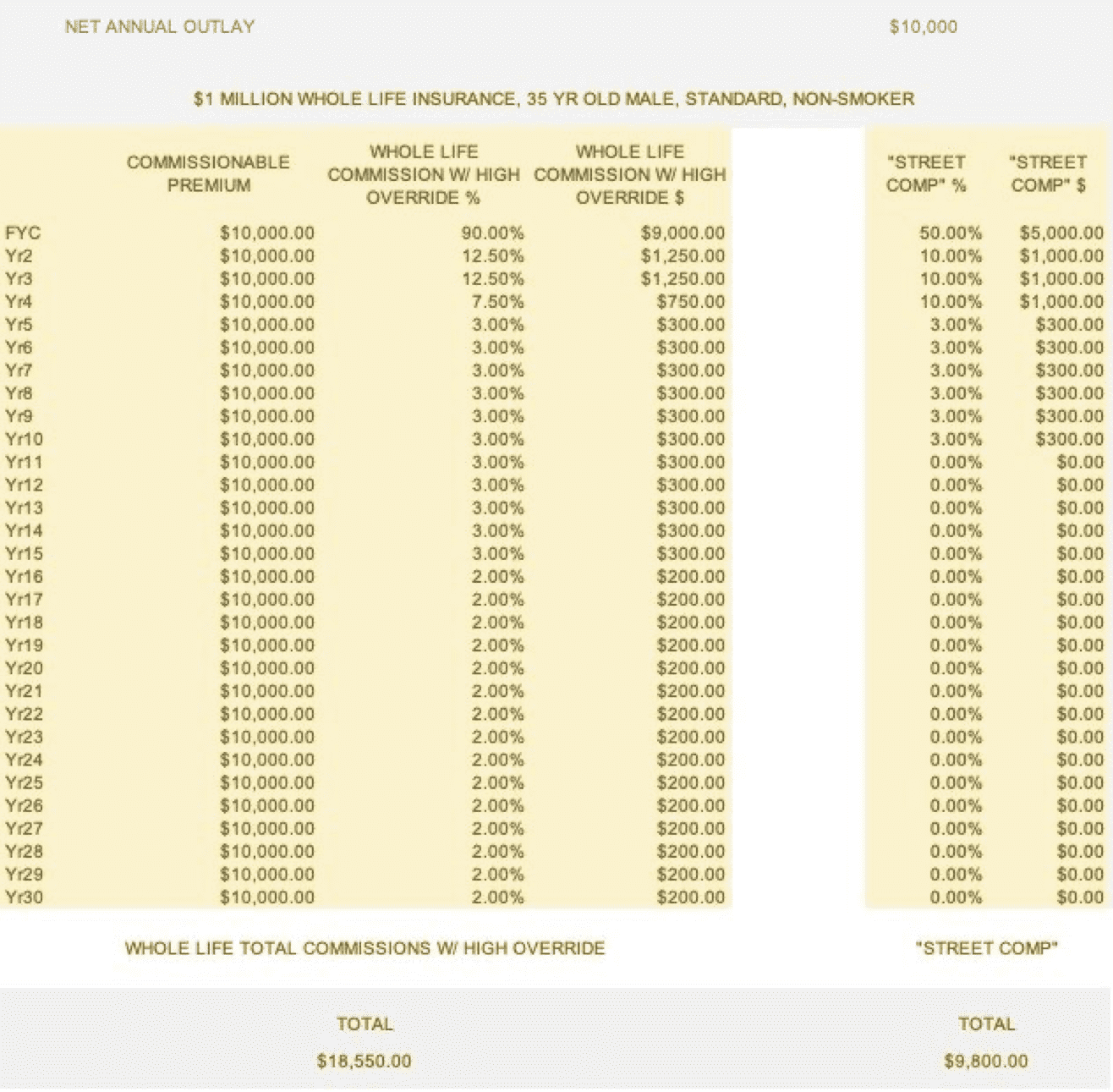
Independent agents function as brokers, representing multiple carriers. They are typically 100% commission-based. While they must fund their own lead generation and office expenses, their commission splits are significantly higher. In the Savannah market, an independent agent might earn 80% to 120% of the first-year premium (FYC) on a policy, whereas a captive agent might earn 30% to 50%.
First-Year Commissions (FYC) and Renewals
The primary engine of an agent's income is the First-Year Commission. When a Savannah resident purchases a whole life or term life policy, the agent receives a percentage of that annual premium upfront. However, the true wealth-building mechanism in the Georgia insurance market is renewal commissions. These are smaller payments (typically 2% to 10%) paid to the agent every year the policy remains active. After five to ten years of consistent sales in Savannah, an agent's renewal "book" can provide a baseline income that exceeds $40,000 before they even sell a new policy for the year.
Average Earnings and Percentiles for Savannah Agents
Earnings in Savannah are influenced by the local cost of living and the specific demographics of Chatham, Effingham, and Bryan counties. While the national average provides a baseline, Savannah’s specific economic drivers—including the Port of Savannah and the growing aerospace sector—create unique high-income pockets for specialized agents.
| Experience Level | Annual Earnings Range (2026) | Primary Income Driver |
|---|---|---|
| Entry-Level (0-2 Years) | $42,000 – $58,500 | New Business Commissions & Training Bonuses |
| Mid-Career (3-7 Years) | $62,000 – $98,000 | Renewals + Referrals |
| Senior Producer (8+ Years) | $105,000 – $165,000+ | High-Net-Worth Estate Planning & Overrides |
| Agency Owner/Manager | $140,000 – $250,000+ | Team Production & Agency Overrides |
Data Insights for the Savannah MSA
According to 2026 projections based on historical data from the U.S. Bureau of Labor Statistics (BLS), insurance sales agents in the Savannah Metropolitan Statistical Area (MSA) earn slightly higher than the state average for Georgia, excluding the Atlanta metro area. This is largely due to the concentration of wealth in communities like The Landings, Skidaway Island, and nearby Tybee Island, where demand for complex permanent life insurance products and annuities is higher.
Factors Influencing Income for Savannah Life Agents
Several localized factors dictate whether an agent lands at the bottom or the top of the earnings spectrum in Savannah.
1. Market Specialization and Product Mix
Agents who focus solely on simplified-issue term life insurance often have to maintain a high volume of sales to reach a six-figure income. Conversely, agents in Savannah who specialize in Final Expense insurance for the city's aging population or Indexed Universal Life (IUL) for business owners at the Port often see higher per-case commissions. The "Coastal Empire" has a significant population of retirees who require estate liquidity, making senior-market products particularly lucrative.
2. Lead Acquisition Costs
It is important to distinguish between "gross" and "net" earnings. Most independent agents in Savannah are 1099 contractors. To earn a gross commission of $100,000, an agent might spend $20,000 to $30,000 on direct mail leads, digital lead providers, or local marketing. Agents who master "warm market" networking within Savannah’s civic organizations and chambers of commerce often have higher net profit margins because their acquisition costs are lower.
3. Regulatory Environment and Licensing
Earnings are also gated by the ability to maintain a valid license through the Georgia Office of Commissioner of Insurance and Safety Fire (OCI). Agents who carry dual licensing—Life & Health as well as Variable Products (Series 6 or 7)—can offer a wider range of investment-linked insurance products, which often carry higher premiums and, consequently, higher commissions.
Career Path and Growth Potential in Georgia
The trajectory for a life insurance agent in Savannah usually begins with a rigorous first year focused on prospecting. In 2026, the transition toward digital applications has accelerated, allowing Savannah-based agents to sell to clients across the state of Georgia without leaving their offices.
- Year 1: Focus is on surviving the "learning curve." Many agents fail in the first 12 months due to inconsistent lead flow. Those who succeed often earn near the $45,000 mark.
- Year 3-5: The "compounding effect" begins. Renewal commissions from previous years start to stack. The agent is now a known entity in the Savannah business community, and referrals begin to replace cold leads.
- Year 10+: Many agents transition into agency building. By recruiting and training new agents in the Savannah area, a senior agent can earn "overrides"—a small percentage of every policy their recruits sell. This can push total compensation well into the mid-six-figure range.
Expenses and Local Economic Considerations
Savannah’s cost of living is approximately 5-10% lower than the national average, though housing prices in the historic district and Southside have risen. For an insurance agent, this means that a $70,000 income in Savannah often provides a higher quality of life than a $90,000 income in a city like New York or San Francisco.
However, agents must account for:
- Georgia Resident License Fees: Periodic renewal fees and continuing education (CE) requirements.
- Errors and Omissions (E&O) Insurance: Professional liability insurance is mandatory and typically costs $35-$60 per month.
- Self-Employment Tax: As 1099 contractors, agents are responsible for the full 15.3% Social Security and Medicare tax.
Frequently Asked Questions
Do I need a college degree to earn a high salary as an insurance agent in Savannah?
No, a college degree is not a legal requirement to become a life insurance agent in Georgia. Success in the Savannah market is driven more by sales aptitude, resilience, and the ability to pass the Georgia insurance licensing exam. However, a degree in finance or business can be beneficial when pursuing high-net-worth clients in estate planning.
How much does it cost to get licensed in Savannah?
In 2026, the total cost for pre-licensing education, the state exam, and the initial license application in Georgia typically ranges from $300 to $500. This includes the mandatory 40-hour pre-licensing course and background check/fingerprinting fees required by the Georgia OCI.
Can life insurance agents in Savannah work remotely?
Yes, many agents now utilize "telesales" models, allowing them to sell to residents in Atlanta, Augusta, or Macon while living in Savannah. While traditional face-to-face sales remain effective in the coastal Georgia culture, digital platforms have made it possible to maintain high earnings without extensive local travel.
What is the average commission for a term life policy in Georgia?
For a standard term life policy, an agent in Savannah can expect a first-year commission of 60% to 100% of the annual premium. For example, if a client’s policy costs $100 per month ($1,200/year), the agent might earn $720 to $1,200 in the first year, followed by smaller renewal commissions in subsequent years.
Is the Savannah insurance market oversaturated?
While there are many agents in the Coastal Empire, the market is not oversaturated due to the consistent population growth in Chatham and Bryan counties (largely driven by the Hyundai Meta Plant and port expansion). This influx of new residents creates a continuous need for mortgage protection and family life insurance.
Expert Recommendation for Aspiring Agents
If you are looking to maximize your earnings as a life insurance agent in Savannah, focus on a "hybrid" model. Start with a reputable agency that provides training and a base level of leads to stabilize your first-year income. Simultaneously, specialize in a niche relevant to the Savannah economy—such as insurance for logistics business owners or estate planning for the retiree population in the coastal islands.
By building a local reputation and focusing on policy retention, you can move from the $45,000 entry-level tier to the $100,000+ senior producer tier within five years. Always prioritize the client's needs to ensure high persistence rates, as "chargebacks" (returned commissions due to cancelled policies) are the most common reason for financial instability in this profession.
Image Gallery