Why the Vanity Fair White House Photos Matter: Iconography and Political Branding
The Vanity Fair White House photos matter because they serve as a powerful tool for political branding, transforming government officials into cultural icons. By utilizing high-fashion aesthetics and world-class photography, these port...
The Vanity Fair White House photos matter because they serve as a powerful tool for political branding, transforming government officials into cultural icons. By utilizing high-fashion aesthetics and world-class photography, these portraits humanize the bureaucracy, project specific administration values, and create a lasting visual legacy that influences public perception far more deeply than standard press photography.
Contents
The Intersection of High Fashion and Executive Power
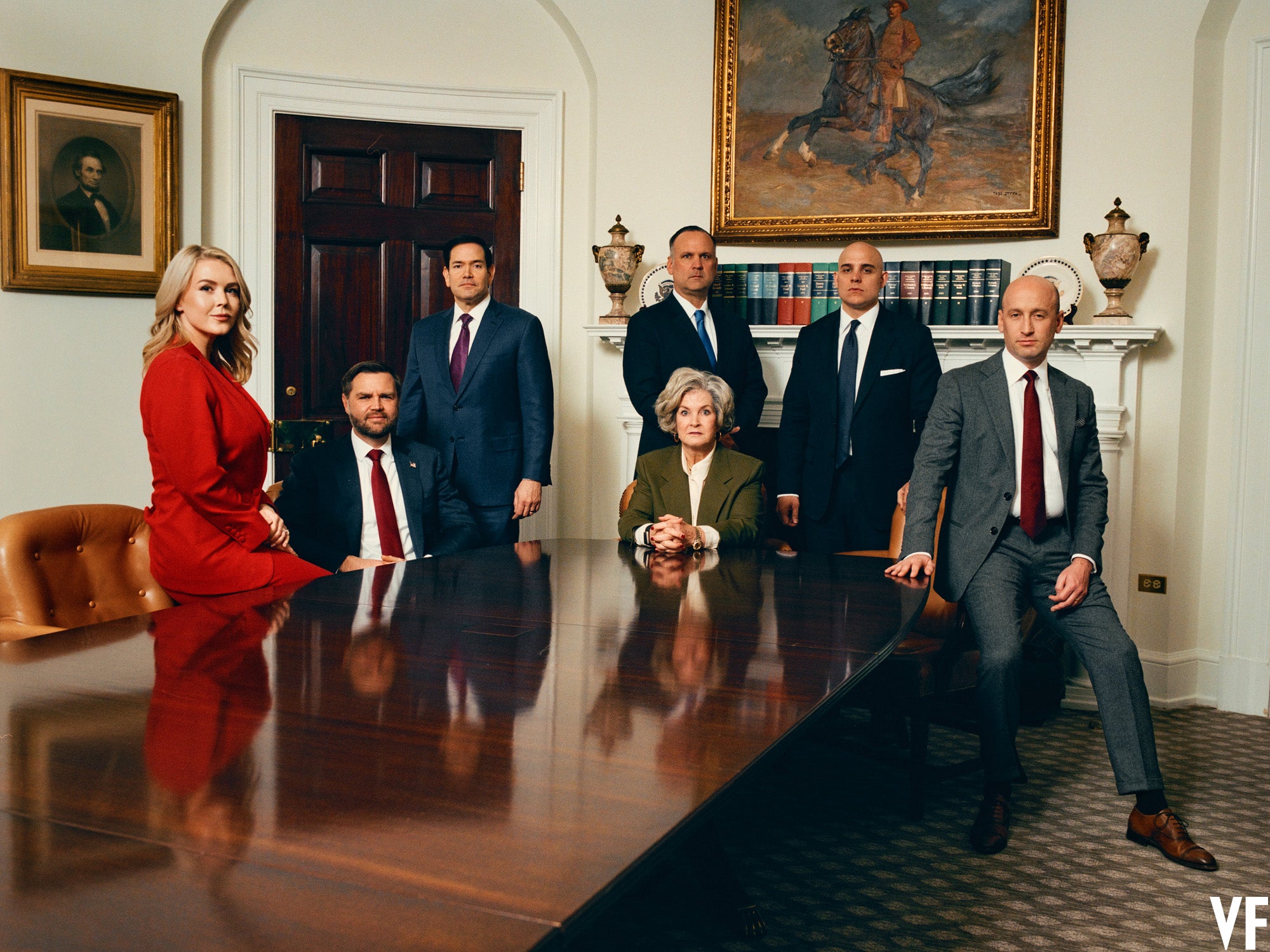
For decades, Vanity Fair has occupied a unique niche in the American media landscape, sitting at the precise intersection of Hollywood glamour, high-stakes finance, and national politics. When the magazine sends a photographer—most notably Annie Leibovitz—into the West Wing, it is not merely documenting the news; it is performing an act of "icon-making." These photographs matter because they represent a departure from the gritty, utilitarian nature of photojournalism. Instead, they offer a polished, aspirational view of governance.
Standard press pool photos are reactive; they capture a moment as it happens, often in harsh fluorescent lighting or during chaotic briefings. In contrast, a Vanity Fair shoot is proactive. It is a controlled environment where lighting, wardrobe, and composition are meticulously planned to convey a specific narrative. This narrative often centers on the "intellectual weight" or the "moral clarity" of an administration. By elevating staffers and cabinet members to the status of celebrities, the magazine helps the administration build "soft power"—a form of influence that relies on attraction and persuasion rather than coercion.
The Role of Annie Leibovitz in Defining Presidential Imagery
To understand why these photos matter, one must understand the influence of Annie Leibovitz. As the magazine’s primary portraitist for major political features, Leibovitz has defined the visual language of the American presidency for over forty years. Her style—characterized by painterly lighting, deep shadows, and an almost cinematic sense of scale—turns a government office into a stage.
When Leibovitz photographed "The Women of the West Wing" during the Obama administration in 2016, the images became a viral sensation. They mattered because they visually validated a shift in the political hierarchy, showcasing a diverse group of women as the "engine room" of the presidency. The photos didn't just show them at their desks; they showed them with the gravitas of historical figures. This type of imagery creates a permanent historical record that suggests these individuals are not just temporary employees, but essential architects of the American story.
Soft Power and the Humanization of the Bureaucracy
Political science often focuses on policy, legislation, and executive orders. However, the public’s relationship with their government is often emotional and visual. Vanity Fair portraits matter because they provide a "humanizing" counter-narrative to the often dry or contentious nature of policy debates.
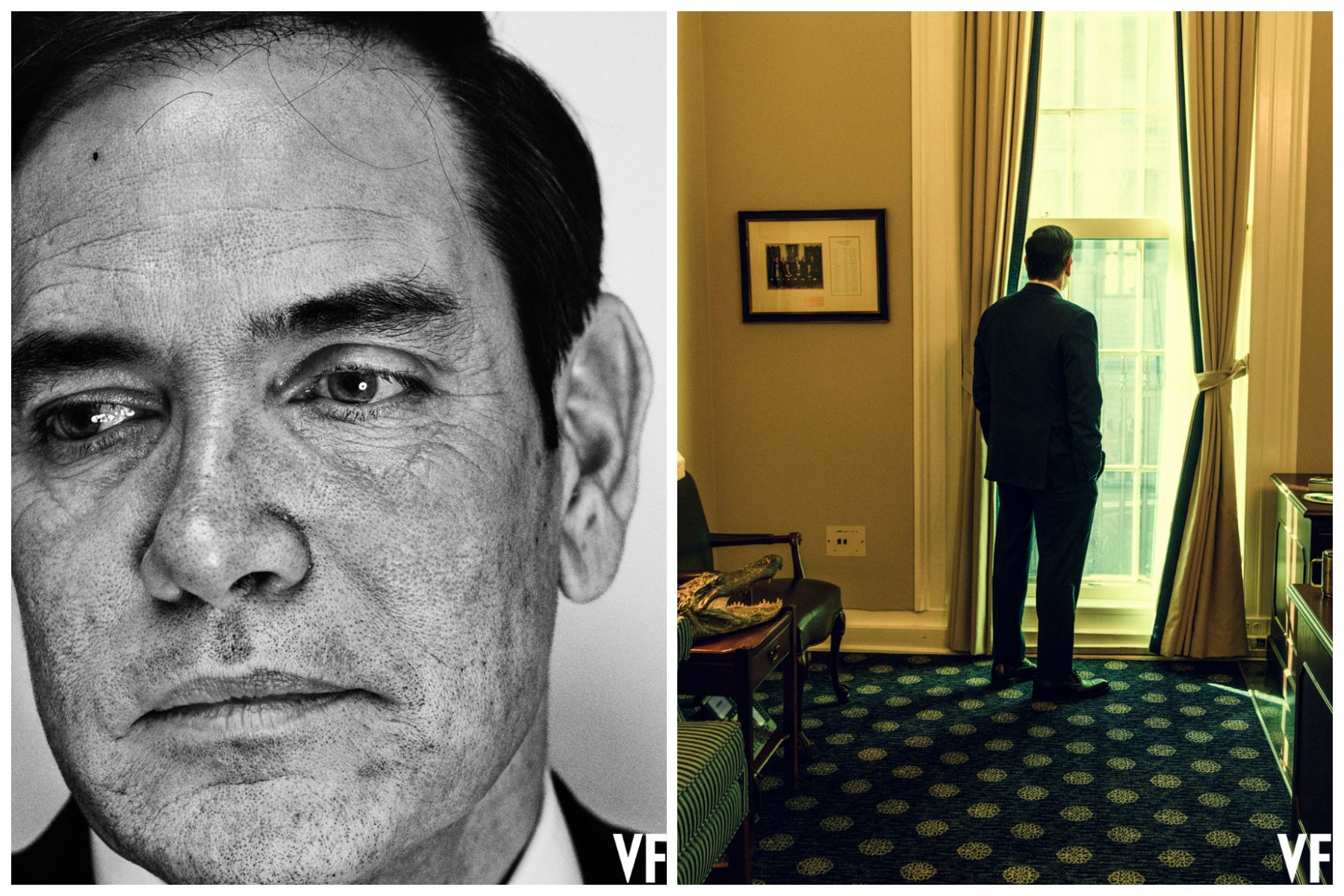
- Relatability: By showing a Secretary of State in a moment of quiet reflection or a Press Secretary in a high-fashion coat walking through the Colonnade, the photos bridge the gap between the "unreachable" elite and the public.
- Aspiration: These shoots frame public service as a glamorous, high-stakes calling. This is a critical component of recruitment and morale for any administration, signaling to the world that working in the White House is the pinnacle of professional achievement.
- Moral Framing: The choice of setting—often involving historical artifacts, the Oval Office, or the Rose Garden—links the current occupants to the long lineage of American history, providing a visual argument for their legitimacy.
The Critique: Glamorization vs. Accountability
While these photos are celebrated for their artistic merit, they are also a source of significant controversy. Critics argue that Vanity Fair photos matter for the wrong reasons: they risk turning public servants into "celebrity politicians" and can obscure the actual consequences of their policies.
The primary critique is that high-fashion photography creates a "halo effect." When a political figure is presented through a lens of beauty and sophistication, the public may become less critical of their legislative record or ethical lapses. For instance, shoots featuring officials from the Trump administration often faced backlash from opponents who felt the magazine was "normalizing" controversial policies through glamour. Conversely, shoots during the Biden administration were sometimes criticized by those who felt the imagery was overly sycophantic, acting more as a public relations arm for the White House than an independent journalistic entity.
Comparative Analysis of Visual Narratives
The impact of these photos is best understood by comparing how different administrations have utilized the Vanity Fair platform. Each era uses the magazine to project a different "brand" to the American public.
| Administration Era | Key Focus of Portraits | Primary Visual Aesthetic | Cultural Impact |
|---|---|---|---|
| Obama (2009–2017) | Diversity, Youth, Intellectualism | Cinematic, "Behind-the-scenes" but polished | Cemented the "Coolness" of the administration; focused on the "team." |
| Trump (2017–2021) | Individual Power, Wealth, Family | High-contrast, Formal, Opulent | Sparked intense debate over the "glamorization" of populism and family roles. |
| Biden (2021–2025) | Experience, Stability, Return to Form | Natural light, Professional, Traditional | Aimed to project a sense of "calm" and "competence" after years of perceived chaos. |
| Current (2025–2026) | Modernization, Technical Prowess | Sharp, Digital-forward, Action-oriented | Focuses on the "efficiency" of a new generation of leaders navigating a digital-first world. |
The Mechanics of a "Vanity Fair" Moment
How do these photos come to be, and why does the process itself matter? A Vanity Fair White House shoot is a major logistical undertaking that requires approval from the highest levels of the Communications Office.
- Vetting and Access: The administration must weigh the benefits of the exposure against the risks of appearing "out of touch." Generally, the decision to allow a shoot is a signal that the White House is confident in its current standing.
- The Wardrobe Choice: Often, subjects are styled by professionals or wear high-end designers. This is a critical detail because it moves the official out of the realm of "public servant" and into the realm of "cultural influencer."
- The Timing: These features usually appear during a "mid-term" period or leading up to an election, intended to boost the profile of key figures who may be considering future runs for office.
Why the Photos Persist in the Digital Archive
In 2026, the longevity of an image is its true measure of importance. While a news cycle lasts 24 hours, a Leibovitz portrait lives forever in digital archives, coffee table books, and museum retrospectives. These photos matter because they become the "default" mental image the public holds of a political figure.
When a student in the future looks up a prominent 21st-century politician, they are more likely to find the polished, iconic Vanity Fair portrait than a grainy screen-grab from a C-SPAN hearing. This gives the magazine and the photographer an incredible amount of power in shaping how history "sees" these leaders. They are not just photos; they are the visual shorthand for an entire era of American governance.
Frequently Asked Questions
Who pays for the Vanity Fair White House photo shoots?
The costs for the production—including the photographer’s fee, travel, equipment, and styling—are typically covered by Vanity Fair (Condé Nast). Taxpayer dollars are generally not used for the production itself, though the White House provides the access and security necessary for the shoot to take place on federal property.
Are these photos considered official government records?
No, these are private editorial works. Official White House photographs are taken by the Chief Official White House Photographer (a government employee) and are eventually housed in the National Archives. Vanity Fair photos are copyrighted by the publication or the photographer, though they are often archived in historical collections due to their cultural significance.
Why do some politicians refuse to do these shoots?
Politicians may decline because they fear the "elitist" label. Being photographed in high-fashion attire or in a highly stylized manner can alienate certain voter bases who may view the imagery as a sign that the official is more concerned with their celebrity status than with the needs of their constituents.
How much influence does the White House have over the final photos?
While the White House Communications Office can request certain settings or themes, the creative control ultimately rests with the magazine and the photographer. However, a "pre-negotiation" usually occurs where the administration ensures that the shoot aligns with their overall messaging goals.
Do these photos affect political polling?
While it is difficult to draw a direct line between a single magazine feature and polling data, the "halo effect" of positive, iconic imagery contributes to an official's overall "favorability" rating. It builds a brand of competence and status that can indirectly influence voter perception over time.
Practical Recommendation for Readers
When viewing Vanity Fair White House photos, it is essential to treat them as strategic communications rather than objective journalism. To gain a balanced perspective:
- Analyze the Lighting and Setting: Ask what the composition is trying to say about the subject’s power or personality.
- Compare with Press Photos: Look at unedited photos of the same individuals from the same week to see the difference between the "image" and the "reality."
- Check the Context: Note the timing of the publication—is it during a crisis, a campaign, or a period of legislative success? This will reveal the administration's intent behind granting the magazine such rare access.
Image Gallery