A Comprehensive Guide to "The Bubbler": Exploring the Premiere of Miraculous Ladybug
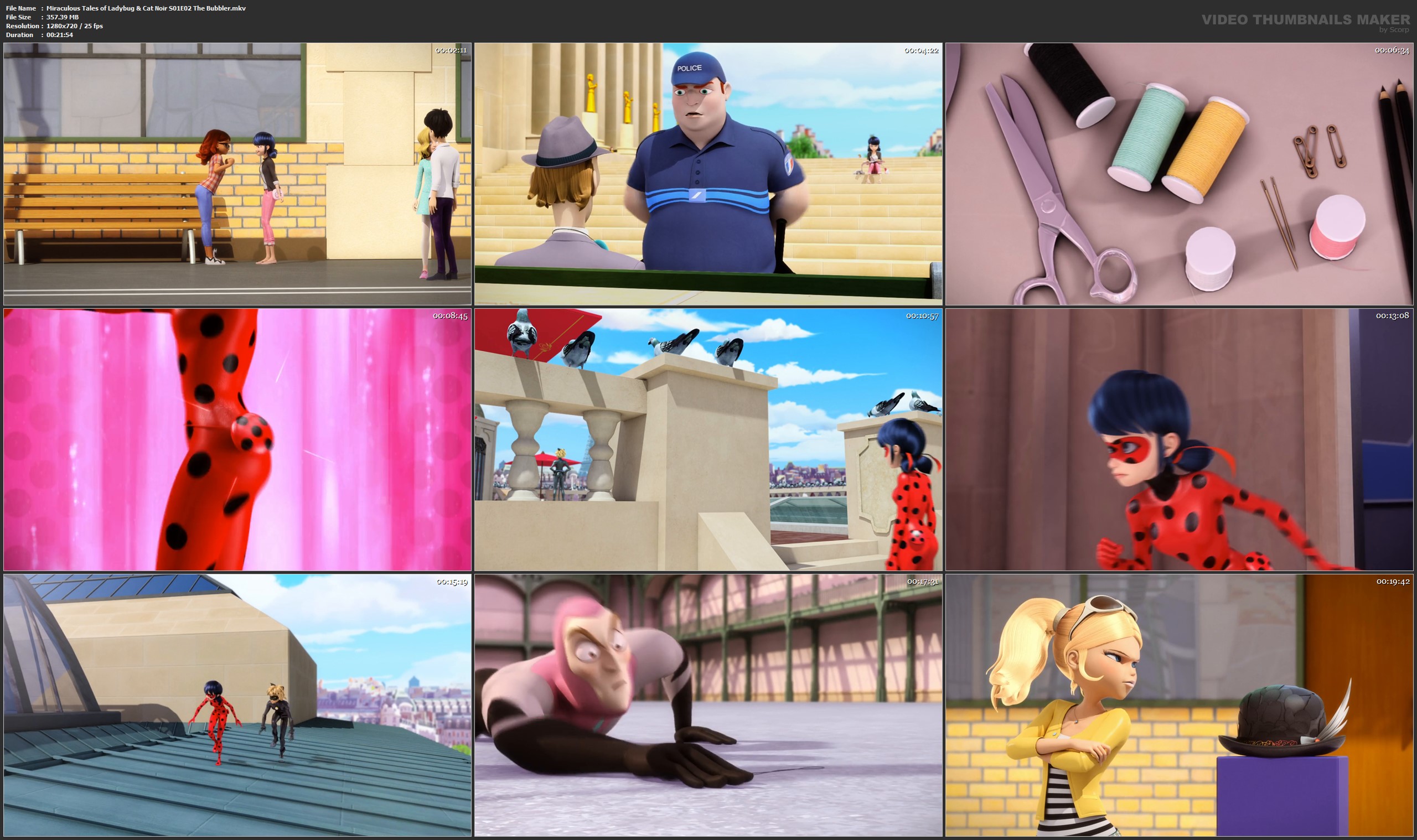
"The Bubbler" (French: Le Bulleur) serves as the premiere episode of Miraculous: Tales of Ladybug & Cat Noir in many territories, including the United States and France. It introduces the core conflict between Adrien Agreste and his fa...
"The Bubbler" (French: Le Bulleur) serves as the premiere episode of Miraculous: Tales of Ladybug & Cat Noir in many territories, including the United States and France. It introduces the core conflict between Adrien Agreste and his father, the mechanics of Hawk Moth’s akumatization, and the central romance involving Marinette’s hand-knitted scarf gift.
Contents
The Narrative Foundation: Adrien’s Birthday Conflict
The episode "The Bubbler" is strategically designed to establish the status quo of the series. It centers on Adrien Agreste’s 14th birthday, a day that should be filled with celebration but is instead defined by his father Gabriel’s cold indifference and strict isolation. This emotional void provides the perfect "negative emotion" required for Hawk Moth to strike, though in a narrative twist, it is not Adrien who is akumatized, but his best friend, Nino Lahiffe.
Nino’s transformation into the Bubbler occurs after he attempts to stand up for Adrien. When Gabriel Agreste refuses to allow Adrien a birthday party and dismisses Nino as a "bad influence," Nino’s righteous indignation turns into a vulnerability. Hawk Moth exploits Nino’s desire for "freedom for kids" to create a villain whose powers represent a childish rebellion against adult authority.
From a storytelling perspective, this episode is essential because it sets up the "Agreste Household" dynamic. We see Gabriel’s detachment, Nathalie’s role as the enforcer, and Adrien’s quiet resignation. By 2026, looking back at these early episodes, the stakes seem modest compared to the later "Miraculous World" specials, yet the emotional core—Adrien’s longing for a normal life—remains the series' most consistent thread.
Character Motivations and the Akumatization Process
In "The Bubbler," the audience is introduced to the mechanics of the Miraculous universe without heavy-handed exposition. The process of akumatization is shown in its purest form:
- Emotional Trigger: Nino feels the sting of injustice on behalf of his friend.
- The Akuma: Hawk Moth sends a corrupted butterfly to inhabit a physical object (Nino’s bubble wand).
- The Deal: Hawk Moth grants Nino powers in exchange for the promise of stealing Ladybug and Cat Noir’s Miraculous jewelry.
- Transformation: Nino becomes the Bubbler, a colorful, high-energy villain.
Marinette Dupain-Cheng’s motivation in this episode is equally critical. Her goal is to deliver a hand-knitted blue scarf to Adrien for his birthday. Her struggle with social anxiety and her clumsiness are on full display, providing the "civilian" stakes for the episode. The resolution of the scarf subplot—where Adrien mistakenly believes the gift came from his father—is a bittersweet moment that establishes the "near-miss" romantic trope that would define the show for several years.
Powers and Tactics: The Bubbler’s Arsenal
The Bubbler remains one of the most visually distinct villains of Season 1. His design utilizes primary colors (red, blue, and yellow), and his powers are both whimsical and terrifying. He uses a giant bubble wand to create spheres that can trap people and send them floating into the stratosphere.
Strategic Use of Bubbles
The Bubbler’s primary tactic is the removal of adult supervision. He traps all the adults in Paris in green bubbles and sends them into the sky, arguing that kids should be allowed to have fun without rules. This creates a chaotic environment where the children of Paris are forced to party under duress.
When Ladybug and Cat Noir intervene, the Bubbler switches to offensive tactics. He can fire explosive bubbles or use them as shields. The battle showcases the first use of the "Lucky Charm" in the series' broadcast history (a yoga track in some versions, but technically a colorful parachute/fan-like object used to create air currents), forcing Ladybug to use her environment and creativity rather than brute strength.
Production History and Global Airing Context
The production of Miraculous was a massive international collaboration between Zagtoon, Method Animation, Toei Animation, and SAMG Animation. "The Bubbler" was produced with the production code 101, signaling its intent as the series opener.
While "Stormy Weather" is often cited as a technically superior episode in terms of animation fluidity, "The Bubbler" was chosen as the premiere in many regions because it introduces the characters' school lives and the Agreste family dynamic more clearly. The episode first aired in South Korea on EBS on September 1, 2015, followed by France on TF1 in October 2015, and the United States on Nickelodeon in December 2015.
As of 2026, the episode is viewed as a "classic era" entry. The animation style in Season 1, handled largely by SAMG, is noted for its high-quality lighting and character models, which set a high bar for the subsequent seasons.
Comparing "The Bubbler" to Other Season 1 Landmarks
To understand the episode’s place in the series, it is helpful to compare it to other early-season entries that established the show's formula.
| Feature | The Bubbler (S1E01) | Stormy Weather (S1E02) | Ladybug & Cat Noir - Origins (S1E25/26) |
|---|---|---|---|
| Villain Identity | Nino Lahiffe | Aurore Beauréal | Ivan Bruel (Stoneheart) |
| Catalyst | Birthday Party Rejection | Losing a TV Contest | Bullying / Insecurity |
| Key Item | Blue Scarf | Parasol | The Miraculous Boxes |
| Theme | Parent/Child Conflict | Professional Jealousy | Destiny and First Meetings |
| Lucky Charm | A colorful disc/fan | A bath towel | A traffic cone / Glue |
The Legacy of the Scarf: A Long-Term Plot Point
One of the most significant aspects of "The Bubbler" is the blue scarf Marinette makes for Adrien. This isn't just a "monster of the week" prop; it is a recurring symbol of Marinette’s selfless love. Because Adrien believes the scarf was a gift from his father, he treasures it even more.
The truth about the scarf remains a secret for a significant portion of the series. For fans analyzing the show in 2026, the "Scarf Subplot" is often highlighted as one of the earliest examples of the "dramatic irony" the writers used to keep the "Adrienette" ship afloat. It illustrates Marinette’s willingness to let Adrien be happy (thinking his father cares) at the expense of her own credit.
Technical Breakdown: Animation and Sound
The directing by Thomas Astruc in this episode establishes the "superhero anime" aesthetic that blends French storytelling with Japanese-inspired action sequences. The music, composed by Noam Kaniel, introduces the iconic transformation themes that have become synonymous with the brand.
Key Technical Elements:
- Transformation Sequences: "The Bubbler" is the first time many viewers saw the high-energy, choreographed transformations of Ladybug and Cat Noir. These sequences were designed to be both "magical girl" homages and modern action beats.
- Environment Design: The Agreste Mansion is introduced as a fortress—cold, metallic, and grand. This contrasts sharply with the Dupain-Cheng bakery, which is warm, cluttered, and vibrant.
- Voice Acting: The English dub featuring Cristina Vee (Ladybug) and Bryce Papenbrook (Cat Noir) debuted in this episode, establishing the witty rapport and "puns" that would define the duo's relationship.
Frequently Asked Questions
Is "The Bubbler" actually the first episode of Miraculous?
In terms of production order and airing in most Western countries, yes, it is episode 101. However, chronologically, the two-part "Origins" episodes (Stoneheart) take place before "The Bubbler." "Origins" explains how Marinette and Adrien received their Miraculous, whereas "The Bubbler" starts with them already established as heroes.
Why did Nino get turned into the Bubbler?
Nino was akumatized because he felt extreme frustration and a sense of injustice when Gabriel Agreste treated him poorly. Nino wanted Adrien to have a happy birthday and felt that adults were "total bummers" who prevented kids from having fun. Hawk Moth sensed this anger and offered Nino the power to get rid of the adults.
What happened to the scarf Marinette gave Adrien?
Adrien continues to wear the scarf throughout the series, especially in colder weather episodes. He believes it was a gift from his father because Nathalie Sancoeur (Gabriel’s assistant) took the credit to cover up the fact that Gabriel forgot Adrien's birthday. Marinette chose not to correct him so he could believe his father was being thoughtful.
Does the Bubbler appear again in later seasons?
Yes, Nino is akumatized into different forms throughout the series (such as Oblivio or Rocketear), and the Bubbler persona makes cameo appearances in later "Scarlet Moth" or "Shadow Moth" events where previous villains are recreated.
Practical Viewing Recommendations
For those looking to revisit the series or start for the first time in 2026, "The Bubbler" is the perfect entry point for understanding the character dynamics. While "Origins" provides the backstory, "The Bubbler" provides the feeling of a typical day in Paris for our heroes.
If you are watching for the first time:
- Observe the Agreste Mansion: Pay attention to the portrait of Emilie Agreste; it is the first hint at the deeper mystery of the family.
- Note the Scarf: Remember the blue scarf Marinette knits, as its significance grows in later seasons.
- Check the "Miraculous Secrets" webisodes: There are short digital entries that provide more context on Nino and Adrien’s friendship that complement this episode.
The episode remains a high-water mark for Season 1's creativity and continues to be a fan favorite for its balance of action, humor, and heart.
Image Gallery