Finding Cheap Car Insurance for Everyday Drivers in 2026
Securing cheap car insurance for everyday drivers in 2026 requires a strategic combination of usage-based telematics, optimized deductibles, and rigorous annual comparisons. By leveraging data-driven "safe driver" programs and bundling...
Securing cheap car insurance for everyday drivers in 2026 requires a strategic combination of usage-based telematics, optimized deductibles, and rigorous annual comparisons. By leveraging data-driven "safe driver" programs and bundling multi-policy discounts, typical commuters can significantly lower premiums while maintaining essential liability and comprehensive protection against modern repair costs.
Contents
Defining the "Everyday Driver" in the 2026 Insurance Market
To find the most affordable rates, one must first understand how insurers categorize the "everyday driver." In 2026, this profile typically refers to individuals using their vehicles for commuting, school runs, and general personal errands, usually averaging between 10,000 and 15,000 miles annually. Unlike commercial drivers or high-mileage delivery workers, everyday drivers present a predictable risk profile that insurance algorithms can precisely model.
The distinction is vital because insurance companies offer specific "pleasure" or "commute" ratings that are lower than "business use" tiers. If you are using your car for a standard 9-to-5 job or local transport, ensuring your policy correctly reflects this usage is the first step toward reducing costs. In 2026, many insurers use real-time data to verify these patterns, rewarding those who stay within their stated mileage brackets.
The Factors Driving Premiums for Typical Commuters
As of 2026, several technical and economic factors influence what constitutes a "cheap" premium. While the volatility of the early 2020s has stabilized, new variables have emerged that everyday drivers must navigate.
The Cost of Advanced Technology
Modern vehicles are equipped with intricate Advanced Driver Assistance Systems (ADAS). While these systems—such as automated braking and lane-keep assist—reduce the frequency of accidents, they have significantly increased the cost of minor repairs. A simple bumper replacement now involves recalibrating radar and LiDAR sensors. Insurers have adjusted their rates to reflect these high "fender bender" costs, meaning that even a safe everyday driver might see higher base premiums than they did five years ago.
Credit-Based Insurance Scores
In most jurisdictions, your credit history remains a primary determinant of your insurance rate. Statistics consistently show a correlation between financial responsibility and driving safety. Everyday drivers with "Good" to "Excellent" credit scores can save up to 40% compared to those with "Poor" scores. If you are looking for cheap insurance in 2026, improving your credit rating is often as effective as shopping for a new provider.
Regional Inflation and Medical Costs
Insurance is inherently local. In 2026, premiums are heavily influenced by state-level inflation in medical care and litigation costs. Everyday drivers in "no-fault" states often face higher premiums due to Personal Injury Protection (PIP) requirements. Understanding your state’s minimum requirements is essential to avoid paying for excess coverage you may not need.
Core Strategies for Reducing Insurance Costs
Achieving the lowest possible rate is not about finding a "secret" company, but about optimizing your individual risk profile.
1. Optimize Your Deductibles
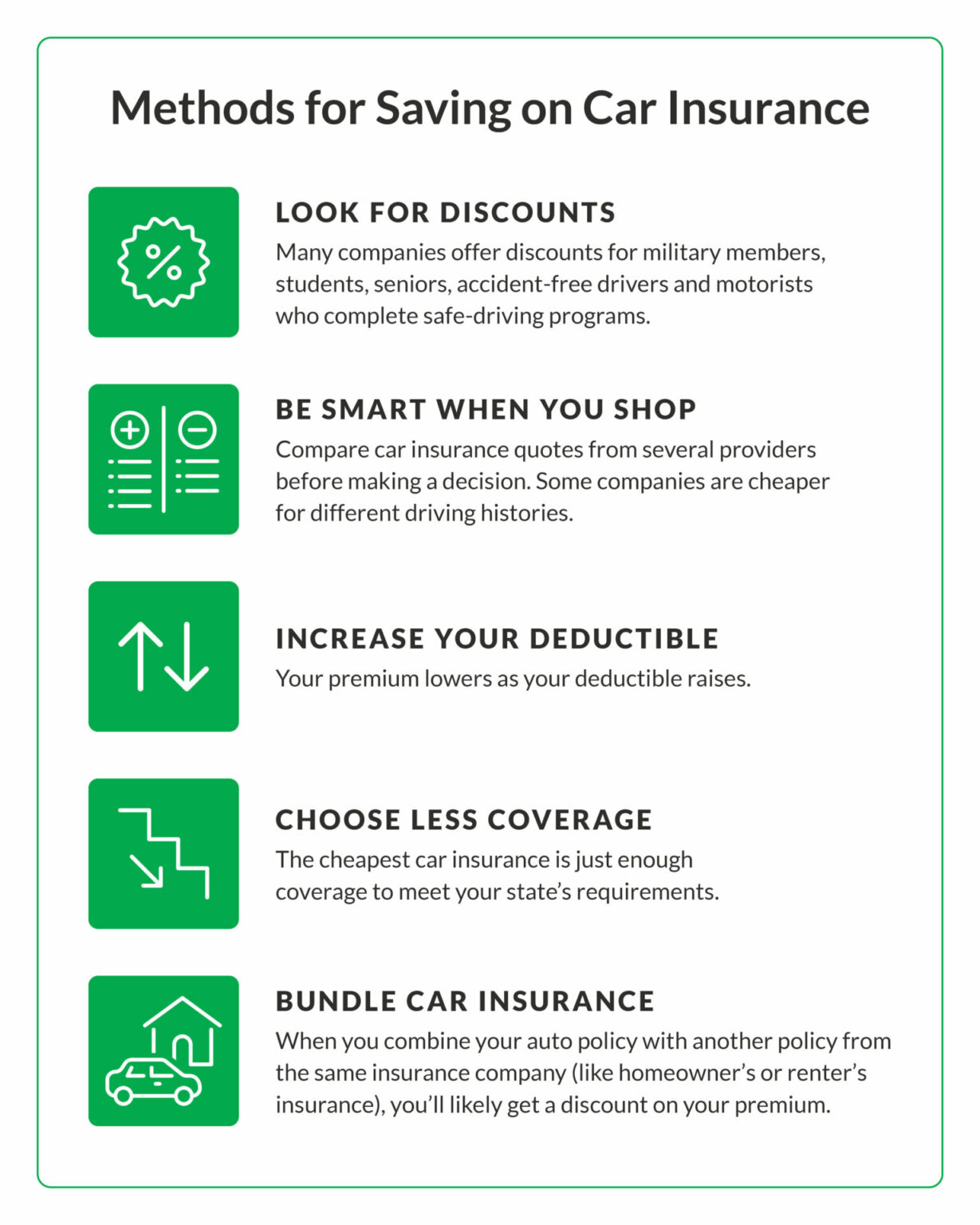
The deductible is the amount you pay out-of-pocket before insurance covers a claim. For an everyday driver with a healthy emergency fund, raising a deductible from $500 to $1,000 can reduce collision and comprehensive premiums by 15% to 30%. This is a "math-based" win: if you go three years without an accident, the premium savings often exceed the extra $500 you would pay in the event of a claim.
2. Aggressive Annual Comparison
The "loyalty penalty" is a documented phenomenon where long-term customers are charged more than new acquisitions. In 2026, the National Association of Insurance Commissioners (NAIC) recommends comparing at least three different carriers annually. Automated comparison tools now make this process take less than ten minutes, allowing drivers to switch providers the moment a lower rate for identical coverage becomes available.
3. Bundling and Multi-Vehicle Discounts
"Bundling" remains one of the most effective ways to slash costs. Combining your auto insurance with a renters or homeowners policy usually triggers a discount of 10% to 25%. Furthermore, insuring multiple vehicles under one household policy reduces the administrative cost for the insurer, a savings they pass on to the everyday driver.
Telematics: The 2026 Path to Maximum Savings
The most significant shift in 2026 for everyday drivers is the ubiquity of Usage-Based Insurance (UBI) or telematics. For those who drive "everyday" but do so safely, these programs offer the deepest discounts available.
How Telematics Works
Drivers install a small device in their vehicle or, more commonly, use a smartphone app provided by the insurer. The technology tracks:
- Braking Intensity: Avoiding "hard braking" events.
- Acceleration: Smooth transitions from stops.
- Time of Day: Avoiding high-risk midnight-to-4 AM windows.
- Mileage: Total distance traveled.
The Financial Benefit
For a typical commuter who follows speed limits and avoids aggressive maneuvers, telematics can result in a "Safe Driver" discount of up to 30% or 40%. In 2026, these programs have evolved to provide "real-time coaching," helping drivers improve their habits to maintain their low rates. While privacy concerns exist, the financial incentive for everyday drivers is often too significant to ignore.
Vehicle Selection and Insurance Performance
The car you choose to drive every day has a massive impact on your premium. Insurers look at the "loss history" of specific models—how often they are stolen, how much they cost to repair, and how well they protect occupants.
| Vehicle Category | Insurance Cost Profile | Why? |
|---|---|---|
| Mid-Size Sedan | Low to Moderate | High safety ratings, readily available parts, and lower theft rates. |
| Compact SUV | Moderate | High repair costs for ADAS sensors but excellent crash protection. |
| Electric Vehicles (EV) | Moderate to High | Specialized labor and high battery replacement costs, though 2026 tech has lowered this. |
| Luxury Sports Cars | High | High parts cost, higher speed potential, and specialized repair requirements. |
| Minivans | Lowest | Statistically driven by the safest demographic (parents/families). |
Choosing a vehicle with high safety scores from the Insurance Institute for Highway Safety (IIHS) can lead to immediate discounts on the medical payment and PIP portions of your policy.
Understanding Liability Limits for Everyday Drivers
While the goal is "cheap" insurance, carrying only the state-minimum liability is often a financial mistake for everyday drivers with assets. In 2026, a standard multi-car accident can easily exceed a $25,000 bodily injury limit.
A "cheap" policy that leaves you vulnerable to a lawsuit is not affordable in the long run. Most experts recommend a 100/300/100 limit ($100,000 per person, $300,000 per accident for bodily injury, and $100,000 for property damage). For many drivers, the cost to jump from state minimums to these higher limits is surprisingly low—often less than $10 per month—because the insurer views the likelihood of a "total limit" claim as relatively low for safe everyday drivers.
Frequently Asked Questions
Does my daily commute distance affect my "cheap" insurance rate?
Yes. Insurers generally categorize drivers by their one-way commute distance. A driver with a 5-mile commute will almost always pay less than a driver with a 25-mile commute, as more time on the road statistically increases the probability of an incident. If your commute changes or you start working from home, notify your insurer immediately to lower your rate.
Are online-only insurance companies safe for everyday drivers in 2026?
Many "digital-first" insurers offer lower premiums because they lack the overhead of physical agencies. These companies are regulated by state insurance departments just like traditional carriers. However, ensure the company has a strong "Financial Strength Rating" from agencies like A.M. Best to ensure they can pay out major claims.
Can I get a discount for taking a defensive driving course?
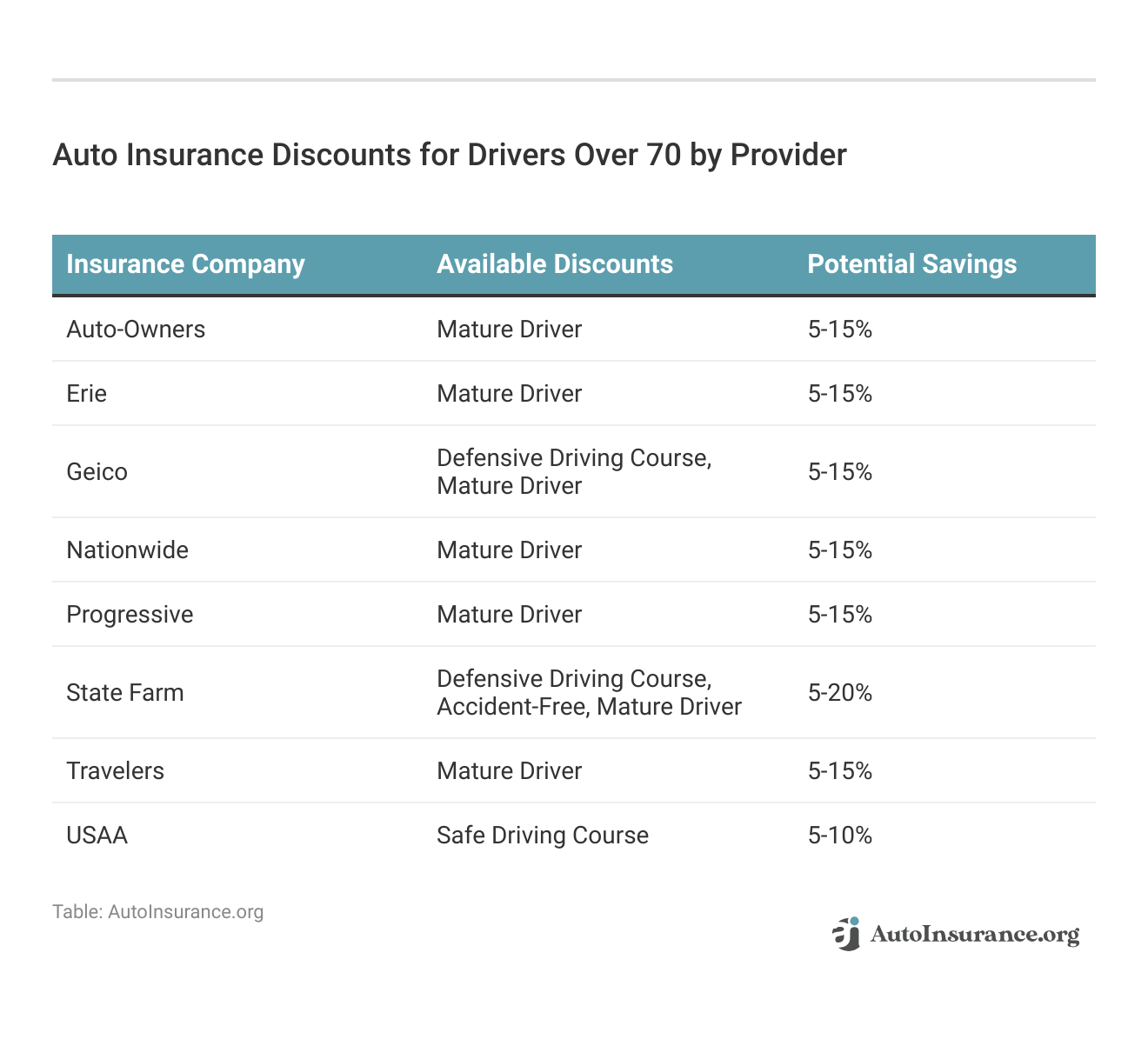
Most insurers offer a discount (usually 5% to 10%) for completing a state-approved defensive driving course. In 2026, these are largely available online and take only a few hours. This is particularly effective for younger drivers or seniors looking to offset age-related premium hikes.
Will my rate go up if I file a small comprehensive claim?
Comprehensive claims (for things like windshield chips or hail) generally impact your rates less than collision claims. However, in 2026, some insurers use "claim frequency" as a risk metric. If you have a $500 deductible and a $600 repair, it is often cheaper in the long run to pay out-of-pocket rather than risking a premium increase.
Is "Pay-Per-Mile" insurance good for everyday drivers?
Pay-per-mile is ideal for "low-mileage" everyday drivers (those driving under 8,000 miles per year). If you commute by train but use your car for weekend errands, this can be the cheapest possible option. However, if you have a daily 20-mile commute, a traditional flat-rate policy is usually more cost-effective.
Practical Recommendation for 2026
To secure the cheapest car insurance without sacrificing essential protection, everyday drivers should follow a three-step annual audit. First, enroll in a telematics program if your driving habits are consistent and safe, as this offers the largest single discount available in 2026. Second, raise your deductible to at least $1,000 to lower the base premium of your collision and comprehensive coverage. Finally, use an independent agent or an automated comparison tool every twelve months to ensure your current carrier hasn't implemented a "loyalty" price hike. By treating car insurance as a variable expense that requires active management, you can keep your "everyday" costs at a minimum.
Image Gallery